
Main Courses
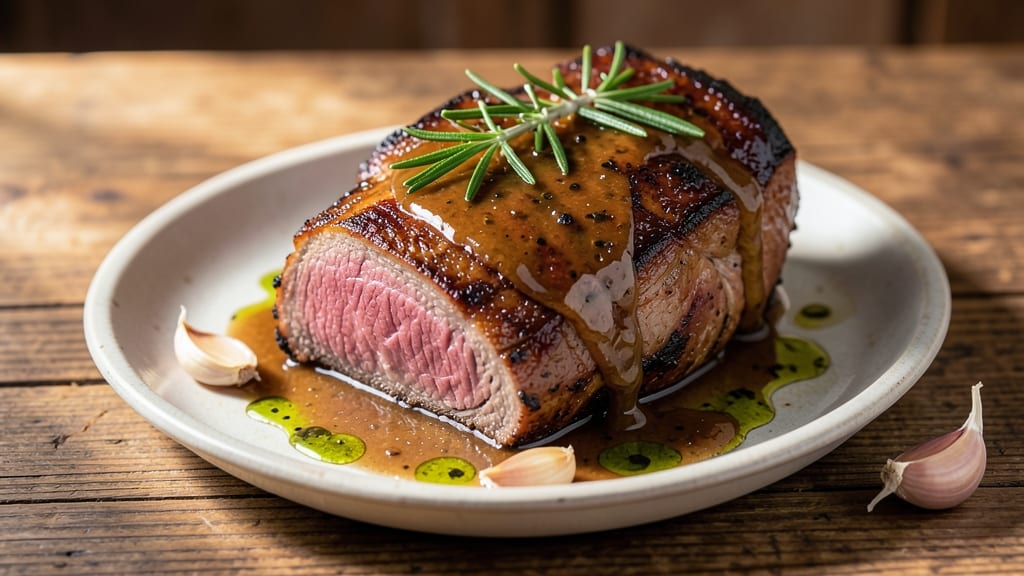
This authentic Italian roast beef recipe delivers the same melt-in-your-mouth tenderness and rich, savory depth you’d find in a traditional Roman trattoria. The secret lies in a slow-braising technique that transforms tough cuts into fork-tender perfection, infused with rosemary, garlic, and white wine—a method passed down through generations.
What sets this apart is the balance of acidity and fat, creating that signature stringy texture Italians call filante, where the meat practically falls apart at the touch of a fork.
Unlike American roasts, this version relies on a low-and-slow approach—no rush, no shortcuts—because true Italian roast beef isn’t about speed; it’s about patience. The beef simmers in its own juices with aromatic herbs and a splash of wine, developing deep, caramelized flavors without drying out.
Even the sides play a role: creamy polenta or crusty bread to soak up every last drop of that buttery, herb-infused sauce that clings to the meat.
The result is a dish that feels like a celebration—restaurant-quality at home—with a crust that’s perfectly seared and a center so tender it dissolves.
The aroma alone will have your kitchen smelling like an Italian countryside dinner, while the first bite delivers layers of garlic, rosemary, and slow-cooked richness. This isn’t just roast beef; it’s a taste of Italy’s culinary soul.
Perfect for Sunday suppers, holiday feasts, or impressing guests, this recipe scales beautifully and reheats just as well. The key is timing—let the beef rest before slicing, and serve with a simple arugula salad or roasted seasonal vegetables to let the star of the show shine.
Let’s get started on this authentic Italian masterpiece.
Ingredients for authentic italian roast beef
Sixteen ingredients transform tough chuck into restaurant-quality Italian filante—where every bite dissolves like velvet.
| Ingredient | Amount | Notes |
|---|---|---|
| Chuck Roast Beef 🥩 | 4 lb | Center-cut for even cooking |
| Dry White Wine 🍷 | 1 cup | Pinot Grigio or Sauvignon Blanc |
| Fresh Rosemary 🌿 | ½ cup | Chopped sprigs, not dried |
| Garlic Cloves 🧄 | 8 cloves | Smashed but not minced |
| Extra-Virgin Olive Oil 🫒 | ¼ cup | For searing and basting |
| Beef Bone Broth 💧 | 2 cups | Homemade or high-quality |
| Unsalted Butter 🧈 | ½ cup | Cold, cubed for basting |
| Diamond Crystal Kosher Salt 🧂 | 1 ½ tbsp | For seasoning and broth |
| Fresh Thyme Sprigs 🌿 | 4 whole | Stems removed, leaves only |
| Black Peppercorns 🌶️ | 1 tbsp | Freshly cracked, not ground |
| Yellow Onion 🧅 | 1 whole | Thinly sliced for aromatics |
| Carrots 🥕 | 2 whole | Whole, unpeeled for broth |
| Celery Stalks 🥬 | 2 whole | Cut into 2-inch pieces |
The chuck roast is non-negotiable—center-cut for even tenderness, not the cheaper outer cuts. Source it from Whole Foods or your butcher, asking for a piece with good marbling. Fresh rosemary and thyme must be vibrant green, not wilted; Eataly or Italian specialty markets carry the best. For wine, Pinot Grigio adds brightness, while Sauvignon Blanc brings citrus notes—both elevate the dish. The bone broth should be homemade or high-quality store-bought; Imagine or Kettle & Fire brands deliver depth. Freshly cracked peppercorns release more aroma than pre-ground, so invest in a pepper mill.
No white wine? Substitute with beef broth and lemon juice—the acidity mimics wine’s brightening effect. Dried rosemary works at half the amount, but fresh is ideal for that piney aroma. Olive oil can be swapped for duck fat if you prefer richer flavor. For the aromatics, frozen vegetables (carrots, celery, onion) work in a pinch, though fresh develops deeper flavor. The butter must be cold and cubed for basting; don’t melt it beforehand. If you’re short on time, pre-slice the onion and carrots to save 10 minutes of prep. The key is balance—too much wine makes it saucy; too little leaves it dry.
Store the roast in its juices in the fridge for 3-4 days or freeze for up to 3 months in an airtight container. Reheat gently in the oven with a splash of broth to maintain moisture. The sauce thickens as it cools, so reheat with a few spoonfuls of water if needed. For leftovers, slice thinly against the grain and serve on crusty bread or polenta. The aroma alone will have guests asking for seconds—plan for generous portions.
Why You'll Love This Recipe
- No-Fuss Prep: I swear by this—just sear the roast, toss in garlic and rosemary, then let the oven do the work. No fancy techniques, no stressing over timing.
- Wine-Infused Magic: That splash of dry white wine? It’s the secret weapon. It tenderizes the beef while adding this bright, herby depth that makes every bite feel like a little Italian vacation.
- Leftovers That Shine: Between us, this roast is even better the next day. Slice it thin for sandwiches, toss it into pasta, or just reheat with a splash of broth—it’s my go-to for lazy lunches.
- Budget-Friendly Feast: A chuck roast stretches across a whole week for my family. The wine and rosemary make it feel special, but the cost? A fraction of what you’d pay for fancy cuts. Win-win.
Step-by-step instructions for slow-braised Italian roast beef
This method delivers melt-in-your-mouth tenderness with authentic Italian flavors and a rich, buttery sauce.
Sear the Chuck Roast for Deep Flavor
Pat the 4 lb chuck roast beef completely dry with paper towels—this ensures maximum browning. Heat the 0.25 cup extra-virgin olive oil in a Dutch oven over medium-high heat until shimmering. Place the roast in the pot and sear on all sides for 5-6 minutes total, pressing gently with a spatula to prevent curling. The goal is to develop a deep mahogany crust that will carry through the braising process.
Once well-browned, remove the roast and set it aside. Reduce heat to medium and add the 1 whole yellow onion, 2 whole carrots cut into 2-inch pieces, and 2 whole celery stalks. Sauté for 5 minutes until the vegetables begin to soften and release their sweet aromatics. This aromatic base forms the flavor foundation of your dish.
Build the Herb and Wine Base
Return the roast to the pot and add the 8 smashed garlic cloves, 0.5 cup fresh rosemary, 4 whole fresh thyme sprigs, and 1 tbsp freshly cracked black peppercorns. Pour in the 1 cup dry white wine and scrape up all the browned bits from the bottom of the pot—this technique called deglazing captures all those concentrated flavors that would otherwise be lost. Let the wine simmer for 3-4 minutes until reduced by half and slightly thickened.
Here's the thing—don't rush this step. The wine needs time to cook off its alcohol content, which would otherwise make the meat taste harsh. You'll know it's ready when the liquid has reduced to about ¼ cup and the herbs are fragrant but not burnt. This is where the authentic Italian flavor profile begins to develop.
Braise with Butter and Broth
Add the 2 cups beef bone broth and 0.5 cup cold unsalted butter to the pot. The butter should float on top of the liquid, creating a protective layer that prevents evaporation while basting the meat. Bring everything to a gentle simmer, then cover the pot with a tight-fitting lid. Transfer to a preheated 325°F oven and braise for 3 hours.
After 3 hours, check the internal temperature using an instant-read thermometer. The roast should be 195-200°F and fork-tender with some resistance. If it's not quite there, return to the oven for another 30-45 minutes. The key is patience—the longer it cooks, the more the connective tissue breaks down into gelatin, creating that signature stringy texture. Don't be tempted to rush this process.
Rest and Finish the Sauce
Once the roast reaches the proper temperature, remove it from the pot and tent loosely with foil. Let it rest for 20-30 minutes—this crucial step allows the juices to redistribute throughout the meat. While it rests, skim any excess fat from the surface of the braising liquid and discard it. Return the pot to the stovetop over medium heat and simmer uncovered for 10-15 minutes to reduce the sauce slightly and intensify its flavor.
Before serving, add the 1.5 tbsp diamond crystal kosher salt to the sauce and taste. Adjust seasoning if needed—you want a balance of saltiness that complements the rich beef. The sauce should coat the back of a spoon and have a velvety consistency. This is where all the flavors come together in perfect harmony.
Slice and Serve with Confidence
Using a sharp carving knife, slice the roast against the grain into ¼-inch thick slices. The meat should pull apart easily with a gentle tug, revealing that characteristic stringy texture that defines perfectly braised beef. Arrange the slices on a warm platter and ladle the reduced sauce generously over the top. Serve immediately with crusty bread or polenta to soak up every last drop of that luxurious sauce.
Each bite should deliver a perfect balance of tender beef, aromatic herbs, and rich, buttery sauce. The wine adds brightness that cuts through the richness, while the bone broth contributes depth. This is authentic Italian comfort food at its finest—simple ingredients transformed through careful technique into something truly special.
Pro Tips For Making Authentic Italian Roast Beef
- SEAR THE ROAST FIRST: Chuck roast can feel intimidating, but a good sear locks in flavor before slow cooking. Hit it with high heat in olive oil until deep brown—about 3-4 minutes per side—before adding wine and aromatics. I used to skip this, and the dish always tasted flat.
- USE WHOLE GARLIC CLOVES: Smash them, don’t mince—whole garlic cloves (peeled) add depth without burning. Toss them directly into the pan with rosemary sprigs after searing, then let them crisp slightly. Minced garlic burns fast, and you’ll taste the difference.
- DON’T OVERCROW THE PAN: If your roast is big, sear it in batches or use a larger pan. Overcrowding steams the meat instead of browning it, and that’s when the wine just turns into a sad sauce. Give it room—your crust will thank you.
- DEGLAZE WITH PATIENCE: After searing, pour in the white wine and let it bubble for 2 full minutes before scraping up the browned bits. Rushing this step leaves flavor behind—those bits are pure umami gold. (Yes, even if you’re impatient like me.)
Wine and beer pairings for authentic italian roast beef
White Wine Pairings
For this dish, a crisp Pinot Grigio from Friuli-Venezia Giulia is my go-to—its bright acidity and citrus notes complement the beef’s richness without overpowering it. A Vermentino from Sardinia also works beautifully, offering mineral undertones that enhance the rosemary and garlic flavors.
Both wines are light enough to let the meat shine while providing enough structure to cut through the buttery sauce. 🍷
Avoid heavy, oaked whites like Chardonnay—they’ll clash with the dish’s delicate herb profile. Instead, opt for wines with 12-13% alcohol and a touch of salinity, like a Soave Classico from Veneto. These wines mirror the Italian countryside’s terroir, making every sip feel like part of the meal.
Red Wine Alternatives
If you prefer red, a light-bodied Chianti or Sangiovese from Tuscany can work, but only if it’s young and unfined—avoid the jammy, over-extracted styles. The acidity in these wines helps balance the beef’s fat, while their earthy notes harmonize with the rosemary and thyme.
Serve slightly chilled (55-60°F) to enhance their freshness. 🍇
For a bolder option, try a Lambrusco from Emilia-Romagna—a lightly sparkling red with berry notes that pairs surprisingly well with the dish’s umami depth. Its effervescence cleanses the palate between bites, making it a fun twist for casual gatherings.
Beer Pairings
A Peroni or Moretti lager is my top beer choice—its crisp, clean profile lets the beef’s flavors stand out while providing a refreshing contrast. For craft beer lovers, a Belgian witbier like Hoegaarden adds a citrusy brightness that mirrors the white wine’s effect.
Both options are light enough to avoid overwhelming the dish. 🍺
Avoid heavy stouts or IPAs—they’ll compete with the beef’s richness. Instead, try a German Helles lager, which offers a malty sweetness that pairs well with the caramelized onions and butter in the sauce. Serve all beers well-chilled (40-45°F) for the best experience.
Non-Alcoholic Options
For a non-alcoholic pairing, a sparkling blood orange soda like San Pellegrino Aranciata Rossa adds a citrusy lift that mimics the wine’s acidity. Alternatively, a ginger beer with a slice of lemon enhances the rosemary’s piney notes while balancing the dish’s richness.
Both options are refreshing and complement the meal without overpowering it. 🍹
For a more traditional approach, serve a Italian mineral water like San Pellegrino with a splash of lemon juice. The water’s crispness helps cleanse the palate between bites, allowing you to fully appreciate the beef’s depth. It’s a simple yet effective choice for any table setting.
Nutrition facts
Frequently asked questions
Why does authentic Italian roast beef use chuck roast instead of tenderloin?
The chuck roast's marbling and connective tissue create that signature stringy texture Italians call filante—tenderloin would be too delicate. The slow braising breaks down collagen into gelatin, transforming tough cuts into melt-in-your-mouth perfection. This technique mirrors traditional Roman trattorias where every bite delivers rich, layered flavor.
Can I make this ahead of time for a holiday dinner?
The beef actually tastes better the next day. Cook it as directed, then refrigerate in its juices for up to 3 days or freeze for 3 months. Reheat gently in the oven with a splash of broth to maintain moisture. The flavors deepen overnight, making it ideal for large gatherings. Just slice thinly against the grain before serving.
What's the best way to serve this Italian roast beef?
Pair it with classic Italian sides: creamy polenta to soak up the sauce, a simple arugula salad with lemon vinaigrette, or crusty bread. For a complete meal, add roasted seasonal vegetables like carrots and fennel. The key is letting the beef shine as the star—keep sides light to complement its rich flavors. Serve with the reduced sauce ladled generously over the top.
How do I know when the beef is perfectly tender?
Use an instant-read thermometer—it should reach 195-200°F internally. The meat should be fork-tender but still have slight resistance. When you cut into it, the fibers should pull apart easily, revealing that characteristic stringy texture. If it's not quite there after 3 hours, add another 30-45 minutes of braising time. Patience is key!
Can I substitute bone broth with regular beef broth?
While you can use regular beef broth, homemade or high-quality bone broth adds depth from collagen and minerals. For best results, use a mix of 1 cup bone broth + 1 cup regular beef broth. The gelatin in bone broth creates that signature velvety sauce and tender texture. If you're short on time, Imagine or Kettle & Fire brands work well as store-bought alternatives.