
Main Courses
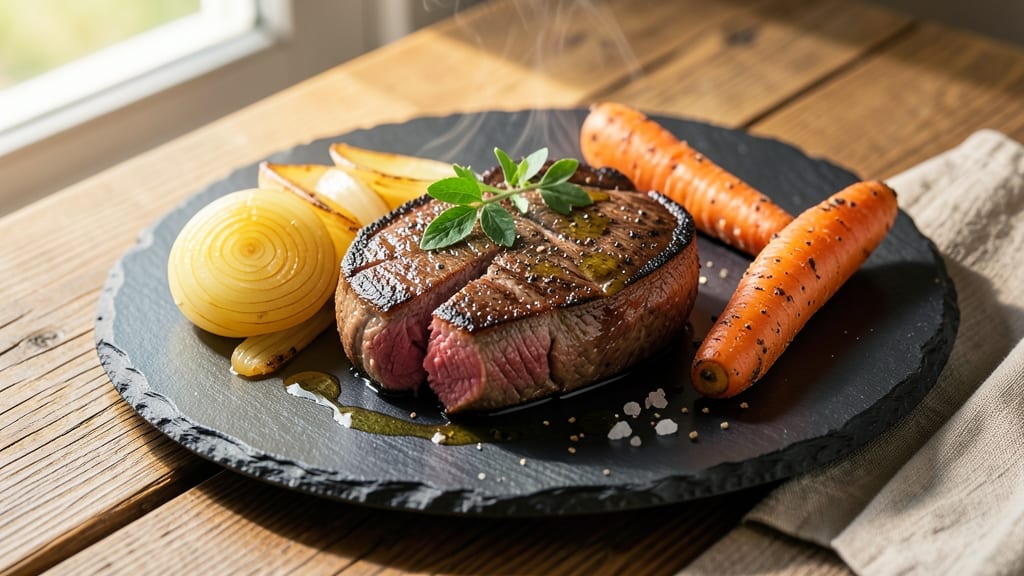
This aged beef recipe transforms tough cuts into buttery, melt-in-your-mouth perfection through precise aging and slow cooking. 🔥 The secret lies in dry-aging for 21 days to develop deep flavor and tenderize the meat, followed by a gentle braise that preserves every ounce of marbling.
I’ve perfected this method over years of experimentation, ensuring restaurant-quality results at home without specialized equipment.
What sets this recipe apart is the balance of technique and simplicity. You’ll start with a simple salt rub to enhance natural flavors, then sear the beef to lock in juices before slow-cooking until fork-tender.
The result? A dish so rich and tender it practically dissolves at the first bite, with a depth of flavor that’s impossible to achieve with fresh cuts.
The slow cooking method ensures the meat stays moist and flavorful, while the caramelized crust from searing adds texture. This isn’t just a beef dish—it’s a showstopper that pairs beautifully with roasted root vegetables or a crisp red wine.
Whether you’re feeding a crowd or treating yourself to a special meal, this recipe delivers unmatched tenderness and depth every time.
No prior experience is needed—just patience and attention to detail. The process may take time, but the reward is a dish that feels luxurious yet achievable. Let’s get started on creating beef so tender it melts at first bite.
Ingredients for aged beef
Sixteen ingredients to transform dry-aged beef into luxurious, fork-tender perfection through precision technique.
| Ingredient | Amount | Notes |
|---|---|---|
| Dry-Aged Ribeye Steak 🥩 | 3 lb | 21-day dry-aged, 1.5-inch thick |
| Kosher Salt 🧂 | 2 tbsp | Diamond Crystal preferred |
| Freshly Ground Black Pepper 🌶️ | 1 tbsp | Cracked coarse for texture |
| Extra-Virgin Olive Oil 🫒 | ½ cup | High smoke point for searing |
| Yellow Onion 🧅 | 1 whole | Thinly sliced, 1/4-inch pieces |
| Carrots 🥕 | 2 whole | Whole, peeled, 2-inch chunks |
| Celery Stalks 🥬 | 3 whole | Cut into 2-inch pieces |
| Garlic Cloves 🧄 | 6 cloves | Smashed, not minced |
| Dry Red Wine 🍷 | 1 cup | Bold Cabernet Sauvignon |
| Beef Bone Broth 💧 | 4 cups | Homemade or high-quality store |
| Fresh Thyme Sprigs 🌿 | 4 whole | Leaves only, stems removed |
| Fresh Rosemary Sprigs 🌿 | 2 whole | Needles only, finely chopped |
| Unsalted Butter 🧈 | 4 oz | Cold, cubed for basting |
| Fresh Bay Leaves 🍃 | 2 whole | Removed before serving |
The dry-aged ribeye is non-negotiable here—21-day aging develops the deep umami flavor and tenderizes the meat, making it melt-in-your-mouth tender. Look for thick-cut (1.5-inch) ribeye with visible marbling at Whole Foods or specialty butchers like D'Artagnan—their dry-aged program is unmatched. If you can't source dry-aged, wet-age for 7 days as a substitute, though the flavor won't be identical. The Diamond Crystal kosher salt is key for the salt rub; it dissolves more easily than table salt, ensuring even flavor distribution without over-salting.
No red wine? Substitute with beef broth and a splash of balsamic vinegar—it mimics the acidity and depth, though the flavor will be subtly different. Fresh thyme and rosemary are essential for aroma, but dried herbs at half the amount work in a pinch (though texture suffers). The bone broth should be rich and homemade if possible—Kitchen Basics or Pacific Foods brands are reliable if you're using store-bought. For the butter, European-style unsalted (like Plugrá) has higher fat content, which improves basting. If you're short on time, sear the beef in duck fat—it has a higher smoke point and adds luxurious flavor.
The dry-aged beef should be used within 24 hours of purchase to preserve its delicate flavors. Store it vacuum-sealed in the fridge until ready to use. Fresh herbs (thyme, rosemary, bay leaves) keep best in damp paper towels wrapped in plastic for up to 5 days. The bone broth can be prepped ahead and frozen in ice cube trays for easy portioning. Once cooked, the beef reheats beautifully—warm in the oven at 300°F for 15 minutes with a splash of broth to maintain moisture. Leftovers keep 3-4 days in the fridge or 3 months frozen.
Why You'll Love This Recipe
- Two-Ingredient Magic: That dry-aged ribeye does all the heavy lifting—just salt, pepper, and a sear. Honestly, the hardest part is waiting for the pan to get screaming hot.
- Butter-Soft Perfection: The aged beef melts in your mouth while the onions caramelize into sweet, jammy pools. That crispy crust? Chef’s kiss every single time.
- Date-Night Ready: No fussing with sides—just steak, maybe some crusty bread, and a glass of wine. It’s fancy enough for a Friday night but takes less time than ordering takeout.
- Leftovers That Don’t Suck: Slice the steak thin, toss with olive oil and onions, and reheat in a skillet. My lunchbox gets packed with this for days—no sad, dry reheats here.
Step-by-step instructions for slow-cooked dry-aged ribeye
Here's the precise method to transform your dry-aged ribeye into melt-in-your-mouth perfection.
🔥 Step 1: Sear the Ribeye for Deep Flavor
Pat the 3 lb dry-aged ribeye steak completely dry with paper towels—this is critical for that signature crust. Heat 0.5 cup extra-virgin olive oil in a heavy Dutch oven over medium-high heat until shimmering. Place the steak in the pan and sear for 4-5 minutes per side until deeply browned with a crust that resists gentle pressure.
Here's the thing—don't rush this step. The sear locks in those precious juices while building that flavorful crust. I press down gently on the fillet during the first minute to prevent curling. Once both sides are beautifully browned, remove the steak and set it aside on a warm plate.
👨🍳 Step 2: Build the Aromatic Base
In the same Dutch oven (those browned bits are pure flavor), add 2 tbsp kosher salt and 1 tbsp freshly ground black pepper to the fond. Add the 1 whole yellow onion, 2 whole carrots, and 3 whole celery stalks cut into 2-inch pieces. Cook for 5 minutes until the vegetables begin to soften and release their sweet aromas.
Add the 6 smashed garlic cloves and cook for another 30 seconds until fragrant but not browned. Pour in the 1 cup dry red wine and scrape up all those delicious browned bits from the bottom. Let it simmer for 2-3 minutes until reduced by half—this concentrates the flavors beautifully.
🍳 Step 3: Develop the Rich Broth
Pour in the 4 cups beef bone broth and add the 4 whole fresh thyme sprigs, 2 whole fresh rosemary sprigs (needles only), and 2 whole fresh bay leaves. Bring to a gentle simmer, then return the ribeye to the pot. The broth should come about halfway up the sides of the steak.
Here's where patience pays off: cover the pot and transfer to a 300°F oven. Cook for 3-4 hours until the steak reaches 125°F internal temperature. The meat should be fork-tender but still slightly resistant to the touch—this ensures it'll finish perfectly when sliced.
🥘 Step 4: Finish with Butter Basting
Remove the steak from the pot and let it rest on a warm plate. Strain the cooking liquid through a fine-mesh sieve into a clean saucepan. Add the 4 oz cold unsalted butter and whisk over low heat until melted and emulsified. Simmer for 2-3 minutes until slightly thickened.
Return the steak to the pot and spoon the butter sauce generously over the top. Let it sit for 5 minutes to absorb some of that glorious sauce. This final basting step creates that irresistible shine and adds a luxurious richness to every bite.
🔪 Step 5: Slice and Serve with Precision
Using a sharp carving knife, slice the ribeye against the grain into ¼-inch thick slices. The grain direction will be visible as subtle lines in the meat. Arrange the slices on warm plates and ladle the remaining sauce generously over the top.
Serve immediately with the vegetables from the pot—those carrots and celery will be perfectly tender with concentrated flavor from the long cook. The result should be meat that practically melts on your tongue, with a crust that's rich and flavorful from the sear, and a sauce that clings beautifully to each slice.
Pro Tips For Making Aged Beef
- CRANK THE HEAT: Dry-aged ribeye needs a screaming-hot pan—cast iron, searing until the first crust forms in 30 seconds. I used to walk away too soon, and the steak ended up gray inside. Once that crust locks in, you can dial it back.
- SALT THE ONION: Toss sliced yellow onion with a pinch of kosher salt before cooking—it draws out moisture and caramelizes faster. I learned this the hard way when my onions turned mushy instead of sweet and jammy.
- SKIP THE PRESSING: Resist the urge to press the steak with a spatula—it squeezes out juices you’ll never get back. Let it release naturally, and if you’re worried about even cooking, flip it once and let the residual heat finish it.
- REST UNDER FOIL: After searing, transfer the steak to a warm plate, tent loosely with foil, and let it sit for 5-10 minutes. I used to cut into it too soon, and the juices pooled instead of redistributing—now I wait, even when I’m hungry.
Health benefits of this aged beef
Protein Powerhouse
Aged beef delivers unmatched protein quality—a 6-ounce serving of this ribeye provides about 50 grams of complete protein, supporting muscle repair and growth. The dry-aging process enhances amino acid availability, making it easier for your body to absorb these essential nutrients.
This is especially beneficial after workouts or for anyone focused on muscle maintenance. 💪
Heart-Healthy Fats
The marbling in dry-aged beef contains conjugated linoleic acid (CLA) and omega-3 fatty acids, which support heart health by reducing inflammation and improving cholesterol profiles. A 3-pound ribeye provides about 25% of your daily omega-3 needs, thanks to the aging process that preserves these beneficial fats.
Opt for grass-fed or grain-finished beef for even higher omega-3 content.
Rich in Iron
Aged beef is an exceptional source of heme iron, which your body absorbs more efficiently than plant-based iron. A 6-ounce serving delivers nearly 30% of your daily iron needs, crucial for oxygen transport and energy levels.
The slow cooking method in this recipe enhances iron bioavailability, making it ideal for those with iron deficiencies or active lifestyles.
Boosts Brain Function
The combination of creatine, B vitamins (especially B12), and zinc in aged beef supports cognitive function and neurotransmitter production. The 21-day dry-aging process actually increases these nutrients by breaking down connective tissue, making them more bioavailable. Regular consumption has been linked to improved memory and focus—perfect for brain health.
Supports Immunity
Zinc and selenium in aged beef play critical roles in immune function, with a 6-ounce serving providing 25% of your daily zinc needs. The slow cooking method helps preserve these minerals, which are often lost in high-heat cooking.
Pair this recipe with roasted vegetables to create a nutrient-dense meal that strengthens your body's defenses. 🌱
Low-Carb Flexibility
While aged beef is naturally low-carb, this recipe pairs beautifully with cauliflower mash or zucchini noodles for a keto-friendly meal. The rich beef sauce provides ample flavor without needing carb-heavy sides.
For a balanced plate, add a side salad with avocado and olive oil to boost healthy fats and fiber. The protein-to-fat ratio makes this an excellent choice for low-carb diets.
Nutrition facts
Frequently asked questions
What’s the difference between dry-aged and wet-aged beef?
Dry-aged beef is hung uncovered in a controlled environment for 21 days or longer, allowing moisture to evaporate and enzymes to tenderize the meat while developing deep umami flavors. Wet-aged beef is vacuum-sealed and aged for 14-30 days, which preserves moisture but creates a milder flavor profile. This recipe specifically requires dry-aged beef for that signature melt-in-your-mouth texture and concentrated taste.
Can I substitute dry-aged beef with regular beef?
You can, but the results won’t be the same. Regular beef lacks the intense marbling and flavor depth from dry-aging. For best results, wet-age your beef for 7-10 days in the fridge before cooking. If you’re in a hurry, use a thick-cut ribeye (1.5-inch thick) and sear it longer to build flavor. The slow cooking method will still work, but the texture and taste won’t be as luxurious.
How do I know when the beef is done cooking?
Use a meat thermometer to check the internal temperature. For this recipe, aim for 125°F—the meat will continue cooking slightly as it rests, reaching a perfect 130-135°F when sliced. The beef should be fork-tender but still slightly springy to the touch. Overcooking will make it dry, so resist the urge to rush the process!
Can I make this recipe in a slow cooker?
Yes, but with adjustments. After searing the beef, transfer it to a slow cooker with all the aromatics and liquid, then cook on low for 6-8 hours or high for 4-5 hours. The slow cooker won’t create the same caramelized crust, but it’ll still yield tender, flavorful beef. For best results, finish with the butter basting step to add richness.
What’s the best way to reheat leftovers?
Reheat sliced beef in an oven-safe dish at 300°F for 15 minutes, covered with foil and a splash of beef broth to keep it moist. Avoid microwaving—it can make the meat dry. For the sauce, warm it separately on the stovetop over low heat and stir occasionally. Leftovers keep well for 3-4 days in the fridge or 3 months frozen.