
Side Dishes
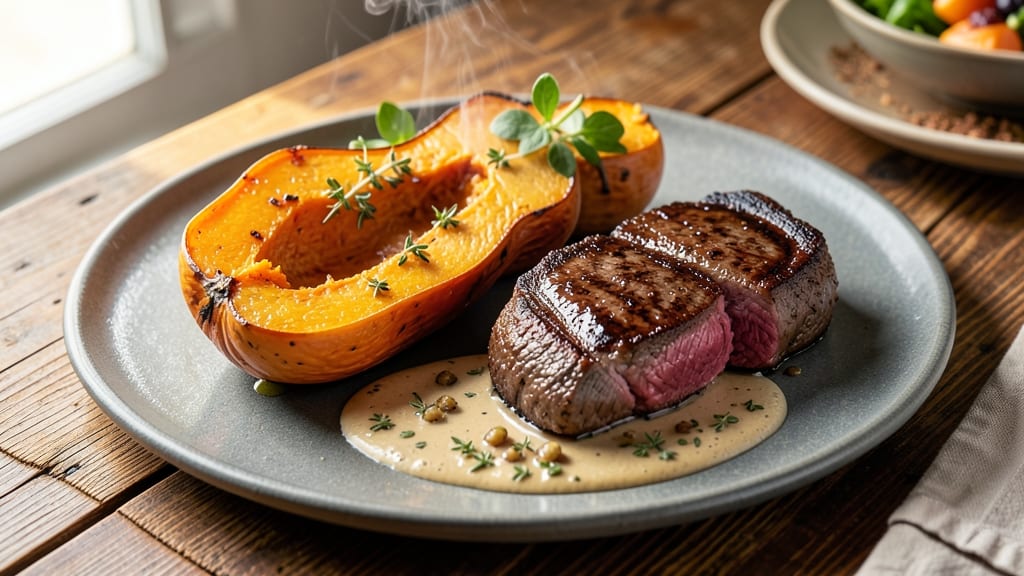
This acorn squash beef recipe transforms humble ingredients into a steakhouse-worthy meal where caramelized squash meets perfectly seared beef. The natural sweetness of the roasted squash balances the rich, savory beef, creating a dish that feels both elegant and comforting.
I developed this recipe after realizing how often we overlook acorn squash's potential as more than just a side dish—it deserves center stage alongside quality beef cuts.
The secret lies in the preparation: roasting the acorn squash until its flesh becomes tender and caramelized, then pairing it with beef that's cooked to your preferred doneness.
Whether you choose a tender steak, hearty beef stew, or braised beef short ribs, the contrast of textures and flavors makes every bite satisfying. This dish comes together in one pan for easy cleanup, making it perfect for weeknight dinners that still feel special.
What you'll end up with is a restaurant-quality meal where each component complements the other—golden, buttery squash that's sweet yet earthy, paired with juicy, flavorful beef that's cooked to perfection. The dish balances rich and sweet flavors beautifully, making it versatile enough for family dinners or intimate gatherings.
The best part? It's a complete meal that requires minimal effort but delivers maximum impact.
Serve with a simple side of wild rice or a fresh green salad to round out the meal, and consider drizzling with a red wine reduction for an extra touch of sophistication.
This recipe proves that with the right techniques, even simple ingredients can create a dish that feels like a celebration. Let's get cooking!
Ingredients for acorn squash beef
Sweet caramelized squash meets perfectly seared beef—just 13 ingredients for a restaurant-worthy meal.
| Ingredient | Amount | Notes |
|---|---|---|
| Acorn Squash 🍠 | 1 whole | Medium-sized, halved and seeded |
| Ribeye Steak 🥩 | 1 ½ lb | 1-inch thick cuts preferred |
| Olive Oil 🫒 | ½ cup | Extra-virgin, for roasting |
| Unsalted Butter 🧈 | 4 tbsp | Cold, cubed for searing |
| Garlic Cloves 🧄 | 6 cloves | Minced for seasoning |
| Fresh Thyme 🌿 | ¼ cup | Leaves only, chopped |
| Fresh Rosemary 🌿 | ⅛ cup | Needles only, chopped |
| Kosher Salt 🧂 | 2 tbsp | Diamond Crystal preferred |
| Ground Black Pepper 🌶️ | 1 tbsp | Freshly cracked |
| Balsamic Vinegar 🍷 | 2 tbsp | For drizzling |
| Red Wine 🍷 | ½ cup | Bold dry variety like Cabernet |
| Beef Broth 💧 | ½ cup | Low-sodium preferred |
| Wild Rice Blend 🌾 | 1 cup | Uncooked, for serving |
The acorn squash is the star here. Grab a medium-sized one—about 1.5 pounds—with smooth, unblemished skin. Local farmers markets often have the freshest, but grocery stores carry them too. Look for squash that feels heavy for its size, a sign of sweetness. Halve it lengthwise, scoop out the seeds, and roast cut-side down for maximum caramelization. The beef matters just as much—ribeye with good marbling gives the best flavor. I always buy mine from Costco or Whole Foods when possible, but the butcher counter at your grocery store will have quality cuts too. Season the beef generously with salt and pepper right before searing—don't do it ahead of time or it'll draw out too much moisture.
No ribeye? Sirloin or New York strip work just as well—just sear them a bit longer for similar results. Running short on red wine? Beef broth with a splash of balsamic gives the same depth of flavor. Fresh herbs are ideal, but dried thyme and rosemary at half the amount will work in a pinch. The wild rice blend can be swapped for brown rice or quinoa if you prefer. For the squash, if you can't find acorn, butternut or kabocha squash will work—just adjust cooking time slightly. And if you're worried about the squash being too sweet, a sprinkle of smoked paprika in the roasting pan balances it perfectly.
Roasted squash keeps well in the fridge for 4-5 days—store it in an airtight container with a paper towel to absorb moisture. The cooked beef reheats beautifully, though it's best enjoyed fresh. For meal prep, portion the squash and beef separately and reheat in the oven at 350°F for 15-20 minutes. The red wine reduction (if you make it) freezes for up to 3 months, though I prefer making it fresh. The wild rice holds up for 3-4 days in the fridge, so cook extra and use it in salads or bowls throughout the week. This dish tastes even better the next day as the flavors meld together—perfect for leftovers.
Why You'll Love This Recipe
- Here’s what sold me: the steak stays juicy for days, and the squash actually improves overnight. Pack it for lunch or reheat it—no sad, dry meat here. Plus, using a ribeye keeps costs down while still feeling like a splurge. Win-win.
- One-Pan Magic: Honestly, this is the kind of dish where you roast the squash and sear the steak on the same sheet—no extra pans, no washing up. The squash caramelizes while the steak gets that perfect crust, and the garlic butter pools right in the pan for easy basting.
- Rich, Smoky Depth: That ribeye brings serious beefy satisfaction, but the roasted acorn squash? Sweet, nutty, and tender—like a hug for your taste buds. Toss in a glug of olive oil and roasted garlic, and suddenly you’ve got restaurant-quality flavor without the fuss.
- Weeknight to Weekend: Between us, this works for everything. Too tired for dinner? Throw it together in 40 minutes. Hosting friends? The squash feeds a crowd, and the steak feels fancy without trying. Even my picky teenager asks for seconds—high praise.
Step-by-step instructions for acorn squash beef recipe
Here's how to balance caramelized squash sweetness with perfectly seared ribeye in one cohesive dish.
Roast the Acorn Squash Until Tender
Preheat your oven to 400°F. Cut the 1 whole acorn squash in half lengthwise and scoop out the seeds, leaving a ¼-inch thick shell intact. Brush both halves generously with 0.25 cup olive oil to create a protective barrier against drying out.
Place the squash halves cut-side down on a parchment-lined baking sheet. Roast for 30 minutes until the skin begins to soften and the edges turn translucent. Flip the squash and continue roasting for another 20-25 minutes until a knife slides in easily and the flesh yields slightly when pressed.
Remove from the oven and let cool for 5 minutes before scraping the tender flesh into a bowl. The texture should be fork-tender but still hold its shape when sliced. Reserve the roasted squash for later - its natural sweetness will complement the savory steak beautifully.
Sear the Ribeye with Herb Butter
While the squash roasts, prepare the 1.5 lb ribeye steak by patting it completely dry with paper towels. This step is crucial for achieving that perfect crust. In a small bowl, combine 4 tbsp cold unsalted butter, 6 cloves minced garlic, 0.25 cup chopped fresh thyme, and 0.125 cup chopped fresh rosemary.
Heat a heavy skillet over high heat until it's smoking hot. Add the ribeye and sear for 3-4 minutes per side for medium-rare doneness. In the last minute of searing, press the herb butter mixture onto the steak surface to create a flavorful crust. The butter should melt and sizzle dramatically - this is your signal that the steak is nearly done.
Transfer the steak to a cutting board and let it rest for 10 minutes before slicing. This resting period allows the juices to redistribute throughout the meat, ensuring each bite remains tender and flavorful.
Create the Red Wine Reduction Sauce
In the same skillet used for searing (with all those flavorful browned bits), pour in 0.5 cup red wine and scrape up any fond from the bottom. Bring to a simmer and reduce by half, which should take about 3-4 minutes. The sauce should coat the back of a spoon and develop a rich, concentrated flavor.
Add 0.5 cup beef broth and continue simmering until the liquid reduces by another third. Stir in 2 tbsp balsamic vinegar and remove from heat. The sauce should now have a glossy sheen and slightly syrupy consistency. If it's too thick, thin with a splash of water or broth as needed.
Assemble and Serve the Complete Dish
Slice the rested ribeye against the grain into ¼-inch thick pieces. Arrange the sliced steak over the roasted acorn squash on warmed plates. Spoon the red wine reduction sauce generously over both components, allowing the sweetness of the squash to marry perfectly with the savory sauce.
To complete the dish, serve with 1 cup cooked wild rice blend on the side. The nutty texture of the wild rice provides a wonderful contrast to both the tender steak and caramelized squash. Each bite should offer a harmonious balance of sweet, savory, and umami flavors that make this dish truly memorable.
Pro Tips For Making Acorn Squash Beef
- SEAR THE STEAK FIRST: Get that ribeye screaming hot in a dry skillet before adding butter—cast iron works best. I used to toss it in with the squash, but a proper sear locks in juices and builds flavor you’ll taste in every bite, especially when the butter melts later.
- SCORE THE SQUASH: Cut the acorn squash in half lengthwise, then score the flesh in a crosshatch pattern before roasting. This lets the butter and garlic sink in deeper and prevents the skin from bursting like a sad balloon mid-cook.
- DON’T OVERCROWD THE PAN: If you’re roasting the squash and cooking the steak in the same pan, space them out. I learned this after smothering everything in steam—now I give the squash and steak room to crisp, not stew.
- SALT THE SQUASH HALVES: Sprinkle the cut sides of the acorn squash with salt before roasting—even if you’re using unsalted butter later. The salt draws out moisture, helping the skin crisp and the flesh caramelize instead of turning gummy.
Regional styles of these flavors
Southern Comfort Style
In the South, acorn squash and beef often meet in hearty stews or braised dishes. Try swapping the ribeye for chuck roast and cooking it low-and-slow with the squash in a Dutch oven.
Add 1 cup apple cider, 2 tbsp brown sugar, and 1 tsp smoked paprika to the red wine reduction for a sweet-savory Southern twist. Serve with cornbread for a true comfort food experience. 🍗
Italian-Inspired Version
For an Italian touch, replace the ribeye with beef tenderloin and add 1 cup San Marzano tomatoes to the red wine reduction. Stir in 1 tbsp tomato paste and ½ tsp red pepper flakes for depth.
Top the dish with grated Parmesan cheese and fresh basil. This variation works beautifully with a glass of Chianti. 🍷
French Bistro Adaptation
Transform this into a French bistro dish by using filet mignon instead of ribeye and adding a shallot and mushroom sauce. Sauté 8 oz mushrooms and 2 shallots in the same skillet after searing the steak, then deglaze with ½ cup white wine instead of red.
Serve with a side of crusty baguette for dipping. 🥖
Tex-Mex Fusion
Give it a Tex-Mex makeover by using flank steak marinated in 2 tbsp lime juice, 1 tbsp cumin, and 1 tsp chili powder.
Roast the squash with 1 tsp ground cumin and ½ tsp cayenne. Serve with black beans and avocado slices for a bold Southwest-inspired meal. 🌶️
Japanese-Inspired Miso Glaze
For a Japanese twist, sear the ribeye as directed, then brush it with a glaze made from 2 tbsp white miso paste, 1 tbsp mirin, and 1 tsp soy sauce.
Roast the squash with 1 tsp grated ginger and a drizzle of sesame oil. Garnish with toasted sesame seeds and serve with steamed jasmine rice. 🍜
Midwestern Farmhouse Twist
In the Midwest, this dish often features beef short ribs instead of steak. Braise the ribs with the squash in 2 cups beef broth and 1 cup apple juice for a tender, sweet-savory combination.
Top with crispy fried onions for extra crunch. This version is perfect for chilly autumn evenings. ❄️
Nutrition facts
Frequently asked questions
Can I substitute another type of squash?
Butternut or kabocha squash work beautifully—just adjust roasting time slightly since they have different densities. For best results, use a similar-sized squash with firm skin. The flavor profile will be slightly different but still delicious when paired with beef.
What's the best beef cut for this recipe?
Ribeye delivers the most flavorful results, but sirloin or New York strip work equally well. For a more budget-friendly option, try chuck roast—just braise it instead of searing. The key is choosing a cut with good marbling to complement the sweet squash.
How do I avoid overcooking the squash?
Roast at 400°F for exactly 50-55 minutes total (30 min cut-side down, 20-25 min cut-side up). Test doneness by inserting a knife—it should slide in easily but the flesh should still hold shape. Overcooking turns squash mushy, so keep an eye on it after the first 30 minutes.
Can I make this dish ahead of time?
Yes! Roast the squash and cook the beef separately, then store in airtight containers. Reheat the squash in the oven at 350°F for 15 minutes and the beef in a skillet for 2-3 minutes. The red wine sauce is best made fresh, but you can reheat it gently on the stove.
What if I don't have red wine?
No problem! Use beef broth with 2 tbsp balsamic vinegar for similar depth. For extra richness, add 1 tsp soy sauce or a pinch of smoked paprika. The sauce will still develop that wonderful concentrated flavor without alcohol.