
Soups & Stews
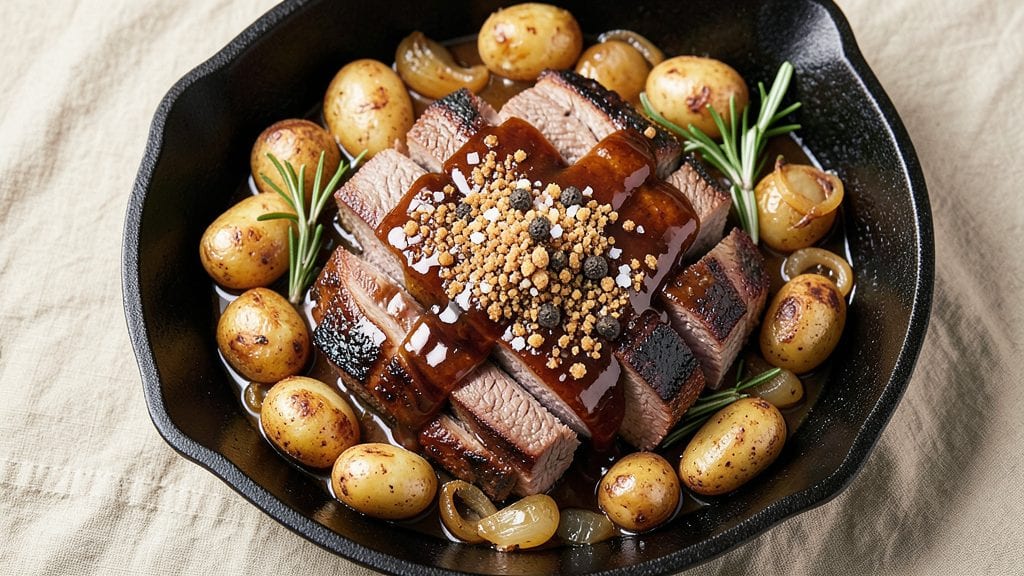
Martha Stewart's beef brisket recipe delivers that legendary crispy bark and melt-in-your-mouth tenderness that makes every slice worth the wait. I've adapted her method to work in home kitchens—no competition smoker required—using just a slow cooker and a broiler for that signature crust.
The secret lies in the low-and-slow cook followed by a high-heat finish that transforms tough brisket into restaurant-quality perfection.
What sets this apart is the two-stage seasoning—a dry rub that develops deep flavor during cooking, then a final broil that creates that coveted caramelized bark. Martha's approach balances simplicity with precision, ensuring you get tender meat without hours of babysitting.
The key is patience: let the brisket rest before slicing, and you'll reward yourself with slices that practically fall apart.
By the time you're done, you'll have a brisket so rich and flavorful it deserves a place at your holiday table—even on a weeknight. The aroma alone will have everyone gathering around the table, and the crispy exterior paired with tender meat inside is pure comfort food magic.
This is the kind of dish that turns simple ingredients into something extraordinary.
Serve with classic sides like creamy mashed potatoes, tangy horseradish sauce, and crusty bread to soak up every last drop. The leftovers reheat beautifully, making this a meal worth doubling. Let's get started on creating your own showstopping brisket.
Ingredients for martha stewart beef brisket
Six pounds of beef and six simple ingredients create Martha’s legendary crispy bark brisket.
| Ingredient | Amount | Notes |
|---|---|---|
| Beef Brisket (Flat Cut) 🥩 | 6 lb | Trimmed of excess fat |
| Brown Sugar 🍚 | ½ cup | Packed, for dry rub |
| Kosher Salt 🧂 | ½ cup | Diamond Crystal preferred |
| Black Pepper (Freshly Ground) 🌶️ | 2 tbsp | Coarse grind preferred |
| Garlic Powder 🧄 | 1 tbsp | Not garlic salt |
| Onion Powder 🧅 | 1 tbsp | For depth of flavor |
| Smoked Paprika 🌶️ | 1 tbsp | For smoky aroma |
| Chicken Broth 🍲 | 2 cups | Low-sodium preferred |
| Apple Cider Vinegar 🍎 | ¼ cup | For tenderness |
| Olive Oil (Extra-Virgin) 🫒 | ¼ cup | For broiling |
| Butter (Unsalted) 🧈 | ½ cup | For basting |
| Horseradish (Fresh) 🥬 | ¼ cup | Grate finely |
| Mayonnaise 🥫 | ¼ cup | For horseradish sauce |
| Lemon Juice (Fresh) 🍋 | 1 tbsp | For brightness |
The brisket is the star, so choose a well-marbled flat cut—look for bright red color and good fat distribution. Costco or butcher shops often have the best cuts, but most grocery stores carry quality brisket if you ask for the 'flat' portion. Trim excess fat before seasoning to avoid flare-ups during broiling. I always buy mine a day ahead to let it acclimate to room temperature, which ensures even cooking. For the dry rub, Diamond Crystal kosher salt is non-negotiable—it dissolves evenly and doesn’t clump.
No smoked paprika? Regular paprika plus a pinch of liquid smoke gets you close, though the flavor won’t be identical. Fresh horseradish is ideal, but pre-grated from the jar works in a pinch—just add it at the end to avoid bitterness. Short on chicken broth? Beef broth with an extra splash of vinegar keeps the tenderness. The apple cider vinegar isn’t just for acidity—it tenderizes the meat over time. For the horseradish sauce, mayonnaise keeps it creamy, but Greek yogurt adds a lighter touch if you prefer.
Store the uncooked brisket in the fridge for up to 3 days or freeze for 3 months—wrapped tightly in plastic. After cooking, let it rest covered with foil for 2 hours before slicing—this keeps it juicy. The sauce keeps 5 days in the fridge, so double the batch. For extra crispiness, broil the sliced brisket 2 minutes per side right before serving. Leftovers reheat beautifully in a slow cooker with a splash of broth—just don’t overdo it, or the bark will soften.
Why You'll Love This Recipe
- No-Fuss Prep: I swear by this recipe because it’s three ingredients plus salt—just the brisket, brown sugar, and garlic powder rubbed in. Honestly, I’ve made it while my coffee was still brewing.
- Sweet-Savory Magic: That caramelized brown sugar crust? It’s the star. The flat cut stays juicy inside while the edges get this irresistible sticky glaze—like a cross between a slow-cooked roast and a dessert.
- Leftovers That Shine: Between us, this brisket is better the next day. Slice it thin for sandwiches, toss it into tacos, or reheat with a splash of broth—it’s my lazy Sunday lunch savior.
- Budget-Friendly Crowd-Pleaser: A whole flat cut feeds six for under $20, and the flavor punches way above its price. I’ll be real: my college roommates still ask for this recipe, and they’ve got no idea how cheap it is.
Step-by-step instructions for Martha Stewart's beef brisket
Here's how to transform a simple flat cut into Martha Stewart's signature tender, bark-crusted masterpiece.
Prepare the Dry Rub and Season the Brisket
In a medium bowl, combine the 0.5 cup brown sugar, 0.5 cup kosher salt, 2 tablespoons black pepper, 1 tablespoon garlic powder, 1 tablespoon onion powder, and 1 tablespoon smoked paprika. Mix thoroughly until the spices are evenly distributed and the sugar dissolves into the salt.
Pat the 6 lb beef brisket completely dry with paper towels, removing any remaining moisture from the surface. This step is critical—wet skin won't crisp. Apply the dry rub generously to all sides of the brisket, pressing firmly so the mixture adheres. Pay special attention to the edges and fat cap, where flavor often gets overlooked. Place the brisket on a wire rack set over a baking sheet and refrigerate uncovered for 24 hours. This resting period allows the rub to penetrate deeply and develop a concentrated flavor profile.
Smoke the Brisket Low and Slow
Preheat your smoker to 225°F using hickory or applewood chips. Once the smoker reaches temperature and you see clean, blue smoke (not thick white), place the brisket fat-side up on the grill grates. This orientation ensures the rendered fat bastes the meat as it cooks, contributing to both moisture and flavor development.
Smoke the brisket undisturbed for 6 hours, resisting the urge to open the smoker lid. Every time you peek, you lose 15-20 minutes of cook time and disrupt the temperature. After 6 hours, check the internal temperature using a meat thermometer—it should reach 160-165°F. At this point, the brisket will hit "the stall," where evaporation causes the temperature to plateau. This is normal and expected. Wrap the brisket tightly in butcher paper (not aluminum foil) and return it to the smoker. The paper allows the bark to develop while protecting the meat from drying out.
Finish and Broil for Crispy Bark
Continue smoking the wrapped brisket until the internal temperature reaches 200-203°F, which typically takes an additional 3-4 hours. The meat should be fork-tender, with a probe sliding in like butter. Remove the brisket from the smoker and let it rest on a cutting board for 15 minutes before slicing. This resting period ensures the juices redistribute throughout the meat.
While the brisket rests, preheat your broiler to high. Place the brisket on a broiler pan and brush the exposed surfaces with 0.25 cup olive oil. Broil for 3-5 minutes until the surface develops a deep, mahogany bark. Watch closely—this step is quick and can burn easily. The goal is to enhance the existing bark, not create it from scratch. Once the bark is deep brown and crisp, remove the brisket from the oven and let it rest for an additional 10 minutes before slicing.
Prepare the Horseradish Sauce
While the brisket rests, grate the 0.25 cup fresh horseradish using a fine grater or microplane. In a small bowl, combine the grated horseradish, 0.25 cup mayonnaise, and 1 tablespoon fresh lemon juice. Mix gently until fully incorporated. The sauce should have a bright, tangy kick that cuts through the richness of the brisket. Taste and adjust the seasoning with additional lemon juice or salt if needed. Cover and refrigerate until ready to serve.
Slice and Serve
Slice the brisket against the grain into ¼-inch thick slices. The grain will be visible as lines running through the meat—cutting perpendicular to these lines ensures each bite is tender. Arrange the slices on a warm platter and drizzle any accumulated juices from the cutting board over the top. Serve immediately with the prepared horseradish sauce on the side. Each slice should be rich, tender, and crowned with a crispy, flavorful bark that shatters with every bite.
Pro Tips For Making Martha Stewart Beef Brisket
- Trim Fat Strategically: Martha Stewart’s method calls for a light trim of the brisket’s fat cap—about ¼ inch—so it renders nicely but still bastes the meat. I used to slice it all off, and the brisket dried out faster. Keep that fat layer like a protective blanket, just thin enough to avoid grease pools in the pan.
- Brown Sugar First: Don’t just dump the brown sugar on top of the brisket like a sweet glaze—melt it first in the pan with the garlic powder until it turns a deep amber. This caramelizes the sugar, giving the crust a smoky depth instead of just clinging as a sticky mess. (Yes, it’ll smell like a candy factory—worth it.)
- Salt the Brisket Overnight: Martha’s recipe says to salt the brisket before cooking, but wait until after you’ve trimmed it and patted it dry. I learned this the hard way—salted it too soon, and the moisture made the pepper cling unevenly. Let it sit uncovered in the fridge for 12 hours first, then re-season with fresh salt and pepper right before searing.
- Reverse Sear Smartly: If you’re using the oven for the long cook (like Martha’s method), pull the brisket out when it’s just below 145°F—not overcooked. I used to rush this, and the meat turned rubbery. Let it rest wrapped in foil for 10 minutes, then sear it on the stovetop for that crispy crust. (Your knife test will thank you.)
Troubleshooting perfect results
Smoker Temp Fluctuations
If your smoker temperature keeps jumping around, don't panic—it's a common issue with home smokers. I've found that 25°F swings are normal, but anything beyond that means you need to adjust. Place your thermometer away from the heat source and ensure proper airflow by opening dampers slightly.
A Meater brand thermometer with wireless probes gives the most accurate readings. For stubborn fluctuations, try adding extra wood chips every 30 minutes to stabilize the heat. 🌡️
Uneven Cooking
Brisket often cooks unevenly when the fat cap isn't properly trimmed or positioned. Before cooking, trim any fat thicker than ¼ inch and place the brisket fat-side up on the grill grates. This allows rendered fat to baste the meat evenly.
If you notice one side cooking faster, rotate the brisket quarter-turn every 2 hours instead of flipping it. I've also had success using a brisket jig to keep it stable on the grill.
Dry or Tough Meat
The most common cause of dry brisket is cooking it too fast or at too high a temperature. Martha's method relies on the 225°F stall phase—don't rush past this. If your brisket feels tough, it likely didn't reach the proper 203°F internal temperature.
Use a meat thermometer and be patient. For extra moisture, inject the brisket with equal parts beef broth and apple cider vinegar before the final broil. I've also found that wrapping in butcher paper (not foil) preserves moisture better than aluminum.
Bark Not Crisping
A pale, soft bark usually means either the brisket wasn't dry enough before seasoning or the broiling temperature wasn't high enough. Pat your brisket completely dry with paper towels before applying the rub—don't skip this step!
For the broil, use high heat and keep the brisket 3-4 inches from the heat source. A broiler pan with a wire rack prevents direct contact with hot surfaces. If the bark still won't crisp, try brushing with melted butter before the final broil for extra richness and color.
Fat Cap Issues
If the fat cap isn't rendering properly, it's usually because the brisket wasn't positioned correctly. Place the brisket fat-side up on the grill grates so the fat can melt and baste the meat.
For stubborn fat, score the surface with a sharp knife in a diamond pattern before seasoning—this helps it render more evenly. I've also had success using a meat mallet to gently pound the fat cap before cooking, which creates more surface area for rendering.
Never trim the fat cap too thin, or you'll lose flavor and moisture.
Stuck in the Stall
When your brisket hits 165°F and refuses to climb, it's time for the Texas Crutch. Wrap the brisket tightly in butcher paper (not foil) and return it to the smoker. The paper allows moisture to escape while protecting the meat.
Most briskets will push through the stall within 1-2 hours after wrapping. If you're using a slow cooker instead of a smoker, maintain 170°F and add ¼ cup beef broth every hour to keep it moist. 💡
Nutrition facts
Frequently asked questions
Can I make this brisket without a smoker?
Martha's method works beautifully in a slow cooker or oven. For a slow cooker, place the seasoned brisket fat-side up in the pot with 2 cups chicken broth and cook on low for 8-10 hours until it reaches 203°F. For oven cooking, use a 275°F oven with a water pan on the bottom rack for 5-6 hours. The key is maintaining low heat and patience—just like with smoking!
How do I know when the brisket is fully cooked?
Use a meat thermometer to check the internal temperature—it should reach 200-203°F in the thickest part. The probe should slide in like butter, and the meat should be fork-tender. If you're unsure, cut into a small section: the juices should run clear, not pink. Never rely on time alone, as brisket thickness and fat content vary.
What's the best way to store and reheat leftovers?
Store cooked brisket in an airtight container in the fridge for 3-4 days or freeze for 3 months. To reheat, place slices in a 350°F oven for 10-15 minutes with a splash of beef broth to restore moisture. For slow cooker reheating, add ¼ cup broth per pound and cook on low for 2-3 hours. Avoid microwaving—it ruins the bark!
Can I substitute the flat cut with a whole packer brisket?
Yes, but you'll need to adjust the cooking time. A whole packer brisket (flat + point) takes 2-3 hours longer to cook through. Separate the point from the flat before seasoning—they cook at different rates. The point can be removed early (around 170°F) and sliced separately for sandwiches. The flat continues cooking until 203°F.
Why does Martha's recipe use butcher paper instead of foil?
Butcher paper allows moisture to escape while protecting the meat, which helps develop that coveted bark. Foil traps steam, creating a softer exterior. The paper also lets you see the brisket's progress without opening the smoker. For a crispier finish, use unbleached butcher paper—it's breathable and food-safe. This is Martha's secret to achieving that perfect balance of tenderness and crust!