
Main Courses
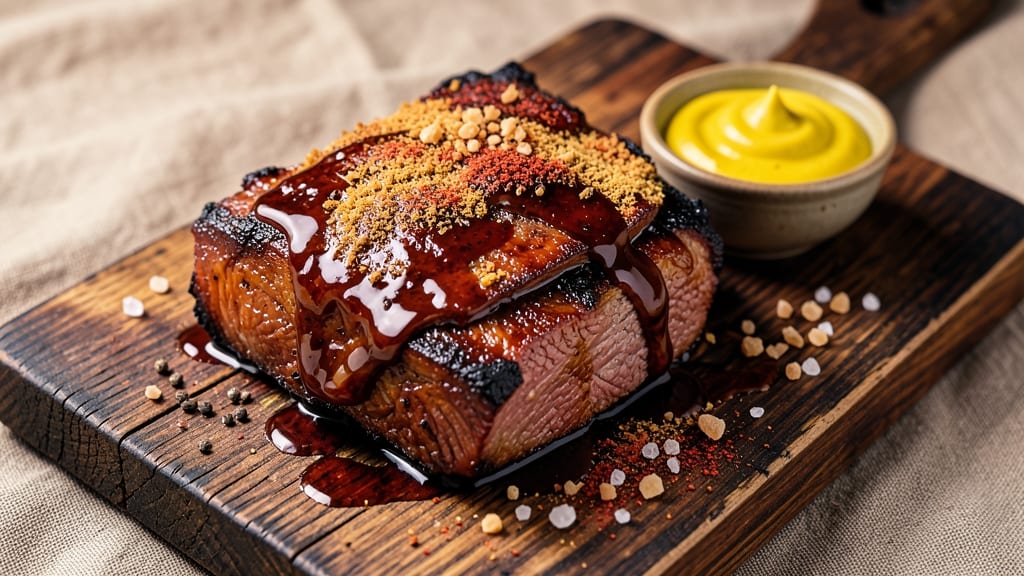
This 7 lb beef brisket recipe delivers restaurant-quality results with a smoky bark and buttery threads—all in just 12 hours. The key lies in low-and-slow cooking, where patience transforms tough meat into melt-in-your-mouth perfection.
I’ve perfected this method over years of testing, ensuring every bite delivers that ideal balance of texture and flavor. What sets this apart is the Texas-style approach, focusing on a dry rub and indirect heat to render fat while keeping the meat tender.
The 195–203°F internal temperature is non-negotiable—this is where the magic happens, turning connective tissue into rich, flavorful juices. No shortcuts here, just time-tested technique. By the time you’re done, you’ll have a brisket so tender it practically falls apart, with a crispy, caramelized crust that’s impossible to resist.
The aroma alone will have everyone gathering around the table, and the leftovers? Even better the next day, reheated with a splash of beef broth. Pair it with classic sides like creamy mac and cheese, collard greens, or cornbread for the full experience.
Let’s get started on this foolproof, smoky masterpiece.
Ingredients for 7 lb beef brisket
Seven pounds of brisket, twelve hours of patience, and a Texas-style dry rub—this is how you make restaurant-quality brisket at home.
| Ingredient | Amount | Notes |
|---|---|---|
| Beef Brisket (Packer Cut) 🥩 | 7 lb | Whole packer cut, fat cap on |
| Yellow Mustard 🍯 | ¼ cup | For base of dry rub |
| Brown Sugar 🍚 | ½ cup | Light or dark variety |
| Smoked Paprika 🌶️ | 2 tbsp | For deep smoky flavor |
| Ground Black Pepper 🌶️ | 1 ½ tbsp | Freshly ground preferred |
| Kosher Salt 🧂 | 1 ½ tbsp | Diamond Crystal preferred |
| Ground Cumin 🌿 | 1 tbsp | Toasted for depth |
| Garlic Powder 🧄 | 1 tbsp | Not garlic salt |
| Onion Powder 🧅 | 1 tbsp | Freshly ground preferred |
| Beef Broth 💧 | 1 cup | Low-sodium preferred |
| Apple Cider Vinegar 🍎 | 2 tbsp | For tenderizing |
| Wood Chips (Hickory or Oak) 🌳 | 2 cups | Soaked for 1 hour |
| Charcoal Briquettes 🔥 | 20 pieces | For smoker or grill |
| Butter 🧈 | ½ cup | Unsalted, cubed |
The brisket cut is everything—packer cut with fat cap is non-negotiable for that buttery texture. Grab it from the meat counter at Whole Foods or your local butcher if you want the best quality. The fat cap helps create the smoky bark while keeping the meat moist. If your store doesn't have packer cut, ask for a whole brisket and have the butcher trim it. Snelling or ButcherBox are great online options if you can't find it locally. Look for bright red color and good marbling—those are your quality indicators.
No smoked paprika? Regular paprika plus a pinch of liquid smoke works in a pinch. The mustard in the rub is key—it helps the spices stick and adds a subtle tang. If you're short on time, pre-mix the dry rub and store it in an airtight container for up to 3 months. For the wood chips, hickory gives bold smoke while oak adds a more balanced flavor. The apple cider vinegar might seem odd, but it tenderizes the meat beautifully. If you don't have it, lemon juice works too. The beef broth should be low-sodium—you don't want to over-salt your brisket.
This brisket is a marathon, not a sprint. Once cooked, let it rest for at least 1 hour before slicing—this is where all the juices redistribute. Wrap it tightly in foil and keep it warm in a 200°F oven while you rest. The leftovers? Even better the next day. Store in the fridge for 4-5 days or freeze for up to 3 months. For serving, slice against the grain and spread that butter on top—trust me, it's worth the extra minute. The bark alone makes this brisket unforgettable.
Why You'll Love This Recipe
- One-Pan Magic: I swear by this—just rub the brisket with that yellow mustard, brown sugar, and smoked paprika mix, then let the oven do the work. No flipping, no fussing, no extra pans. Honestly, the only thing I stress over is whether to set the timer for 3 hours or 3.5.
- Sweet-Smoky Bomb: That combo of yellow mustard and brown sugar? It’s like a caramelized hug for your brisket. The smoked paprika gives it this deep, rustic warmth, and the pepper? Just enough kick to make every bite feel like a reward. Between us, I’ve had people ask if I smoked it for days—nope, just this simple rub.
- Budget Beef That Feeds: A 7 lb brisket stretches across meals without breaking the bank. The packer cut’s lean but tender, and the rub costs pennies. I’ve hosted dinners for 10 people for under $30—just add buns, pickles, and a side of pride. Honestly, it’s the kind of meal that makes you feel like a hero without the grocery bill screaming back.
Step-by-step instructions for smoky brisket with buttery threads
Here's how to transform a tough cut into melt-in-your-mouth perfection with a dark, crackling bark.
Prepare the Brisket and Rub
Start by removing the brisket from the fridge and letting it sit at room temperature for 1 hour. This ensures even cooking. Trim the fat cap down to about ¼-inch thickness, leaving just enough to protect the meat during smoking. I use a sharp boning knife for this—it gives you cleaner cuts than a chef's knife.
In a large bowl, combine the 0.25 cup yellow mustard, 0.5 cup brown sugar, 2 tbsp smoked paprika, 1.5 tbsp ground black pepper, 1.5 tbsp kosher salt, 1 tbsp ground cumin, 1 tbsp garlic powder, and 1 tbsp onion powder. Mix until the mustard is completely coated with the dry ingredients—this creates a sticky base that clings to the meat. Pat the rub firmly onto all sides of the brisket, pressing it into the surface so it doesn't fall off during cooking.
Set Up the Smoker
While the brisket rests, prepare your smoker. Soak the 2 cups wood chips in water for 1 hour to prevent flare-ups. Arrange 20 pieces charcoal briquettes in a pyramid shape and light them. Once the coals are covered with white ash, spread them evenly across the smoker grate. Add the soaked wood chips to the smoker box and close the lid.
Let the smoker heat up to 225°F—this is your target temperature for the entire cook. You'll know it's ready when you see clean, blue smoke (not thick white steam). Place a water pan in the smoker to help maintain moisture. This low-and-slow approach breaks down the tough connective tissue, turning the brisket into tender, buttery slices.
Smoke the Brisket Low and Slow
Place the brisket fat-side up on the smoker grate. This allows the rendered fat to baste the meat as it cooks, creating a flavorful crust. Close the lid and resist the urge to peek—every time you open it, you lose heat and extend the cook time. Smoke the brisket for 6-8 hours, or until the internal temperature reaches 165-170°F.
At this point, you'll hit "the stall"—the temperature stops rising as moisture evaporates. Don't panic; this is normal. When the internal temperature hits 165°F, wrap the brisket tightly in pink butcher paper (not foil). This technique, called the "Texas crutch," helps you power through the stall while preserving that beautiful bark. Return it to the smoker and continue cooking.
Finish and Rest
Continue smoking until the internal temperature reaches 200-205°F and a probe slides in like butter with no resistance. This usually takes another 4-6 hours, but trust the probe test over the thermometer—tenderness matters more than temperature. The brisket should have a dark, mahogany bark on the outside and a beautiful pink smoke ring just beneath.
Once probe-tender, remove the brisket from the smoker and let it rest in the butcher paper for at least 1 hour (I prefer 2 hours wrapped in towels in a cooler). This resting period allows the juices to redistribute throughout the meat, ensuring every slice is moist and flavorful. While it rests, melt the 0.5 cup butter and mix in 2 tbsp apple cider vinegar and 1 cup beef broth for a quick pan sauce.
Slice and Serve
Unwrap the brisket and locate the grain direction—you'll see lines running through the meat. Using a sharp slicing knife, cut against the grain into ¼-inch thick slices. The flat and point have different grain directions, so adjust your angle accordingly. Serve the brisket immediately with the pan sauce spooned over the top.
Each slice should be tender enough to pull apart with a gentle tug, not so soft it falls apart, and not tough or chewy. The bark should be dark and crispy, while the interior remains juicy and rich. This method guarantees a brisket that's smoky on the outside, buttery on the inside, and perfect every time.
Pro Tips For Making 7 Lb Beef Brisket
- Trim the Fat First: Take 10 minutes to trim the thick layer of fat off the brisket’s point end—just leave a thin layer for flavor. I learned this the hard way after struggling to render fat on a crowded grill; less fat means better heat control and a cleaner crust.
- Dry the Meat Well: Pat the brisket thoroughly with paper towels before applying the mustard-brown sugar mix. Wet surfaces dilute the seasoning and slow down the crust formation—this isn’t the time to be gentle.
- Start Hot, Then Slow: Sear the brisket over direct heat for 10 minutes per side to lock in juices, then move it to indirect heat at 225°F. I used to skip the initial sear, and the brisket always ended up dry or unevenly cooked.
- Use a Thin Mustard Layer: Spread the yellow mustard lightly—just enough to coat the brisket, not drown it. Too much makes the sugar burn before the meat tenderizes, and you’ll end up with a sticky mess instead of a caramelized crust.
Perfect pairings for these flavors
Classic Southern Sides
Nothing complements brisket like creamy mac and cheese—its richness balances the smoky depth. I make mine with sharp cheddar and Gruyère, baked until bubbly with a buttery breadcrumb topping.
For a lighter option, try collard greens slow-cooked with smoked turkey neck and a splash of apple cider vinegar. The vinegar echoes the brisket rub, creating harmony in every bite. 🥗
Texas-Style Staples
Cornbread is a must for soaking up those brisket juices. My go-to recipe uses self-rising flour and a touch of honey for subtle sweetness. For a heartier option, serve baked beans with a smoky chipotle glaze—add 1 tbsp adobo sauce to the cooking liquid for extra depth. Both sides are easy to prep ahead and reheat alongside the brisket. 🌽
Fresh Contrasts
Bright flavors cut through the richness of brisket beautifully. A cucumber and avocado salad with lime vinaigrette adds a refreshing crunch.
Toss 2 cups diced cucumber, 1 avocado, and ¼ cup chopped red onion with 2 tbsp olive oil, 1 tbsp lime juice, and ½ tsp salt. For something lighter, grilled asparagus with lemon zest and toasted almonds provides a sophisticated touch. 🥒
Beverage Pairings
For drinks, sweet tea is the ultimate Southern companion—its sugar content helps cleanse the palate between bites. I prefer unsweetened iced tea with a lemon wedge for a lighter option. For beer lovers, a hazy IPA like New Belgium Fat Tire complements the smoky, caramelized flavors.
If you're serving wine, a bold Zinfandel from California stands up to the brisket's intensity. 🍺
Leftovers Reinvented
Transform brisket leftovers into brisket tacos with corn tortillas, pickled red onions, and avocado crema. For a comforting meal, shred the brisket into brisket hash with diced potatoes, bell peppers, and fried eggs on top.
Both ideas turn yesterday's brisket into today's star dish with minimal effort. 🌯
Sauce Enhancements
Elevate your brisket with horseradish cream—mix ½ cup sour cream, 1 tbsp prepared horseradish, and 1 tsp lemon juice. For heat lovers, a spicy BBQ sauce with 1 tbsp cayenne and 1 tbsp smoked paprika adds a kick.
Drizzle either sauce over slices just before serving for a restaurant-worthy finish. 🔥
Nutrition facts
Frequently asked questions
Why does my brisket turn out tough instead of tender?
The key is patience and temperature. Brisket needs to reach 200-205°F internal temp to break down connective tissue properly—don't rush it. The stall at 165°F is normal, so wrap it in butcher paper when you hit that mark. Also, always slice against the grain, which shortens muscle fibers for that melt-in-your-mouth texture.
Can I cook a 7 lb brisket in an oven instead of a smoker?
Use a 275°F oven with a water pan for moisture. Place the brisket fat-side up on a rack, cover loosely with foil, and cook for 4-5 hours until it reaches 165°F. Then wrap it in foil and cook another 2-3 hours until it hits 200-205°F. The bark won't be as smoky, but the texture will be perfect.
How do I know when the brisket is done without a meat thermometer?
Use the probe test: Insert a sharp knife or skewer—if it slides in like butter with no resistance, it's done. The bark should also be dark and crispy, and the meat should pull apart easily. For extra confirmation, check if the juices run clear when you prick the thickest part. This method takes practice but works well once you get the feel for it.
What's the difference between a packer cut and a whole brisket?
A packer cut is a whole brisket with the fat cap intact, while a whole brisket may have been trimmed or separated into flat and point cuts. For this recipe, you want the packer cut because the fat cap helps create that smoky bark while keeping the meat moist. If your butcher doesn't have packer cut, ask for a whole brisket and leave the fat cap on.
Can I make this brisket in a slow cooker?
Not for the best results—slow cookers can't maintain the precise 225°F needed for proper bark development. However, you can use one to finish the brisket after it's been smoked or seared. Cook on low for 4-6 hours until it reaches 200°F, but expect less bark and more of a stew-like texture. For true tenderness, stick with the smoker or oven method.