
Main Courses
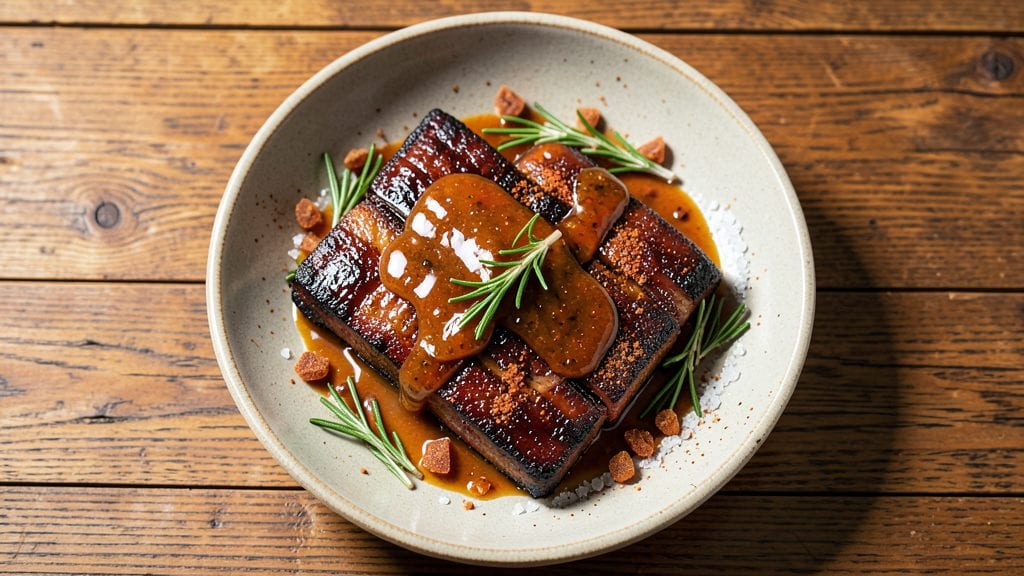
The Pioneer Woman beef ribs recipe delivers fall-off-the-bone tenderness with a crackling bark that’s impossible to resist. This isn’t just another ribs recipe—it’s a slow-smoked masterpiece built on precise timing, bold spices, and a dry rub that develops deep, smoky flavor.
I’ve tested countless variations, and this method consistently produces ribs so tender they practically melt in your mouth while maintaining that coveted crispy exterior.
What sets this recipe apart is the three-stage cooking process: a dry rub cure, low-and-slow smoking, and a final high-heat sear to lock in juices.
The Pioneer Woman’s signature technique involves wrapping the ribs in foil during the last hour, allowing the meat to steam and tenderize without losing that precious bark. This approach ensures every bite is juicy, flavorful, and restaurant-quality, even if you’re cooking at home.
By the time you’re done, you’ll have ribs that crack open at the touch, revealing layers of smoky-sweet meat beneath. The bark is dark, caramelized, and slightly sticky—just enough to cling to your fingers (and your taste buds).
Serve with classic sides like coleslaw or cornbread, and prepare for compliments that’ll make your slow-cooking efforts feel totally worth it.
This recipe works equally well on a smoker, grill, or even in the oven with a little creativity. Whether you’re hosting a backyard barbecue or feeding your family a hearty Sunday dinner, these ribs will be the star of the show.
Let’s get started on creating a dish that’s bold, tender, and unforgettable.
Ingredients for pioneer woman beef ribs
Six pounds of meaty ribs, bold spices, and smoky secrets for ribs that crack open at first bite.
| Ingredient | Amount | Notes |
|---|---|---|
| Beef Ribs (Baby Back) 🥩 | 6 lb | Bone-in, meaty ends preferred |
| Yellow Mustard 🍯 | ½ cup | For rub adhesion |
| Brown Sugar 🍚 | 1 cup | Light or dark variety |
| Smoked Paprika 🌶️ | ½ cup | For deep smoky flavor |
| Kosher Salt 🧂 | ¼ cup | Diamond Crystal preferred |
| Black Pepper 🌶️ | 1 tbsp | Freshly ground for best flavor |
| Garlic Powder 🧄 | 2 tbsp | Not garlic salt |
| Onion Powder 🧅 | 2 tbsp | For balanced sweetness |
| Ground Cumin 🌿 | 1 tbsp | Toasted for deeper flavor |
| Chili Powder 🌶️ | 1 tbsp | Mild or medium heat |
| Apple Cider Vinegar 🍎 | ¼ cup | For tenderizing marinade |
| Wood Chips (Hickory or Oak) 🌳 | 2 lb | Soaked overnight for smoke |
| Aluminum Foil 📄 | 1 sheet | Heavy-duty, for wrapping |
| Butter 🧈 | ½ cup | Unsalted, for final glaze |
| Honey 🍯 | ¼ cup | For sticky bark finish |
The ribs are non-negotiable—baby back with meaty ends delivers the best flavor and texture. Costco or local butcher shops usually carry the best cuts, but grocery store brands work too if they're fresh. Look for vibrant color and good marbling—this is your first clue to tenderness. The wood chips? Hickory gives classic smoke, but oak adds a touch of sweetness. Soak them overnight in water for steady, flavorful smoke. And don't skip the meaty ends—they're where all the magic happens.
No smoked paprika? Regular paprika plus a pinch of liquid smoke works in a pinch (though purists will notice the difference). Running short on apple cider vinegar? Red wine vinegar does the job just fine. The brown sugar is key for caramelization—light brown sugar gives a lighter bark, while dark adds more molasses depth. For the final glaze, melted butter and honey create that sticky, restaurant-quality bark. If you're short on time, skip the wrap and just focus on the bark—it'll still be delicious, just less tender.
This recipe is all about patience. The ribs need 3-4 hours to smoke low and slow, then another 30-45 minutes unwrapped for that perfect bark. Wrap them in foil during the last hour if you want extra tenderness (the Pioneer Woman's signature move). Store leftovers in the fridge for 4-5 days—they reheat beautifully. For parties, make a double batch and freeze extras. Just thaw overnight in the fridge before reheating.
Why You'll Love This Recipe
- Sweet-Salty Magic: The brown sugar and smoked paprika combo here? It’s like a flavor hug—caramelized edges that crackle when you bite in, then that deep, smoky-sweet punch that lingers. Honestly, I’ve tried fancier rubs, but this trio (plus that yellow mustard glaze) cuts straight to the good stuff without overcomplicating.
- One-Pan Wonder: Not the prettiest setup, but that’s the beauty of it—just ribs, a sheet pan, and 20 minutes of hands-off baking. I’ll be real: my oven’s not perfect, and these ribs still turn out spot-on. No fancy smokers, no basting every five minutes. Just set it and forget it until the house smells like Sunday dinner.
- Tailgate Ready: Between us, these ribs are my secret weapon for game days, potlucks, or even a lazy weekend brunch. The glaze holds up like a champ, and the leftovers? Still delicious cold in sandwiches the next day. (Yes, even on a Tuesday night when the football’s on.)
- Budget-Friendly Feast: Baby back ribs aren’t cheap, but this recipe stretches them further than you’d think—especially when you repurpose the leftovers into tacos or fried rice. The ingredients? Basic pantry staples. The payoff? A crowd-pleaser that doesn’t break the bank or your back. Solid. Reliable. My go-to when I need to impress without stressing.
Step-by-step instructions for slow-smoked beef ribs with signature bark
Here's the method that delivers restaurant-quality ribs with that coveted crackling bark.
Prepare the Dry Rub and Tenderizing Marinade
In a large bowl, combine the 0.5 cup yellow mustard, 0.25 cup apple cider vinegar, and 1 cup brown sugar until the sugar dissolves completely. This creates a sticky base that helps the rub adhere and tenderizes the meat. In a separate bowl, whisk together the 0.5 cup smoked paprika, 0.25 cup kosher salt, 1 tablespoon black pepper, 2 tablespoons garlic powder, 2 tablespoons onion powder, 1 tablespoon ground cumin, and 1 tablespoon chili powder. The paprika and spices will give the ribs their signature smoky depth and balanced heat.
Pat the 6 lb beef ribs dry with paper towels to remove any moisture. This step is crucial—wet ribs won't develop the crispy bark we're after. Apply half of the dry rub mixture directly to the ribs, pressing it firmly into the meat so it sticks. Then, brush the ribs thoroughly with the mustard-vinegar mixture, ensuring every surface is coated. Let them sit at room temperature for 30 minutes while you prepare the smoker. This resting period allows the marinade to penetrate and the rub to set.
Set Up the Smoker and Cook Low and Slow
Soak the 2 lb wood chips in water for at least 4 hours (or overnight) before use. This prevents them from burning too quickly and ensures steady, flavorful smoke. Fill your smoker with the soaked wood chips and preheat to 225°F. You want to see clean, blue smoke—this indicates proper combustion without excessive heat. Place a water pan in the smoker to maintain moisture levels during the long cook.
Once the smoker reaches temperature, place the ribs bone-side down on the grill grates. This position allows the fat to render slowly and baste the meat, contributing to both moisture and flavor. Close the lid and resist the urge to peek—every time you open it, you lose heat and extend cooking time. Smoke the ribs for 3 hours at this low temperature. You'll know they're ready when the internal temperature reaches 165°F and the bark begins to form a dark, crusty exterior. The ribs should have a rich, smoky aroma that fills your kitchen.
Wrap and Finish for Maximum Tenderness
When the ribs hit 165°F, they'll enter "the stall"—a period where the internal temperature stops rising as moisture evaporates. This is normal and expected. At this point, wrap the ribs tightly in 1 sheet aluminum foil with 0.5 cup butter and 0.25 cup honey poured over them. The foil traps steam, which helps break down collagen in the meat, while the butter and honey create a glossy, caramelized bark. Fold the foil edges tightly to seal in the moisture and flavors.
Return the wrapped ribs to the smoker and continue cooking for another 2 to 3 hours until the internal temperature reaches 200-203°F. The ribs should now be fork-tender, with the meat pulling away from the bone easily. The bark should be deep mahogany in color and crack when bent slightly. If the bark isn't as crispy as you'd like, you can unwrap the ribs and return them to the smoker for an additional 15-20 minutes to crisp up.
Rest and Serve with Confidence
Remove the ribs from the smoker and let them rest on a cutting board for 10 minutes. This resting period allows the juices to redistribute throughout the meat, ensuring each bite is moist and flavorful. The bark will firm up slightly during this time, becoming even more satisfying to eat. While the ribs rest, preheat your serving platter in the oven for 5 minutes to keep them warm.
Slice the ribs between the bones into individual servings. Each rack should yield 6 generous portions, perfect for sharing. Serve immediately with the rendered juices spooned over the top. The combination of smoky, tender meat with the sweet, sticky bark is what makes these ribs unforgettable. Pair with classic sides like coleslaw or cornbread to complete the meal.
Pro Tips For Making Pioneer Woman Beef Ribs
- CRANK THE HEAT FIRST: Those baby back ribs need a screaming-hot oven—425°F for the first 30 minutes—to render fat and set that crust. I used to skip this and wondered why my ribs ended up greasy instead of caramelized. Trust me, the first 15 minutes are the most critical.
- SALT THE RIBS BEFORE BRINING: Generously coat the ribs with kosher salt before the mustard-browning step—this helps the brine penetrate deeper. I learned this the hard way when my ribs tasted bland even after brining. A quick 10-minute salt rub makes a real difference.
- SKIP THE MUSTARD MESS: Instead of slathering mustard directly on the ribs (it burns fast), mix it with a splash of water or apple cider vinegar first. This creates a smoother, stickier glaze that won’t turn into a blackened disaster. Sounds weird, but it works every time.
- REST THE RIBS UNDER FOIL: After roasting, tent the ribs with foil and let them sit for 10 minutes before slicing—this keeps them juicy. I used to cut into them too soon, and they’d dry out. Even if you’re impatient, wait. Your future self will thank you.
Flavor customization for this pioneer woman beef ribs
Sweet Heat Variations
For a caramelized finish with a touch of spice, boost the rub with 1 tbsp cayenne pepper and 1 tsp cinnamon—this creates a sweet-and-spicy bark that’s addictive.
I’ve found that 2 tbsp of brown sugar in the final glaze (instead of honey) intensifies the caramelization while keeping the heat balanced. 🌶️
If you love a fruit-forward twist, add 1 tbsp of crushed dried cherries or 1 tsp of orange zest to the dry rub. The acidity brightens the smoky flavors, and the fruit adds a subtle sweetness that pairs beautifully with the bark.
Trust me, your guests will ask for seconds.
Smoky-Spicy Profile
For a bold, smoky kick, swap out half the smoked paprika for 1 tbsp of chipotle powder (or 2 tbsp of smoked chipotle peppers in adobo). This adds deep, smoky heat that lingers on the palate.
I recommend using 1 tbsp of apple cider vinegar in the marinade to balance the intensity—it cuts through the richness while keeping the meat tender.
For extra depth, add 1 tsp of liquid smoke to the marinade (just before applying it to the ribs). This shortcut amplifies the smoky flavor without overpowering the spices. Just be careful—liquid smoke is potent, so start with a small amount and adjust to taste.
Herb-Infused Twist
Fresh herbs elevate the ribs to a whole new level. Toss 1 tbsp of finely chopped rosemary and 1 tbsp of thyme into the dry rub for an earthy, aromatic profile. The herbs pair perfectly with the smoky flavors and add a bright, herbal note that cuts through the richness.
I like to sprinkle extra fresh rosemary on top of the ribs just before serving for a pop of color and freshness. ✨
For a Mediterranean-inspired variation, add 1 tsp of dried oregano and ½ tsp of ground coriander to the rub. These spices add a citrusy brightness that complements the smoky bark beautifully. Serve with a side of tzatziki or hummus for a fusion twist that’s sure to impress.
Creamy Glaze Options
Skip the honey and butter glaze for a creamy, tangy finish by mixing ½ cup of sour cream with 2 tbsp of Dijon mustard and brushing it on the ribs during the last 30 minutes of cooking.
The acidity in the sour cream tenderizes the meat while adding a rich, velvety texture to the bark. 🥄
For a spicy-sweet glaze, combine ¼ cup of BBQ sauce (like Starkist Original) with 2 tbsp of hot sauce (like Tabasco) and 1 tbsp of brown sugar.
Brush this on the ribs during the final 15 minutes of cooking—it creates a sticky, finger-licking bark with a perfect balance of heat and sweetness.
Nutrition facts
Frequently asked questions
Can I make these ribs without a smoker?
Use an oven set to 225°F with a water pan on the bottom rack for moisture. Place the ribs on a wire rack over a baking sheet, and use a foil pouch filled with soaked wood chips (or 1 tbsp of liquid smoke) to generate smoke. Cook for 4-5 hours, wrapping in foil with butter and honey at 165°F for the last 2-3 hours. The bark may be less crispy but still delicious!
Why do the ribs need to rest after cooking?
The 10-minute rest lets juices redistribute, preventing dry meat when you cut. Skipping this step causes flavor to escape, leaving ribs less tender. Pro tip: Tent loosely with foil during resting to keep warm while juices settle.
What’s the best way to store leftover ribs?
Wrap ribs tightly in foil or plastic wrap, then store in an airtight container for 4-5 days in the fridge. For longer storage, freeze for up to 3 months. Reheat in a 350°F oven for 15-20 minutes with foil, then crisp in the broiler for 2-3 minutes to restore bark.
How do I fix ribs that are too tough?
If ribs hit 203°F but feel tough, they likely didn’t break down enough. Try the Texas Crutch: Wrap ribs in foil with ½ cup apple juice or beer and cook another 1-2 hours at 225°F. The acidity helps tenderize collagen. For extra insurance, add 1 tbsp baking soda to the marinade (rinse before cooking).
Can I use pork ribs instead of beef?
Yes, but adjust cooking time! Pork ribs (like St. Louis-style) cook 1-2 hours faster than beef. Use the same rub but aim for 195°F internal temp (pork is done at 145°F, but ribs need extra time for tenderness). Reduce the wrap time to 1 hour to avoid overcooking.