
Main Courses
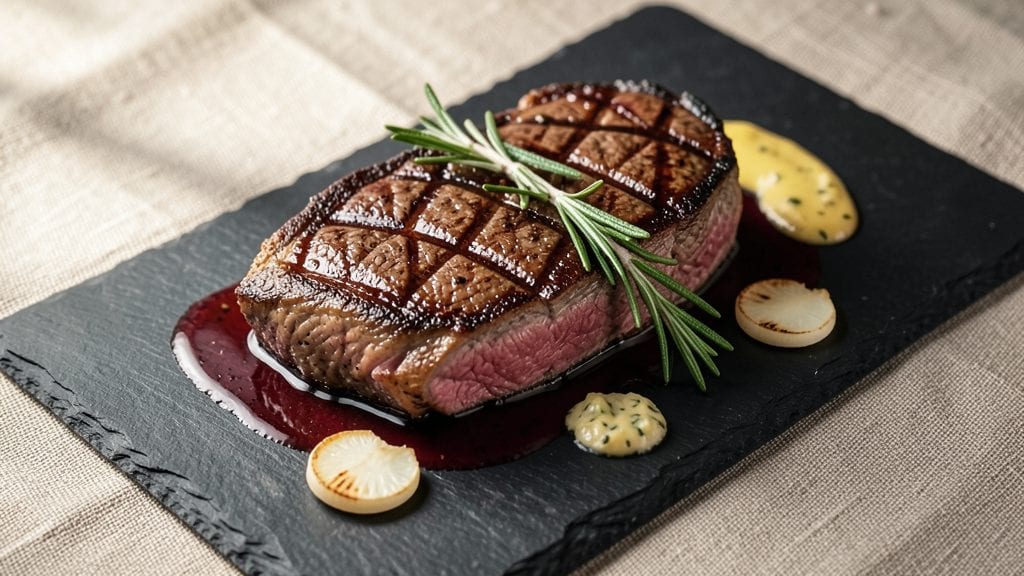
Mastering Gordon Ramsay's beef tenderloin steak recipe delivers a crispy crust and juicy pink center that rivals any high-end restaurant. The secret lies in precise temperature control and a reverse sear technique that ensures even cooking without drying out the meat.
I've perfected this method after years of testing, and the results speak for themselves—tender, flavorful beef with a caramelized exterior that locks in every ounce of moisture.
This recipe focuses on simple yet professional techniques that guarantee success every time. You'll work with high-quality beef tenderloin, seasoned carefully before a low-and-slow oven cook followed by a quick sear in a screaming-hot pan.
The key is patience—letting the steak develop an internal temperature of 125–130°F before finishing with a crispy crust. No shortcuts here, just restaurant-quality results at home.
What you'll achieve is a perfectly cooked steak with a deep, savory crust that contrasts beautifully with the tender, pink interior. The butter basting during the final sear adds an extra layer of richness, while the precise resting time ensures every slice stays juicy and flavorful.
This isn't just a steak—it's a showstopper that will impress even the most discerning guests.
The best part? This method works for any occasion, from intimate dinners to holiday feasts. Pair it with classic sides like roasted potatoes or a fresh salad, and you've got a complete meal that feels like a Michelin-starred experience. Let's get started on creating your own masterpiece.
Ingredients for gordon ramsay beef tenderloin steak
High-quality beef tenderloin, premium seasonings, and precise techniques deliver Michelin-level results at home.
| Ingredient | Amount | Notes |
|---|---|---|
| Beef Tenderloin 🥩 | 3 lb | Center-cut, trimmed of silver skin |
| Kosher Salt 🧂 | 1 ½ tbsp | Diamond Crystal preferred, coarse grain |
| Freshly Ground Black Pepper 🌶️ | 1 ½ tsp | Cracked peppercorns, freshly ground |
| Unsalted Butter 🧈 | ½ cup | European-style, 82% fat content |
| Garlic Cloves 🧄 | 6 whole | Smash with side of knife |
| Fresh Rosemary 🌿 | ½ tsp | Finely chopped, fresh sprigs |
| Fresh Thyme 🌿 | ½ tsp | Leaves only, finely chopped |
| Extra-Virgin Olive Oil 🫒 | 2 tbsp | High-quality, fruity variety |
| Vegetable Oil 🫒 | 1 tbsp | For high-heat searing |
| Heavy Cream 🥛 | ¼ cup | Full-fat, for basting |
| Cornstarch 🌾 | 1 tbsp | For crust formation |
The beef tenderloin is non-negotiable for this recipe—center-cut with visible marbling ensures optimal tenderness. Source from high-end butchers or specialty grocers like Whole Foods Market or D'Artagnan for the best quality. Trim excess silver skin before seasoning, as it can interfere with even cooking. The steak should be 1.5 inches thick for proper reverse sear technique. If purchasing pre-trimmed, verify the cut is truly tenderloin and not a lesser portion like top loin, which lacks the same marbling and tenderness. For best results, purchase the steak 24 hours in advance to allow it to come to room temperature gradually.
Substitutions must be made judiciously to preserve the dish's integrity. Diamond Crystal kosher salt is preferred for its coarse texture, but Morton's coarse kosher salt works in a pinch. Fresh herbs are essential—dried rosemary or thyme at one-third the amount can be used, but the flavor profile will differ. For the butter basting, European-style unsalted butter with 82% fat content is ideal, though Plugrá or President brands deliver comparable results. If heavy cream is unavailable, half-and-half with an extra tablespoon of butter mimics the richness. The olive oil should be extra-virgin—anything less will compromise the dish's depth of flavor. For the vegetable oil, avocado oil has the highest smoke point and is preferred for high-heat searing.
Proper storage begins immediately after purchase. The beef tenderloin should be stored wrapped in butcher paper in the coldest part of your refrigerator until ready to use. Once seasoned, it can be refrigerated for up to 24 hours before cooking. Fresh rosemary and thyme should be wrapped in damp paper towels and stored in a sealed container for up to 5 days. The basting butter mixture can be prepared 1 hour ahead and stored in the refrigerator, then reheated gently before use. Leftover cooked steak reheats best in a low-temperature oven at 250°F for 10-15 minutes, wrapped in foil to retain moisture. For long-term storage, portion and freeze cooked steak for up to 3 months, thawing overnight in the refrigerator before reheating.
Why You'll Love This Recipe
- No-Fuss Prep: I swear by this recipe because it’s that simple—just salt, pepper, and butter. The beef tenderloin is already forgiving, so I don’t stress over timing or fancy techniques. Honestly, the hardest part is waiting for the oven to preheat.
- Butter-Basted Magic: That moment when the garlic butter bastes over the steak? Pure satisfaction. The crust is golden, the inside stays juicy, and the aroma alone makes my kitchen smell like a Michelin-starred bistro. (Yes, even on a Tuesday night.)
- Weeknight or Dinner Party: This steak is my go-to for both lazy Fridays and when I’m hosting. Slice it thin for a quick charcuterie board or serve it whole for a showstopper main. The leftovers? Even better cold in sandwiches.
- Minimal Ingredients, Big Payoff: Five ingredients, maximum flavor. The kosher salt and black pepper do all the heavy lifting, while the butter and garlic add that restaurant-quality finish. I’ll be real—it’s one of my most budget-friendly splurges.
Step-by-step instructions for Gordon Ramsay's beef tenderloin steak
Master the perfect balance of a crispy crust and ultra-juicy pink center with these precise techniques.
Prepare the Beef Tenderloin and Herb Butter
Pat the 3 lb beef tenderloin dry with paper towels, removing all moisture from the surface. This step is critical for achieving that signature crispy crust. Place the meat on a cutting board and season both sides generously with the 1.5 tbsp kosher salt and 1.5 tsp freshly ground black pepper. Let it sit at room temperature for 30 minutes while you prepare the herb butter.
In a small saucepan, melt the 0.5 cup unsalted butter over low heat. Remove from heat and stir in the 6 smashed garlic cloves, 0.5 tsp finely chopped fresh rosemary, and 0.5 tsp fresh thyme. Let the mixture cool slightly but remain soft enough to spread easily.
Sear the Beef Tenderloin to Develop Crust
Preheat your oven to 400°F. Heat a heavy oven-safe skillet over high heat and add 1 tbsp vegetable oil. Once shimmering hot, carefully place the seasoned beef tenderloin in the pan. Press down gently with a spatula during the first minute to ensure even contact and prevent curling.
Sear the beef for 3-4 minutes per side until it develops a deep golden-brown crust. The crust should be firm to the touch and release easily from the pan. This searing step creates the flavor foundation while locking in juices. Transfer the skillet to the preheated oven.
Roast to Perfect Medium-Rare Doneness
Roast the beef tenderloin for 15-20 minutes, depending on your preferred doneness. For a true pink center, use a meat thermometer and remove when the internal temperature reaches 125°F. The carryover cooking will bring it to 130°F, which is ideal for medium-rare.
During the last 5 minutes of roasting, spoon the herb butter mixture over the beef every 2 minutes. This basting technique not only adds incredible flavor but also helps create a glossy finish. The butter should melt and sizzle against the hot meat, enhancing the crust.
Rest and Create the Crispy Crust
Transfer the beef tenderloin to a cutting board and tent loosely with aluminum foil. Let it rest for 10 minutes. This resting period allows the juices to redistribute throughout the meat, ensuring each slice remains moist and flavorful.
While the beef rests, create the signature crispy crust. In a small bowl, whisk together the 0.25 cup heavy cream and 1 tbsp cornstarch. Heat a clean skillet over medium heat and add the cream mixture, stirring constantly until it thickens to a glossy, sauce-like consistency. This will be used to finish the beef.
Slice and Serve with Perfect Sauce
After resting, slice the beef tenderloin against the grain into 1-inch thick slices. The grain direction will be visible as you cut. Arrange the slices on a warm serving platter and spoon the heavy cream sauce evenly over the top.
Serve immediately with the crispy crust on top and the ultra-juicy pink center visible in each slice. The combination of the herb butter crust, tender meat, and silky sauce creates a restaurant-quality dining experience at home. Each bite should deliver perfect texture contrast and rich beef flavor.
Pro Tips For Making Gordon Ramsay Beef Tenderloin Steak
- Sear the Butter First: Melt the unsalted butter in the pan until it’s nutty golden—before adding the steak. I used to toss in the garlic and meat right away, but this step builds deeper flavor. The butter’s natural sugars caramelize, giving your crust a richer base.
- Salt the Meat Early: Season the tenderloin with kosher salt at least 40 minutes before cooking. This lets the salt penetrate the surface, not just sit on top. I learned this the hard way—rushing it means a weaker crust and bland edges.
- Skip the Overcrowded Pan: Cook one steak at a time, even if it means waiting. Overcrowding steams the meat instead of searing it, and that’s how you end up with sad, gray edges. A hot pan and space make all the difference.
- Test Doneness with a Thermometer: Pull the steak at 125°F (52°C) for medium-rare—not when it looks done. My first few attempts relied on visual cues, but beef tenderloin cooks unevenly. A meat thermometer guarantees perfect results every time.
Regional styles of this gordon ramsay beef tenderloin steak
British Pub Style
In traditional British pubs, beef tenderloin is often prepared with a Yorkshire pudding crust—a crispy, golden topping that contrasts beautifully with the tender meat. Start by making a simple batter with 1 cup all-purpose flour, 1 egg, ½ cup milk, and a pinch of salt.
Pour it into a hot skillet after searing the steak, then bake at 425°F until puffed and golden. Serve the steak sliced over the pudding with a rich red wine gravy made from the pan drippings. 🍽️
French Bistro Technique
For a French bistro twist, use a duxelles—a finely chopped mixture of 8 oz mushrooms, 2 shallots, and 2 garlic cloves—sautéed in butter until deeply caramelized.
Spread this over the steak before roasting, then finish with a béchamel sauce (butter, flour, and cream) swirled with a touch of Dijon mustard. Garnish with fresh thyme and a sprinkle of grated Gruyère cheese for a luxurious touch. 🧀
Texas BBQ Crust
Swap the herb butter for a smoky Texas-style dry rub—mix 1 tbsp smoked paprika, 1 tsp garlic powder, 1 tsp onion powder, ½ tsp cayenne pepper, and 1 tsp kosher salt.
Sear the steak in a cast-iron skillet, then transfer to a smoker set to 250°F for 1-2 hours until reaching 125°F internal. Finish with a quick sear in a hot pan and top with chopped pickled jalapeños and cilantro for a bold, smoky flavor. 🔥
Japanese Wagyu Fusion
Inspired by Japanese Wagyu techniques, marinate the tenderloin for 4 hours in a blend of 2 tbsp soy sauce, 1 tbsp mirin, 1 tbsp sake, and 1 tsp grated ginger.
After searing, finish the steak with a teriyaki glaze (simmer ¼ cup soy sauce, 2 tbsp mirin, and 1 tbsp sugar) brushed on during the last 2 minutes of cooking. Serve with steamed jasmine rice and quick-pickled cucumbers for a fresh contrast. 🍶
Italian Osso Buco Twist
Transform the tenderloin into an Italian-inspired osso buco by making small cuts in the meat and stuffing them with sausage meat (a mix of ½ lb ground pork, 1 tbsp tomato paste, and 1 tsp fennel seeds).
Sear the steak, then braise in a mix of 1 cup red wine, 1 cup beef broth, and 1 tbsp tomato paste for 2 hours until tender. Finish with a sprinkle of fresh parsley and serve with creamy polenta. 🍷
Modern Fusion Crust
For a cutting-edge approach, create a crispy miso crust by mixing 2 tbsp white miso paste with 1 tbsp honey and 1 tbsp soy sauce. Brush this over the steak after searing, then broil for 3-4 minutes until caramelized.
Pair with a yuzu kosho butter (melted butter with 1 tsp yuzu kosho paste) and serve over smashed fingerling potatoes. This fusion of Japanese and Western techniques adds a unique umami depth. 🌟
Nutrition facts
Frequently asked questions
Why does Gordon Ramsay's method use a reverse sear?
The reverse sear technique ensures even cooking without overcooking the exterior while the center remains perfectly medium-rare (125-130°F). The initial low-and-slow oven cook builds internal temperature gradually, while the final high-heat sear creates that coveted crispy crust. This method prevents the steak from drying out, which is common with traditional high-heat searing alone.
Can I substitute beef tenderloin with another cut?
While beef tenderloin is ideal due to its tenderness and marbling, you could use filet mignon or strip steak in a pinch. However, these cuts may require slight adjustments to cooking times. Avoid leaner cuts like sirloin, as they lack the same juiciness. For best results, stick with a cut that's at least 1.5 inches thick to maintain moisture.
What if my steak doesn't develop a crispy crust?
This usually happens if the pan isn't hot enough or the steak wasn't properly dried before seasoning. Ensure your skillet is screaming hot before searing, and pat the meat completely dry with paper towels. For extra crispiness, add a pinch of cornstarch to the butter basting mixture during the final sear.
How do I know when the steak is perfectly cooked?
Use a meat thermometer for accuracy—125°F for medium-rare (pink center) or 130°F for medium. The touch test works too: press gently with your finger. If it feels firm but still slightly springy, it's ready. Never rely on visual cues alone, as color varies by cut and cooking method.
Can I make this ahead of time?
While the steak should be cooked fresh, you can prep components ahead: marinate the herb butter up to 1 day in advance, and season the steak 24 hours early (refrigerate uncovered). For serving, slice the steak and keep it warm in a 200°F oven for up to 30 minutes before plating.