
Main Courses
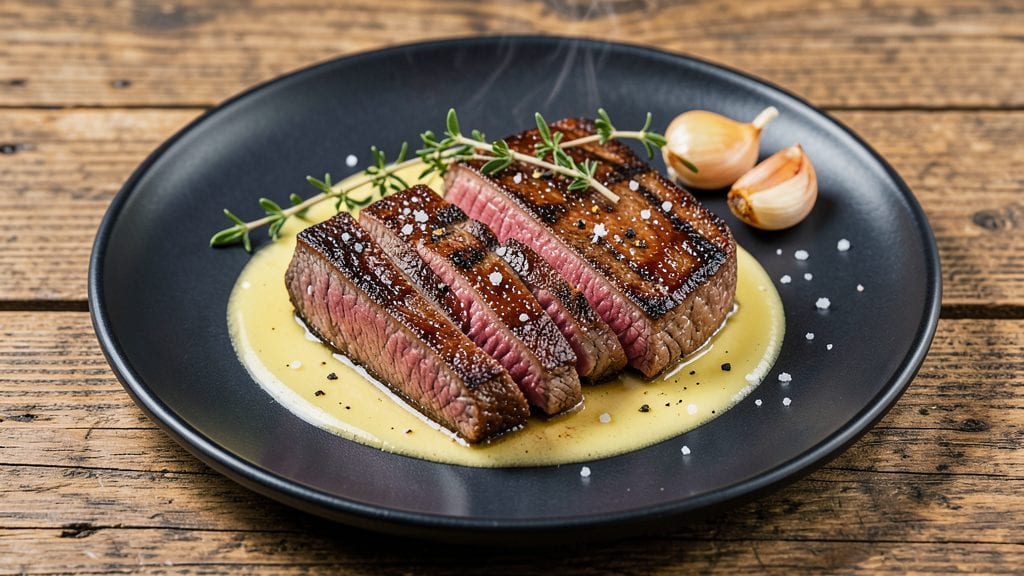
Mastering the beef loin New York strip steak recipe isn't just about cooking—it's about transforming a simple cut into a restaurant-worthy centerpiece with a buttery crust and that perfect pink center.
After years of perfecting this technique, I can confidently say the secret lies in precise timing, high heat, and a well-seasoned crust that doesn't overpower the natural beef flavor. This isn't guesswork; it's a method that delivers consistent results every time, whether you're grilling or pan-searing.
The foundation starts with a thick-cut New York strip steak, seasoned simply with coarse salt and freshly cracked black pepper—no heavy marinades that mask the meat's inherent richness.
What sets this recipe apart is the two-stage cooking process: first searing the steak over high heat to develop that coveted crust, then finishing it at a controlled temperature to ensure the interior reaches your desired doneness without drying out.
The key is patience—letting the steak rest after cooking allows the juices to redistribute, guaranteeing a tender bite every time.
What you'll end up with is a steak that's crisp on the outside, juicy and tender on the inside, with a flavor profile that's both bold and balanced. The crust should be golden-brown and slightly caramelized, while the center remains a vibrant pink for medium-rare perfection.
This isn't just another steak recipe; it's a technique that elevates your cooking skills and impresses even the most discerning guests. The best part? It's achievable with basic tools and a little practice.
Pair this steak with classic sides like roasted garlic mashed potatoes or a fresh arugula salad tossed in a light balsamic vinaigrette to complete the meal.
The versatility of this recipe means it works for everything from a weekend dinner to a special occasion—all while keeping the focus on the star of the plate: that perfectly cooked New York strip. Let's get started on creating your next steakhouse-quality dinner at home.
Ingredients for beef loin new york strip steak
Here's everything you need to create that buttery crust and perfect pink center—simple ingredients, big flavor.
| Ingredient | Amount | Notes |
|---|---|---|
| New York Strip Steak 🥩 | 1 ½ lb | Thick-cut, bone-in preferred |
| Unsalted Butter 🧈 | ½ cup | Cold, cut into 8 pieces |
| Coarse Kosher Salt 🧂 | 1 ½ tbsp | For seasoning crust |
| Freshly Ground Black Pepper 🌶️ | 1 tbsp | Cracked over steak |
| Garlic Cloves 🧄 | 2 cloves | Minced for butter compound |
| Fresh Thyme Leaves 🌿 | ¼ cup | Chopped, for butter compound |
| Extra-Virgin Olive Oil 🫒 | 2 tbsp | For searing |
| Vegetable Oil 🫒 | ¼ cup | High smoke point for searing |
| Balsamic Vinegar 🍷 | 1 tbsp | For finishing drizzle |
The steak is everything here. Grab a bone-in New York strip—about 1.25 to 1.5 inches thick—from your butcher or grocery store's meat counter. Costco or Whole Foods usually carry the best quality, but check for vibrant color and good marbling. If you can't find bone-in, bone-out works too, just adjust your cooking time slightly. The butter matters just as much—Plugrá or Land O'Lakes unsalted are solid choices. For the garlic and thyme, fresh is non-negotiable—dried won't give you that same aromatic punch. (Pro tip: Buy thyme stems and strip the leaves yourself—they're fresher and cheaper.)
No coarse kosher salt? Diamond Crystal is my go-to, but any coarse salt will work—just use a bit more. Running short on thyme? Rosemary works in a pinch, but reduce to half the amount. Butter too cold? Let it sit at room temp for 10 minutes before cutting. The olive oil should be light and fruity—none of that strong, peppery stuff. For the balsamic, a good quality one (like Balsamic Glaze of Modena) makes all the difference. Want extra flavor? Add a pinch of smoked paprika to the butter compound—it's a game-changer you won't regret.
Steak keeps best in the fridge for 3-4 days if you buy it fresh, but use it within 2 days for peak tenderness. The butter compound stays good for 1 week in the fridge—just make sure it's cold when you use it. For the oil, store it in a cool, dark place. This recipe reheats beautifully—sear fresh, then warm gently in a skillet with a splash of broth. Leftovers? Wrap tightly in foil and freeze for up to 3 months. (Trust me, it's worth freezing a few extra portions.)
Why You'll Love This Recipe
- Five-Ingredient Magic: I swear by this combo—just steak, butter, salt, pepper, and garlic. That’s it. No fancy marinades or last-minute shopping runs. The butter bastes while you wait, and the garlic? It melts into the crust like a secret weapon.
- Crust That Cracks: Honestly, the first time I got that golden, pepper-crusted exterior with a buttery center, I nearly dropped the pan. The salt and pepper do all the work—no herbs, no sauce, just pure, addictive texture that makes every bite worth the wait.
- Weeknight or Date Night: Between us, this is my go-to when I want to impress without stressing. Toss it on the grill or a screaming-hot skillet, and it’s ready faster than takeout. (Yes, even on a Tuesday night when I’m too tired to think.)
- Leftovers That Don’t Suck: Here’s what sold me—leftover strips reheated in a cast-iron with a splash of broth? Still tender, still flavorful. I slice them thin for breakfast tacos or chuck them into a grain bowl when I’m lazy. No sad, dry steak here.
Step-by-step instructions for beef loin New York strip steak
Here's how to achieve a restaurant-quality steak with a buttery crust and perfect pink center every time.
Prepare the Steak for Maximum Flavor
Take the 1.5 lb New York Strip Steak out of the refrigerator and pat it dry completely with paper towels. You want it as dry as possible—this helps the crust form properly. I like to do this about 30 minutes before cooking so the steak comes to room temperature, which ensures even cooking.
While the steak is drying, make your seasoning mix. In a small bowl, combine the 1.5 tbsp Coarse Kosher Salt and 1 tbsp Freshly Ground Black Pepper. Rub this generously over all sides of the steak, pressing it into the meat so it adheres well. The salt will draw out moisture, creating that perfect crust when we sear it later.
Create the Garlic-Thyme Butter Compound
In a separate small bowl, mix together the 0.5 cup Unsalted Butter (cold and cut into 8 pieces), the 2 cloves Garlic Cloves (minced), and the 0.25 cup Fresh Thyme Leaves (chopped). This butter compound will add incredible flavor and help create that buttery crust. I like to press the garlic and thyme into the butter pieces so they're evenly distributed—this ensures every bite is packed with flavor.
Here's the thing—don't let the butter get too soft. Keep it cold until you're ready to use it. If it starts to melt, pop it back in the refrigerator for a few minutes. Cold butter creates a better crust and helps prevent the steak from steaming instead of searing.
Sear the Steak to Perfection
Heat a heavy skillet over medium-high heat until it's smoking hot. Add the 2 tbsp Extra-Virgin Olive Oil and 0.25 cup Vegetable Oil (the high smoke point of vegetable oil helps create that perfect crust). Let the oil heat up for about 2 minutes—you should see it shimmering when it's ready.
Carefully place the steak in the skillet and let it sear undisturbed for 4-5 minutes on one side until it develops a deep golden-brown crust. This is where the magic happens—don't move it around or press down. You'll know it's ready to flip when it releases easily from the pan. Flip the steak and repeat on the other side for another 4-5 minutes. For bone-in steaks, sear the bone side last to render out any fat.
Add Butter and Balsamic for Finishing Touches
Once the steak is beautifully browned on both sides, reduce the heat to medium and add the cold butter compound. Let it melt slowly over the steak for about 1-2 minutes, spooning the melted butter over the top. This basting step is what creates that incredible buttery crust and infuses the steak with garlic and thyme flavor.
After the butter has melted, add the 1 tbsp Balsamic Vinegar and let it simmer for 30 seconds until it reduces slightly and coats the steak. The balsamic adds a touch of sweetness that balances the richness of the butter and steak. You'll see a beautiful glossy sheen form on the steak—this is your signal that it's ready.
Rest and Serve for Maximum Juiciness
Transfer the steak to a cutting board and let it rest for 10-15 minutes before slicing. This resting period is absolutely crucial—it allows the juices to redistribute throughout the meat. If you cut into it too soon, all those delicious juices will run out onto your plate instead of staying inside where they belong.
While the steak rests, preheat your plates in the oven for 5 minutes to keep everything hot. Slice the steak against the grain into ½-inch thick pieces and serve immediately. Each bite should be tender with a perfect pink center and that incredible buttery crust. The balsamic glaze will add a beautiful finish to every slice—truly restaurant-quality results at home!
Pro Tips For Making Beef Loin New York Strip Steak
- Use Two Butters: Melt half the butter in the pan first—it creates a flavor base that sticks to the steak. Then add the cold butter at the end for that golden crust. I used to skip this, and the crust was always pale and bland.
- Salt the Night Before: Toss the steak with salt and pepper at least 12 hours ahead. The salt breaks down the muscle fibers, making the meat more tender and letting the seasoning penetrate deeper. Yes, it’s weird, but it works.
- Sear Edge-Down First: Lay the steak flat on the hot pan and sear the edges first—this prevents curling and ensures even cooking. I learned this the hard way after pulling a steak off the heat with one side raw and the other overdone.
- Check Temp with a Thermometer: Pull the steak at 130°F for medium-rare—it’ll rise to 135°F while resting. Guessing leads to dry steaks or sad undercooked centers. (Your future self will thank you.)
Troubleshooting this dish
Steak Stuck to Pan
Your steak sticking to the pan is usually a sign of insufficient heat or moisture. First, ensure your skillet is ripping hot—it should be smoking before adding oil. If using a nonstick pan, it might be time for a new one.
For cast iron, I recommend preheating it for 5-10 minutes on high heat before adding oil. If your steak still sticks, try patting it even drier with paper towels or using a thin layer of flour (just dust it lightly) to create a barrier. 🔥
Uneven Cooking
Uneven cooking often happens when the steak isn’t at room temperature. Take it out of the fridge at least 30 minutes before cooking to ensure even heat distribution. If your steak has thick and thin spots, flip it more frequently—every 1-2 minutes—to promote even browning.
For bone-in steaks, sear the bone side last to prevent heat from escaping too quickly through the bone.
Overcooked or Dry Steak
Overcooking is the biggest mistake with steaks. Use a meat thermometer to check internal temperatures: 125°F for rare, 135°F for medium-rare, and 145°F for medium. Remove the steak from the pan or grill 5°F before your target temperature—it’ll rise as it rests.
If your steak turns out dry, it was likely overcooked or didn’t rest long enough. Always let it rest for 10-15 minutes before slicing.
Butter Not Melting Properly
The butter compound should melt beautifully over the steak, but if it’s not cooperating, your pan might not be hot enough. Reduce the heat to medium before adding the butter—this allows it to melt slowly and baste the steak evenly.
If the butter burns, you’re going too hot. For extra flavor, add a pinch of smoked paprika or fresh rosemary to the butter compound to enhance the crust.
Steak Too Salty
If your steak tastes overly salty, it’s likely because you used too much salt or a fine-grained salt instead of coarse kosher. Stick to 1.5 tbsp coarse kosher salt for a 1.5 lb steak—it’s easier to control.
If it’s already seasoned too heavily, there’s no fix, but you can balance it with a rich sauce like béarnaise or a sweet glaze like balsamic reduction. For future steaks, taste your seasoning mix before applying—it should be salty but not overwhelming.
Steak Not Juicy Enough
Juiciness comes from proper resting and slicing techniques. Always rest the steak for 10-15 minutes before slicing to let the juices redistribute. Slice against the grain into ½-inch thick pieces to shorten the muscle fibers and keep the meat tender.
If your steak still feels dry, it might have been overcooked or didn’t have enough fat marbling. Choose a well-marbled steak from the middle of the loin for maximum juiciness. 💡
Nutrition facts
Frequently asked questions
What's the ideal thickness for a New York strip steak?
For perfect results, aim for a 1.25- to 1.5-inch thick cut. This thickness gives you that beautiful crust while ensuring a juicy center. Thinner cuts (1 inch) cook faster and may dry out, while thicker cuts (> 1.75 inches) can develop uneven doneness.
Can I cook this recipe on a grill instead of a pan?
Preheat your grill to high heat (450-500°F) and oil the grates well. Sear the steak for 4-5 minutes per side until you get those deep grill marks. For the butter compound, finish it on the grill by adding the cold butter pieces and balsamic in the last 2 minutes of cooking. Just watch the heat—grills can be hotter than stovetops!
How do I know when my steak is done without a thermometer?
For medium-rare, press your finger gently on the steak—it should feel like the base of your thumb when you press it against your palm. For rare, it'll be softer, and for medium, it'll feel firmer. The crust should be deep golden-brown, and the steak should release easily from the pan when ready to flip. Practice makes perfect!
What's the best way to reheat leftover steak?
Reheat leftovers in a skillet over medium-low heat for 2-3 minutes per side with a splash of beef broth to keep them moist. Never microwave—it makes steak tough. For extra flavor, add a pat of butter and a pinch of garlic powder while reheating.
Why does my steak turn out tough?
Toughness usually means overcooking or improper resting. Always remove the steak 5°F before your target temperature (e.g., 130°F for medium-rare) and let it rest 10-15 minutes before slicing. Also, slice against the grain—this shortens muscle fibers and keeps each bite tender.