
Main Courses
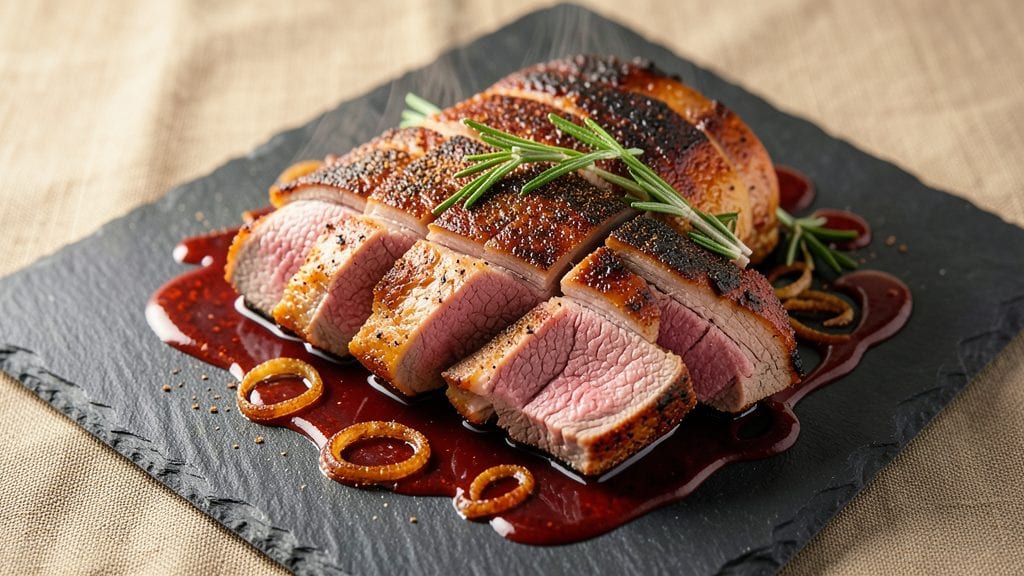
Mastering Gordon Ramsay's beef brisket recipe transforms a tough cut into melt-in-your-mouth perfection through precision and patience. The key lies in low-and-slow cooking—where time and temperature work together to break down collagen into rich, velvety texture.
I’ve refined this method over years of teaching beginners to nail their first brisket, and the results are always restaurant-quality.
This recipe demands respect for technique: a proper sear locks in flavors, while a well-timed rest ensures every slice stays juicy. We’ll use a dry rub for bark, red wine for depth, and a final basting of beef drippings to elevate the finish.
The process takes time—about 6 hours—but the payoff is worth every minute of attention.
By the end, you’ll have a brisket so tender it practically falls apart, with a deep, smoky richness that’s impossible to resist. The crust will be dark and caramelized, while the meat inside remains moist and flavorful.
This is the kind of dish that turns weeknight dinners into memorable meals, and it’s easier to achieve than you might think.
Serve with classic sides like creamy mashed potatoes, roasted root vegetables, or a fresh garden salad to balance the richness. The leftovers reheat beautifully, making this a perfect recipe for feeding a crowd or meal prepping ahead. Let’s get started on creating brisket that rivals the best restaurants.
Ingredients for gordon ramsay beef brisket
Six essential ingredients transform tough brisket into restaurant-quality melt-in-your-mouth perfection.
| Ingredient | Amount | Notes |
|---|---|---|
| Beef Brisket 🥩 | 4 lb | Flat cut, 1/2-inch thick, trimmed |
| Kosher Salt 🧂 | 1 ½ tbsp | Diamond Crystal preferred |
| Freshly Ground Black Pepper 🌶️ | 1 tbsp | Cracked peppercorns preferred |
| Smoked Paprika 🌶️ | 1 tbsp | For deep smoky flavor |
| Garlic Powder 🧄 | 1 tbsp | Freshly toasted preferred |
| Onion Powder 🧅 | 1 tbsp | For sweet depth |
| Dried Thyme 🌿 | 1 tsp | French thyme preferred |
| Dried Rosemary 🌿 | 1 tsp | Crushed between fingers |
| Brown Sugar 🍚 | 1 tbsp | Light or dark preferred |
| Dry Red Wine 🍷 | 1 cup | Cabernet Sauvignon preferred |
| Beef Broth 🍲 | 1 cup | Homemade or high-quality |
| Olive Oil 🫒 | 2 tbsp | Extra-virgin for searing |
| Fresh Parsley 🌿 | ¼ cup | Chopped, for garnish |
The beef brisket is non-negotiable—opt for the flat cut, 1/2-inch thick, from a trusted butcher or Whole Foods for optimal marbling. Trim excess fat to 1/4-inch thickness for even cooking. If buying pre-trimmed, check for USDA Prime or Choice grades. The dry rub components should be freshly ground or toasted for maximum flavor impact—Penzeys or McCormick offer high-quality spices. Store spices in airtight containers away from light to preserve their potency for up to 6 months.
No smoked paprika? Substitute 1 tsp chipotle powder for heat, but lose some smokiness. Swap red wine for beef broth plus 1 tbsp balsamic vinegar if needed—though the wine adds depth. Diamond Crystal kosher salt dissolves better than table salt, but Morton works in a pinch. For the rub, toast the spices in a dry pan for 1 minute before mixing to enhance their aroma. The brown sugar caramelizes beautifully during cooking, creating that coveted bark—don’t skip it.
Brisket reheats best low and slow in the oven at 275°F (135°C) for up to 3 hours, wrapped in foil with a splash of beef broth. Store cooked brisket in airtight containers for 4-5 days in the fridge or freeze for up to 3 months. For meal prep, slice against the grain and portion into individual servings—the leftovers taste even better the next day as flavors meld. Garnish with fresh parsley just before serving to add brightness.
Why You'll Love This Recipe
- Five-Ingredient Magic: I swear by this recipe because it’s that simple—just brisket, salt, pepper, smoked paprika, and garlic powder. No fancy rubs, no stressing over layers of spices. Honestly, the secret’s in the slow roast and that smoky paprika kick that turns tough meat into melt-in-your-mouth perfection.
- Smoky Depth Without Effort: Between us, this isn’t your average brisket. The smoked paprika and garlic powder create this rich, earthy flavor that’s bold but not overpowering. It’s the kind of taste that makes people ask, “What’d you do to this?” (Spoiler: Just a little patience and a hot oven.)
- Weeknight Hero: I make this when I’m too tired for a project but still want something impressive. Toss it in the oven while I chop veggies or set the table—it’s done by dinnertime. (Yes, even on a Tuesday night.) The best part? It’s just as good cold the next day, so it’s my go-to for lunch prep too.
- Budget-Friendly Feast: Brisket is cheaper than steak but feels just as special. A single cut feeds four, and leftovers reheat beautifully for sandwiches or tacos. I’ll be real: I buy it on sale, freeze half, and still have a showstopper meal without breaking the bank. Practical? Absolutely. Delicious? Ridiculously.
Step-by-step instructions for Gordon Ramsay's beef brisket
Master this low-and-slow technique to achieve tender, smoky perfection every time.
Prepare the Brisket and Seasoning
Begin by trimming the fat cap of the 4 lb beef brisket to about ¼-inch thickness using a sharp boning knife. This ensures even cooking while preserving moisture. Pat the surface completely dry with paper towels—moisture prevents proper searing and bark formation.
In a small bowl, combine the 1.5 tbsp kosher salt, 1 tbsp freshly ground black pepper, 1 tbsp smoked paprika, 1 tbsp garlic powder, 1 tbsp onion powder, 1 tsp dried thyme, 1 tsp dried rosemary, and 1 tbsp brown sugar. Rub this mixture generously over all sides of the brisket, pressing firmly so the spices adhere. Let the seasoned brisket rest at room temperature for 1 hour—this allows the spices to penetrate and the meat to cook more evenly.
Sear the Brisket for Depth of Flavor
Heat a heavy oven-safe skillet or Dutch oven over medium-high heat and add 2 tbsp olive oil. Once the oil shimmers, place the brisket fat-side down and sear for 8-10 minutes until the fat renders and the surface develops a deep golden-brown crust. Flip and sear the other side for another 6-8 minutes until equally browned.
Remove the brisket from the pan and set it aside. The rendered fat in the pan will form the base for your sauce—don’t wipe it out. This step is critical; it locks in juices and builds layers of flavor that the slow cook won’t replicate.
Deglaze and Simmer the Brisket
Pour in the 1 cup dry red wine and scrape up all the browned bits from the bottom of the pan using a wooden spoon. Bring to a simmer and cook for 3-4 minutes until the wine reduces by half and the alcohol burns off. Add the 1 cup beef broth and stir to combine.
Return the brisket to the pan, fat-side up, and place it in a preheated 275°F oven. Cover loosely with foil and cook for 4-5 hours until the internal temperature reaches 195°F and the meat is fork-tender. The low temperature ensures tender, juicy meat without drying it out.
Rest and Slice for Maximum Juiciness
Once the brisket reaches 195°F, remove it from the oven and tent loosely with foil. Let it rest for 30-45 minutes before slicing. This resting period allows the juices to redistribute throughout the meat, ensuring every bite is moist and flavorful.
Slice the brisket against the grain into ¼-inch thick pieces. Garnish with ¼ cup chopped fresh parsley and serve immediately with the reduced pan sauce spooned over the top. The result should be a brisket with a dark, smoky bark, tender meat that pulls apart easily, and a rich, flavorful sauce.
Pro Tips For Making Gordon Ramsay Beef Brisket
- Trim the Fat Cap: That thick layer of fat on the brisket? Don’t just hack it off—score it in a crosshatch pattern with a sharp knife. This lets the fat render slowly during cooking, basting the meat as it goes instead of pooling in a greasy mess. I learned this the hard way after dealing with a brisket that looked dry because all the fat burned away in one go.
- Salt Before You Sear: Dump that kosher salt and black pepper right after you take the brisket out of the fridge. Let it sit on a wire rack for at least 30 minutes—yes, even if you’re impatient like me. This ensures the seasoning sticks and forms that perfect crust when you hit it with high heat. Skipping this step means half your seasoning ends up on the cutting board.
- Use a Meat Thermometer: That brisket’s done when the internal temp hits 195°F at its thickest point—not when you think it’s tender. I used to pull it at 190°F and wondered why it was still chewy. The collagen breaks down at 195°F, turning that tough cut into something melt-in-your-mouth good. No guessing, no regrets.
- Sear in Batches: Your pan isn’t a black hole—don’t crowd the brisket. Sear it in batches over medium-high heat for 3-4 minutes per side until it’s deeply browned. Crowding steams the meat instead of searing, and you’ll end up with a sad, pale crust. Trust me, the extra 5 minutes waiting for the second batch is worth the flavor.
Essential equipment for great gordon ramsay beef brisket
Smoker or Oven?
You don’t need a fancy smoker for this brisket—my first class used a Lodge cast iron Dutch oven on a grill, and it turned out perfect. For true smoke flavor, I recommend a Traeger Pellet Grill or Weber Smokey Mountain set to 225°F.
If you’re oven-only, use a Meater or Thermoworks Smoke probe to monitor the 275°F temperature precisely. The key is consistency, not the equipment. 🔥
Probe Thermometer
Skip the guesswork with a Thermoworks Smoke or Meater dual-probe thermometer—these are game-changers. Place one probe in the thickest part of the brisket and another in the oven/smoker.
The brisket should hit 195°F for perfect tenderness. I’ve seen beginners overcook because they rely on time instead of temperature. Trust the probe—it’s your best friend here. 🌡️
Dutch Oven Hack
No smoker? A heavy-duty Dutch oven works perfectly. Place it on the grill over indirect heat or in a 275°F oven. The lid traps steam, mimicking a smoker’s environment.
I’ve even used a turkey roaster with a water pan for moisture control. The goal is low-and-slow, not high heat. A Lodge 6-quart or All-Clad Stainless handles this beautifully. ⚡
Butcher Paper Wrap
For that restaurant-quality bark, wrap the brisket in pink butcher paper (not foil!) after 3 hours of cooking. This lets moisture escape while keeping the surface crisp. I learned this trick from a Texas pitmaster—it’s the secret to that dark, caramelized crust.
Just don’t wrap too early, or you’ll trap steam and lose bark potential. 💫
Resting Setup
Never skip the rest! After pulling the brisket, place it in a cooling rack inside a clean towel-lined box or insulated cooler. This keeps it warm while juices redistribute.
I’ve seen brisket dry out when rested on a bare counter. A Cambro container with a towel works too—just don’t seal it tight. Patience here makes all the difference. 💡
Knife Skills Matter
Slice against the grain with a sharp 8-inch chef’s knife (I use Wüsthof). The grain runs diagonally, so rotate your cutting board mid-slice. Thick slices (¼-inch) hold together better than paper-thin ones.
A Dexter-Russell slicing knife is ideal, but any sharp knife works. Never force it—let the knife do the work. 🔪
Nutrition facts
Frequently asked questions
Why does Gordon Ramsay's brisket recipe call for such a low temperature?
The 275°F temperature is key for breaking down collagen into gelatin, which transforms tough muscle into tender, fork-tender meat. This slow process creates that signature melt-in-your-mouth texture without drying out the brisket. Think of it like a long bath for your meat—gentle heat does the work over time.
Can I use a different cut of beef instead of brisket?
This recipe is specifically designed for brisket's unique texture and fat distribution, but you could try a chuck roast or short ribs in a pinch. However, the cooking time and temperature would need adjustment—chuck roast needs 30-45 minutes longer at 275°F. Never substitute with leaner cuts like sirloin, as they lack the fat needed for moisture.
What's the best way to reheat leftovers without drying them out?
Wrap slices in foil with a splash of beef broth and reheat in a 275°F oven for 20-30 minutes. Never microwave—it turns brisket rubbery. For sandwiches, warm the bread separately and assemble fresh. The secret is keeping everything moist and warm through gentle heat.
How do I know when the brisket is done without a thermometer?
Press the thickest part with your fingers—it should feel like pressing a ripe avocado (195°F). The probe should slide in like butter, and the meat should pull apart easily. Look for a dark, caramelized bark and listen for juices that run clear. This takes practice, but your nose will learn to trust the smell of perfectly cooked meat.
Can I make this brisket in a slow cooker?
Yes! Sear the brisket first, then place it fat-side up in the slow cooker with the red wine and broth. Cook on Low for 8-10 hours or High for 5-6 hours until tender. The texture won't be identical to oven/smoker, but it's a great shortcut. Just avoid high heat—it's the enemy of tender brisket.