
Main Courses
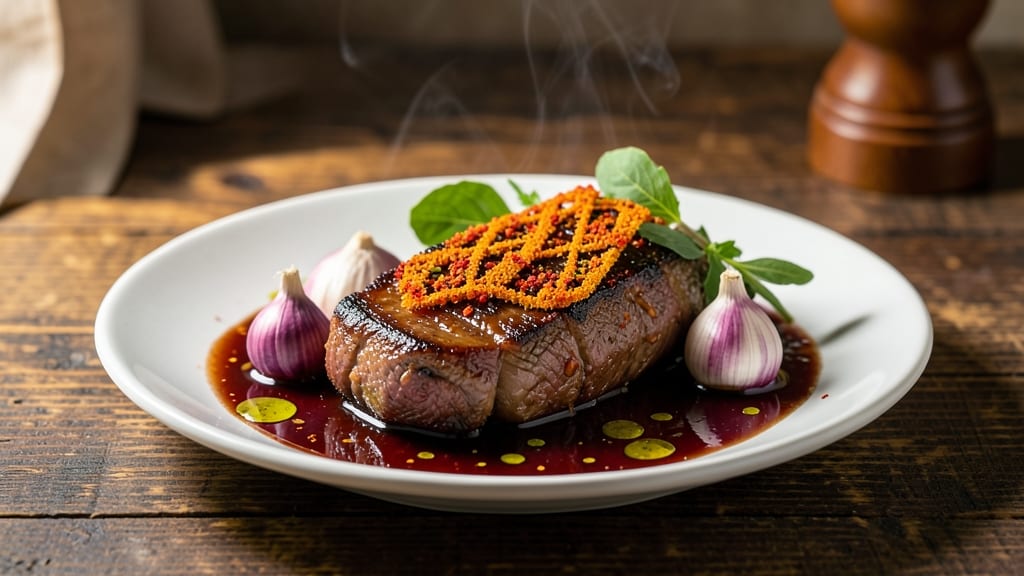
This Basque beef tongue recipe delivers the deep, smoky richness that defines Basque cuisine, where slow-cooked meats transform into melt-in-your-mouth perfection. 🔥 The secret lies in marinating the tongue overnight with garlic, white wine, and smoked paprika—a technique that tenderizes while building layers of flavor.
What makes this dish truly special is how the collagen-rich meat breaks down into an irresistibly tender texture, infused with the earthy warmth of Basque spices.
Traditionally, Basque beef tongue is braised until fork-tender, creating a dish that’s both hearty and elegant. The slow cooking process ensures every bite is succulent, while the smoky paprika adds a signature depth that pairs beautifully with traditional accompaniments like piquillo peppers or crusty bread.
This recipe captures the essence of Basque home cooking—simple yet deeply flavorful, with a technique that feels luxurious but is actually straightforward.
The result is a dish that’s rich, tender, and impossibly satisfying, with a sauce that’s infused with all the flavors from the marinade. The beef tongue becomes so tender it nearly falls apart, making it perfect for slicing thinly or serving whole at the center of the table.
Serve it with a side of roasted peppers and a crisp white wine to complete the Basque experience.
Whether you're preparing it for a special occasion or simply craving a taste of Basque tradition, this recipe delivers restaurant-quality results with minimal effort. The key is patience—letting the flavors meld and the meat tenderize over hours. Ready to transform a simple cut of beef into a showstopping centerpiece?
Ingredients for basque beef tongue
Six ingredients transform beef tongue into Basque melt-in-your-mouth perfection.
| Ingredient | Amount | Notes |
|---|---|---|
| Beef Tongue 🥩 | 2 lb | Fresh, cleaned, trimmed |
| Garlic Cloves 🧄 | 8 cloves | Peeled, smashed slightly |
| Smoked Paprika 🌶️ | 2 tbsp | High-quality, not regular paprika |
| White Wine 🍷 | 1 cup | Dry, such as Sauvignon Blanc |
| Olive Oil 🫒 | ¼ cup | Extra-virgin, for marinade |
| Bay Leaves 🌿 | 2 whole | Fresh, not dried |
| Thyme 🌿 | 1 tbsp | Fresh, stems removed |
| Salt 🧂 | 1 ½ tsp | Kosher or sea salt |
| Black Peppercorns 🌶️ | 1 tsp | Freshly cracked |
| Beef Broth 💧 | 2 cups | Low-sodium, homemade preferred |
| Onion 🧅 | 1 whole | Yellow, peeled, sliced |
| Carrots 🥕 | 2 whole | Medium, peeled, sliced |
| Tomatoes 🍅 | 2 whole | Roma, peeled, halved |
| Piquillo Peppers 🌶️ | 4 whole | Roasted, jarred or fresh |
The beef tongue is the star—look for fresh, clean cuts at specialty butchers or well-stocked grocery stores like Whole Foods or Costco. A 2-pound tongue serves six generously, so plan ahead. The smoked paprika is non-negotiable; Penzeys or Goya brands deliver authentic Basque flavor. For the white wine, any dry variety works—Sauvignon Blanc or Albariño are classic choices. Fresh herbs like thyme and bay leaves elevate the dish, but dried will work in a pinch (use half the amount).
No smoked paprika? Substitute 1 tbsp regular paprika plus ½ tsp liquid smoke—though purists will notice the difference. Out of white wine? Use extra beef broth (just add ½ cup more). The piquillo peppers can be swapped for roasted red peppers if unavailable, though they lack the signature Basque sweetness. For the marinade, toast the garlic cloves in olive oil for 30 seconds to deepen their flavor—worth the extra minute. The beef broth should be low-sodium to avoid over-salting the tender meat.
Marinate the tongue overnight in the fridge for maximum tenderness. The braising liquid reduces significantly, so simmer uncovered after the first hour to concentrate flavors. Leftovers reheat beautifully—portion and freeze for up to 3 months. Serve the tongue sliced thinly or whole at the table, with extra sauce spooned over. The dish tastes even better the next day as flavors meld further.
Why You'll Love This Recipe
- One-Pan Magic: I swear by this recipe because it’s basically hands-off after the initial simmer. The tongue goes in raw, comes out fall-apart tender—no flipping, no fussing, just garlic and paprika working their flavor spell in one pot.
- Smoky Garlic Bomb: That first bite? Rich, meaty, with a punch of smoky paprika and bright white wine acidity cutting through. The garlic cloves soften just enough to add depth without overpowering—it’s the kind of flavor that lingers and makes you want seconds.
- Leftovers That Shine: Between us, this dish tastes better the next day. Slice it thin, toss with crusty bread, or pack it for lunches—it’s the ultimate make-ahead hero. Honestly, I often double the batch just to have it on hand.
- Budget Crowd-Pleaser: Beef tongue is cheaper than steak but delivers restaurant-quality richness. A single cut feeds four, and the wine and olive oil elevate it without breaking the bank. Plus, it’s the kind of dish that makes you look like a star chef with minimal effort.
Step-by-step instructions for Basque beef tongue
Transform tough beef tongue into melt-in-your-mouth perfection using this Basque-inspired slow-cooking method.
🔥 Step 1: Prepare the Beef Tongue for Cooking
Begin by scoring the surface of the 2 lb beef tongue in a crosshatch pattern using a sharp knife. This creates channels that allow the marinade to penetrate deeply and helps tenderize the meat. Don't press too hard—just make shallow cuts about ¼ inch deep.
In a large bowl, whisk together the 0.25 cup olive oil, 2 tbsp smoked paprika, 1.5 tsp salt, and 1 tsp cracked black peppercorns until fully combined. Rub this mixture all over the scored tongue, pressing gently to ensure the marinade coats every surface. Place the tongue in a resealable plastic bag and refrigerate for at least 4 hours or overnight for maximum flavor penetration.
🍳 Step 2: Sear the Tongue for Depth of Flavor
Remove the tongue from the refrigerator and let it sit at room temperature for 30 minutes before cooking. Heat a large Dutch oven over medium-high heat and add the tongue, searing on all sides until deeply browned—about 4-5 minutes per side. This step develops a rich, caramelized crust that adds complexity to the final dish.
While the tongue sears, prepare the aromatics by adding the 1 whole onion, 2 whole carrots, and 2 whole tomatoes to the Dutch oven. Cook for 5 minutes until the vegetables begin to soften. Deglaze the pan with the 1 cup white wine, scraping up all the browned bits from the bottom with a wooden spoon—this captures all the flavor you've built.
🥘 Step 3: Slow-Cook with Aromatics and Piquillo Peppers
Add the 2 cups beef broth, 2 whole bay leaves, 1 tbsp fresh thyme, and the 4 whole piquillo peppers to the Dutch oven. Bring everything to a gentle simmer, then reduce heat to low and cover. The liquid should barely bubble—this slow cooking is essential for tenderizing the beef tongue.
Return the seared tongue to the pot, submerging it completely in the liquid. The goal is to cook it at 325°F for 2.5-3 hours until the meat is fork-tender. I check for doneness by inserting a knife into the thickest part—it should slide in easily with just slight resistance. If the liquid reduces too much, add a splash of water or broth to maintain coverage.
⏰ Step 4: Rest and Serve the Perfectly Tender Tongue
Once the tongue reaches the perfect tenderness, remove it from the pot and let it rest on a cutting board for 15 minutes. This resting period allows the juices to redistribute, ensuring each slice remains moist. Meanwhile, skim any excess fat from the cooking liquid and reduce it on the stovetop for 5-7 minutes until it thickens slightly into a glossy sauce.
Slice the tongue against the grain into ¼-inch thick pieces and serve with the reduced sauce spooned over the top. The result should be silky, melt-in-your-mouth texture with layers of smoky paprika, sweet piquillo peppers, and rich wine-infused broth. Serve with crusty bread to soak up every last drop of that flavorful sauce.
Pro Tips For Making Basque Beef Tongue
- START HOT, FINISH LOW: The tongue needs a good sear first—get your pan screaming hot with olive oil before adding the tongue. Once it’s browned deep on all sides (about 3-4 minutes per side), drop the heat to low and let it simmer in the wine and garlic. I learned this the hard way: rushing the low-and-slow part leaves it rubbery instead of tender.
- PEEL THAT GARLIC RIGHT: Smash those garlic cloves with the flat side of your knife before adding them to the pan—no peeling needed. The skins will crisp up beautifully and infuse the wine with flavor without turning to mush. (Yes, it looks messy, but your dish will taste like it came from a Basque kitchen.)
- SIMMER UNTIL FALL-APART: Don’t rush the cooking time—this isn’t a race. The tongue should pull away from the bone effortlessly after 2-2.5 hours of simmering in the wine and paprika. If you’re impatient, you’ll end up with something chewy instead of meltingly tender.
- USE THE WINE WISELY: Don’t just dump the wine in and walk away. Deglaze the pan with a splash first, scraping up those browned bits—those are pure flavor. Then add the rest of the wine and let it reduce by half before adding the paprika. (This cuts cooking time and deepens the sauce.)
Pro cooking tips for perfect results
Marinade Mastery
The overnight marinade is where the magic happens—smoked paprika and white wine work together to break down collagen and infuse the tongue with Basque depth. I like to toast the garlic cloves in olive oil for 30 seconds before adding them to the marinade to deepen their flavor.
This step is non-negotiable for authentic taste. 🌶️
Use a resealable plastic bag for marinating to ensure even coating. If you're short on time, a minimum of 4 hours still yields great results, but overnight is ideal for maximum tenderness.
The marinade should be generous—don't skimp on the olive oil or paprika, as these are the flavor anchors.
Searing Secrets
Searing the tongue creates a Maillard reaction that locks in flavor, but timing is critical. Aim for 4-5 minutes per side over medium-high heat—too long and it burns, too short and it won't develop that caramelized crust.
I use a heavy Dutch oven (like All-Clad) for even heat distribution and better browning.
Don't skip the wine deglaze after searing—this captures all those precious browned bits that would otherwise stick to the pot. Scrape vigorously with a wooden spoon to release every last drop of flavor.
Slow-Cooking Precision
Maintaining a consistent 325°F is key for tenderizing without overcooking. I use an instant-read thermometer to monitor the internal temperature—190°F is your target. The tongue should be fork-tender but still hold its shape when sliced.
If the liquid reduces too quickly, add a splash of broth to keep the tongue submerged. The goal is gentle simmering, not boiling. Covering the pot traps steam, which helps tenderize the meat more efficiently.
Resting Like a Pro
Letting the tongue rest for 15 minutes after cooking is crucial—this allows the juices to redistribute, preventing dry slices. I place it on a wire rack over a baking sheet to catch any drippings, then tent loosely with foil to keep it warm.
While resting, skim excess fat from the cooking liquid and reduce it for 5-7 minutes to create a glossy sauce. This step elevates the dish from good to restaurant-quality. The sauce should coat the back of a spoon but still be pourable.
Serving with Style
Slice the tongue against the grain into ¼-inch thick pieces for the most tender texture. Arrange it on a platter with the reduced sauce spooned generously over the top. Garnish with fresh thyme sprigs and piquillo pepper strips for visual appeal.
Serve with crusty bread or Basque-style roasted peppers to soak up the sauce. For an authentic touch, pair with a dry white wine like Txakoli—its crisp acidity cuts through the richness beautifully. 🍷
Nutrition facts
Frequently asked questions
Why does Basque beef tongue need marinating?
The marinade with smoked paprika and white wine works magic by breaking down collagen in the tough connective tissue. The overnight soak ensures deep flavor penetration and creates that signature Basque tenderness. Skipping this step risks a chewier texture and less complex flavor profile.
Can I substitute smoked paprika with regular paprika?
While you can use regular paprika, you'll lose the authentic smoky depth. For a similar effect, mix 1 tbsp regular paprika with ½ tsp liquid smoke—though purists will notice the difference. The smoky flavor is key to capturing Basque cuisine's signature character.
How do I know when the beef tongue is fully cooked?
Use a meat thermometer to check for 190°F internal temperature. The tongue should be fork-tender but still hold its shape when sliced. If it feels slightly springy in the center, it needs 30-60 more minutes of cooking. Overcooking can make it dry.
What's the best way to serve Basque beef tongue?
Slice it against the grain into ¼-inch thick pieces and serve with the reduced sauce spooned over the top. Pair with crusty bread or roasted piquillo peppers to soak up the flavorful juices. For an authentic touch, serve with a dry white wine like Txakoli.
Can I make this recipe in a slow cooker?
Yes! After searing, transfer everything to a 6-quart slow cooker and cook on low for 6-8 hours or high for 4-5 hours. The liquid may need occasional stirring to prevent sticking. The texture will be slightly different but still tender and flavorful.