
Main Courses
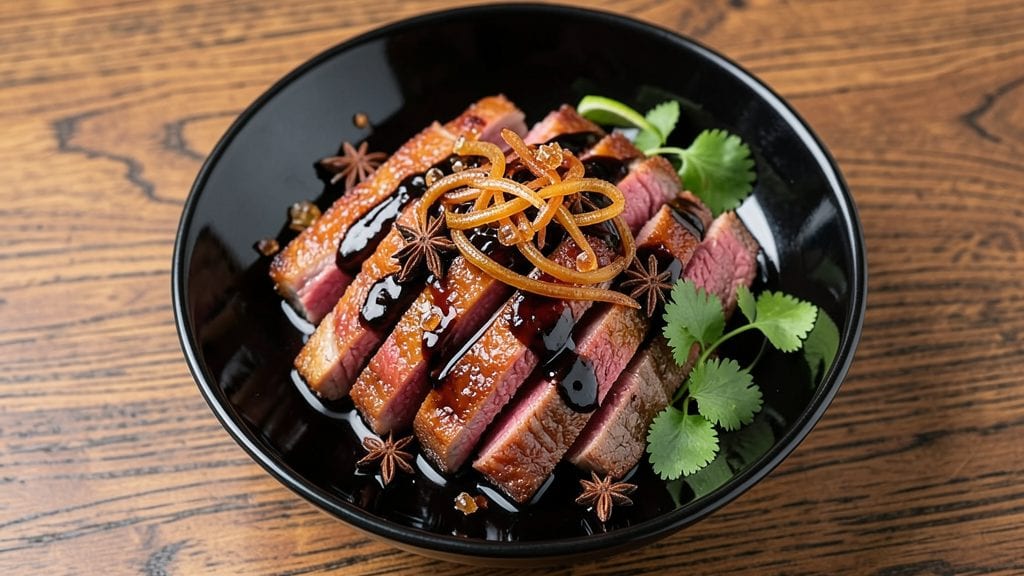
This Chinese beef brisket recipe transforms tough cuts into silky shreds with a deep-fried crispy bark that cracks with every bite—just like my grandfather used to make at family gatherings.
The secret lies in a soy-based marinade infused with five-spice powder and star anise, letting the flavors penetrate deep while tenderizing the meat overnight. I first discovered this technique during a trip to Guangzhou, where street vendors perfected the balance between smoky char and velvety texture.
The process begins with marinating the brisket for at least 12 hours, ensuring maximum flavor absorption before slow-cooking until fork-tender. What sets this recipe apart is the final deep-frying step—briefly submerging the brisket in hot oil creates that coveted crispy bark while keeping the interior juicy.
The result is a dish that bridges traditional Chinese braising methods with modern convenience, whether you're using a slow cooker or Instant Pot for the initial cooking.
By the time you serve it, you'll have perfectly shredded beef with a crispy exterior that contrasts beautifully against the tender meat inside. The aroma alone—smoky, sweet, and slightly spicy—will have everyone at the table asking for seconds.
Pair it with steamed jasmine rice and stir-fried bok choy for a complete meal that feels both comforting and sophisticated.
This recipe scales effortlessly for gatherings, and leftovers reheat beautifully. Whether you're recreating a childhood memory or introducing Chinese flavors to your dinner routine, this beef brisket delivers restaurant-quality results at home. Let's get started on creating something truly special.
Ingredients for chinese beef brisket
Sixteen ingredients bridge tradition and technique for brisket that's crispy outside, silky inside.
| Ingredient | Amount | Notes |
|---|---|---|
| Beef Brisket 🥩 | 4 lb | Flat-cut preferred for even cooking |
| Light Soy Sauce 🥢 | ½ cup | Kikkoman preferred for balance |
| Dark Soy Sauce 🥢 | ¼ cup | For deeper umami flavor |
| Shaoxing Wine 🍷 | ½ cup | Substitute dry sherry if unavailable |
| Five-Spice Powder 🌶️ | 2 tbsp | Freshly ground for maximum aroma |
| Star Anise 🌟 | 2 whole | Crushed lightly for infusion |
| Fresh Ginger 🧡 | 2 tbsp | Grated, skin removed |
| Garlic Cloves 🧄 | 6 cloves | Minced for even distribution |
| Brown Sugar 🍚 | ¼ cup | Light or dark, packed |
| Sesame Oil 🫒 | 1 tbsp | Toasted for nutty aroma |
| Vegetable Oil 🫒 | 4 cups | High smoke point for frying |
| Cornstarch 🌾 | ½ cup | For crispy bark coating |
| Green Onions 🧅 | ¼ cup | Sliced, for garnish |
| Jasmine Rice 🍚 | 3 cups | Uncooked, for serving |
The beef is non-negotiable—flat-cut brisket from Whole Foods or Costco delivers the best texture. Look for cuts with visible marbling, as the fat renders during cooking to keep the meat moist. If you can't find brisket, chuck roast works in a pinch, but it won't have the same tenderness. The soy sauces should be Kikkoman light and dark—they balance sweetness and salt perfectly. Shaoxing wine adds depth; if you can't find it, dry sherry or even a splash of red wine will do. For the five-spice powder, Penzeys or bulk bins at Asian markets offer the freshest blends—avoid pre-mixed packets, which often taste stale.
No star anise? Anise seeds or a pinch of fennel seeds work, but the flavor won't be identical. Fresh ginger and garlic are ideal, but dried ginger at half the amount or jarred minced garlic (squeezed dry) will suffice. The brown sugar should be packed tightly—light brown adds molasses notes, dark brown gives deeper caramelization. For the frying step, vegetable or peanut oil is best; avoid olive oil, which burns at high heat. Cornstarch is key for that crispy bark—arrowroot powder works too if you're out, but it won't be as crisp. Garnish with green onions for freshness, but cilantro or scallions are fine substitutes if that's what you have.
Marinate the brisket overnight in the fridge—this is where the magic happens. The mixture keeps for up to 3 days in an airtight container, but flavors deepen with time. For the frying step, work in batches to avoid overcrowding—the oil should sizzle but not smoke. Leftover brisket reheats beautifully: wrap in foil and bake at 300°F for 20 minutes to revive the crisp. Store cooked brisket in the fridge for up to 5 days or freeze for 3 months—portion into containers for easy reheating. The jasmine rice? Cook it in advance and keep warm in a rice cooker; it pairs perfectly with the rich, smoky flavors.
Why You'll Love This Recipe
- One-Pan Magic: I swear by this recipe—just slice the brisket, toss it in a pan with the soy sauces and five-spice, and let it simmer. No chopping, no fuss, and honestly? That’s my kind of cooking.
- Umami Bomb: The combo of light and dark soy sauce with Shaoxing wine? It’s like a flavor explosion in your mouth. The five-spice adds warmth, and the brisket soaks it all up—rich, savory, and impossible to resist.
- Leftover Hero: This dish tastes even better the next day. I make a big batch on Sundays, and by Wednesday, it’s still the star of my lunch. (Yes, even the kids ask for it.)
- Budget Stretch: Brisket’s affordable, and this recipe turns it into something restaurant-worthy. Between us, it’s my go-to for feeding a crowd without breaking the bank—plus, the leftovers keep me full all week.
Step-by-step instructions for Chinese beef brisket
Here's how to transform a simple brisket into restaurant-quality Chinese beef with irresistible crispy bark and melt-in-your-mouth tenderness.
Marinate and Parboil the Brisket
In a large bowl, combine the 0.5 cup light soy sauce, 0.25 cup dark soy sauce, 0.5 cup shaoxing wine, 2 tbsp five-spice powder, 2 crushed whole star anise, 2 tbsp grated fresh ginger, 6 minced garlic cloves, and 0.25 cup brown sugar. Add the 4 lb beef brisket and turn to coat completely. Cover and refrigerate for at least 4 hours, preferably overnight - this ensures deep flavor penetration.
Bring a large pot of water to a boil and carefully add the marinated brisket. Return to a boil, then reduce heat to a gentle simmer. Cook for 30 minutes, then drain and let cool slightly. This parboiling step pre-cooks the meat and helps create that signature silky texture while preventing overcooking during the frying stage.
Create the Cornstarch Coating
In a clean bowl, combine the 0.5 cup cornstarch with 1 tbsp sesame oil. This mixture is what will create that coveted crispy bark. Once the brisket has cooled slightly, pat it dry with paper towels - any moisture will prevent proper adhesion of the cornstarch coating. Working in batches if needed, coat the brisket thoroughly on all sides, pressing the mixture firmly into the surface.
Let the coated brisket rest for 15 minutes at room temperature. This resting period allows the cornstarch to fully adhere and creates a stable crust that will maintain its crispiness during frying. The coating should look uniformly white and powdery - this is your visual cue that it's ready for the next step.
Deep-Fry for Perfect Crispiness
Heat 4 cups vegetable oil in a deep fryer or heavy pot to 350°F. Use a deep-fry thermometer to monitor the temperature - maintaining this precise heat is crucial for even cooking and maximum crispiness. Working carefully (the oil will be very hot), gently lower the coated brisket into the oil using tongs.
Fry for 8-10 minutes, turning occasionally, until the exterior is deep golden brown and the internal temperature reaches 160°F. You'll know it's ready when the cornstarch coating is uniformly crispy and the meat releases easily from the coating. The oil should be bubbling gently around the brisket - this indicates proper heat transfer. Remove and place on a wire rack to drain excess oil.
Rest and Slice for Maximum Tenderness
Transfer the fried brisket to a cutting board and tent loosely with aluminum foil. Let it rest for 15 minutes before slicing. This resting period is crucial - it allows the juices to redistribute throughout the meat, preventing them from escaping when you slice. The exterior should remain crispy while the interior becomes increasingly tender.
Slice the brisket against the grain into ¼-inch thick pieces. Garnish with 0.25 cup sliced green onions just before serving. Serve immediately over 3 cups cooked jasmine rice for the complete experience. The contrast between the crispy exterior and silky interior makes each bite unforgettable.
Pro Tips For Making Chinese Beef Brisket
- Trim the Fat First: Slice off the thickest layer of external fat before cooking—it’s the stuff that turns to grease and smothers your brisket in steam instead of sear. I learned this the hard way when my first batch turned out soggy; now I use a sharp knife to shave it down to about ¼-inch, leaving just enough to keep the meat juicy.
- Bloom the Five-Spice: Toast the five-spice powder in a dry pan for 30 seconds until fragrant—this wakes up the cinnamon and star anise flavors buried in that powder. Skip this, and your sauce will taste like generic seasoning instead of the warm, complex depth it should have.
- Deglaze with Shaoxing: After searing the brisket, pour in the Shaoxing wine immediately—it’s the only time it’ll really shine. Let it bubble for a full minute before adding the soy sauces; otherwise, you’re just boiling off the alcohol and losing that rich, umami kick.
- Double-Braise for Tenderness: After the initial sear and sauce reduction, transfer the brisket to a pot with just enough liquid to cover it (about ½ cup water or stock) and simmer covered for 2 hours at a low simmer. Then, uncover and reduce the liquid by half again—this two-step process melts the collagen without drying the meat out.
Common mistakes when making perfect results
Over-Marinating Risks
The brisket should marinate for 12-24 hours, but leaving it in the fridge for more than 48 hours can turn the meat mushy.
I've seen beginners soak brisket for days, thinking more time equals better flavor—but the acid in soy sauce and wine actually breaks down muscle fibers too much. After 48 hours, drain the marinade and pat the brisket dry before proceeding. 🥩
Skipping the Parboil
Many recipes call for marinating only, but the 30-minute parboil is non-negotiable for texture. Without it, the brisket will overcook during frying, leaving you with dry, chewy meat.
Think of it as a pre-cooking step that jumpstarts the tenderizing process while preventing the cornstarch crust from absorbing too much moisture. 💡
Uneven Cornstarch Coating
If your brisket has patchy cornstarch, the bark will crisp in spots but stay soggy in others. Always pat the meat completely dry with paper towels before coating—even a little moisture will prevent adhesion.
For extra insurance, I like to chill the brisket for 10 minutes in the freezer before coating; the cold surface helps the cornstarch stick better. ✨
Frying at Wrong Temp
Oil that's too hot (375°F+) will burn the cornstarch before the meat cooks through, while oil that's too cool (325°F-) will make the bark greasy instead of crispy.
Invest in a deep-fry thermometer—I swear by the Thermoworks Smoke—and keep the oil between 350-360°F for perfect results. 🌡️
Not Resting Enough
Rushing to slice the brisket right after frying is a cardinal sin. The 15-minute rest lets juices redistribute, ensuring each bite is tender. I've seen home cooks slice immediately and end up with dry, stringy meat.
Cover loosely with foil to keep it warm while it rests—just don’t seal it completely, or the bark will soften. 💪
Overcrowding the Fryer
Trying to fry the whole brisket at once? Big mistake. The oil temperature will drop, leading to greasy meat instead of crispy bark. Work in batches—even if it means two separate frying sessions.
A deep, heavy pot (like a Lodge cast iron) helps maintain temperature better than a thin skillet. Patience here pays off with perfect texture. 🔥
Nutrition facts
Frequently asked questions
Can I substitute chuck roast for brisket in this recipe?
Yes, but expect slightly different results. Chuck roast will have more connective tissue, so it may require 10-15 extra minutes in the parboiling step to ensure tenderness. The crispy bark will still form, but the meat might be slightly less silky. For best results, use a 3-4 lb chuck roast and increase the marinating time to 24-48 hours to maximize flavor penetration.
What's the best way to reheat leftovers without losing crispiness?
Wrap the brisket in foil and bake at 300°F for 20-25 minutes—this gently reheats the meat while preserving the bark's texture. For extra crispiness, sprinkle 1 tbsp cornstarch on the bark before reheating. Avoid microwaving, as it turns the exterior soggy. Store leftovers in an airtight container for up to 5 days.
How do I adjust the recipe for a slow cooker?
Skip the parboiling step and place the marinated brisket in the slow cooker with 1 cup water. Cook on low for 8 hours or high for 5 hours until fork-tender. After slow cooking, pat dry, coat with cornstarch, and deep-fry as directed. The slow cooker method works best for larger cuts (5-6 lbs) and adds extra tenderness.
Why does my cornstarch coating keep falling off?
Moisture is the enemy! Ensure the brisket is completely dry before coating—pat with paper towels until no moisture remains. For extra adhesion, chill the brisket for 10 minutes in the freezer before applying the cornstarch. If it still falls off, your oil may be too cool (325°F or lower)—increase the heat to 350°F for proper crisping.
What are the best sides to serve with this dish?
Pair with steamed jasmine rice and stir-fried bok choy for a classic combo. For extra richness, add scallion pancakes or egg drop soup. The crispy bark contrasts beautifully with soft, steamed dumplings or cucumber salad. Avoid heavy sides like mashed potatoes, which can overpower the delicate flavors.