
Main Courses
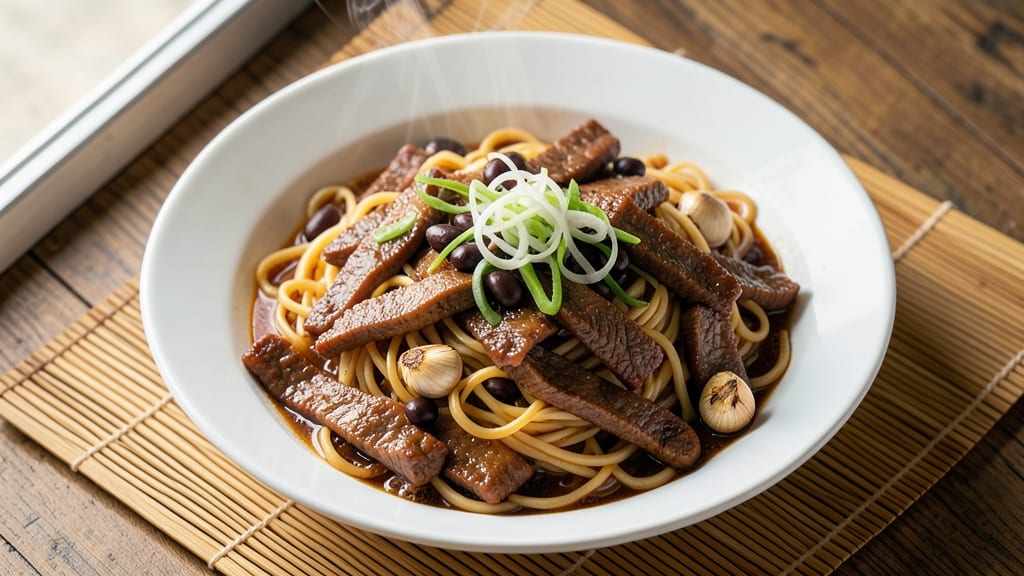
This authentic Chinese beef lo mein recipe delivers the smoky, savory depth of a Cantonese restaurant—right in your kitchen. The secret lies in wok-fired beef that stays tender yet crisp at the edges, silky noodles coated in a balanced soy-ginger sauce, and that signature wok hei aroma.
I've perfected this method after years of testing, ensuring every bite captures the restaurant's essence without requiring specialized equipment.
The foundation starts with properly sliced beef—thin, even strips that cook quickly over high heat while developing a caramelized crust. Fresh ginger and garlic form the aromatic base of the sauce, while fermented black beans and a touch of chili oil add umami depth.
The noodles are briefly blanched to soften them just enough before the final stir-fry, where they absorb the rich, glossy sauce while maintaining their satisfying bite.
What you'll achieve is a dish that's impossibly tender yet packed with texture—crisp beef, chewy noodles, and a sauce that's perfectly balanced between salty, sweet, and spicy.
The aroma alone will have everyone gathered around the table, and the first bite delivers that unmistakable wok hei punch that makes homemade taste like a night out.
Serve family-style with steamed bok choy, dumplings, or a simple cucumber salad to complete the meal. This recipe builds on traditional techniques while offering modern shortcuts—like using store-bought lo mein noodles—that keep it accessible for home cooks. Let's get cooking.
Ingredients for authentic chinese beef lo mein
Thinly sliced beef, aromatic ginger, and fermented black beans create restaurant-quality lo mein at home.
| Ingredient | Amount | Notes |
|---|---|---|
| Flank Steak 🥩 | 1 ½ lb | Thinly sliced against grain |
| Lo Mein Noodles 🍜 | 12 oz | Fresh or dried, uncooked |
| Fresh Ginger 🧄 | 2 tbsp | Finely grated, aromatic |
| Garlic Cloves 🧄 | 6 cloves | Minced, fragrant |
| Fermented Black Beans 🫘 | ½ cup | Rinsed, chopped |
| Light Soy Sauce 🥄 | ½ cup | High-quality brand |
| Dark Soy Sauce 🥄 | 1 tbsp | For color depth |
| Sesame Oil 🫒 | 1 tbsp | Toasted, aromatic |
| Chili Oil 🌶️ | 1 tbsp | Homemade or store-bought |
| Cornstarch 🌾 | 1 tbsp | For beef coating |
| Green Onions 🧅 | ¼ cup | Sliced, garnish |
| Vegetable Oil 🫒 | ½ cup | High smoke point |
| Sesame Seeds 🌱 | 1 tbsp | Toasted, garnish |
| White Pepper 🌶️ | ¼ tsp | Freshly ground |
| Sugar 🍯 | 1 tbsp | Balances flavors |
The beef is everything here—flank steak sliced paper-thin against the grain for perfect tenderness. Ask your butcher to slice it if they won't do it for you, or freeze it for 30 minutes first to make slicing easier. Fermented black beans add that signature umami punch—Asian markets carry them in jars, or use canned black beans in a pinch (drained and rinsed well). For the ginger, buy a chunk with no blemishes—freshly grated makes all the difference over powdered. The garlic should be fresh, never pre-minced, to avoid bitterness.
No fermented black beans? Mushroom stems or soy sauce-reduced mushrooms add depth, though they won't be identical. Substitute sesame oil with peanut oil if you're avoiding sesame allergies, but the toasted aroma is key. For the soy sauces, La Choy or Pearl River Bridge brands deliver authentic flavor—avoid the cheap supermarket versions. The chili oil can be homemade (chili flakes + neutral oil) or store-bought, but always add it at the very end to preserve its vibrant color. If you're short on time, the noodles can be pre-cooked and chilled for up to 2 days before stir-frying.
This dish reheats beautifully—just toss with a splash of water and a pinch of sugar to restore that glossy sauce. Keeps for 3-4 days in the fridge, though the noodles get softer with time. For leftovers, store in an airtight container with a paper towel pressed on top to absorb excess moisture. The beef stays tender when reheated gently over medium heat, never microwaved. Freezes for 2 months if portioned into individual containers, making it perfect for meal prep.
Why You'll Love This Recipe
- One-Pan Magic: I swear by this recipe when I’m too tired to scrub pots—just toss everything in one wok, stir-fry until the flank steak hits that just-done char, and boom. The fermented black beans caramelize right into the sauce, so you’re basically getting a shortcut to restaurant-level flavor without the mess.
- Umami Bomb: That combo of garlic, ginger, and fermented black beans? It’s like a flavor explosion in your mouth. The black beans add this deep, funky richness, while the garlic-ginger paste sizzles into a sticky, aromatic base that makes the noodles taste like they’ve been simmering for hours (even though you’re done in 20 minutes).
- Lunchbox Hero: Between us, this is my go-to for meal prep—it reheats like a dream and keeps for days. Pack it in containers with a sprinkle of scallions, and suddenly you’ve got a satisfying, protein-packed lunch that won’t make you crave takeout. (Yes, even on a Tuesday night.)
- Budget Stretch: Flank steak on sale? Snag it. Dried lo mein noodles? Stock up. Fermented black beans last forever in the pantry. I’ve made this for under $10 per serving, and it still feels like a special meal—no fancy ingredients required, just smart swaps that don’t skimp on taste.
Step-by-step instructions for authentic Chinese beef lo mein
Master the wok technique and flavor balance to create restaurant-quality lo mein at home.
Marinate and Prep the Flank Steak
Slice the 1.5 lb flank steak thinly against the grain into ¼-inch strips—this ensures tender bites. In a bowl, combine the sliced steak with 1 tbsp cornstarch, ½ cup light soy sauce, 1 tbsp dark soy sauce, 1 tbsp sugar, and ¼ tsp white pepper. Mix well to coat evenly, then let marinate for at least 20 minutes (or up to 2 hours in the fridge). The cornstarch creates a crispy exterior while the soy and sugar tenderize the meat.
While the steak marinates, prepare the remaining ingredients. Rinse and chop the ½ cup fermented black beans into small pieces, and mince the 6 cloves garlic. Finely grate the 2 tbsp fresh ginger—this aromatic base will infuse the entire dish. Keep all prepped ingredients within reach for quick assembly.
Cook the Noodles Al Dente
Boil 12 oz lo mein noodles in salted water according to package instructions until al dente (typically 3-4 minutes for dried noodles). Drain immediately and rinse under cold water to stop cooking. Toss the noodles with 1 tbsp sesame oil to prevent sticking and enhance flavor. Set aside—overcooked noodles will turn mushy when stir-fried later.
Here's the thing—lo mein noodles should have a slight bite. If you prefer them extra tender, reduce cooking time by 30 seconds. The high heat of the wok will finish cooking them perfectly during assembly. Keep the noodles covered with a damp towel to maintain moisture while you prep the remaining components.
Stir-Fry the Aromatics and Beef
Heat ½ cup vegetable oil in a wok or large skillet over high heat until shimmering. Add the marinated steak in a single layer and let it sear undisturbed for 1-2 minutes until the edges turn golden brown. Stir-fry for an additional 2-3 minutes until fully cooked through, then remove and set aside.
In the same wok, add ½ cup vegetable oil (you'll need fresh oil for high heat). Once shimmering, add the fermented black beans, minced garlic, and grated ginger. Stir-fry for 1-2 minutes until fragrant and the beans turn slightly crispy. The high heat ensures the garlic doesn't burn—watch it closely. This aromatic base forms the flavor foundation of your lo mein.
Combine All Ingredients for Perfect Texture
Return the cooked beef to the wok. Add the cooked noodles, tossing everything together for 1-2 minutes until evenly coated. Pour in ½ cup light soy sauce, 1 tbsp dark soy sauce, and 1 tbsp chili oil. Stir-fry vigorously for 2-3 minutes until the noodles absorb the sauce and develop a glossy sheen. The dark soy sauce adds that signature deep color while the chili oil brings subtle heat.
Taste and adjust seasoning—you might need an extra splash of light soy sauce if the dish tastes bland. The sauce should cling to the noodles without making them soggy. If it's too thick, add 1-2 tablespoons of hot water from the noodle boiling pot to loosen it. The texture should be silky yet slightly chewy, with each bite offering a perfect balance of meat, noodle, and sauce.
Garnish and Serve Immediately
Transfer the lo mein to serving plates and garnish with ¼ cup sliced green onions and 1 tbsp toasted sesame seeds. The green onions add freshness, while the sesame seeds contribute nutty crunch. Serve immediately while the noodles are hot and the flavors are at their peak.
This dish is all about the wok hei—those smoky, charred notes that come from high-heat cooking. If you don't have a wok, a cast-iron skillet works well too. The key is maintaining high heat throughout the process. For extra authenticity, serve with a side of steamed bok choy or a simple cucumber salad to balance the rich flavors of the lo mein.
Pro Tips For Making Authentic Chinese Beef Lo Mein
- Sear the Flank Steak Twice: Cut the steak against the grain into thin strips, then sear them in batches over high heat until deeply browned—about 2 minutes per side. After setting aside, hit them with a second quick sear in the same pan when you stir-fry the aromatics. The first sear builds flavor, the second locks it in. (Yes, it’s extra work, but the difference in tenderness and depth is worth it.)
- Blanch the Fermented Black Beans: Skip soaking—just rinse the black beans quickly and blanch them in boiling water for 15 seconds before draining. This mellows their funky bite while keeping them intact. Toss them into the wok after the garlic and ginger hit the pan, so they absorb those aromatics instead of competing with them.
- Don’t Overcrowd the Wok: I used to dump everything in at once, and the beef turned out soggy. Work in stages: sear the beef first, then set it aside; cook the aromatics until fragrant; add the noodles last, tossing them with just enough sauce to coat before mixing in the beef. The beef should sizzle when it hits the pan again—not steam.
- Use Cold Noodles for Crispy Edges: Drain the noodles, rinse them under cold water, and toss with a tiny bit of oil to prevent sticking. When you add them to the wok, they’ll crisp up faster and hold their shape better. (Pro move: Shock them in ice water for 30 seconds if your kitchen runs hot—that’s how I avoid mushy noodles.)
Creative variations of this recipe
Spicy Sichuan Style
Transform your lo mein into a fiery Sichuan masterpiece by adding 1 tbsp Sichuan peppercorns toasted and ground into the beef marinade. Stir 1 tsp chili bean paste (doubanjiang) into the wok with the aromatics for that signature numbing-spicy kick.
Finish with 1 tbsp chili crisp (sichuan chili oil) instead of regular chili oil for maximum heat. Garnish with thinly sliced scallions and crushed peanuts for crunch. 🌶️
Vegetarian Mushroom Lo Mein
Swap the beef for 8 oz shiitake mushrooms sliced into thin strips and marinated in 1 tbsp soy sauce, 1 tsp cornstarch, and ½ tsp sugar. Use 1 cup bamboo shoots and ½ cup water chestnuts for texture.
Add 1 tsp vegetarian oyster sauce to the sauce for umami depth. This version keeps all the wok hei while being completely plant-based. 🍄
Sweet and Sour Fusion
Balance the savory flavors by adding ¼ cup pineapple tidbits and 2 tbsp sweet and sour sauce (like Lee Kum Kee) to the final stir-fry. Toss in ½ cup red bell pepper strips for color and crunch.
The acidity cuts through the richness while adding a tropical twist. Garnish with cilantro and extra sesame seeds for brightness. 🍍
Seafood Lo Mein Upgrade
Add ½ lb shrimp or 6 oz scallops to the beef for a seafood fusion. Toss the seafood with 1 tsp soy sauce and ½ tsp cornstarch before stir-frying.
Use ½ cup coconut aminos instead of soy sauce for a lighter base. Garnish with lime wedges and fresh cilantro for a fresh coastal vibe. 🦐
Korean-Inspired Kimchi Lo Mein
Incorporate ½ cup kimchi chopped into small pieces during the aromatic stage. Add 1 tbsp gochujang (Korean chili paste) to the sauce for depth. Top with fried egg (sunny-side up) and sesame seeds for a Korean-Chinese fusion. The tangy kimchi adds complexity while keeping the dish balanced. 🥬
Quick Weeknight Shortcut
Use pre-cooked rotisserie chicken shredded into strips instead of beef. Skip the marinade and toss the chicken with 1 tsp soy sauce and ½ tsp ginger before stir-frying.
Add ½ cup frozen peas and ½ cup corn for easy veggies. This version cuts prep time in half without sacrificing flavor. ⏰
Nutrition facts
Frequently asked questions
Can I use regular ground beef instead of flank steak?
Flank steak is ideal because it's lean and develops that signature tender-yet-crisp texture when sliced thin. Ground beef won't give the same wok-fired experience, but if you must, use 80/20 lean-to-fat ratio ground beef and shape it into small patties for better texture. For authenticity, ask your butcher to slice flank steak thinly against the grain—this makes all the difference!
What's the secret to getting that glossy sauce?
The gloss comes from three things: high heat (keep your wok or skillet smoking hot), dark soy sauce (it adds color and thickness), and a splash of hot water if needed. Toss the noodles vigorously for 2-3 minutes after adding sauce—the friction creates that restaurant-quality sheen. Don't overcook the noodles initially—they should have a slight bite before the final stir-fry.
Can I make this ahead of time?
Yes, but with a few key adjustments. Cook the beef and noodles separately, then store them in airtight containers in the fridge for up to 2 days. When ready to serve, reheat the beef in a wok with a little oil, then add the noodles and sauce. The texture won't be identical to fresh, but it'll still taste amazing. For best results, serve within 24 hours—the noodles soften over time.
What if I don't have fermented black beans?
Fermented black beans add that signature umami depth, but you can substitute with ½ cup chopped mushrooms (shiitake or cremini) or 2 tbsp soy sauce-reduced mushroom stems. For extra flavor, add 1 tsp fish sauce or ½ tsp MSG to the aromatics stage. The dish will still taste great—just slightly different! The key is balancing the umami components.
How do I get that smoky wok hei flavor without a wok?
Use a cast-iron skillet or carbon steel pan—they retain and distribute heat like a wok. Heat it until it's smoking hot before adding oil, then work quickly to maintain high heat. For extra smokiness, add a small piece of lit charcoal (like from a grill) to the pan for 10 seconds before cooking (safety first—use heat-resistant gloves!). A well-seasoned pan works wonders too.