
Main Courses
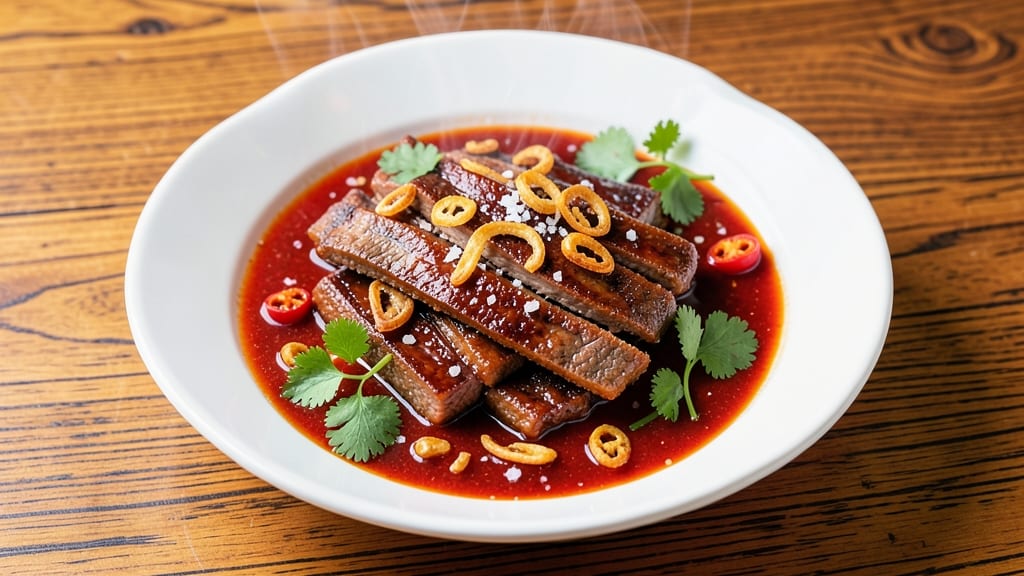
This authentic Chinese Mongolian beef recipe delivers the restaurant-quality experience you crave—silky beef threads coated in a glossy, sweet-savory sauce with irresistible crunch. The secret lies in proper marinating, high-heat wok technique, and a balanced sauce that's neither too sweet nor too salty.
I've perfected this version after years of testing, ensuring every bite captures the essence of Beijing's famous street food.
The key to authentic Mongolian beef starts with tenderizing the beef properly—soaking it in a marinade of soy sauce, cornstarch, and Shaoxing wine creates those signature chewy, shreddable strands.
The sauce, a delicate balance of soy, brown sugar, and ginger, gets reduced to a glossy consistency that clings perfectly to the beef. What sets this apart is the crispy texture achieved through proper wok heating and sauce reduction.
By the time you plate it, you'll have perfectly cooked beef with a caramelized crust, silky threads that melt in your mouth, and a sauce that's rich yet balanced—sweet from the sugar, tangy from the vinegar, and umami-packed from the soy.
The aroma alone will have everyone gathering around your table, and the first bite delivers that perfect harmony of textures and flavors.
This dish serves as an impressive centerpiece for dinner parties or a comforting weeknight meal when you're craving something bold and satisfying. The technique is approachable, but the results are undeniably restaurant-quality. Let's get started on creating your own version of this Chinese street food classic.
Ingredients for authentic chinese mongolian beef
Restaurant-quality Mongolian beef starts with these 14 essential ingredients—each playing a crucial role in that signature silky texture and glossy sauce.
| Ingredient | Amount | Notes |
|---|---|---|
| Flank Steak 🥩 | 1 ½ lb | Thinly sliced against grain |
| Soy Sauce 🥢 | ½ cup | Kikkoman preferred for authentic flavor |
| Shaoxing Wine 🍷 | ¼ cup | Substitute dry sherry if unavailable |
| Cornstarch 🌾 | ¼ cup | For tenderizing and crispy coating |
| Brown Sugar 🍯 | ¼ cup | Light or dark, packed |
| Fresh Ginger 🧄 | 2 tbsp | Finely grated, aromatic |
| Garlic Cloves 🧄 | 6 cloves | Minced, fresh preferred |
| Sesame Oil 🫒 | 1 tbsp | Toasted, for aroma |
| Vegetable Oil 🫒 | ½ cup | High smoke point for wok |
| White Vinegar 🍶 | 1 tbsp | For tangy balance |
| Green Onions 🧅 | ¼ cup | Sliced thin for garnish |
| Sesame Seeds 🌾 | 1 tbsp | Toasted for crunch |
| Salt 🧂 | 1 tsp | Kosher preferred |
| Black Pepper 🌶️ | ½ tsp | Freshly ground |
The flank steak is non-negotiable—its lean cut slices beautifully against the grain for those signature silky threads. Look for USDA Choice or Prime at Costco or your local Asian market; thicker cuts will yield more generous portions. Slice it paper-thin (about 1/8-inch) against the grain before marinating—this is where the magic happens. If you can't find Shaoxing wine, dry sherry works in a pinch, though it lacks that authentic depth. The Kikkoman soy sauce is worth seeking out for its balanced umami, but any high-quality soy will do.
No sesame oil? Toasted peanut oil adds a similar nutty aroma, though the flavor won't be identical. The ginger and garlic can be swapped for 1 tbsp ginger paste and 1 tsp garlic powder if fresh isn't available, but fresh always wins for brightness. For the cornstarch, arrowroot powder is a 1:1 substitute if you're out. The brown sugar should be packed—don't scoop it loosely. And here's a pro tip: Toast your sesame seeds in a dry pan for 30 seconds before adding them to the sauce—they'll be infinitely crunchier. If you're short on time, skip the toasting, but your dish will thank you.
Marinate the beef for at least 30 minutes (up to 4 hours) to ensure maximum tenderness. The sauce keeps well in the fridge for 5 days in an airtight container, so make extra—it's perfect over rice or noodles. For freezing, portion into ice cube trays before transferring to a bag; this way, you can thaw just what you need. The green onions should be stored in a damp paper towel in the fridge, and the sesame oil belongs in the pantry, not the fridge—it'll go rancid fast if stored improperly. Leftovers reheat beautifully in a wok or skillet over medium heat.
Why You'll Love This Recipe
- One-Pan Magic: I swear by this—just slice the steak thin, toss it in the marinade (soy, wine, sugar), and let the pan do the work. No chopping veggies, no extra bowls, no stress. That caramelized glaze? Happens while you’re stirring.
- Umami Bomb: The Shaoxing wine and soy sauce combo is next level—deep, savory, with just enough sweetness to balance the heat. The cornstarch coating gives it that perfect crispy-tender bite that makes you want to eat it straight from the wok.
- Leftover Goldmine: Between us, this tastes better the second day. I freeze portions for lazy nights or pack it for work—reheats in minutes and still delivers that rich, sticky goodness. (Yes, even on a Tuesday night.)
- Budget Power Move: Flank steak is affordable, and a little goes a long way when sliced properly. Stretch it over rice, noodles, or even eggs—suddenly, you’ve got a week’s worth of meals without breaking the bank. My wallet thanks me.
Step-by-step instructions for authentic Chinese Mongolian beef
Here's how to recreate that iconic restaurant texture—silky beef threads with a crispy, caramelized crust.
Prep the Beef with Cornstarch Marinade
Slice the 1.5 lb flank steak thinly against the grain into ¼-inch strips. Place in a bowl and add 0.25 cup cornstarch, 1 tsp salt, and 0.5 tsp black pepper. Toss gently until evenly coated—this creates the signature crispy exterior while tenderizing the meat. Let it sit for 15 minutes at room temperature while you prepare the sauce.
Don't skip the cornstarch coating—it's what gives Mongolian beef its signature crunch. The longer it sits, the better the coating adheres, but 15 minutes is perfect for restaurant-quality results without over-marinating.
Build the Flavorful Sauce Base
In a small bowl, whisk together 0.5 cup soy sauce, 0.25 cup Shaoxing wine, 0.25 cup brown sugar, 2 tbsp finely grated fresh ginger, and 6 minced garlic cloves. Let this mixture sit for 5 minutes to allow the flavors to meld—this is where the authentic umami depth develops. The brown sugar will dissolve completely, creating a glossy, syrupy base for the sauce.
Here's the thing—don't substitute just any dry sherry for Shaoxing wine. The nutty, slightly sweet profile is essential for that authentic flavor. If you must substitute, use a dry Chinese cooking wine or additional soy sauce to compensate for the missing depth.
Wok-Sear the Beef in Stages
Heat 0.5 cup vegetable oil in a wok or large skillet over high heat until shimmering. Working in batches (don't overcrowd!), add the cornstarch-coated beef and stir-fry for 1-2 minutes until the coating turns golden brown and crispy. Remove and set aside—this first sear builds the foundation for that perfect texture.
Real talk: this is where most home cooks mess up. If your wok isn't hot enough, the beef will steam instead of sear. You want to see that oil shimmering like a heat haze before adding the meat. The beef should release easily from the wok when it's ready to flip.
Combine and Glaze with Sauce
Return all the beef to the wok and add the prepared sauce. Stir constantly for 2-3 minutes until the sauce reduces slightly and begins to coat the beef. Add 1 tbsp white vinegar and 1 tbsp toasted sesame oil, tossing well to distribute. The vinegar brightens the flavors while the sesame oil adds that signature aromatic finish.
Watch the sauce carefully—it should thicken just enough to coat the beef without becoming sticky. If it's too thin, cook for another 30 seconds. The beef should be tender but still holding its shape slightly, with those beautiful silky threads forming as it cooks.
Finish with Garnishes and Serve
Remove from heat and immediately stir in 0.25 cup sliced green onions and 1 tbsp toasted sesame seeds. The green onions add freshness to cut through the richness, while the sesame seeds provide that essential crunch. Taste and adjust seasoning if needed—you might want to add a splash more soy sauce or a pinch of sugar to balance the flavors.
Serve immediately over steamed rice, where the beef's silky threads can twirl around each bite. The contrast of the crispy exterior with the tender interior is what makes this dish so irresistible. For maximum authenticity, garnish each serving with an extra sprinkle of sesame seeds right before serving.
Pro Tips For Making Authentic Chinese Mongolian Beef
- Slice Against the Grain: The flank steak’s fibers run long—cut them perpendicular to get tender, fork-friendly bites. I used to ignore this and ended up with chewy, stringy meat that even the sauce couldn’t save.
- Marinate Overnight (Yes, Really): Skip the rush: flank steak needs at least 12 hours in the soy, Shaoxing wine, and brown sugar mix. I learned this the hard way—my first attempt tasted flat because the marinade didn’t penetrate enough.
- High Heat, Then Low: Sear the steak on max heat until the edges brown, then drop the heat to medium-low to finish cooking. The crust locks in flavor, but too much heat too long turns the edges rubbery.
- Slurry the Cornstarch: Mix the cornstarch with cold water first—then add it to the pan. Dumping dry cornstarch straight into hot oil creates lumps that won’t dissolve, leaving your sauce grainy. (I’ve seen it happen.)
Dietary considerations for this recipe
Gluten-Free Adaptations
For a gluten-free version, replace the Kikkoman soy sauce with tamari or a dedicated gluten-free soy sauce like San-J Tamari. The cornstarch coating can be swapped for arrowroot powder (use the same amount) or a mix of potato starch and tapioca starch (1:1 ratio).
The sauce will still achieve that signature glossy finish, though the texture might be slightly less crisp. 💛
Low-Sodium Options
If you're watching sodium, reduce the soy sauce to ¼ cup and add ¼ cup coconut aminos for a milder flavor. Use low-sodium soy sauce if available, and cut the salt to ½ tsp.
The dish will still taste rich and savory, just with less sodium. Taste as you go—you might need an extra pinch of sugar to balance the reduced saltiness.
Vegetarian Swaps
For a vegetarian version, replace the beef with extra-firm tofu or mushrooms (shiitake or oyster work best). Press and slice the tofu to mimic beef texture, then marinate in the same sauce mixture.
For mushrooms, slice them thinly and par-cook for 3 minutes before stir-frying to remove excess moisture. The sauce will cling beautifully to either substitute, though the texture will differ slightly.
Dairy-Free Confirmation
This recipe is naturally dairy-free—no milk, cheese, or butter is used. The sauce relies on soy, sugar, and vinegar for flavor, making it safe for lactose-intolerant individuals. Always double-check your soy sauce label, as some brands may contain trace dairy.
The sesame oil and seeds are also dairy-free, so you're clear to enjoy this dish worry-free. ✨
Allergen-Friendly Tips
For sesame allergies, omit the sesame oil and sesame seeds—they're optional garnishes. Replace with extra toasted peanut oil (for aroma) and crushed peanuts (for crunch). If nut allergies are a concern, use sunflower seeds instead.
For a completely nut-free version, skip both and focus on the green onions for freshness. Always check labels on soy sauce and Shaoxing wine for hidden allergens.
Nutrition facts
Frequently asked questions
Why does authentic Mongolian beef have those silky threads?
The signature threads come from slicing the beef thinly against the grain and using the cornstarch marinade. The cornstarch creates a crispy exterior while the grain direction ensures the muscle fibers separate easily when cooked. The high-heat wok sear then transforms these fibers into those melt-in-your-mouth strands.
Can I use a different cut of beef instead of flank steak?
Flank steak is ideal, but you can substitute skirt steak or sirloin in a pinch. Avoid tougher cuts like chuck—they won't achieve that tender texture. If using sirloin, slice it even thinner (1/16-inch) to compensate for its slightly more tender nature. The cornstarch coating remains essential for texture.
What's the secret to getting that crispy coating?
The crispy texture comes from three key factors: high heat in your wok, proper cornstarch coating, and not overcrowding the pan. Cook in batches over high heat until the coating turns golden brown—about 1-2 minutes. If your beef steams instead of sears, reduce the batch size or increase the heat.
How do I adjust the sweetness level in the sauce?
Start with the 0.25 cup brown sugar as written, then taste as you go. For less sweetness, reduce to 0.125 cup and add 1 tsp white vinegar to balance. For more sweetness, increase by 1 tbsp increments. The sauce should complement the savory beef, not overpower it—aim for a 20-30% sweetness ratio relative to soy.
Can I make Mongolian beef in a regular skillet?
Yes, but you'll need to work faster and use less oil (start with 2 tbsp) to maintain high heat. A 12-inch cast iron skillet works best—preheat it for 5 minutes before adding oil. Stir constantly to prevent sticking, and cook in smaller batches (about ½ lb at a time). The texture will be slightly different but still delicious!