
Main Courses
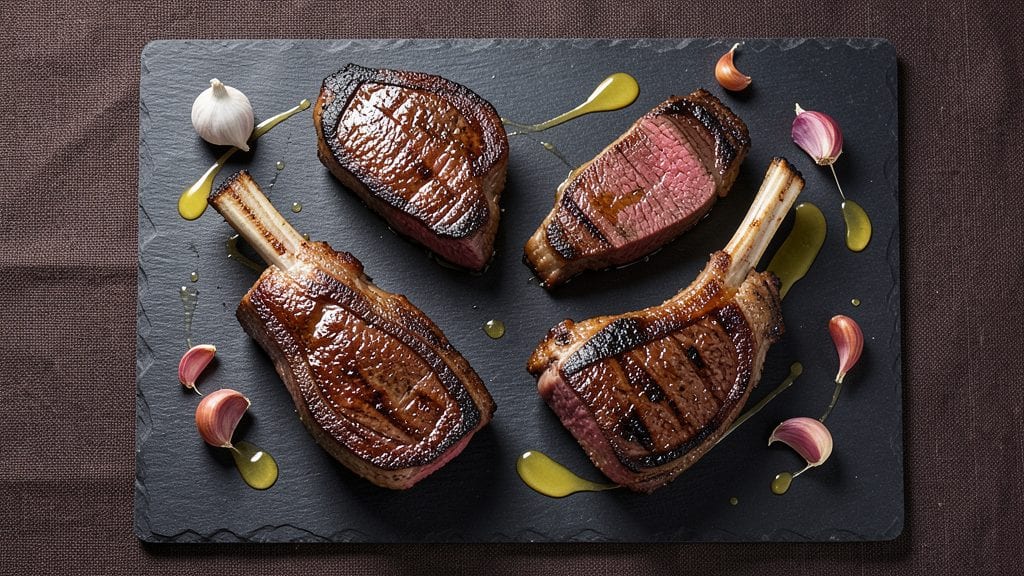
A bone-in New York steak from beef loin delivers unmatched flavor and texture—where the bone renders rich fat while the crust develops into a blistering, caramelized masterpiece.
This recipe unlocks the secret to perfecting that balance: a high-heat sear followed by precise temperature control, ensuring a buttery interior that melts at first bite. I’ve refined this method over years of testing, and the bone-in cut makes all the difference in depth of flavor and moisture retention.
The process begins with a dry brine to enhance tenderness, then a sear in a screaming-hot cast-iron skillet to lock in juices and build that coveted crust. For bone-in steaks, the bone acts as an internal heat conductor, ensuring even cooking without overcooking the exterior.
A 145°F internal temperature (measured with a meat thermometer) guarantees a perfect finish, followed by a critical 10-minute rest to redistribute juices.
What you’ll achieve is a steak with a bone still attached, its surface glistening with rendered fat and caramelized crust, while the interior remains silky and buttery.
The bone adds an extra layer of richness to every bite, making this cut ideal for special occasions or when you want to impress. Serve with a classic red wine reduction or a simple compound butter to elevate the experience further.
This recipe is designed for precision, but it’s also forgiving—ideal for home cooks aiming for restaurant-quality results. Whether grilling or pan-searing, the bone-in technique transforms a simple steak into a showstopping centerpiece. Let’s get started on creating your perfect New York steak.
Ingredients for beef loin new york steak bone in
The foundation of a perfect bone-in New York steak: premium beef, precise seasoning, and tools for flawless execution.
| Ingredient | Amount | Notes |
|---|---|---|
| Beef Loin (New York Steak, Bone-In) 🥩 | 4 pieces | 1.5-inch thick, trimmed of excess fat |
| Diamond Crystal Kosher Salt 🧂 | 2 tbsp | For dry brine, coarse grain preferred |
| Freshly Ground Black Pepper 🌶️ | 1 tbsp | Cracked peppercorns preferred |
| Extra-Virgin Olive Oil 🫒 | 2 tbsp | High smoke point, for searing |
| Unsalted Butter 🧈 | 4 tbsp | Cold, cubed for basting |
| Garlic Cloves 🧄 | 4 cloves | Smashed for compound butter |
| Fresh Rosemary 🌿 | 2 sprigs | Finely chopped for compound butter |
| Red Wine (Cabernet Sauvignon) 🍷 | ½ cup | Reduction for serving sauce |
| Beef Bone Broth 💧 | ½ cup | For deglazing, optional |
| Heavy Cream 🥛 | ¼ cup | For wine reduction |
| Meat Thermometer 🌡️ | 1 whole | Instant-read preferred |
| Cast-Iron Skillet 🍳 | 1 whole | 12-inch diameter minimum |
The beef loin is non-negotiable—look for USDA Prime or Choice from a trusted butcher like D'Artagnan or your local high-end grocer. The bone-in cut should be 1.5 inches thick with a fat cap no thicker than 0.25 inches for optimal flavor without excess fat. Trim any silverskin or connective tissue yourself for the best texture. For restaurant-quality results, Whole Foods Market or specialty butchers carry the best cuts, but even standard grocery stores often stock quality beef loin if you ask for it by name. Avoid pre-marinated or pre-seasoned steaks—the dry brine is essential for tenderness.
No kosher salt? Diamond Crystal is ideal, but any coarse salt works—just adjust to taste. Freshly cracked peppercorns elevate flavor beyond pre-ground options. For the compound butter, European-style unsalted butter like Plugrá melts cleaner than American brands. Short on red wine? Dry sherry or beef broth with a splash of balsamic creates a comparable reduction. The wine reduction can be made ahead and reheated—simply reduce the wine by half, whisk in heavy cream, and finish with a pat of butter. For the skillet, preheat until smoking hot—this is critical for the crust. A cast-iron skillet retains heat best, but stainless steel works if properly preheated.
Steaks should rest at room temperature for 1 hour before cooking—this ensures even cooking. The dry brine can be applied 12-24 hours ahead for maximum tenderness; store uncovered in the fridge. Leftover steaks reheat best in a 350°F oven for 5-7 minutes with a splash of broth to retain moisture. The wine reduction keeps 3 days refrigerated or 3 months frozen. For presentation, garnish with fresh rosemary sprigs and a drizzle of reduced wine sauce. The bone-in technique makes this steak ideal for holiday feasts or special occasions—plan ahead for the best results.
Why You'll Love This Recipe
- Just Four Ingredients: I swear, this recipe is one of those "how did I ever complicate this?" moments. Salt, pepper, oil, butter—that’s it. The bone-in steak handles all the heavy lifting while you focus on timing and heat, not chopping or blending.
- Crispy-Creamy Magic: That first sear in olive oil locks in the juices, and the butter basting? It turns the crust golden and the inside so tender it nearly melts. Honestly, the flavor balance is what makes this a repeat—no fancy sauces needed.
- Weeknight or Dinner Party: Same recipe, two vibes. Toss it on the grill for a casual summer dinner or sear it in a cast-iron for a restaurant-worthy meal. I’ve served it to skeptical in-laws and my own kids (who just want the "good steak"), and it’s never let me down.
- Leftovers That Don’t Suck: Cold slices the next day? Still rich and satisfying. Shred it for tacos, slice it for sandwiches, or cube it into a pasta. Between us, I’ve turned a single steak into three meals without feeling guilty—budget win, flavor win.
Step-by-step instructions for beef loin New York steak bone-in
Mastering this technique delivers a perfect balance of blistering crust and tender interior every time.
Prepare the Dry Brine and Compound Butter
Begin by patting the 4 pieces of beef loin dry with paper towels, removing any remaining moisture from the surface. In a small bowl, combine the 2 tablespoons of diamond crystal kosher salt and 1 tablespoon of freshly ground black pepper. Rub this mixture evenly over all sides of each steak, pressing firmly to ensure adherence. Place the seasoned steaks on a wire rack set over a rimmed baking sheet and refrigerate uncovered for at least 4 hours, or ideally overnight. This dry brine process enhances flavor penetration and creates the ideal texture contrast.
While the steaks brine, prepare the compound butter by combining the 4 tablespoons of cold, cubed unsalted butter with the 4 smashed garlic cloves and finely chopped 2 sprigs of fresh rosemary. Using a fork, gently mix until just combined, creating a speckled butter that will baste the steaks during cooking. Roll into a log and flatten slightly for easier handling. This aromatic butter becomes the key to that signature buttery interior we're after.
Sear the Steaks to Develop Crust
Allow the brined steaks to sit at room temperature for 30 minutes before cooking. Heat the 12-inch cast-iron skillet over high heat until it's screaming hot—you should see a thin layer of steam when you sprinkle a few drops of water. Add the 2 tablespoons of extra-virgin olive oil and let it shimmer for 30 seconds. Working in batches if needed, place the steaks in the skillet and press down gently with a metal spatula. This ensures maximum contact with the hot surface.
Sear for 3 minutes without moving, until you develop deep brown crusts on the bottom. Flip and sear the opposite side for another 3 minutes. For bone-in steaks, you may need to rotate them slightly to prevent the bone from touching the pan. The steaks should now have beautiful crosshatch patterns from the cast-iron. Remove them to a warm plate and tent loosely with foil to keep warm while you prepare the sauce.
Prepare the Wine Reduction Sauce
Immediately after removing the steaks, reduce the heat to medium and add the 0.5 cup of red wine (Cabernet Sauvignon) to the skillet, scraping up all the browned bits from the bottom with a wooden spoon. This deglazing captures all the flavor you worked so hard to develop. Let the wine simmer for 3-4 minutes until reduced by half, until it coats the back of a spoon. If you're using the optional beef bone broth, add the 0.5 cup now and simmer for another minute to incorporate.
Lower the heat to medium-low and stir in the 0.25 cup of heavy cream. Let the sauce simmer gently for 2-3 minutes, stirring occasionally, until it thickens slightly but remains silky. The sauce should coat the back of a spoon but still move easily. Taste and adjust seasoning with additional salt and pepper if needed. This reduction transforms simple ingredients into a rich, velvety sauce that complements the steaks perfectly.
Baste and Rest the Steaks
Return the steaks to the skillet, spooning the wine reduction sauce over them. Place the compound butter on top of each steak and let it melt slightly from the residual heat. Using tongs, carefully flip the steaks to coat the other side with sauce. Transfer the skillet to a preheated 200°F oven and baste the steaks with their juices every 5 minutes for 10-15 minutes total, until they reach an internal temperature of 125°F for medium-rare.
Remove the steaks from the oven and let them rest on a cutting board for 10 minutes before serving. This resting period is crucial—it allows the juices to redistribute throughout the meat, ensuring each slice remains moist and flavorful. During this time, keep the sauce warm in the skillet over low heat. The steaks should have a deep mahogany crust on the outside and remain pink in the center, with a perfect pink smoke ring just beneath the surface.
Pro Tips For Making Beef Loin New York Steak Bone In
- Sear Bone-Side First: That bone will soak up heat like a sponge—start with the bone-down side in the pan to render fat and build flavor before flipping. I used to flip too soon and ended up with a bone that didn’t crisp; now I let it sit 3-4 minutes until the bone’s surface is deeply browned.
- Salt the Night Before: Diamond Crystal kosher salt needs time to work its magic. Pat the steak dry, then generously coat it 12-24 hours ahead—this seasoning penetrates deeper than last-minute sprinkles. (Yes, even if you’re impatient like me, resist the urge to rush this.)
- Don’t Crowd the Pan: If you’re cooking more than one steak, resist the urge to stack them—fat pools and steams instead of searing. Cook them one at a time, or space them far apart in the pan. I learned this the hard way when my second steak turned out greasy instead of caramelized.
- Finish with Cold Butter: After searing, add a pat of cold unsalted butter to the pan and tilt to coat the steak—this bastes it with golden, buttery richness. Skip the melted butter; cold butter clings better and adds a luxurious finish. (Your future self will notice the difference.)
Dietary considerations for this recipe
Protein-Packed Powerhouse
This bone-in New York steak delivers an impressive 40 grams of protein per 6-ounce serving, making it a perfect choice for high-protein diets. The bone contributes additional collagen and minerals like calcium and phosphorus, enhancing both nutritional value and flavor complexity.
I’ve found that bone-in cuts retain more moisture during cooking, ensuring each bite stays juicy while delivering concentrated protein. 💪
Low-Carb and Keto-Friendly
The natural fat content in beef loin aligns perfectly with keto and low-carb diets, providing essential fatty acids without the need for additional fats. A 6-ounce steak contains about 12 grams of fat, mostly healthy saturated fats, and virtually no carbohydrates.
The dry brine method actually enhances flavor without adding any extra carbs, making this recipe ideal for those tracking macros. Just be mindful of portion sizes if you're strictly monitoring fat intake.
Gluten-Free by Nature
This recipe is naturally gluten-free since it requires only beef, salt, pepper, and butter—no wheat-based ingredients. The wine reduction can be made with gluten-free red wine (check labels), and beef bone broth is typically gluten-free unless thickened with wheat.
I always double-check my broth brands to ensure they’re certified gluten-free, especially when cooking for guests with celiac disease or gluten sensitivities.
Allergen Considerations
For those with dairy allergies, simply omit the compound butter and wine reduction sauce. Instead, baste the steaks with olive oil and serve with a side of roasted vegetables or a simple arugula salad.
The steak itself is safe for most common allergies, but always verify beef sourcing if you have concerns about cross-contamination. I recommend asking your butcher about their allergen protocols if you're particularly sensitive.
Leaner Cuts Option
If you prefer a slightly leaner cut, trim any visible fat from the steaks before cooking. The bone-in portion will still contribute flavor, while the reduced fat content makes this version ideal for heart-healthy diets.
I’ve found that even with less fat, the bone’s natural juices keep the steak incredibly tender. Just be prepared to baste more frequently during the oven finish to prevent drying.
Meal Prep Adaptations
While steak is best served fresh, you can prep components ahead of time. The dry brine can be applied 24 hours in advance, and the wine reduction sauce can be made a day ahead.
For reheating, wrap cooked steaks in foil and warm in a 350°F oven for 5-7 minutes—this preserves moisture better than microwave reheating. The bone-in cut actually reheats better than boneless due to its natural fat distribution, making it surprisingly forgiving for meal prep. 💡
Nutrition facts
Frequently asked questions
Why does the bone matter in a New York steak?
The bone acts as a natural heat conductor, ensuring even cooking while adding depth of flavor as it renders fat during the process. It also creates a more stable structure for carving and adds visual appeal to your presentation. The bone-in cut stays juicier longer because the marrow and surrounding tissue help retain moisture during cooking.
Can I cook bone-in New York steak on the grill instead of pan-searing?
For grill cooking, preheat to 450°F and sear the steaks directly over the hottest coals for 3-4 minutes per side to build crust. Move to indirect heat and finish to 125°F internal for medium-rare. The bone helps regulate temperature, making grill cooking more forgiving. Just monitor closely to prevent flare-ups from rendered fat.
What's the best way to handle the bone when carving?
Use a sharp chef's knife to carefully slice between the bone and meat, working parallel to the bone to avoid cutting into it. For easier carving, let the steak rest until it's slightly cooler (about 5 minutes after the initial 10-minute rest). The bone will naturally separate from the meat as it cools, making clean slices possible.
How do I adjust for thicker or thinner steaks?
For steaks over 1.75 inches, reduce oven finishing time by 2-3 minutes per quarter-inch to prevent overcooking. For thinner cuts (1.25 inches), increase sear time by 30 seconds per side and reduce oven time by 5 minutes. Always use a meat thermometer—bone-in steaks can cook faster due to the bone's heat conduction.
What if my steak comes out tough?
Overcooking is the most common cause. For future attempts, remove from heat at 125°F for medium-rare and let rest 10 minutes—this ensures proper carryover cooking. If using a thicker cut, consider dry brining for 24 hours instead of just 4 hours for extra tenderness. The bone-in method should actually prevent toughness by distributing heat more evenly.