
Soups & Stews
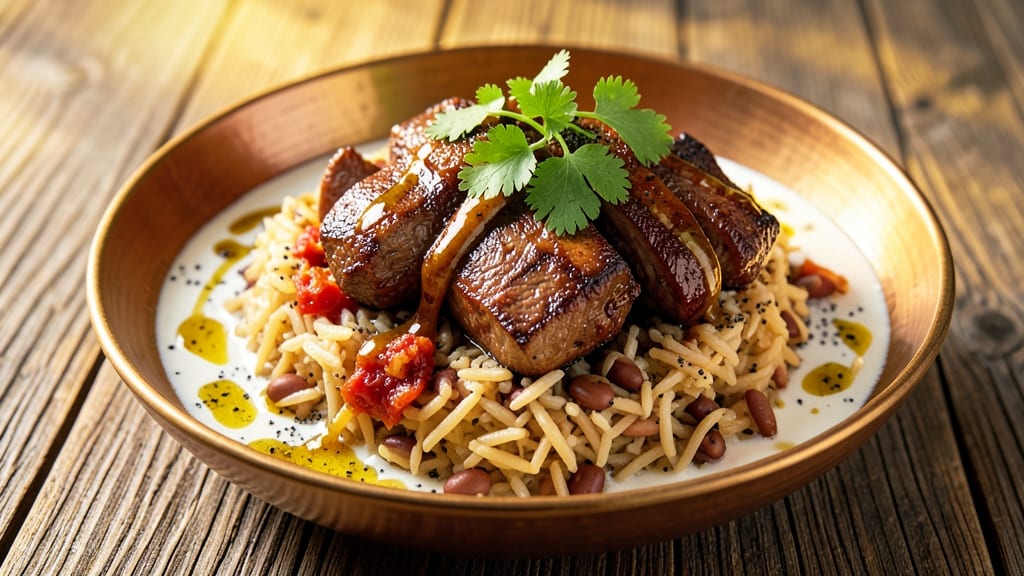
This beef bhuna khichuri recipe brings the soul of Bengali home cooking to your table, where tender beef simmers in aromatic spices and fragrant rice-lentil porridge creates the perfect harmony.
The secret lies in slow-cooking the beef with traditional Bengali spices until it's melt-in-your-mouth tender, while the khichuri transforms simple rice and lentils into a comforting, flavorful base.
What makes this dish truly special is the balance of flavors—smoky mustard oil, nutty poppy seeds, and earthy cumin—all tempered together for that signature Bengali touch.
The beauty of this recipe is in its two-part approach: first, the beef bhuna, where beef is marinated in yogurt and spices, then slow-cooked until it falls apart, absorbing all those rich, complex flavors.
Meanwhile, the khichuri comes together with rice and lentils simmered in a gentle broth, creating a porridge-like texture that's both hearty and comforting. The key to success is patience—letting the beef develop deep, layered flavors while keeping the khichuri tender and flavorful.
By the time you serve this dish, you'll have a meal that's as nourishing as it is delicious—tender beef swimming in a spiced gravy, paired with fragrant khichuri that's rich in texture and flavor.
The combination is a testament to Bengali home cooking, where every bite tells a story of tradition and care. This is the kind of meal that feels like a hug on a plate, perfect for family gatherings or cozy weeknight dinners.
The best part? This recipe scales beautifully, so you can easily adjust the quantities to feed a crowd or save leftovers for another day. The flavors only deepen over time, making it even more rewarding. Let’s get started on creating this Bengali classic in your own kitchen.
Ingredients for beef bhuna khichuri recipe bengali
Bengali spices, tender beef, and comforting rice-lentil porridge—just 17 ingredients for a dish that feels like home.
| Ingredient | Amount | Notes |
|---|---|---|
| Beef Chuck Roast 🥩 | 1 ½ lb | Cut into 1.5-inch cubes |
| Plain Yogurt 🥛 | ½ cup | Whisked smooth, full-fat preferred |
| Basmati Rice 🌾 | 1 cup | Uncooked, long-grain preferred |
| Red Lentils 🌱 | ½ cup | Rinsed thoroughly |
| Mustard Oil 🫒 | ¼ cup | For tempering, smoky preferred |
| Poppy Seeds 🌿 | 2 tbsp | Toasted lightly for nuttiness |
| Ground Cumin 🌶️ | 1 tbsp | Freshly toasted for aroma |
| Ground Coriander 🌿 | 1 tbsp | Freshly ground preferred |
| Turmeric Powder 🌶️ | ½ tsp | Bright yellow, fresh preferred |
| Garam Masala 🌶️ | 1 tsp | Store-bought or homemade blend |
| Fresh Ginger 🧄 | 2 tbsp | Finely grated, peeled |
| Onion 🧅 | 1 whole | Medium, finely chopped |
| Garlic Cloves 🧄 | 6 cloves | Minced finely |
| Tomato Puree 🍅 | ½ cup | No added salt, smooth |
| Salt 🧂 | 1 ½ tsp | Adjust to taste |
| Bay Leaves 🌿 | 2 whole | Fresh preferred |
| Cumin Seeds 🌶️ | 1 tsp | Whole seeds for tempering |
The beef is non-negotiable—chuck roast gives you that melt-in-your-mouth texture. Grab it from CostcoIndian grocery store for garam masala and mustard oil if your regular market doesn't carry them. The red lentils? No soaking needed—they cook fast and keep their shape. For the rice, Basmati is a must—it stays separate and fragrant. If you can't find mustard oil, vegetable oil works in a pinch, but it won't have that signature smoky depth.
No garam masala? Mix 1/2 tsp each cumin, coriander, cinnamon, and cardamom—it's not identical, but it'll get you close. Fresh ginger and garlic? Substitute with 1 tbsp each of paste if you're in a hurry, though fresh is always better. The yogurt should be plain and full-fat—Greek yogurt works too, but whisk it until smooth. For the khichuri, if you're short on time, use pre-cooked rice, but fresh is ideal. The tomato puree can be homemade or store-bought—just make sure it's smooth with no chunks. And trust me, toast those cumin seeds in the mustard oil—the aroma alone will make your kitchen smell like Bengali heaven.
This dish tastes even better the next day, so make extra. Store the beef bhuna and khichuri separately in airtight containers for up to 3 days in the fridge. The khichuri reheats beautifully—just add a splash of water and warm through. For leftovers, freeze portions for up to 3 months. Pro tip: Temper the mustard oil last before serving—it's the finishing touch that makes this dish sing. And if you're feeding a crowd, double the spices—they'll disappear fast!
Why You'll Love This Recipe
- One-Pot Magic: I swear by this when I’m too tired to wash dishes. The beef, lentils, and rice all simmer together—no separate pots, no fuss—just that rich, smoky aroma filling the kitchen while I chop a single onion.
- Mustard Oil Magic: Between us, this is where the dish becomes ridiculously good. The first hit of mustard oil—sharp, pungent, then mellowing into warmth—transforms the beef from good to "I’ll make this again tomorrow." (Yes, even on a Tuesday night.)
- Budget-Friendly Feast: A single beef chuck roast stretches across three meals—first as bhuna, then as leftovers reheated with mustard oil, then shredded into toast the next day. Red lentils and rice keep it cheap, but the flavor? Pure satisfaction.
- Weeknight Workhorse: I’ve served this to college students cramming for exams, my dad after surgery, and friends who "just wanted something hearty." It’s the kind of dish that feels like a hug—warm, filling, and never lets you down.
Step-by-step instructions for beef bhuna khichuri
Let's create this aromatic Bengali masterpiece where tender beef meets spiced rice in perfect harmony.
Prepare the Beef Bhuna
Heat the 0.25 cup mustard oil in a heavy-bottomed pot over medium heat. Add the 1 tsp cumin seeds and let them sizzle for 30 seconds until they release their aroma. Add the 1 whole onion and 2 tbsp fresh ginger and sauté for 5-6 minutes until the onions turn translucent and golden.
Add the 6 cloves garlic cloves, 1 tbsp ground cumin, 1 tbsp ground coriander, and 0.5 tsp turmeric powder. Stir for 1 minute until the raw smell disappears. Add the 1.5 lb beef chuck roast cut into cubes and cook for 8-10 minutes, stirring occasionally, until the beef loses its raw color.
Pour in the 0.5 cup tomato puree and cook for 5 minutes until the oil separates. Add 0.5 cup plain yogurt and stir well. Cover and cook on low heat for 45 minutes, stirring occasionally, until the beef is tender and the sauce thickens. Remove from heat and set aside.
Cook the Khichuri Base
In the same pot, add 1 cup basmati rice and 0.5 cup red lentils, giving them a good stir to coat with the beef flavors. Add 2 cups water (or enough to cover by 1 inch) and 1.5 tsp salt. Bring to a boil, then reduce heat to low and simmer for 20 minutes until the rice and lentils are tender.
Add the 2 whole bay leaves and 1 tsp garam masala to the pot. Stir gently and cook for another 5 minutes on low heat. The mixture should be slightly thick and the rice should be fluffy. Remove from heat and let it sit covered for 5 minutes.
Temper and Finish
Heat 2 tbsp poppy seeds in a small pan over medium heat for 2 minutes until they turn golden brown and release their nutty aroma. Remove from heat immediately to prevent burning.
Gently fold the toasted poppy seeds into the khichuri. Mix well and adjust the seasoning with additional salt if needed. The dish should be flavorful but not overly salty. Serve the beef bhuna over the khichuri, garnished with the toasted poppy seeds.
Here's the thing—this dish tastes even better the next day as the flavors meld together. The beef will be more tender and the spices will have had time to infuse completely. Enjoy your authentic Bengali feast!
Pro Tips For Making Beef Bhuna Khichuri Recipe Bengali
- Brown the Beef First: High heat for the first 5 minutes—until the meat develops a deep crust. I learned this the hard way: skipping this step means your bhuna will taste bland, no matter how much garam masala you add later.
- Soak Lentils Overnight: Red lentils cook faster when soaked for 2 hours, but if you’re short on time, at least rinse them twice. Unsoaked lentils turn mushy and water down your khichuri, making the texture gloopy instead of creamy.
- Temper Mustard Oil Slowly: Add mustard seeds to cold oil first, then turn the heat to low. After 30 seconds, crank it up—this prevents burning and lets the oil infuse properly. Sounds weird, but it works: burnt mustard oil ruins the whole dish.
- Mix Yogurt Last: Stir in the yogurt only at the very end, off the heat, or it’ll curdle into a grainy mess. I was skeptical until I tried it—now I never skip this, even if it feels counterintuitive.
Pro cooking tips for beef bhuna khichuri recipe bengali
Mustard Oil Mastery
The secret to authentic flavor lies in how you handle the mustard oil. Heat it over low heat—never high—until it just begins to shimmer. This prevents the oil from burning and preserves its delicate smoky aroma.
I like to test it by dropping in a pinch of cumin seeds—when they sizzle gently (not pop loudly), the oil is ready. Pro tip: If you're sensitive to mustard oil's pungency, strain it through a cheesecloth after tempering to remove any bitter residue. 🌿
Low-and-Slow Beef
Patience is key for the beef bhuna. After searing the beef, reduce the heat to low and let it cook covered for 45 minutes. The goal is to achieve 205°F internal temperature—this ensures the meat falls apart effortlessly.
I find using a heavy-bottomed Dutch oven helps distribute heat evenly. Stir the beef every 10 minutes to prevent sticking, and if the sauce gets too dry, add 2 tbsp water at a time. 🔥
Khichuri Texture Secrets
The khichuri should have a creamy yet slightly firm texture—like a thick porridge. After cooking, let it rest covered for 5 minutes to allow the grains to absorb any remaining liquid. If it's too dry, add 2 tbsp warm water and stir gently.
For extra richness, I sometimes fold in 1 tbsp ghee during the final 5 minutes of cooking. This adds a luxurious depth that balances the earthy spices. ✨
Tempering Like a Pro
Toast the poppy seeds and cumin seeds separately for maximum flavor. Poppy seeds should turn golden in 2 minutes over medium heat, while cumin seeds take just 30 seconds. The moment they release their aroma, remove them from heat immediately—burnt seeds turn bitter.
Fold them into the khichuri just before serving to keep them crisp. This step is non-negotiable for that authentic Bengali touch. 💫
Balancing Flavors
Taste as you go! The khichuri should be seasoned generously but not salted to the point of overwhelming the beef's natural richness. If the beef bhuna tastes too acidic, add ½ tsp sugar to balance the tomato base.
For heat, a pinch of red chili powder or a few drops of hot mustard oil (if you're brave!) elevates the dish. Trust your palate—Bengali cooking is all about harmony, not one-note intensity. 🌶️
Equipment Essentials
You don’t need fancy tools, but a few key items make this dish foolproof. A heavy-bottomed pot (like Lodge) prevents burning, and a wooden spoon helps scrape up those flavorful bits. For precision, a meat thermometer ensures the beef reaches 205°F.
If you’re short on time, a pressure cooker cuts the beef cooking time to 20 minutes**—just add 1 cup water and cook on high pressure for 10 minutes after the initial whistle. 💡
Nutrition facts
Frequently asked questions
Can I substitute beef with another protein for this Bengali dish?
Yes! This recipe works beautifully with chicken thighs (reduce cooking time to 25 minutes) or pork shoulder (follow beef timing). For a vegetarian version, use mushrooms or paneer—simmer them for 15 minutes after adding to the sauce. The khichuri base remains the same, but adjust salt levels if using salty substitutes like bacon or smoked meats.
Why does my khichuri turn out too dry or mushy?
Too dry? You likely didn't use enough water—aim for 2 cups liquid per 1 cup rice/lentils. Too mushy? Overcooking is the culprit—simmer for exactly 20 minutes on low heat. For extra insurance, use 1:1.5 rice-to-water ratio and cover tightly. If it's still dry after cooking, stir in 2 tbsp warm water and let sit covered for 5 minutes.
How can I make this dish spicier?
Add ½ tsp Kashmiri red chili powder or 1 tsp cayenne to the beef marinade. For heat at the end, drizzle 1 tsp hot mustard oil (heat mustard oil with a pinch of red chili flakes) over the khichuri. For smoky depth, toast ½ tsp black peppercorns with the cumin seeds during tempering. Start with small amounts—Bengali flavors are balanced, not fiery!
Can I prepare this dish ahead of time?
The beef bhuna tastes even better reheated—cook it 1 day ahead and store in an airtight container. The khichuri can be made 2 days ahead; reheat with 2 tbsp water per serving. The magic happens when flavors meld: serve the beef bhuna over reheated khichuri for maximum comfort. Pro tip: Garnish with fresh cilantro right before serving to brighten flavors.
What's the difference between khichuri and pulao?
Khichuri is a porridge-like mix of rice and lentils (usually 1:1 ratio) cooked until creamy, while pulao has whole grains (like basmati rice) cooked separately with whole spices. Khichuri is heartier, with a thicker texture—perfect for soaking up rich gravies like beef bhuna. Pulao stays fluffier and is often served as a standalone rice dish. Both are Bengali staples!