
Soups & Stews
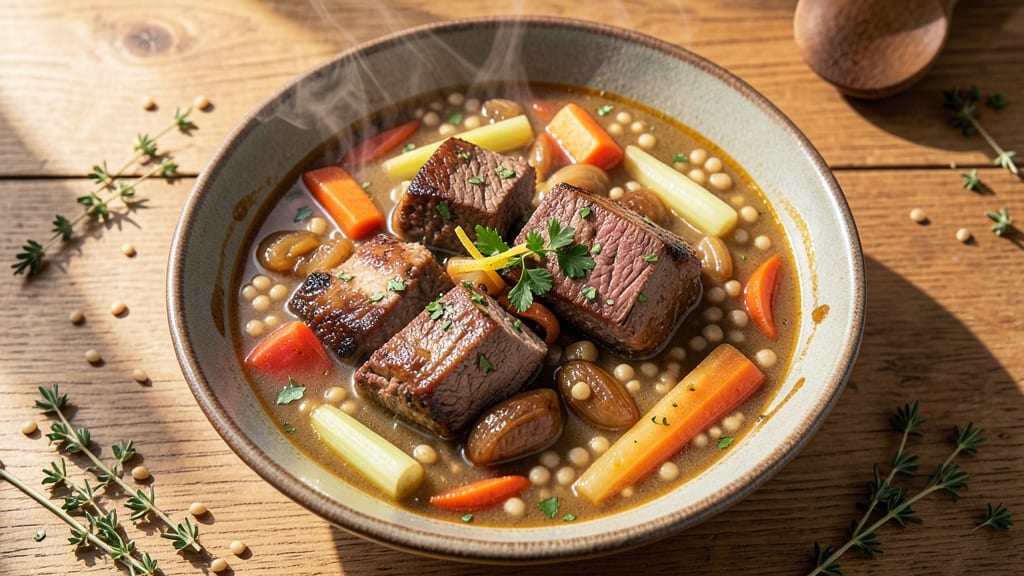
Transforming leftover prime rib into hearty beef barley soup is one of those kitchen magic tricks that turns scraps into something extraordinary. 💛 After years of testing ways to repurpose roasted beef, I've perfected this method that captures all the rich, savory essence from your prime rib while delivering a comforting weeknight meal that feels like a restaurant-quality hug in a bowl.
The secret lies in deglazing that roasting pan with broth and wine, where every browned bit clings to the meat releases its depth of flavor. This technique transforms simple ingredients into a symphony of textures—tender beef, chewy barley, and crisp vegetables—all simmered until perfectly balanced.
No fancy equipment needed, just patience and a few hours to let the flavors meld together.
What you'll end up with is a restaurant-quality soup that's rich yet light, hearty yet elegant, and packed with the kind of deep flavor that makes weeknights feel special. The barley softens just enough to be satisfying, the beef remains tender, and the broth becomes velvety without being heavy.
It's the kind of meal that warms you from the inside out while keeping prep simple.
Perfect for chilly evenings, meal prep, or turning a holiday leftovers into something new, this soup proves that great food doesn't require starting from scratch. The best part?
Every spoonful tells the story of your prime rib's second life, making it a dish that's as meaningful as it is delicious. Ready to create this comforting masterpiece?
Ingredients for beef barley soup recipe with leftover prime rib
Here's what you'll need to turn leftover prime rib into restaurant-quality beef barley soup.
| Ingredient | Amount | Notes |
|---|---|---|
| Leftover Prime Rib 🥩 | 2 cups | Diced, from roasting pan |
| Yellow Onion 🧅 | 1 whole | Chopped, medium dice |
| Carrots 🥕 | 3 medium | Peeled, cut into chunks |
| Celery Stalks 🧅 | 3 whole | Chopped, medium dice |
| Garlic Cloves 🧄 | 4 cloves | Minced, fresh preferred |
| Pearl Barley 🌾 | 1 cup | Rinsed, uncooked |
| Beef Broth 💧 | 6 cups | Low-sodium preferred |
| Red Wine 🍷 | 1 cup | Dry, like Cabernet |
| Tomato Paste 🍅 | 2 tbsp | Smooth, not chunky |
| Fresh Thyme 🌿 | 1 tbsp | Leaves only, chopped |
| Bay Leaves 🍃 | 2 whole | Dried, removed before serving |
| Salt 🧂 | 1 ½ tsp | Kosher or sea salt |
| Black Pepper 🌶️ | ½ tsp | Freshly ground |
| Olive Oil 🫒 | 2 tbsp | Extra-virgin preferred |
The prime rib is the star here—use every last bit from that roasting pan. Costco or Whole Foods sell prime rib that's perfect for this, but honestly any leftover roast beef will work. The barley takes time, so Pearl Barley from the bulk section is ideal—it's chewier than pearl barley blends and holds up better. For the veggies, Trader Joe's has great pre-chopped carrots and celery if you're short on time, but fresh is always better. The thyme? Grab a bunch—you'll use half for the soup, save the rest for garnish or other dishes.
No red wine? Dry white wine or extra beef broth works in a pinch, though red adds that depth. Fresh thyme unavailable? Dried at one-third the amount is fine, but fresh is worth hunting down. The tomato paste can be skipped if you're avoiding it, but it adds that umami punch—Rao's brand is my go-to. For the broth, low-sodium is key so you can control the seasoning. If you're using store-bought, Pacific Foods or Swanson are solid choices. The carrots and celery can be swapped for whatever veggies you have—potatoes add creaminess, mushrooms add earthiness.
This soup tastes even better the next day—honestly, it's worth making a double batch. Store leftovers in the fridge for 4-5 days or freeze for 3 months. I like to portion it into containers so lunches are sorted for the week. The barley keeps well, so you can prep everything ahead and just simmer when ready. For extra richness, stir in a spoonful of vegan butter before serving—trust me on this.
Why You'll Love This Recipe
- I’ll be real: it’s not the prettiest, but the taste makes up for it. Chop veggies while the pot heats, dump everything in, and walk away. By the time you’re done with your email, you’ve got a steaming bowl waiting—no fancy techniques, just pure satisfaction.
- No-Waste Luxury: I swear by this trick—prime rib leftovers aren’t just scraps, they’re the star. That rich, tender beef transforms into something hearty and luxurious without extra effort, and you’re not just tossing food.
- Garlic-Caramel Magic: Between us, the roasted garlic and onions develop this deep, sweet caramelization that makes every spoonful feel like a hug. The celery adds just enough bite to balance the richness—it’s the kind of flavor that lingers.
- Weeknight Crowd-Pleaser: Honestly? This feeds six for under $15 and still tastes like you slaved over it. Throw in a handful of barley, simmer, and suddenly you’ve got dinner for the soccer moms, the picky eaters, and the "I’m too tired to cook" roommate.
Step-by-step instructions for beef barley soup with leftover prime rib
Transform your prime rib leftovers into a rich, comforting bowl of soup that's perfect for busy evenings.
🍳 Step 1: Sauté the Vegetable Base
Heat the 2 tbsp olive oil in a large pot over medium heat. Add the chopped yellow onion, carrots, and celery stalks, stirring occasionally for 5-7 minutes until the vegetables soften and begin to release their natural juices. You'll know it's ready when the onions turn translucent and the carrots develop a slight caramelization.
Here's where the flavor really starts building. I like to press down gently on the vegetables with a wooden spoon to help them break down faster. If you notice the oil smells nutty or the vegetables start to brown too quickly, reduce the heat slightly to medium-low. This step is all about creating a flavorful foundation for your soup.
👨🍳 Step 2: Add Aromatics and Brown the Meat
Push the vegetables to one side of the pot and add the 2 tbsp tomato paste to the empty space. Stir for 1 minute until it darkens slightly, then add the minced garlic cloves and chopped fresh thyme. Cook for another 30 seconds until fragrant—this is where the garlic should smell pungent and the thyme should release its earthy aroma.
Add the 2 cups diced leftover prime rib to the pot, spreading it out evenly. Let it cook undisturbed for 3-4 minutes until the meat develops a nice brown crust. This browning step is crucial—it creates deep, meaty flavor that will infuse your entire soup. If the meat sticks, add a splash of red wine to help deglaze and lift it from the bottom.
🍷 Step 3: Deglaze and Simmer the Base
Pour in the 1 cup red wine and scrape up any browned bits from the bottom of the pot with a wooden spoon. Let it simmer for 2-3 minutes until the wine reduces by half and the alcohol cooks off—you'll know it's ready when the liquid smells rich and the color deepens to a ruby hue.
Add the 6 cups beef broth, 2 whole bay leaves, 1.5 tsp salt, and 0.5 tsp black pepper. Bring the mixture to a gentle boil, then reduce heat to low-medium and let it simmer uncovered for 15 minutes. This initial simmer helps meld all the flavors together and ensures your soup has a well-developed base before adding the barley.
🥘 Step 4: Cook the Barley to Perfect Tenderness
Add the 1 cup rinsed pearl barley to the simmering pot. Stir gently to distribute it evenly throughout the broth. The barley should be fully submerged—if not, add a splash of water. Increase heat to medium and bring to a boil again, then reduce to low heat and let it simmer uncovered for 45-50 minutes.
Here's where patience pays off. You'll want to stir occasionally to prevent the barley from sticking to the bottom. The barley is done when it's tender but still has a slight bite—it should be fork-tender with a creamy texture, not mushy. If you're concerned about overcooking, check at the 40-minute mark by tasting a few grains. They should be soft but still hold their shape.
⏰ Step 5: Finish and Rest for Maximum Flavor
Remove the 2 whole bay leaves from the soup. Taste and adjust seasoning if needed—this is your chance to balance the flavors. The soup should be rich and savory from the prime rib, slightly sweet from the carrots, and well-seasoned with salt and pepper.
Let the soup rest for 10-15 minutes off the heat before serving. This resting period allows the flavors to fully develop and the barley to absorb any remaining liquid, resulting in a more cohesive and flavorful bowl. Serve hot with crusty bread to soak up every last drop of that delicious broth!
Pro Tips For Making Beef Barley Soup Recipe With Leftover Prime Rib
- CHOP VEGETABLES UNIFORMLY: I used to eyeball it—big onion chunks, uneven carrots—until I realized tiny, even pieces cook faster and soak up flavor better. Aim for ¼-inch dice; celery should be matchstick-thin so it doesn’t turn to mush.
- SEAR THE MEAT FIRST: Cold prime rib straight into broth? No. Pat it dry, heat your pot until smoking, then sear the slices 2 minutes per side. That crust locks in juices and adds depth—trust me, the soup tastes richer.
- SKIP THE CROWDED POT: I learned this the hard way—dumping everything in at once leads to uneven cooking. Sear the beef, remove it, then sauté onions/veggies until soft before adding broth. Layering keeps flavors balanced.
- USE THE FAT, NOT JUST THE MEAT: Leftover prime rib has rendered fat—don’t toss it. Scrape those crispy bits into the pot with the veggies; they’ll bloom flavor like a roux. (Yes, even if it looks greasy at first.)
Wine and beer pairings for these flavors
Red Wine Pairings
A bold Cabernet Sauvignon from Napa Valley is my go-to choice for this rich, meaty soup—its dark fruit notes and tannins complement the prime rib beautifully. Look for a 2018 or newer vintage with 13-14% ABV to stand up to the soup's depth.
The wine's acidity cuts through the richness while its oak undertones enhance the tomato paste's umami. 🍷
Malbec Magic
If you prefer something smoother, an Argentinian Malbec offers velvety texture and blackberry flavors that harmonize with the barley's chewiness. I love Catena Zapata or Trapiche brands—their 14-15% ABV balances the soup's heartiness without overpowering it. The wine's slight spice notes also echo the thyme in the recipe.
Beer Alternatives
For beer lovers, a dark amber ale like Samuel Adams Noble Experiment provides malty sweetness that mirrors the carrots' natural sugars. The 6% ABV keeps it light enough to sip alongside the soup's richness. Alternatively, a Belgian dubbel like Westmalle Dubbel adds caramel depth that pairs wonderfully with the barley.
Light White Options
If you prefer white wine, a dry Riesling from Germany offers crisp acidity that refreshes your palate between spoonfuls. Look for Dr. Loosen Blue Slate—its 12% ABV and citrus notes create a delightful contrast. For beer, a wheat beer like Blue Moon works surprisingly well with its coriander finish.
Non-Alcoholic Pairings
Don't drink alcohol? No problem! Sparkling ginger beer like BrewDog Punk IPA (non-alcoholic version) adds zesty brightness, while sparkling apple cider from Martinelli's provides a crisp, sweet counterpoint. Both enhance the soup's savory notes without competing for attention. 💡
Nutrition facts
Frequently asked questions
Can I use other types of leftover beef instead of prime rib?
This recipe works beautifully with any tender, leftover beef like chuck roast, brisket, or even beef short ribs. The key is to dice the meat into ½-inch cubes for even cooking. For fattier cuts, trim excess fat before adding to the pot to keep the soup from becoming too greasy.
How can I make this soup vegetarian or vegan?
Swap the beef for mushrooms or lentils—cremini mushrooms work best for meaty texture. Use vegetable broth instead of beef broth and add 1 tbsp soy sauce or miso paste for umami depth. For vegan barley, check labels as some brands use animal-based rinses. The tomato paste and wine can stay for flavor, but use vegan wine if needed.
Why does my barley turn mushy instead of staying chewy?
Overcooking is the most common culprit! Pearl barley should simmer for 45-50 minutes—any longer and it becomes gluey. Start checking at the 40-minute mark by tasting a grain. If it's still firm, continue cooking; if it's mushy, drain some broth and stir in 1 tsp cornstarch mixed with water to thicken. Also ensure you're using 1 cup uncooked barley (not pre-cooked) and that it's fully submerged in liquid.
Can I make this soup in an Instant Pot or pressure cooker?
Yes! Follow the same steps up to the barley: sauté veggies, brown meat, and deglaze. Then add all ingredients except barley, seal the lid, and cook on high pressure for 10 minutes. Quick-release the pressure, stir in barley, and cook on high pressure for 5 minutes. Let it natural-release for 10 minutes before opening. The barley will be perfect—no mushy risk!
What's the best way to store and reheat this soup?
Store in an airtight container in the fridge for 4-5 days or freeze for 3 months. To reheat, warm on the stove over medium-low heat until bubbling, stirring occasionally. Add 1-2 tbsp water or broth if it's too thick. For microwave reheating, cover and heat in 1-minute intervals, stirring between each, until hot. The flavors actually improve after the first day!