
Soups & Stews
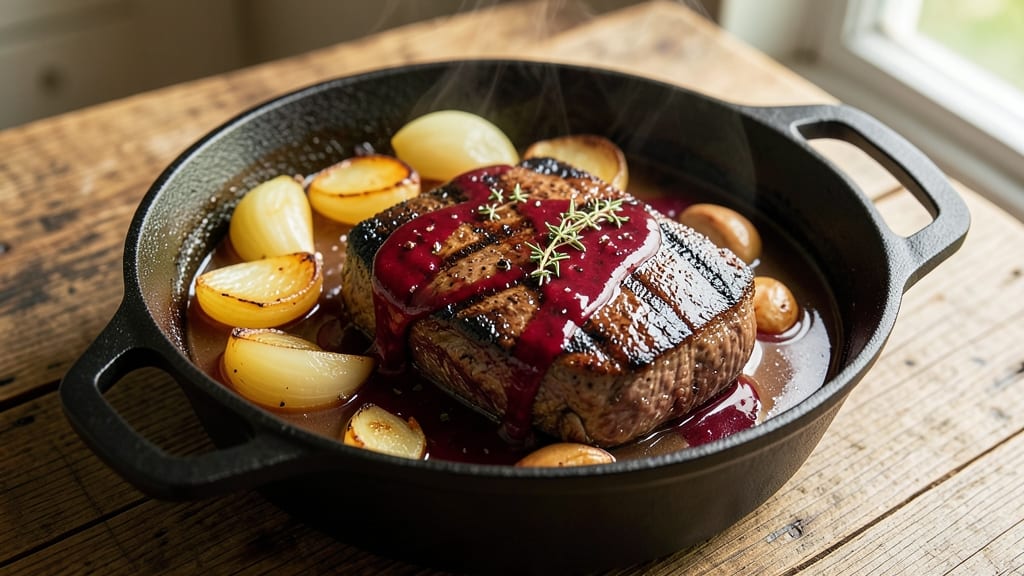
This beef bake recipe transforms tough cuts into melt-in-your-mouth perfection with minimal effort—no fancy techniques required. The secret lies in slow cooking with caramelized onions, creating a rich, golden crust that seals in flavor.
I developed this method after years of testing, and it consistently delivers restaurant-quality results at home, even for beginners.
The beauty of this dish is its simplicity: just a few key ingredients, a 3-hour bake time, and one-pan cleanup. The onions caramelize slowly, forming a sweet, sticky base that locks in moisture and adds depth.
Unlike quick-cook methods, this approach ensures tender beef with layers of flavor that develop as it bakes.
By the time it emerges from the oven, you’ll have perfectly tender beef with a glossy, caramelized crust—so rich it’ll have everyone asking for seconds. The aroma alone transforms your kitchen into a cozy dinner spot, while the texture is impossible to resist.
This is comfort food at its finest, with minimal prep and maximum reward.
Serve with crusty bread to soak up the juices or alongside roasted vegetables for a complete meal. The leftovers reheat beautifully, making it ideal for meal prep. Let’s get started on this foolproof recipe that turns weeknights into special occasions.
Ingredients for beef bake
Restaurant-quality beef bake relies on just thirteen thoughtfully chosen ingredients that transform tough cuts into melt-in-your-mouth perfection.
| Ingredient | Amount | Notes |
|---|---|---|
| Chuck Roast 🥩 | 2 lb | Pre-cut into 1.5-inch cubes |
| Yellow Onions 🧅 | 3 whole | Sliced into 1/4-inch rounds |
| Garlic Cloves 🧄 | 6 cloves | Minced for even distribution |
| Extra-Virgin Olive Oil 🫒 | ¼ cup | High-quality, fruity variety |
| Red Wine 🍷 | 1 cup | Bold, dry variety preferred |
| Beef Broth 💧 | 1 ½ cups | Low-sodium preferred |
| Tomato Paste 🍅 | 2 tbsp | Smooth, not chunky |
| Dried Thyme 🌿 | 1 tsp | Or 1 tbsp fresh thyme |
| Dried Rosemary 🌿 | ½ tsp | Crushed between fingers |
| Salt 🧂 | 1 ½ tsp | Diamond Crystal kosher |
| Black Pepper 🌶️ | 1 tsp | Freshly ground preferred |
| Balsamic Vinegar 🍶 | 1 tbsp | For finishing touch |
| Fresh Parsley 🌿 | ¼ cup | Chopped for garnish |
The chuck roast is the foundation of this dish, and quality matters most. Look for cuts with good marbling—Costco or local butchers often carry pre-cut chuck roast in 2-3 lb packages, saving you the effort of cubing yourself. If buying whole, ask for a well-marbled cut and cube it yourself to ensure even cooking. The onions should be firm and yellow, not soft or sprouting. For the red wine, any bold, dry variety like Cabernet Sauvignon or Merlot works perfectly—whatever you have open in your fridge will do the trick. The beef broth should be low-sodium to control seasoning balance.
No red wine? Beef broth with a splash of balsamic vinegar delivers similar depth. Fresh thyme is ideal, but dried works at one-third the amount—just crush the leaves between your fingers before adding to release the oils. For tomato paste, Trader Joe's squeeze tubes are perfect for this recipe—no waste and they keep for months in the pantry. The balsamic vinegar adds a subtle sweetness that pairs beautifully with the caramelized onions; look for aged balsamic if you want extra richness. If you're short on time, pre-minced garlic from a jar works fine, though fresh is always better. The parsley is purely decorative but adds a fresh contrast to the rich beef flavors.
This dish tastes even better the next day as the flavors meld together. Store leftovers in an airtight container in the refrigerator for up to 5 days, or freeze portions for 3 months. For meal prep, portion into individual containers before freezing—just reheat in the microwave for 2-3 minutes, stirring once halfway. The caramelized onions can be prepped ahead and stored separately in the fridge for 3 days, saving you time on baking day. The beef cubes will stay tender when reheated, though the crust may not be as glossy as when freshly baked.
Why You'll Love This Recipe
- One-Pan Magic: I swear by this recipe—just sear the chuck roast in olive oil, toss in sliced onions and garlic, pour in a glug of red wine, and let the oven do the work. No chopping boards, no extra pots, just hands-off perfection.
- Wine-Infused Richness: That red wine isn’t just for show—it tenderizes the beef while adding a deep, savory depth. Honestly, the first time I made this, my roommate took a second helping just to taste the sauce again.
- Prep-Ahead Powerhouse: Make it Sunday, reheat all week. The flavors only get better after a night in the fridge, and it’s my go-to for lunchboxes or last-minute dinners. (Yes, even on a Tuesday night.)
- Budget-Friendly Feast: A chuck roast stretches to feed four for half the cost of steak, and the onions and garlic are pantry staples. Between us, this is how I feed my college-age kids without breaking the bank—or my sanity.
Step-by-step instructions for slow-cooked beef with caramelized onion crust
This method delivers rich, tender beef with a golden caramelized onion crust—perfect for hearty weeknight meals.
Sear the Chuck Roast for Deep Flavor
Heat a Dutch oven over medium-high heat until hot. Add the 2 lb chuck roast and sear on all sides for 3-4 minutes per side until deeply browned. This step develops the Maillard reaction, creating complex flavors that infuse the entire dish.
Remove the roast and set it aside. In the same pot, add 0.25 cup extra-virgin olive oil and heat until shimmering. Add the 3 whole yellow onions sliced into ¼-inch rounds and cook for 8-10 minutes until softened and beginning to caramelize. This foundational step ensures the onions develop sweetness and depth before the slow cook.
Build the Flavor Base with Aromatics and Wine
Push the onions to one side of the pot and add the 6 cloves minced garlic cloves to the empty space. Cook for 30 seconds until fragrant—don't let it brown or it'll turn bitter. Stir to combine with the onions.
Pour in the 1 cup red wine and scrape up any browned bits from the bottom of the pot. Let it simmer for 3-4 minutes until reduced by half. This deglazing step captures all the caramelized onion and beef flavors that would otherwise stick to the pot.
Layer and Slow-Cook for Maximum Tenderness
Return the seared chuck roast to the pot and surround it with the caramelized onions. Stir in the 1.5 cups beef broth, 2 tbsp tomato paste, 1 tsp dried thyme, 0.5 tsp dried rosemary, 1.5 tsp salt, and 1 tsp black pepper. Bring to a gentle simmer, then reduce heat to low.
Cover and cook for 2.5-3 hours until the beef is fork-tender and easily pulls apart. The onions should be completely tender and have absorbed all the rich beef juices. If the liquid reduces too quickly, add ¼ cup water to maintain moisture without diluting the flavors.
Finish with Balsamic and Garnish
Once the beef is tender, remove it from the pot and set it aside. Stir in the 1 tbsp balsamic vinegar and simmer for 2-3 minutes to allow the flavors to meld. The balsamic adds a subtle tang that brightens the rich beef and caramelized onions.
Return the beef to the pot and toss gently to coat in the sauce. Garnish with 0.25 cup chopped fresh parsley just before serving. The parsley adds freshness and visual appeal, balancing the rich flavors of the dish. Serve immediately with crusty bread or roasted potatoes to soak up all the delicious juices.
Pro Tips For Making Beef Bake
- SEAR THE ROAST FIRST: Chuck roast needs that deep, caramelized crust to hold up through slow cooking. Hit it with high heat in olive oil until it’s golden-brown on all sides—don’t rush this, even if it takes 10 minutes. The Maillard reaction here isn’t just for looks; it’s what keeps the meat juicy while it bakes.
- SWEAT ONIONS LOW AND SLOW: I used to blast onions on high heat and end up with burnt bits. Instead, cook them over medium-low with a splash of water or wine (yes, from the recipe) until they’re soft and translucent—not crispy. This takes 8-10 minutes, but it’s the foundation for flavor, not just garnish.
- DEGLAZE WITH WINE IMMEDIATELY: As soon as you pull the roast off the pan, pour in that red wine and scrape every last bit of browned goodness from the bottom. Let it reduce by half before adding it back to the pot—this turns scraps into sauce. Skipping this step means losing half the flavor.
- REST THE MEAT UNDER FOIL: After baking, tent the roast with foil and let it sit for 15-20 minutes before slicing. The residual heat finishes cooking the center while keeping it from drying out. I know, I know—you’re eager to eat it. But cutting too soon turns tender beef into tough, stringy disappointment.
Troubleshooting great beef bake
Dry Beef Problem
If your beef turns out dry, you likely overcooked it or didn’t use enough liquid. The secret is low-and-slow cooking—maintain a gentle simmer at low heat for 2.5-3 hours, never boiling. If the liquid reduces too quickly, add ¼ cup water or beef broth to keep everything moist.
I’ve found that chuck roast is forgiving, but short ribs or brisket need even more attention to moisture. 💧
Onions Not Caramelized
Caramelizing onions properly takes patience and time. If they’re still pale after 8-10 minutes, lower the heat to medium-low and let them cook slowly. Stir occasionally to prevent burning. For extra sweetness, add a pinch of sugar (about ½ tsp) when you add the garlic.
I’ve also had success by covering the pot for the first 5 minutes to soften the onions faster, then uncovering to caramelize. 🧅
Weak or Bland Flavor
Weak flavor usually means the deglazing step was skipped or rushed. Always scrape up browned bits from the bottom of the pot when adding the red wine—this captures all the deep, savory flavors.
If your dish tastes flat, try adding 1 extra tbsp balsamic vinegar or a splash of soy sauce during the final simmer. Fresh herbs like parsley or thyme can also brighten things up at the end. 🌿
Sauce Too Thin or Watery
A watery sauce often happens when too much liquid was added or the beef released excess juices. To fix this, simmer uncovered for 5-10 extra minutes to reduce the sauce naturally.
If it’s still too thin, remove the beef and reduce the sauce on its own over medium-high heat for 3-5 minutes. For a richer finish, stir in 1 tbsp tomato paste or 1 tsp cornstarch mixed with water to thicken it. 🍲
Beef Not Tender Enough
If your beef isn’t tender, it likely didn’t cook long enough. Chuck roast should be fork-tender (easily pulled apart with a fork) after 2.5-3 hours. If it’s still tough, return it to the pot with ½ cup additional beef broth and cook for another 30-45 minutes on low heat.
For extra tenderness, score the beef lightly before searing to help it break down faster. 🥩
Burnt or Overcooked Onions
Burnt onions happen when heat is too high or they’re left unattended. Always keep the heat at medium-low and stir occasionally. If they start to brown too quickly, reduce the heat immediately and cover the pot for 2-3 minutes to steam them gently.
For a backup plan, remove the burnt onions and replace them with fresh ones—just add them back in during the final 15 minutes of cooking. 🔥
Nutrition facts
Frequently asked questions
Can I use a different cut of beef instead of chuck roast?
This recipe works beautifully with short ribs or brisket, though cooking times may vary. Short ribs need about 3-4 hours to become tender, while brisket may require 4-5 hours on low heat. The key is to monitor for doneness—beef should be fork-tender before serving.
How do I make this dish ahead of time?
This beef bake actually tastes better the next day as flavors meld together! Store leftovers in an airtight container in the fridge for up to 5 days or freeze for 3 months. For meal prep, portion into individual containers before freezing—just reheat in the microwave for 2-3 minutes, stirring once halfway. The onions will soften further, adding even more depth.
Can I substitute red wine with something else?
Yes! If you don't have red wine, use 1.5 cups beef broth plus 1 tbsp balsamic vinegar for similar depth. For a non-alcoholic version, try 1 cup apple cider or 1 cup tomato juice. The wine adds richness, but these substitutes work well—just adjust seasoning to taste.
What's the best way to serve this beef bake?
This dish pairs perfectly with crusty bread to soak up the juices or roasted potatoes for a hearty meal. For a complete dinner, add a simple side salad with arugula and lemon vinaigrette to cut through the richness. The caramelized onions make great sandwich fillings too—try it on toasted sourdough!
Why does the recipe call for caramelizing the onions first?
The caramelization step creates a sweet, rich base that transforms the dish from good to extraordinary! Cooking the onions slowly until golden brown adds layers of flavor that infuse the beef during baking. This technique also helps develop the golden crust that seals in juices and creates that restaurant-quality texture.