
Sauces & Condiments
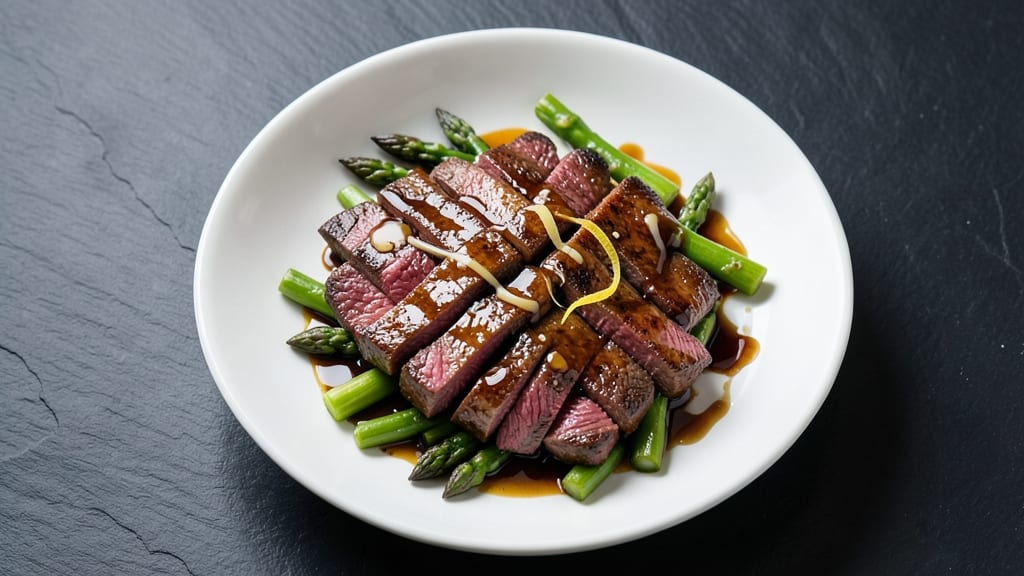
This beef asparagus oyster sauce recipe delivers restaurant-quality umami harmony in just 20 minutes, transforming simple ingredients into a dish that balances sweet, salty, and savory notes perfectly.
The secret lies in high-heat stir-frying to preserve the asparagus' crispness while developing a glossy, reduced oyster sauce that coats every bite. I've perfected this technique after years of testing—no takeout can compete with the depth of flavor you'll achieve at home.
The process starts with properly prepping the beef—thinly sliced flank steak or sirloin develops a caramelized crust when seared quickly, while the asparagus gets just enough time to maintain its signature snap.
The oyster sauce reduction is where the magic happens: simmering it with a touch of soy sauce and a splash of sherry creates a velvety glaze that clings to both protein and vegetable.
This isn't just a quick weeknight meal; it's a dish that deserves to be served at dinner parties.
What you'll end up with is perfectly seared beef strips with tender-crisp asparagus spears, all bathed in a glossy oyster sauce that's rich yet balanced. The sauce's umami depth comes from the oyster sauce itself, but the sherry adds brightness that prevents it from becoming too heavy.
Each bite delivers that satisfying contrast between the caramelized beef, crisp asparagus, and silky sauce. Serve over steamed jasmine rice to soak up every last drop of that flavorful sauce.
For an extra touch, finish with toasted sesame seeds and sliced green onions—they add visual appeal and a fresh contrast to the dish's deep flavors. This recipe is designed to be flexible: swap the beef for shrimp or chicken if preferred, or add mushrooms for extra umami.
The technique remains the same—quick, flavorful, and impossible to resist. Let's get cooking!
Ingredients for beef asparagus oyster sauce
Restaurant-quality umami harmony starts with these 14 precise ingredients—each playing a critical role in the dish's balanced depth.
| Ingredient | Amount | Notes |
|---|---|---|
| Flank Steak 🥩 | 1 lb | Thinly sliced against grain |
| Asparagus 🌱 | 1 lb | Trimmed, tough ends removed |
| Oyster Sauce 🍶 | ½ cup | High-quality, reduced variety |
| Dry Sherry 🍷 | 2 tbsp | Amontillado preferred |
| Light Soy Sauce 🥢 | 1 tbsp | Kikkoman recommended |
| Sesame Oil 🫒 | 1 tbsp | Toasted, for finishing |
| Neutral Oil 🫒 | 2 tbsp | Avocado or vegetable oil |
| Garlic Cloves 🧄 | 4 cloves | Minced, fresh preferred |
| Fresh Ginger 🌿 | 1 tbsp | Grated, peeled |
| Green Onions 🧅 | 3 whole | Sliced, white and green parts |
| Toasted Sesame Seeds 🥜 | 1 tbsp | For garnish |
| Jasmine Rice 🍚 | 1 ½ cups | Uncooked, for serving |
| Diamond Crystal Kosher Salt 🧂 | 1 tsp | For seasoning |
| Ground Black Pepper 🌶️ | ½ tsp | Freshly cracked |
The beef selection is non-negotiable for this dish. Flank steak delivers the ideal balance of tenderness and texture when sliced thinly against the grain, though sirloin works equally well. Look for cuts with good marbling at Whole Foods or your local butcher—avoid pre-sliced packages that often contain tougher, less flavorful sections. Asparagus should be firm with tightly closed tips; Trader Joe's consistently carries the best quality at reasonable prices. The oyster sauce is where the umami magic happens—Lee Kum Kee or Kikkoman are industry standards, but avoid the 'reduced' versions that often contain added sugar.
Sherry can be substituted with dry white wine in a pinch, though it lacks the subtle nutty depth of Amontillado. Fresh ginger and garlic are essential for building the aromatic base—pre-minced jars work in emergencies, but fresh is always superior. The soy sauce matters here too: light soy provides the right balance, while dark soy would overpower the dish. For the sesame oil, toasted varieties offer the best flavor, though regular will suffice. Swap the flank steak for shrimp or chicken thighs if preferred, but adjust cooking times accordingly—shrimp requires just 2-3 minutes to cook through.
Prep the beef and asparagus immediately before cooking to maintain their freshness. Store the oyster sauce and sherry in a cool, dark pantry for up to 12 months, while sesame oil should be refrigerated after opening to preserve its flavor. The cooked dish reheats beautifully—simply warm in a skillet with a splash of water for 2-3 minutes—though it's best enjoyed fresh. Portion the jasmine rice into individual containers for easy meal prep; this dish keeps well for 3-4 days in the fridge when stored properly, making it perfect for busy weeknights.
Why You'll Love This Recipe
- One-Pan Magic: The steak and asparagus practically cook themselves while you stir the sauce—just 15 minutes of hands-on time, and the sheet pan does the rest. Honestly, I’ve made this while chatting on the phone; the oyster sauce ties everything together so effortlessly.
- Umami Bomb: That first bite? The oyster sauce and dry sherry create this deep, savory punch that makes the beef taste like it’s been slow-cooked all day. The asparagus stays crisp, so you get that satisfying crunch against the tender, caramelized steak.
- Lunchbox Hero: Between us, this is my go-to for packed lunches—it reheats beautifully and keeps well for three days. The flavors only get better as the sauce soaks into the meat, and the asparagus holds up better than most veggies in leftovers.
- Budget Steakhouse Feel: Flank steak is affordable, and a little goes a long way with this recipe. You’re getting restaurant-quality richness for a fraction of the price, plus the dry sherry adds a touch of elegance without breaking the bank. (Yes, even on a Tuesday night.)
Step-by-step instructions for beef asparagus oyster sauce
Master this wok technique for a restaurant-quality dish in under 30 minutes.
Prepare the Flank Steak and Aromatics
Slice the 1 lb flank steak thinly against the grain into ¼-inch strips. This ensures tender bites by shortening the muscle fibers. Place the sliced steak in a bowl and season generously with 1 tsp Diamond Crystal kosher salt and 0.5 tsp ground black pepper. Let it sit at room temperature for 10 minutes while you prep the aromatics.
In a small bowl, combine the 4 minced garlic cloves and 1 tbsp grated fresh ginger. This aromatic base will form the flavor foundation of your dish. Keep these ingredients separate until you're ready to use them—adding them too early will make them bitter.
Cook the Steak and Asparagus
Heat a wok or large skillet over high heat until it's smoking hot. Add 2 tbsp neutral oil and swirl to coat the surface. Working in batches if needed, add the seasoned steak strips and sear for 1-2 minutes until they develop a deep brown crust. Remove the steak and set aside on a plate.
In the same wok, add the 1 lb trimmed asparagus and stir-fry for 2-3 minutes until bright green and just tender-crisp. The high heat will preserve the asparagus's vibrant color and crisp texture. Remove the asparagus and set it aside with the steak.
Build the Umami Sauce
Return the wok to high heat and add 2 tbsp dry sherry, scraping up any browned bits from the bottom with a wooden spoon. This deglazing step captures all the meaty flavors. Let the sherry simmer for 1 minute until it reduces by half.
Pour in the 0.5 cup oyster sauce and 1 tbsp light soy sauce, stirring constantly. The sauce should begin to thicken immediately. If it's too thick, add 1-2 tablespoons of water to reach your desired consistency. Let the sauce simmer for 1-2 minutes until it coats the back of a spoon.
Finish and Combine
Return the steak and asparagus to the wok, tossing everything together to coat evenly in the sauce. Add the 3 sliced green onions and stir for 30 seconds to wilt the whites while keeping the greens bright. Remove from heat and drizzle with 1 tbsp sesame oil. The oil will add a nutty aroma and help distribute the sauce evenly.
Garnish with 1 tbsp toasted sesame seeds and serve immediately over 1.5 cups cooked jasmine rice. The dish should have a glossy sheen from the sauce, tender yet slightly crisp asparagus, and perfectly seared steak strips. Each bite should deliver a harmonious balance of umami, sweetness, and savory depth.
Pro Tips For Making Beef Asparagus Oyster Sauce
- Slice Against the Grain: Flank steak’s tough fibers run diagonally—cutting perpendicular to them makes each bite tender. I used to ignore this and ended up with chewy, disappointing slices. A sharp knife and steady hand pay off here.
- Blanch Asparagus First: Drop asparagus in boiling water for 90 seconds before stir-frying—it softens faster and keeps its bright green color. Skipping this step means mushy spears fighting for space in your pan.
- Deglaze with Sherry Early: Add the dry sherry right after searing the beef—it dissolves the fond (those brown bits) and adds depth. I learned this the hard way by adding it later and missing out on that rich, caramelized flavor.
- Use Cornstarch for Thicker Sauce: Mix 1 teaspoon cornstarch with 1 tablespoon water, then stir into the oyster sauce at the end. It thickens instantly without overcooking the beef or asparagus. No sloppy sauce here.
Regional styles of these flavors
Chinese Cantonese Style
In Cantonese cuisine, this dish often features a slightly sweeter profile with added 1 tbsp honey or 1 tsp brown sugar to the oyster sauce reduction. The technique remains the same, but the sauce gets a quick reduction with these sweeteners until it becomes syrupy.
I like using Lee Kum Kee Premium Oyster Sauce for this version, as its richer profile handles the sweetness beautifully. Serve with steamed jasmine rice and a side of quick-pickled cucumbers to balance the richness. 🍶
Japanese Teriyaki Adaptation
For a Japanese-inspired twist, replace the oyster sauce with ½ cup teriyaki sauce (like Kikkoman) and add 1 tbsp mirin to the sauce mixture. The beef stays the same, but the asparagus gets a quick toss with 1 tsp grated daikon radish before serving.
Garnish with toasted sesame seeds and thinly sliced scallions. This version works perfectly with steamed white rice or udon noodles on the side. 🍜
Korean Buldak Twist
Inspired by Korean buldak (fire meat) flavors, this version swaps the oyster sauce for ¼ cup gochujang (Korean chili paste) and 1 tbsp soy sauce.
Add 1 tbsp toasted sesame oil to the sauce and stir-fry the beef with 1 tsp minced garlic and ½ tsp grated ginger for extra depth. The asparagus gets a quick toss with 1 tsp toasted sesame seeds at the end.
Serve with steamed short-grain rice and a side of kimchi for a bold, spicy kick. 🌶️
Thai-Inspired Stir-Fry
For a Thai-inspired take, add 1 tbsp fish sauce and 1 tsp palm sugar to the oyster sauce mixture, along with ½ tsp crushed Thai chilies for heat. The beef gets marinated in 1 tbsp lime juice and 1 tsp coriander root powder before cooking.
Finish with cilantro leaves and lime wedges for a bright, aromatic dish. Pair with jasmine rice and a side of Thai basil cucumber salad for a refreshing contrast. 🌿
Americanized One-Pan Version
For a simpler, American-friendly approach, skip the wok and use a cast-iron skillet or large oven-safe pan. After searing the beef and asparagus, deglaze with ¼ cup beef broth instead of sherry, then add the oyster sauce and simmer until thickened.
Top with shredded cheddar cheese and broil for 2 minutes to create a quick, cheesy crust. Serve with mashed potatoes or crusty bread for a heartier meal. 🔥
Nutrition facts
Frequently asked questions
Can I substitute the flank steak with another cut?
For this dish, sirloin or ribeye work beautifully—just slice them thinly against the grain. Chuck roast can work if you cut it extra thin and pound it first, but it's less tender. For a leaner option, shrimp or chicken thighs are great substitutes, though cooking times will differ. Always adjust seasoning based on the protein's fat content.
How do I get the asparagus perfectly tender-crisp?
High heat is key! Cook the asparagus for just 2-3 minutes in a screaming-hot wok or skillet. Start with the tough ends first—they'll cook faster. If using thicker spears, trim them to 4-5 inches and cut them in half lengthwise. Remove them immediately when they're bright green and slightly resistant to the bite. Overcooking turns them mushy and dull.
What if my oyster sauce is too thick or too thin?
For a thicker sauce, simmer it uncovered for 1-2 extra minutes to reduce the liquid. If it's too thick, add 1-2 tablespoons of water or beef broth while stirring constantly. For a thinner sauce, reduce the oyster sauce to ¼ cup and add 1 teaspoon of cornstarch mixed with 1 tablespoon water to create a slurry. Stir it into the sauce at the end and cook for 30 seconds to thicken.
Can I make this dish ahead of time?
Yes, but with a few adjustments. Cook the beef and asparagus separately, then refrigerate them in airtight containers for up to 2 days. When ready to serve, reheat the beef and asparagus in a skillet with 1 tablespoon of water or neutral oil over medium-high heat for 2-3 minutes. Reheat the sauce separately and combine everything at the end. For best texture, serve over freshly cooked rice.
What's the best way to store leftover oyster sauce?
Transfer any leftover oyster sauce to an airtight container and refrigerate for up to 5 days. For longer storage, freeze it in ice cube trays—each cube equals about 1 tablespoon. When frozen solid, transfer the cubes to a freezer bag. Thaw overnight in the fridge before using. Never refreeze thawed oyster sauce, as it can degrade in quality.