
Soups & Stews
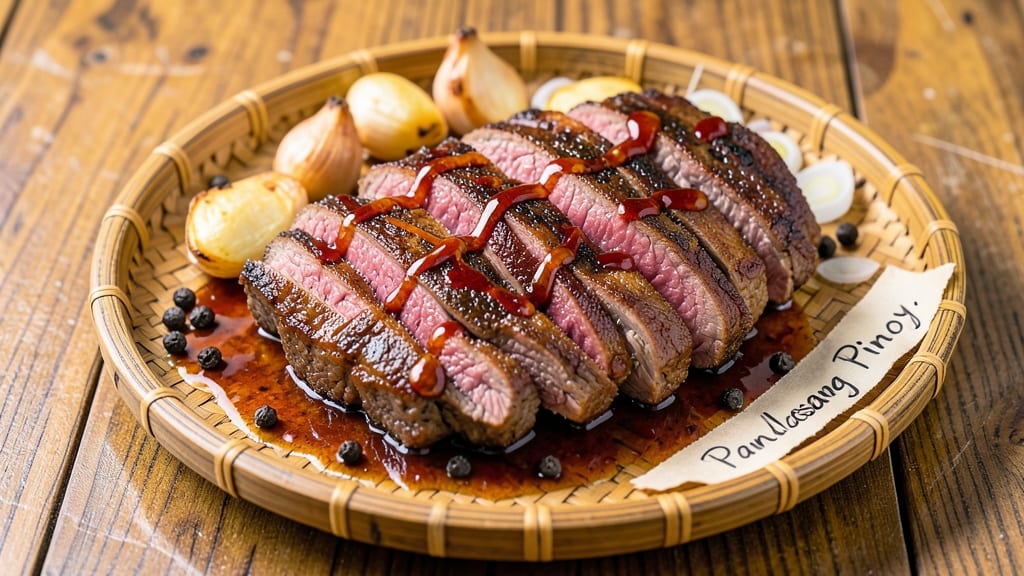
This Filipinized beef asado recipe panlasang Pinoy brings the smoky, tender magic of Argentine asado to Filipino tables with a tangy, aromatic twist. ✨ The secret lies in marinating thick beef cuts with calamansi, garlic, and a touch of achuete for that signature golden hue—then slow-braising until the edges crisp and the meat falls apart effortlessly.
What sets this dish apart is the fusion of techniques: the beef starts on high heat for caramelization, then simmers low and slow in a vinegar-braised sauce infused with Filipino flavors.
The result? Juicy, deeply savory beef with a glossy, slightly sticky exterior that's impossible to resist. Every bite delivers that perfect balance of smoky char and tender meat.
Serve this showstopper with garlic fried rice and atchara for a complete Filipino feast. The crispy edges contrast beautifully with the soft rice, while the tangy pickled papaya cuts through the richness. This isn't just beef asado—it's a celebration of Filipino adaptation with restaurant-quality depth.
Ready in about 3 hours (mostly hands-off time), this recipe delivers crispy, fall-apart beef that will impress even the most discerning guests. The marinade transforms tough cuts into melt-in-your-mouth perfection, and the slow braising ensures maximum flavor in every bite. Let's make this Filipino twist on a classic!
Ingredients for beef asado recipe panlasang pinoy
Sixteen ingredients transform tough beef into restaurant-quality Filipino asado with crispy edges and smoky depth.
| Ingredient | Amount | Notes |
|---|---|---|
| Beef Chuck Roast 🥩 | 3 lb | Thick-cut, 1.5-inch slices preferred |
| Calamansi Juice 🍋 | ½ cup | Freshly squeezed, or substitute lime |
| Garlic Cloves 🧄 | 8 cloves | Minced, for marinade and sauce |
| Achuete (Annatto) Powder 🌶️ | 1 tsp | For signature golden hue |
| Cane Vinegar 💧 | ½ cup | White or apple cider vinegar |
| Soy Sauce 🍶 | ¼ cup | Dark soy for deeper color |
| Brown Sugar 🍚 | ¼ cup | Packed, for caramelization |
| Black Peppercorns 🌶️ | 1 tbsp | Coarsely crushed, fresh preferred |
| Bay Leaves 🌿 | 2 whole | Fresh if available, dried works |
| Olive Oil 🫒 | ¼ cup | Extra-virgin for high-heat searing |
| Shallots 🧅 | 3 whole | Thinly sliced, for sauce base |
| Tomatoes 🍅 | 2 whole | San Marzano if available, diced |
| Kosher Salt 🧂 | 1 ½ tsp | Diamond Crystal preferred |
| Fresh Thyme 🌿 | ¼ cup | Leaves only, chopped |
| Green Onions 🧅 | 3 whole | Sliced, for garnish |
The beef cut is non-negotiable—chuck roast delivers that melt-in-your-mouth texture when cooked low and slow. Filipino markets or specialty Asian grocers often carry achuete powder, but if unavailable, annatto seeds steeped in oil work too. Calamansi is the star here—Filipino markets sell it fresh, or use a mix of lime and a pinch of sugar to mimic its tart-sweet balance. For the vinegar, cane vinegar gives the most authentic flavor, but white vinegar in a pinch won't ruin the dish. The shallots and tomatoes form the sauce base, so San Marzano tomatoes (if available) add natural sweetness that pairs perfectly with the vinegar's acidity.
No calamansi? Double the lime juice and add 1 tsp sugar—it's not identical, but close enough for a crowd. Running out of achuete? Turmeric at half the amount gives color, though lacks the authentic flavor. The brown sugar can be swapped for white sugar or coconut sugar, but brown adds that caramelized depth to the sauce. Fresh thyme is ideal, but dried thyme at one-third the amount works in a bind. For the beef, ribeye or sirloin steaks can substitute if chuck is unavailable—just reduce cooking time by 30 minutes. The key is high-heat sear first, then slow braise to render fat and develop flavor.
This dish tastes even better the next day—make extra for leftovers. Store in an airtight container in the fridge for 4-5 days, or freeze for 3 months in portion-sized containers. For reheating, low heat is critical—never microwave as it turns the sauce rubbery. The crispy edges soften when reheated, so I recommend serving fresh if possible. Garnish with fresh thyme and green onions right before serving—they add brightness that flatters the rich, smoky beef. The sauce thickens as it cools, so a splash of water or vinegar can restore its glossy consistency when reheating.
Why You'll Love This Recipe
- One-Pan Magic: I swear by this—just sear the beef, toss in the garlic and vinegar, then let the calamansi juice work its tangy sorcery while you sip coffee. No flipping, no fussing, and the achuete powder gives it that golden glow without extra effort.
- Tangy-Garlic Bomb: That first bite? The garlic sizzle paired with the bright calamansi cuts through the richness of the beef like a citrusy hug. Honestly, I’ve tried other asados, but this combo—especially the cane vinegar’s sharp kick—makes it my go-to.
- Leftover Hero: Between us, this beef gets better the next day. The flavors meld into something deeper, and I’ve turned it into sandwiches, rice bowls, or even a quick stir-fry. (Yes, even on a Tuesday night when lunch is just "whatever’s left.")
- Budget Beef Boost: A single chuck roast stretches for days—feed the family dinner, pack lunches, or freeze portions for lazy nights. The achuete and calamansi might seem fancy, but they’re cheap staples that make this taste like a restaurant dish without the markup.
Step-by-step instructions for smoky vinegar-braised beef with crispy edges
Master this Filipino technique for tender beef with caramelized edges and aromatic vinegar sauce.
🔥 Step 1: Sear the Beef for Deep Flavor
Heat a heavy Dutch oven over medium-high heat until very hot. Add the 3 lb beef chuck roast and sear on all sides until deeply browned with crispy edges—about 8-10 minutes total. The goal is to develop a rich Maillard crust that will later caramelize in the sauce.
Once browned, remove the beef and set aside. In the same pot, add the 0.25 cup olive oil and let it heat until shimmering. This residual fat will become the foundation of your sauce, carrying all those beautiful browned bits that create depth of flavor.
👨🍳 Step 2: Build the Aromatic Base
To the hot oil, add the 3 whole shallots and 8 cloves garlic cloves, cooking for 2-3 minutes until softened and fragrant. The shallots should turn translucent while the garlic releases its sweet, pungent aroma—this is your signal to proceed.
Stir in the 1 tsp achuete (annatto) powder and 1 tbsp black peppercorns, toasting for 30 seconds until the spices are visibly activated. This step develops the signature golden hue and complex spice profile that defines this dish. Don't walk away—burnt spices ruin everything.
🍳 Step 3: Develop the Vinegar-Braised Sauce
Pour in the 0.5 cup cane vinegar and 0.5 cup calamansi juice, scraping up any browned bits from the bottom. The mixture will bubble vigorously as the acidity reacts with the oil. Let it simmer for 3-4 minutes until reduced by half and slightly syrupy.
Add the 2 whole tomatoes (diced), 0.25 cup soy sauce, 0.25 cup brown sugar, 1.5 tsp kosher salt, and 2 whole bay leaves. Stir well and return the beef to the pot, submerging it completely in the sauce. The sugar will begin caramelizing, creating that beautiful glossy sheen we want.
⏰ Step 4: Braise Until Fork-Tender
Bring the liquid to a gentle simmer, then cover and transfer to a 325°F oven. Braise for 2.5-3 hours until the beef is fork-tender with no resistance. The sauce should reduce to a thick, glossy consistency that clings beautifully to the meat.
Check periodically after 2 hours—your oven might run hot, and we want to avoid drying out the beef. The beef is done when it easily pulls apart with two forks and the sauce has thickened to a syrupy state. This low-and-slow cooking transforms tough chuck into melt-in-your-mouth tenderness.
🥘 Step 5: Finish with Fresh Herbs and Garnish
Remove the beef from the pot and transfer to a serving platter. Skim any excess fat from the sauce, then stir in the 0.25 cup fresh thyme. Return the beef to the pot just to warm through for 2 minutes, allowing it to absorb those final aromatic notes.
Garnish with 3 whole green onions (sliced) and serve immediately with the rich vinegar sauce spooned generously over each portion. The contrast of crispy edges with tender meat and tangy-sweet sauce makes every bite unforgettable. For best results, serve with steamed rice to soak up every last drop of that glorious sauce.
Pro Tips For Making Beef Asado Recipe Panlasang Pinoy
- Sear the Chuck Hard: Slap that beef chuck roast in a screaming-hot pan with just a drizzle of oil—no crowding—until deep brown crust forms. I learned this the hard way: skipping the sear means flavor gets stuck in the middle where no one tastes it, and the achuete powder won’t cling right.
- Blend the Vinegar: Mix your cane vinegar with calamansi juice before adding it to the pan—about 30 minutes ahead. The acidity mellows out, so you don’t end up with a mouth-puckering sauce. (Yes, even if you’re impatient like me.)
- Dust with Achuete Early: Sprinkle the annatto powder over the beef right after searing, while the meat’s still hot. It’ll bloom into that golden-red hue instantly instead of clumping into sad orange dust at the bottom of the pan.
- Deglaze with Garlic: After searing, toss in those minced garlic cloves first when deglazing—let them sizzle for 30 seconds before adding vinegar. That’s when they release their sweetness instead of just burning into bitter bits. (Your future self will notice the difference.)
Make-ahead tips for this beef asado recipe panlasang pinoy
Marinade Prep Ahead
Prepare the marinade ingredients 1 day ahead and store them in a sealed container in the fridge. The calamansi juice and cane vinegar will mingle beautifully, deepening their flavors.
I like to mix the minced garlic, achuete powder, and crushed black peppercorns first—they create a fragrant paste that intensifies overnight. 🌶️
Beef Prep Timeline
Pat the 3 lb beef chuck roast dry with paper towels and refrigerate uncovered for 30 minutes before marinating. This step is crucial—it helps the marinade penetrate deeper and creates better browning.
Store the beef in a ziplock bag with the marinade for up to 24 hours, turning occasionally for even coating. I usually prep this the night before for maximum flavor infusion.
Sauce Base Prep
Chop the shallots and garlic cloves for the sauce base ahead of time and store them in a small container. The tomatoes can also be diced and kept in the fridge for 2 days.
This saves you 15 minutes of prep on cooking day. When ready to cook, simply toss these ingredients into your hot Dutch oven without any extra chopping. ✨
Slow Cooker Option
For a hands-off approach, sear the beef as directed, then transfer it to a 6-quart slow cooker with all sauce ingredients. Cook on low for 8 hours or high for 5 hours. The slow cooker maintains consistent temperature, ensuring tender beef without monitoring. This method is perfect for busy days when you can't be home for hours. Just
Leftovers Strategy
This dish tastes even better the next day! Store leftovers in an airtight container in the fridge for up to 5 days. When reheating, use a skillet over low heat with 2 tbsp water or vinegar to restore the sauce's glossy texture. For freezing, portion into quart-sized containers with sauce and freeze for 3 months. Thaw overnight in the fridge before reheating.
Sauce Thickening Hack
If the sauce seems too thin after reheating, mix 1 tbsp cornstarch with 2 tbsp water and stir into the simmering sauce. Cook for 2-3 minutes until thickened to your desired consistency.
This works wonders for restoring that perfect sauce-to-meat ratio. I keep this trick handy whenever I reheat leftovers—it's a game-changer for presentation! 💫
Nutrition facts
Frequently asked questions
Can I substitute calamansi with something else?
If you can't find calamansi, mix 0.5 cup lime juice with 1 tsp sugar for a similar tart-sweet balance. For extra depth, add a splash of rice vinegar—it mimics the complexity of calamansi while keeping the dish authentically Filipino.
What's the best beef cut for this recipe?
Chuck roast is ideal—it's flavorful and becomes fork-tender when braised. For quicker cooking (2 hours instead of 3), use ribeye or sirloin steaks (cut into 1.5-inch chunks). Just reduce oven time by 30 minutes and monitor closely to avoid overcooking.
Why does my sauce turn out too thin?
Sauce thinning happens when the beef releases too much liquid during braising. To fix it, simmer uncovered for 10-15 minutes to reduce the sauce naturally. For reheating leftovers, add 1 tbsp cornstarch mixed with 2 tbsp water and cook until thickened.
Can I make this in an Instant Pot?
Yes! Sear the beef first, then add all sauce ingredients and cook on high pressure for 60 minutes. Release pressure naturally, then finish with 5 minutes on sauté to thicken the sauce. The Instant Pot cuts cooking time by about 1 hour while keeping the beef tender.
How do I serve this like a Filipino feast?
Pair with garlic fried rice, atchara (pickled papaya), and steamed rice for a complete meal. For extra flair, serve with banana ketchup or sliced cucumbers to balance the richness. The tangy atchara cuts through the beef's smokiness beautifully!