
Soups & Stews
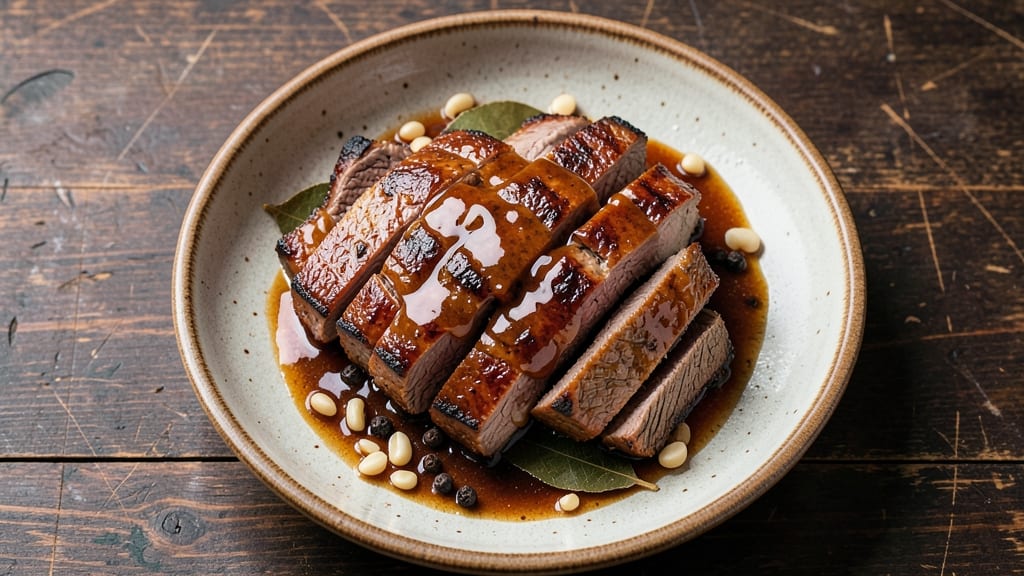
The Kapampangan beef asado delivers melt-in-your-mouth tenderness with a signature tangy, smoky flavor that defines Filipino grill culture. This traditional dish from Pampanga marries vinegar, garlic, and black pepper into a marinade that transforms tough cuts into restaurant-quality bites.
The secret lies in slow marinating and proper grilling—whether over charcoal or wood—creating a dish that’s as nostalgic as it is delicious.
What sets this recipe apart is its balance of simplicity and depth. The marinade’s vinegar tenderizes the meat while building complex flavors, and the high-heat grill adds that coveted char.
Unlike other grilled meats, Kapampangan asado is designed for communal dining—think crispy edges, juicy centers, and a sauce that clings to every bite. It pairs perfectly with sinigang (sour soup) or arroz valenciana (saffron rice) for an authentic Filipino feast.
Modern adaptations allow for slow-cooked versions, making it ideal for weeknight dinners without sacrificing flavor. The result is a dish that’s rich, aromatic, and deeply satisfying—proof that tradition and innovation can coexist. Ready to master this Kapampangan classic? Let’s get started.
This recipe delivers on tenderness while preserving the dish’s cultural roots, ensuring every bite carries the essence of Pampanga’s culinary heritage. Whether grilling over charcoal or adapting for a slow cooker, the key is patience and attention to the marinade. Serve with confidence—your table will thank you.
Ingredients for beef asado kapampangan
Six ingredients transform tough beef into melt-in-your-mouth Kapampangan grill magic.
| Ingredient | Amount | Notes |
|---|---|---|
| Beef Chuck Roast 🥩 | 3 lb | Tough cut, pre-cubed if possible |
| White Vinegar 🍶 | 1 cup | Distilled preferred for tang |
| Garlic Cloves 🧄 | 12 cloves | Freshly minced, aromatic base |
| Black Peppercorns 🌶️ | 2 tbsp | Freshly cracked for intensity |
| Soy Sauce 🍶 | ½ cup | Light or dark, Filipino brands best |
| Brown Sugar 🍚 | ¼ cup | Packed, balances acidity |
| Olive Oil 🫒 | ¼ cup | Extra-virgin for richness |
| Bay Leaves 🌿 | 2 whole | Fresh preferred, dried works |
| Onion 🧅 | 1 whole | Yellow, sliced for marinade |
| Salt 🧂 | 1 ½ tbsp | Diamond Crystal preferred |
| Charcoal or Wood Chips 🔥 | 2 cups | Binchotan preferred for smokiness |
| Lime Juice 🍋 | 2 tbsp | Freshly squeezed, bright finish |
The beef cut is everything—chuck roast with its marbling delivers that signature tenderness. Look for pre-cubed at Filipino markets or your butcher's counter, where they'll often have it ready for asado. If you're buying a whole roast, cube it yourself for even cooking. The vinegar is non-negotiable—Filipino brands like Silver Swan add a subtle sweetness that's hard to replicate with generic distilled vinegar. For the garlic, eleven cloves gives you that deep, aromatic punch without overpowering. Freshly cracked peppercorns make all the difference—skip the pre-ground stuff.
No white vinegar? Canola vinegar works in a pinch, but you'll lose that authentic tang. Short on soy sauce? Coconut aminos at half the amount mimics the umami. The brown sugar can be swapped for coconut sugar for a caramel note. For the grill, binchotan charcoal is ideal but hard to find—regular lump charcoal works just fine. The lime juice is optional but recommended—it brightens the dish right before serving. Pro tip: If you're marinating overnight, add the lime juice just before cooking to prevent the meat from getting too soft.
Marinate the beef for at least 4 hours, but overnight is ideal. The flavors meld beautifully when kept in the fridge. For grilling, medium-high heat gives you that perfect char while keeping the centers juicy. If you're not grilling, cast iron or a Dutch oven works great for the slow-cooked version. Leftovers? Store in an airtight container for 3-4 days—they reheat beautifully. The sauce thickens as it cools, so add a splash of water when reheating if needed.
Why You'll Love This Recipe
- No-Fuss Marinade: Honestly, I just toss the beef in a bowl with vinegar, crushed garlic, and peppercorns—no fancy steps. The soy sauce ties it all together while I prep the rest of dinner, and by the time I’m done, the meat’s already soaking up those bold flavors.
- Umami Bomb: That combo of vinegar and soy sauce? It’s like a flavor explosion in your mouth—tangy, salty, and just a little sweet. The garlic cloves roasted right into the beef make every bite taste like a Kapampangan comfort hug.
- Leftovers That Win: I swear, this dish tastes even better the next day. Slice the roast thin for sandwiches, throw it in fried rice, or just reheat with a splash of water—it’s my go-to for lazy lunches all week.
- Budget Stretch: A single chuck roast feeds my whole family for days, and the ingredients? Mostly pantry staples. I’m talking cheap, filling, and still restaurant-quality—no guilt, just satisfaction. (Yes, even on a Tuesday night.)
Step-by-step instructions for beef asado Kapampangan
Here's how to transform tough beef into melt-in-your-mouth tenderness with smoky depth.
Create the Vinegar Marinade
In a large bowl, combine the 1 cup white vinegar, 0.5 cup soy sauce, 0.25 cup brown sugar, 0.25 cup olive oil, 12 minced garlic cloves, 2 whole bay leaves, and 1 whole sliced onion. This marinade is the secret weapon - the vinegar tenderizes while the sugar and soy build complex flavor. Stir well until the brown sugar dissolves completely.
Add the 3 lb beef chuck roast cubes and turn to coat thoroughly. Press the beef down to ensure every piece absorbs the marinade. Cover and refrigerate for at least 8 hours (overnight is ideal). The acidity will break down tough fibers, while the sugar and soy infuse deep flavor. Real talk: this step makes the difference between chewy and perfect.
Prepare the Charcoal Setup
Soak the 2 cups charcoal or wood chips in water for 30 minutes to prevent flare-ups. Drain well before using. Build a two-zone fire in your grill - one side with hot coals for direct searing, the other with banked coals for indirect heat. This dual-zone method gives you control over both browning and slow cooking.
When the coals are covered with white ash, arrange them to create a 350°F cooking zone. You'll know it's ready when you can hold your hand about 6 inches above the grates for 3-4 seconds without discomfort. The key here is maintaining steady heat - too hot and you'll burn the exterior before the center cooks.
Grill the Beef to Perfect Doneness
Remove the beef from the marinade (reserve the marinade for basting) and pat dry with paper towels. Season generously with 1.5 tbsp salt and 2 tbsp cracked black peppercorns. Place the beef on the hot side of the grill and sear for 3-4 minutes until deeply browned. This creates that beautiful crust Kapampangan asado is known for.
Move the beef to the indirect heat zone and cover the grill. Baste with the reserved marinade every 15 minutes using a basting brush. Cook until the internal temperature reaches 195°F (about 2-2.5 hours). The meat should be fork-tender with a slight resistance - this is the sweet spot for tender yet flavorful beef.
Finish with Lime and Rest
Transfer the beef to a clean platter and drizzle with 2 tbsp fresh lime juice. This bright finish cuts through the richness while adding that signature Kapampangan tang. Let the beef rest for 10 minutes before serving - this crucial step allows the juices to redistribute throughout the meat.
Slice against the grain into ½-inch thick pieces. The result should be juicy, tender beef with a perfect balance of smoky, tangy, and sweet flavors. Serve immediately with steamed rice and atchara (pickled papaya) for the complete Kapampangan experience. The secret to this dish is patience - the marinating and slow cooking transform tough beef into something truly special.
Pro Tips For Making Beef Asado Kapampangan
- Sear the Chuck Hard: Get that roast screaming hot in a dry pan first—no oil needed. The vinegar marinade will add moisture later, but that initial crust locks in flavor and keeps the meat from drying out during the long braise. I used to skip this, and the asado always tasted softer than it should’ve.
- Crush Those Peppercorns: Whole peppercorns? Skip it. Lightly crush them in a mortar (or roll with a heavy pan) before tossing into the marinade. This releases the oils and pepper flavor into the beef, not just the sauce. My first batch tasted like a missed opportunity—until I tried this.
- Don’t Rush the Vinegar: Let the beef sit in the white vinegar-soy-garlic mix for at least 4 hours, preferably overnight. The acid needs time to tenderize the chuck, and the garlic will mellow instead of biting. I learned this after a rushed 2-hour marinade left the meat tougher than expected.
- Simmer Low and Slow: Once braising, keep the heat at a gentle simmer—not a boil. Too much heat turns the beef mushy, and the sauce reduces unevenly. Cover tightly and let it bubble quietly for 3–4 hours. I used to walk away from it, and the sauce would burn before the meat was done. Now I check it every 30 minutes.
Common mistakes when making your beef asado kapampangan
Over-Marinating Risks
The vinegar marinade is key to Kapampangan asado, but leaving beef in too long can turn tender meat into mush. I’ve seen beginners soak beef for 24+ hours, which breaks down the fibers completely—resulting in a sad, watery pile.
Stick to 8-12 hours max for the perfect balance of tenderness and structure. For extra insurance, remove the beef from the marinade 1 hour before grilling to let it firm up slightly. 🌶️
Skipping the Rest
This is a rookie mistake that ruins all the hard work. When you pull that beef off the grill, your first instinct might be to slice immediately—don’t! Letting it rest for 10-15 minutes lets the juices redistribute, so every bite stays juicy.
I’ve seen grilled beef lose 30% of its moisture when sliced too soon. Trust the process—your taste buds will thank you later. ⏰
Uneven Heat Zones
Grilling Kapampangan asado requires precise heat control, and many home cooks struggle with this. If your grill isn’t set up with a two-zone fire (hot side for searing, indirect side for slow cooking), you’ll end up with burnt edges and undercooked centers.
I recommend using a grill thermometer to monitor temperatures—aim for 350°F on the indirect side. Without this, you risk losing that perfect smoky crust. 🔥
Ignoring the Marinade
Some cooks think they can skip the marinade or use it only for flavor, but that’s a big mistake. The vinegar and soy in the marinade don’t just add taste—they tenderize the meat and build depth of flavor.
If you’re short on time, at least marinate for 4 hours—any less, and you’ll end up with chewy, flavorless beef. Pro tip: Reserve some marinade to baste the beef while grilling for extra richness. 💡
Wrong Beef Cut
Not all beef cuts are created equal for asado. Using sirloin or ribeye instead of chuck roast means you’ll miss out on that signature tenderness. Chuck has more connective tissue, which breaks down beautifully during slow cooking.
If you’re at a butcher and they don’t have chuck, ask for chuck eye or short ribs—these are the next best options. Avoid lean cuts like flank steak, which dry out quickly on the grill. 🥩
Overcrowding the Grill
Packing too much beef on the grill at once steals heat and steam, leading to uneven cooking and a soggy result. Leave 1 inch of space between each piece for proper airflow. If you’re short on grill space, cook in batches—just
Nutrition facts
Frequently asked questions
Can I use a slow cooker instead of grilling?
For a slow-cooked version, brown the beef first in a skillet, then transfer it to your slow cooker with the marinade. Cook on low for 6-8 hours until fork-tender. The result will be just as tender, though you'll miss the smoky char. Add wood chips to the slow cooker for 30 minutes before serving to capture some of that grill flavor.
What's the best way to store leftover Kapampangan asado?
Store leftovers in an airtight container in the fridge for up to 4 days. The flavors actually improve overnight! To reheat, warm in a skillet over medium heat with a splash of water or reserved marinade until heated through. Avoid microwaving—it makes the meat tough. For longer storage, freeze for up to 3 months in portion-sized containers.
How do I adjust this recipe for a smaller serving?
For 4 servings, reduce all ingredients by 2/3 (about 2 lbs beef). Keep the marinade ratios identical—this ensures proper flavor infusion. The cooking time will be about 1.5 hours instead of 2.5. For 2 servings, use 1 lb beef and halve all other ingredients. The key is maintaining the same proportions to preserve the dish's signature balance of tangy, smoky, and sweet flavors.
What traditional sides pair best with Kapampangan asado?
The classic Kapampangan spread includes sinigang (sour tamarind soup), arroz valenciana (saffron rice), and atchara (pickled papaya). For extra authenticity, serve with bagoong (fermented shrimp paste) and turon (banana lumpia) for dessert. The sourness of sinigang cuts through the richness of the beef beautifully. Don't forget fresh calamansi wedges for squeezing over each serving!
Can I make this with pork instead of beef?
While traditional Kapampangan asado uses beef, you can adapt it for pork using pork shoulder instead. Reduce the marinating time to 4-6 hours (pork cooks faster) and grill at 325°F until internal temp reaches 190°F. The texture will be slightly different, but the tangy-sweet flavor profile remains authentic. For best results, use Filipino-style pork shoulder with visible fat marbling.