
Soups & Stews
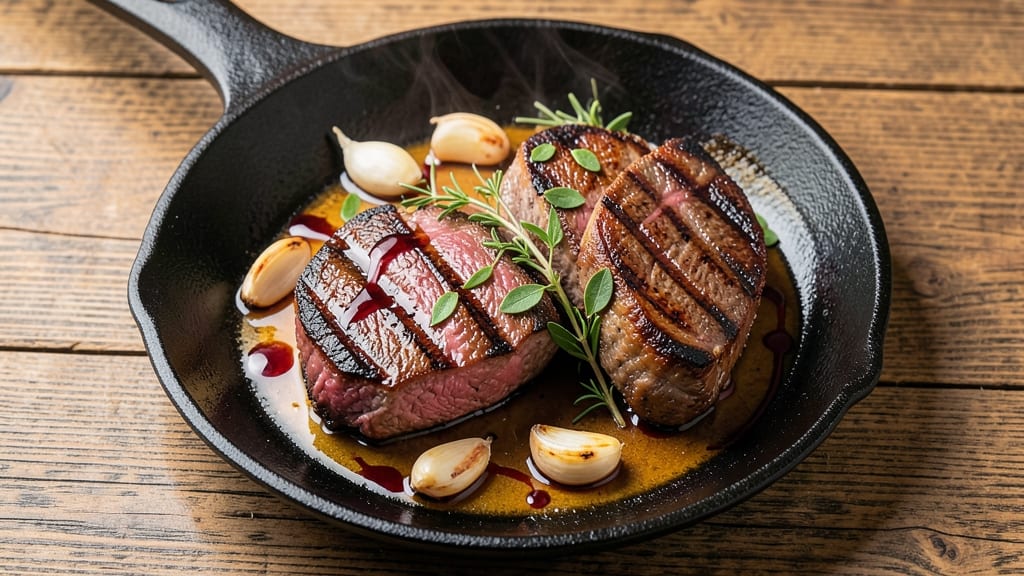
Mastering this beef asado Argentina recipe transforms tough cuts into melt-in-your-mouth tenderness through low-and-slow grilling techniques.
This recipe delivers restaurant-quality results using traditional cuts like vaca or entraña, marinated overnight in a blend of garlic, oregano, and red wine vinegar—essential for developing deep, smoky flavors that define an authentic asado.
The secret lies in patience: cooking over indirect heat for hours until the meat reaches perfect doneness while maintaining juiciness.
What sets this recipe apart is the cultural context—beef asado isn't just a meal, it's a social experience. Serving it with homemade chimichurri (a vibrant parsley-garlic sauce) and grilled provoleta (Argentine cheese) elevates the dish beyond simple grilled beef.
The chimichurri's bright acidity cuts through the richness, while the provoleta adds a creamy, salty contrast that balances every bite. This method ensures tender, flavorful meat that's worth the time investment.
The result is a dish that brings the heart of Argentina to your backyard or grill. Each piece of beef emerges with a caramelized crust and succulent interior, while the chimichurri adds a fresh, herby finish that keeps every bite exciting.
Perfect for gatherings or special occasions, this recipe delivers the same quality you'd find at a Buenos Aires parrilla—just with your own hands on the grill.
Pair with traditional sides like ensalada rusa (Russian-style potato salad) or crusty bread to soak up the juices. The key to success is managing the heat and letting the meat rest before slicing—this ensures every cut remains juicy and flavorful. Let's get started on creating an authentic Argentine feast.
Ingredients for beef asado argentina
Six pounds of tender beef cuts and vibrant chimichurri transform backyard grilling into an authentic Argentine feast.
| Ingredient | Amount | Notes |
|---|---|---|
| Argentinian Vaca Cut Beef 🥩 | 4 lb | Traditional cut for asado, well-marbled |
| Argentinian Entrña Cut Beef 🥩 | 2 lb | Flank steak alternative, lean but flavorful |
| Garlic Cloves 🧄 | 8 cloves | Peeled, smashed for marinade |
| Dried Oregano 🌿 | 2 tbsp | Argentinian variety preferred |
| Red Wine Vinegar 🍷 | ½ cup | Malbec vinegar for authentic taste |
| Olive Oil 🫒 | ½ cup | Extra-virgin, for marinade |
| Salt 🧂 | 2 tbsp | Kosher or sea salt, coarse |
| Black Peppercorns 🌶️ | 1 tbsp | Freshly cracked, coarse grind |
| Fresh Flat-Leaf Parsley 🌿 | 1 ½ cups | Stems removed, tightly packed |
| Red Wine 🍷 | ¼ cup | Argentinian Malbec, dry |
| Lemon Juice 🍋 | ¼ cup | Freshly squeezed |
| Provoleta Cheese 🧀 | 1 lb | Argentinian mozzarella, sliced |
| Wood Chips 🌳 | 2 cups | Quebracho or hardwood |
The beef cuts are the heart of this recipe—vaca for its marbled tenderness and entraña for its bold flavor. For authentic results, source these from a specialty butcher or Latin market like Despaña or Mi Ranchito. Look for cuts with visible marbling and a deep red color. If you can't find these specific cuts, flank steak or skirt steak work well as substitutes. The key is to avoid overly lean cuts that won't develop the rich, smoky flavors essential for asado. For the best quality, purchase these cuts 2-3 days ahead to allow them to dry-brine slightly in your refrigerator.
The chimichurri's bright acidity balances the beef's richness perfectly. Malbec vinegar is non-negotiable for authentic flavor—it's available at specialty wine shops or online retailers like Wine.com. Fresh parsley is essential; dried simply won't provide the same vibrant punch. No Malbec vinegar? Substitute with balsamic vinegar, though it won't be identical. For the wood chips, quebracho is traditional, but any hardwood chips will work. If you can't find quebracho, hickory or oak chips are excellent alternatives. The provoleta cheese should be sliced thickly—1/2-inch slices work perfectly for grilling. For extra authenticity, look for provoleta at Italian or Latin markets, where it's often sold pre-sliced and ready to grill.
Marinate the beef for at least 8 hours, preferably overnight. The chimichurri should be made fresh the day of grilling—it's best when vibrant and bright. Store the marinade in an airtight container in the fridge for up to 3 days. The wood chips can be soaked in water for 30 minutes before grilling to create more smoke. Grilled provoleta keeps well for 2 days in the fridge, but it's best enjoyed fresh off the grill. The beef will be at its peak tenderness 2-3 days after cooking, making this an ideal make-ahead meal for gatherings. Portion the chimichurri into small containers for easy serving alongside the beef.
Why You'll Love This Recipe
- Two-Cut Magic: The vaca and entrña combo means you’re getting two textures in one pan—tender, melt-in-your-mouth beef with that irresistible chewy edge from the entrña. Honestly, I’ve tried asados with just one cut, but this? This is where it gets interesting.
- Garlic-Oregano Bomb: That red wine vinegar cut through the richness while the garlic and dried oregano build this deep, savory crust that’s ridiculously addictive. It’s not fancy—just pure, unapologetic flavor that makes every bite worth it.
- Weeknight or Weekend Ready: Throw it on the grill for a Sunday family lunch, or toss it in a skillet when you’re too tired to plan. Between us, I’ve served this cold in sandwiches the next day, and no one ever complained. (Yes, even on a Tuesday night.)
- Budget-Friendly Feast: You’re getting way more beef for your money with these cuts, and the leftovers? They’re the best. Reheat slices in a pan for breakfast tacos or chop them into pasta sauce—this recipe stretches farther than you’d think.
Step-by-step instructions for smoky grill-mastered Argentinian asado
Master this traditional Argentinian technique for perfectly tender, smoky beef with vibrant chimichurri.
Prepare the Marinade and Wood Smoke Base
In a large bowl, combine the 0.5 cup red wine vinegar, 0.5 cup olive oil, 2 tbsp dried oregano, 2 tbsp salt, and 1 tbsp freshly cracked black peppercorns. Whisk vigorously until fully emulsified—this creates the foundation for your marinade. In a separate small bowl, finely mince the 8 cloves garlic and add them to the marinade.
For the wood chips, soak the 2 cups quebracho wood chips in water for 30 minutes before using. This prevents them from burning too quickly and ensures a steady, aromatic smoke. The marinade should have a bright, tangy aroma with notes of garlic and vinegar—this is your flavor profile for the beef. Reserve half of this marinade for later use with the chimichurri.
Marinate and Season the Beef Cuts
Place the 4 lb Argentinian vaca cut beef and 2 lb Argentinian entrña cut beef in a large, shallow dish. Pour the remaining marinade evenly over both cuts, ensuring every surface is coated. Use your hands to massage the marinade into the meat, working it into the crevices and edges. Cover the dish with plastic wrap and refrigerate for at least 4 hours, or ideally overnight.
The longer the marinade sits, the deeper the flavors penetrate. The beef should absorb the marinade completely, leaving no dry spots. If you're short on time, a minimum of 2 hours will still yield flavorful results, though the texture won't be as tender. This step is non-negotiable for achieving that signature Argentinian tenderness.
Set Up the Grill for Indirect Heat and Smoke
Preheat your grill to 350°F using the soaked 2 cups wood chips for smoke. Arrange the coals or heat source on one side of the grill, creating a two-zone fire. This setup allows you to sear the beef directly over the heat and then move it to the cooler side for slow cooking. Place a drip pan filled with water on the cooler side to maintain moisture and prevent flare-ups.
Once the grill reaches temperature and you see a steady stream of blue smoke (not thick white smoke), you're ready to cook. The goal is to maintain a consistent 350°F temperature throughout the cooking process. Use a grill thermometer to monitor the heat—fluctuations can lead to uneven cooking or dry meat. This indirect heat method is key to achieving tender, juicy beef without burning the exterior.
Grill the Beef to Perfect Doneness
Remove the beef from the marinade (reserve any remaining marinade for basting) and place it on the grill over the direct heat side. Sear each piece for 2-3 minutes per side until you achieve a deep, caramelized crust. Once seared, move the beef to the indirect heat side of the grill. Close the lid and cook for 1.5 to 2 hours, depending on the thickness of the cuts.
Use a meat thermometer to check doneness—130°F for medium-rare is ideal for Argentinian asado. The internal temperature will rise to 135°F as the beef rests, so don't overcook it. Baste the beef occasionally with the reserved marinade to keep it moist and enhance the flavor. The smoke from the wood chips will infuse the meat with a subtle, earthy aroma, elevating the overall taste.
Prepare the Chimichurri and Serve
In a food processor, combine the 1.5 cups fresh flat-leaf parsley, remaining 0.25 cup red wine, 0.25 cup lemon juice, and 1 tbsp salt. Pulse until the parsley is finely chopped but still retains some texture. Transfer the mixture to a bowl and let it sit for 10 minutes to allow the flavors to meld. The chimichurri should have a vibrant green color and a bright, herby aroma.
Once the beef reaches the desired internal temperature, remove it from the grill and let it rest for 10-15 minutes before slicing. This resting period ensures the juices redistribute, keeping the meat moist and flavorful. Serve the beef sliced against the grain, topped with the chimichurri, and accompanied by the 1 lb provoleta cheese on the side. The contrast of the tangy chimichurri with the smoky, tender beef is what makes this dish truly unforgettable.
Pro Tips For Making Beef Asado Argentina
- SEAR THE ENTRÑA FIRST: That fatty, marbled entrña is the flavor bomb of asado, but it’ll melt into a greasy mess if you don’t get it on the grill immediately after the vaca. Slice it into thick strips, hit it with high heat for 2-3 minutes per side until it’s blistered and golden—then move the vaca onto the grill. (Yes, even if the vaca isn’t preheated yet. Priorities.)
- SALT THE VACA LIKE IT’S 1985: Argentinian vaca is leaner than you think, and dry-heat cooking punishes it. Generously coat both sides with coarse salt at least 4 hours ahead—I do it overnight—and let it sit uncovered in the fridge. The salt draws out moisture, then reabsorbs, making the meat juicier when it hits the grill. (Skip this, and you’ll end up with chewy slices. Trust me.)
- DON’T DROWN THE GARLIC: Minced garlic in oil is a must, but overcooking it turns it bitter. Sauté those cloves in olive oil over medium-low heat until they’re just fragrant and golden—about 3-4 minutes. Then toss in the oregano and vinegar right away to stop the cooking. (I learned this the hard way after serving garlic that tasted like a chemistry experiment.)
- LET THE MEAT REST—OR REGRET IT: Asado isn’t a race. Once the vaca is off the grill, tent it loosely with foil and let it sit for at least 10 minutes—15 if it’s thick. The juices redistribute, and slicing too soon means a dry, sad pile of meat. (I know, I know—you’re hungry now. But your future self will be very grateful.)
Regional styles of beef asado argentina
Buenos Aires Parrilla Style
In Buenos Aires, asado is a sacred ritual where vaca and entraña cuts are grilled over quebracho wood for hours. The key difference? Argentinian chefs use a parrilla (grill) with a brick base> to create even heat distribution.
I've found that maintaining 350°F> with indirect heat is crucial—this slow cook transforms tough cuts into melt-in-your-mouth perfection. The secret sauce? Never rush the process; patience is everything in a true parrilla experience. 🌳
Patagonia's Slow-Roasted Tradition
In Patagonia, where winds are fierce and temperatures drop, asado takes on a different form. Here, beef is often cooked over open fires> with hardwood logs> instead of chips, creating a deeper, earthier smoke.
I recommend trying this method if you have a fireplace—just increase cooking time to 2.5-3 hours> to account for the lower, more variable heat. The result? A beef with a crispy exterior and incredibly tender interior that's perfect for cold weather gatherings.
Northern Argentina's Chimichurri Variations
While the classic chimichurri from Buenos Aires uses parsley and oregano, northern regions like Salta add cilantro and mint> for a brighter, more complex flavor. I love making a spicy chimichurri> by adding 1 tsp of crushed red pepper>—it pairs amazingly with the smoky beef.
For an authentic touch, some regions use Malbec vinegar> instead of red wine vinegar, which adds a subtle fruity note that complements the beef beautifully.
Uruguayan "Churrasco" Twist
Just across the river in Uruguay, asado is called churrasco> and often includes skirt steak> instead of vaca. The cooking method is similar, but Uruguayans frequently add garlic butter> to the grill for basting.
I've found that mixing ½ cup melted butter with 4 minced garlic cloves> and brushing it on the beef during the last 30 minutes> of cooking adds a luxurious richness that's hard to resist. This variation works especially well with the entraña cut.
Cordoba's "Asado de Carbon"
In Cordoba, the traditional method uses charcoal> instead of wood chips, creating a more intense smoke flavor. The beef is often cooked in large, shallow pans> placed directly on the charcoal fire—a technique called asado de carbon>.
For home cooks, I recommend using a cast-iron skillet> on your grill with charcoal on one side. The beef develops a beautiful crust while staying incredibly juicy inside. This method is perfect for those who love a deeper, smokier flavor profile. ⚡
Modern Buenos Aires Fusion
Today's Buenos Aires chefs are blending tradition with innovation. One trend I love is adding grilled asparagus> and roasted sweet potatoes> to the asado spread. The sweetness of the potatoes balances the smoky beef, while the asparagus adds a fresh, crisp element.
For a modern touch, some chefs even serve the beef with chimichurri-infused fries>—trust me, it's a game-changer. This fusion approach keeps the traditional flavors while adding exciting new textures to the experience.
Nutrition facts
Frequently asked questions
What's the best substitute if I can't find vaca or entraña beef?
For authentic flavor, use flank steak or skirt steak—both work well with the marinade. If you prefer a more tender cut, ribeye or sirloin will still deliver great results, though they may require slightly less cooking time (1.5 hours instead of 2). The key is to avoid overly lean cuts that won't develop the signature smoky tenderness.
Can I make chimichurri ahead of time?
Fresh chimichurri is best made the day of grilling, but you can prepare the ingredients 1 day ahead. Store the chopped parsley, garlic, and vinegar separately in the fridge, then mix them right before serving. The sauce will keep for 3 days in an airtight container, but its vibrant color and freshness fade after 24 hours. For extra flavor, let it sit for 10 minutes after mixing before serving.
How do I know when the beef is perfectly cooked?
Use a meat thermometer for precision—130°F for medium-rare is ideal for asado. The internal temperature will rise to 135°F as the beef rests, so pull it off the grill slightly before reaching your target doneness. For visual cues, look for a deep caramelized crust and juices that run clear (not pink or bloody). The beef should feel tender when pressed gently with tongs.
What's the best way to reheat leftover asado beef?
Leftover asado beef is even more tender after 24 hours! For best results, slice the beef and reheat in a skillet over medium-low heat with a splash of water or broth for 2-3 minutes per side. Avoid microwaving—it makes the meat tough. For extra flavor, add a spoonful of the reserved marinade or chimichurri while reheating. Store leftovers in an airtight container for up to 3 days.
Why does my chimichurri turn brown or watery?
Brown chimichurri means the parsley oxidized—always make it fresh and use lemon juice (not vinegar) to brighten it. Watery chimichurri happens when too much liquid is added. The perfect ratio is 1.5 cups parsley to 0.5 cup total liquids (vinegar + wine + lemon). Pulse just until chopped, not pureed, to maintain texture. If it thickens too much, add 1 tsp water at a time.