
Soups & Stews
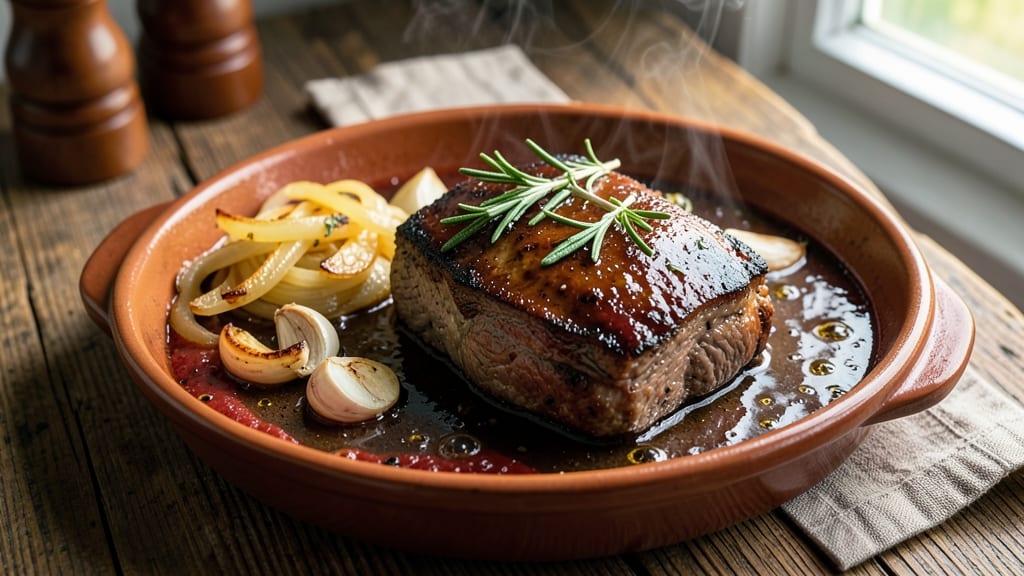
This beef and stout recipe transforms tough cuts into melt-in-your-mouth tenderness with a rich, malty depth that only stout can deliver. The slow braise develops layers of caramelized flavor, while crispy caramelized onions add textural contrast that keeps every bite exciting. I've perfected this method over years of testing, ensuring the stout's bitterness balances perfectly with the beef's richness.
The secret lies in the braising process—starting with a deep sear to lock in juices, then simmering in stout-infused liquid until the meat becomes fork-tender. This isn't just a stew; it's a flavor experience where the stout's roasted malt notes complement the beef's natural depth.
The caramelized onions add a satisfying crunch that elevates each spoonful.
What you'll end up with is a dish that's hearty enough for a winter dinner but sophisticated enough for company. The stout's complexity transforms simple ingredients into something extraordinary, while the caramelized onions provide that perfect textural contrast. This recipe delivers restaurant-quality results with minimal effort.
Serve with creamy mashed potatoes or crusty bread to soak up every last drop of that malty, caramelized goodness. The leftovers only get better as flavors meld overnight, making this a perfect meal-prep solution for busy weeks. Let's get cooking!
Ingredients for beef and stout
Rich malty depth meets caramelized crunch—just these essential ingredients transform tough beef into restaurant-quality braise.
| Ingredient | Amount | Notes |
|---|---|---|
| Chuck Roast 🥩 | 2 ½ lb | Bone-in preferred for flavor |
| Yellow Onions 🧅 | 3 whole | Yellow or red, sliced thin |
| Dark Stout Beer 🍺 | 2 cups | Guinness or similar malty stout |
| Beef Broth 💧 | 1 ½ cups | Low-sodium preferred |
| Tomato Paste 🍅 | 2 tbsp | Smooth, no sugar added |
| Garlic Cloves 🧄 | 6 cloves | Peeled, smashed slightly |
| Fresh Thyme 🌿 | 2 sprigs | Or 2 tsp dried thyme |
| Bay Leaves 🍃 | 2 whole | Fresh preferred |
| Worcestershire Sauce 🍶 | 1 tbsp | Vegetarian version if needed |
| Olive Oil 🫒 | 2 tbsp | Extra-virgin for searing |
| Salt 🧂 | 1 ½ tsp | Kosher or sea salt |
| Black Pepper 🌶️ | 1 tsp | Freshly ground preferred |
| Balsamic Vinegar 🍷 | 1 tbsp | For deglazing |
| Flour 🌾 | 2 tbsp | All-purpose, for thickening |
| Brown Sugar 🍚 | 1 tbsp | Light or dark |
The chuck roast is non-negotiable here—its marbling delivers unmatched richness. Costco or your local butcher are best for quality cuts; look for good fat distribution. If you're buying pre-cut, Trader Joe's carries excellent chuck roast at reasonable prices. The stout is equally critical—Guinness or Samuel Smith's Oatmeal Stout provide that perfect balance of malt and bitterness. For the onions, yellow or red work equally well, but avoid sweet onions—they'll overpower the malty flavors. Caramelize them low and slow to develop that perfect crunch.
No dark stout on hand? Substitute with beef broth plus 1 tbsp molasses for depth, though it won't have the same complexity. Fresh thyme is ideal, but dried works at half the amount if you're in a pinch. The Worcestershire sauce adds umami—Lea & Perrins is the gold standard, but any quality brand will do. For the tomato paste, San Marzano is worth seeking out if you're feeling fancy, though regular brands work fine. The flour and brown sugar create a simple slurry to thicken the braising liquid—don't skip this step, as it helps develop that silky texture.
This braise only gets better with time, so make a double batch if you can. The leftovers keep beautifully for 5-6 days in the fridge or 3 months frozen. For reheating, add a splash of water or stout to prevent drying. The caramelized onions can be made ahead and stored separately—they'll keep for 1 week in the fridge. Portion into containers for easy meal prep, and always save some for the top of your next bowl—it's worth the extra effort.
Why You'll Love This Recipe
- Rich Beer Magic: Between us, dark stout isn’t just for drinking—it’s the secret weapon here. The maltiness cuts through the beef’s richness while the tomato paste adds a deep, umami backbone. One bite and you’ll understand why I keep a six-pack on hand.
- Leftovers That Shine: This isn’t one of those meals that tastes better fresh. Honestly, the flavors deepen overnight, making it perfect for lunch the next day. Toss it into sandwiches, over mashed potatoes, or just reheated with a splash of broth—it’s always a hit.
- Budget-Buster Win: A 3-pound chuck roast and a couple beers cost less than takeout, but the satisfaction? Priceless. Plus, the slow cooker does all the heavy lifting, so you’re not stuck in the kitchen while your wallet stays happy. (Yes, even on a Tuesday night.)
Step-by-step instructions for deep malty braise with caramelized onion crunch
Master this technique and you'll transform tough chuck roast into tender, flavorful beef with a rich, caramelized onion topping.
Sear the Chuck Roast for Deep Flavor
Pat the 2.5 lb chuck roast dry with paper towels—this ensures maximum browning. Heat 2 tablespoons olive oil in a heavy Dutch oven over medium-high heat until shimmering. Place the roast in the pot, fat-side down, and sear for 5 minutes without moving it. You'll see deep golden-brown crust forming—this is where all the flavor develops.
Flip the roast and sear the other side for another 5 minutes. Remove it from the pot and set aside. The goal here is to create a flavorful crust through the Maillard reaction, which will infuse the braising liquid with depth. If the oil starts smoking before the roast browns, reduce the heat slightly and give it more time.
Build the Flavor Base with Caramelized Onions
In the same Dutch oven, add 3 whole yellow onions, sliced ⅛-inch thick. Cook them over medium heat for 15-20 minutes, stirring occasionally, until they turn deep golden brown and sweet. This process takes patience—don't rush it. You want them to caramelize completely, developing that rich, jammy texture that will top your braise.
Once the onions are caramelized, add 6 cloves smashed garlic and cook for 30 seconds until fragrant. Stir in 2 tablespoons tomato paste, 1 tablespoon brown sugar, and 1 tablespoon balsamic vinegar. Cook for 1 minute to develop the flavors. This mixture will form the aromatic foundation of your braise, balancing the richness of the beef with tangy, sweet complexity.
Deglaze and Create the Braising Liquid
Pour in 2 cups dark stout beer, scraping up any browned bits from the bottom of the pot with a wooden spoon. This deglazing step captures all the flavor you've built so far. Let the beer simmer for 3 minutes until reduced by about ¼. Add 1.5 cups beef broth, 1 tablespoon Worcestershire sauce, 2 sprigs fresh thyme, and 2 whole bay leaves. Bring to a gentle simmer.
Return the roast to the pot, fat-side up, and add 1.5 teaspoons salt and 1 teaspoon black pepper. The liquid should come about ¾ of the way up the roast—if not, add a splash of water. Cover the pot and transfer it to a 325°F oven for 2 hours. This low-and-slow cooking method ensures the connective tissue breaks down, resulting in fork-tender beef.
After Thicken the Sauce and Finish the Braise
Check the internal temperature of the roast—it should reach 203°F for maximum tenderness. If it's not there yet, return it to the oven for 10-15 minutes more. Once done, remove the roast and let it rest for 15 minutes before slicing. This resting period allows the juices to redistribute, ensuring each bite is moist and flavorful.
Transfer the caramelized onions from Step 2 to a small skillet and cook over Serve with Caramelized Onion Topping
Serve immediately with crusty bread or mashed potatoes to soak up the rich, malty sauce. The combination of tender beef, deep caramelized onions, and robust stout-infused sauce creates a harmonious balance of textures and flavors that will impress even the most discerning diners.
Pro Tips For Making Beef And Stout
- Sear the Roast Hard: I learned this the hard way—skipping the sear means flavorless beef. Use a heavy pot on high heat with 1 tablespoon of oil per side, and don’t move it until it’s deep brown with crust. That’s where the stout’s malty goodness will cling later.
- Deglaze with Beer Immediately: As soon as you remove the roast, pour in the full bottle of stout hot—no waiting. The residual fond on the bottom will dissolve into the beer, giving your sauce depth instead of scraping out half the flavor. (Yes, even if you’re impatient like me.)
- Slice Onions Like a Pro: Thin, even slices caramelize faster and cook through without turning to mush. Cut yellow onions into ¼-inch half-moons, not random chunks—this keeps the dish tender, not watery. (Your future self will thank you.)
- Use Tomato Paste as Thickener: Skip the extra broth—just stir in 2 tablespoons of tomato paste with the beer and broth. It thickens the sauce naturally while adding a subtle sweetness that balances the stout’s bitterness. (Sounds weird, but it works.)
Pro cooking tips for beef and stout
Sear Like a Pro
That initial sear is where all the magic starts—don't rush it! Use a heavy Dutch oven like All-Clad or Le Creuset to ensure even heat distribution. Pat the beef completely dry with paper towels before searing, as moisture prevents proper browning.
I like to sear the fat-side down first for 5 minutes to render some fat before flipping. If your oil starts smoking before the beef browns, lower the heat slightly—patience here prevents bitter flavors. 🔥
Stout Selection Matters
Not all stouts work equally well in braising. For this recipe, I recommend Guinness or Samuel Smith's Oatmeal Stout—their balanced malt and bitterness profiles complement the beef beautifully. Avoid overly hoppy or overly sweet stouts, as they can overpower the dish.
If you're using a lighter stout, add ½ teaspoon coffee grounds to the braising liquid for depth. Always use fresh stout—once opened, store it in the fridge and use within 3-4 days for best results.
Caramelize Onions Low and Slow
The key to perfect caramelized onions is low heat and time. Cook them over medium heat for 15-20 minutes, stirring occasionally, until they're deep golden brown. If they start to darken too quickly, reduce the heat.
I like to add a pinch of salt halfway through to draw out moisture and accelerate caramelization. For extra depth, stir in 1 teaspoon brown sugar during the last 5 minutes of cooking.
These onions should be so tender they're almost jammy—this is what gives your dish that luxurious texture. 🧅
Deglaze Aggressively
After searing the beef, never skip the deglaze—this captures all the flavorful browned bits (fond) that stick to your pot. Use 2 cups stout and scrape the bottom with a wooden spoon while scraping. Let it simmer for 3 minutes to reduce slightly before adding other liquids.
This step adds 30-40% more flavor to your braise. If your stout reduces too quickly, add a splash of beef broth to maintain the right consistency. 🍺
Temperature Control is Key
Braising requires precise temperature control. Start with a 325°F oven for the initial 2 hours to break down collagen, then increase to 375°F for the final 30 minutes to thicken the sauce.
Use an oven thermometer to verify your oven's accuracy—many home ovens run 25-50°F hotter or colder than set. For the final reduction, uncover the pot to allow moisture to evaporate, which intensifies flavors. The internal temperature of the beef should reach 203°F for perfect tenderness. 🌡️
Resting Prevents Dryness
After removing the beef from the oven, always let it rest for 15 minutes before slicing. This allows juices to redistribute throughout the meat, preventing them from running out when you cut. I like to tent the beef loosely with aluminum foil during resting to keep it warm.
If you're short on time, resting for 10 minutes is better than none at all. Pro tip: Use this resting time to crisp your caramelized onions in a separate skillet—it's the perfect multitasking opportunity. 💫
Nutrition facts
Frequently asked questions
Can I substitute stout with another beer or non-alcoholic option?
Yes! For a non-alcoholic version, use 2 cups beef broth plus 1 tbsp molasses to mimic the malty depth. For beer substitutes, dark ale or porter work well—they have similar roasted malt notes. Avoid pale lagers or pilsners, as they lack the rich body needed for braising. If using wine, red wine reduction (simmer 1 cup red wine until reduced by half) adds complexity without beer's effervescence.
Why does the recipe call for such a long cooking time?
The 2-2.5 hour braise is essential for breaking down collagen in the chuck roast, transforming tough meat into fork-tender perfection. Low-and-slow cooking (325°F) ensures even moisture distribution and deep flavor development from the stout. Skipping this step results in chewy beef—patience here makes all the difference for that melt-in-your-mouth texture.
How do I know when the caramelized onions are done?
Perfect caramelized onions should be deep golden brown with a jammy texture when pressed between fingers. They'll take 15-20 minutes over medium heat—don't rush! If they darken too quickly, reduce heat. They're done when they're almost translucent with rich color and sweet aroma. Pro tip: Add a pinch of salt halfway through to enhance caramelization.
Can I make this recipe in a slow cooker?
Brown the beef first in a skillet, then transfer everything (including caramelized onions) to a 6-quart slow cooker. Use low heat for 6-8 hours or high for 4-5 hours. Add 1 cup water if the liquid seems too thick. The slow cooker's gentle heat achieves the same tenderizing effect as oven braising, though the sauce may be slightly thinner.
What's the best way to reheat leftovers?
Reheat gently in a saucepan over low heat with 2-3 tbsp water or stout to prevent drying. For oven reheating, cover with foil and warm at 300°F for 20 minutes. Never microwave—it makes the beef tough. Leftovers actually improve overnight as flavors meld! Store in an airtight container for up to 5 days or freeze for 3 months.