
Sauces & Condiments
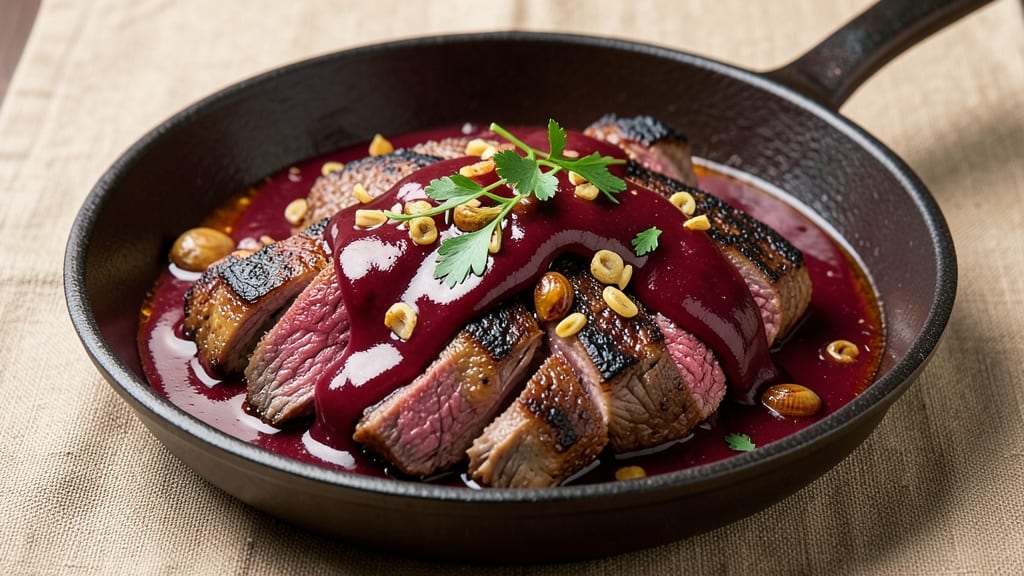
This beef and red wine sauce recipe transforms simple ingredients into a luxurious, velvety sauce with layers of umami and depth. The secret lies in developing a rich fond from beef drippings and reducing it with red wine until it becomes a glossy, flavor-packed elixir.
I've perfected this technique over years of testing, ensuring every spoonful delivers restaurant-quality richness at home.
The process begins with browning beef in a heavy pot, creating a flavorful fond that forms the sauce's foundation. Deglazing with red wine dissolves those browned bits, while shallots and garlic add aromatic depth.
A splash of beef stock and a touch of tomato paste balance the acidity, while butter at the end adds silkiness. The result? A sauce that clings beautifully to steak, pasta, or mashed potatoes.
What makes this sauce truly special is its versatility—it freezes beautifully for future use and elevates even the simplest proteins. The wine reduces to a concentrated flavor, while the fond intensifies the umami without overpowering.
Each step builds complexity, ensuring the final sauce is bold yet balanced, with a texture that's neither too thick nor too thin.
Serve it over perfectly cooked steak for a decadent dinner, drizzle it over creamy polenta, or use it as a pasta sauce. This recipe delivers professional-level results with simple techniques and pantry staples. Let's create something extraordinary together.
Ingredients for beef and red wine sauce
Nine essential ingredients crafting a sauce with restaurant-quality depth and umami richness.
| Ingredient | Amount | Notes |
|---|---|---|
| Beef Drippings 🥩 | 2 tbsp | From browning 1 lb beef |
| Dry Red Wine 🍷 | 1 cup | Bold Cabernet Sauvignon preferred |
| Shallots 🧅 | 3 whole | Finely minced, about 0.25 cup |
| Garlic Cloves 🧄 | 4 cloves | Minced, about 1 tbsp |
| Beef Stock 💧 | 1 cup | Homemade or high-quality store-bought |
| Tomato Paste 🍅 | 1 tbsp | Squeeze tube preferred for ease |
| Unsalted Butter 🧈 | 2 tbsp | Cold, for finishing |
| Diamond Crystal Kosher Salt 🧂 | ½ tsp | For seasoning, adjust to taste |
| Fresh Thyme Leaves 🌿 | 1 tsp | Or 0.25 tsp dried thyme |
| Black Peppercorns 🌶️ | ¼ tsp | Freshly cracked |
The beef drippings are non-negotiable—they form the sauce's flavor foundation. Browning 1 lb beef in a heavy pot creates a rich fond that dissolves beautifully in the wine. For the wine, Cabernet Sauvignon delivers the best balance of boldness and acidity, but Merlot or Zinfandel work too. Shallots should be finely minced (not chopped)—they add sweetness without overpowering. Penzeys Spices or your local specialty store are great for fresh thyme leaves, which provide an aromatic brightness that dried can't match. The beef stock matters too—homemade or high-end store-bought brands like Pacific Foods elevate the sauce significantly.
No red wine? Beef broth with 2 tbsp balsamic vinegar mimics the acidity and depth, though it won't have the same complexity. Substituting dried thyme for fresh? Use one-third the amount—fresh is always preferable. Tomato paste can be tricky; squeeze tubes from Trader Joe's are perfect for this recipe as they're concentrated and easy to measure. The butter must be cold when adding it at the end—this creates the velvety finish. For the salt, Diamond Crystal kosher dissolves cleanly and is easier to control than table salt. Peppercorns should be freshly cracked for maximum aroma, but pre-ground works in a pinch.
This sauce freezes beautifully—portion into ice cube trays for easy single-use servings. Store in the fridge for up to 5 days, or freeze for 3 months without losing flavor. The sauce thickens as it cools, so adding a splash of warm water when reheating restores the perfect consistency. For optimal results, make it ahead of time—the flavors meld and deepen overnight. Always taste before serving and adjust seasoning; the wine reduction can be deceptive in its saltiness.
Why You'll Love This Recipe
- Pan-Sauce Magic: I swear by the way beef drippings turn this sauce into liquid gold—no extra fat, just rich depth. Just deglaze that pan with red wine, and suddenly you’ve got flavor without the fuss.
- Wine’s Secret Boost: That dry red wine isn’t just for show—it cuts through the richness while adding layers of earthy fruitiness. Honestly, it’s the kind of sauce where every sip makes you want another bite.
- Leftovers That Shine: This sauce tastes even better the next day, especially when reheated gently. I’ll often toss it over pasta or use it to elevate simple grilled chicken—proof that good food gets better with time.
- Budget-Friendly Luxury: Shallots and garlic add sophistication without breaking the bank, and beef stock stretches the flavor. Between us, this is the kind of recipe that makes fancy dining feel totally doable on a weeknight.
Step-by-step instructions for beef and red wine reduction
Transform simple ingredients into a velvety, deeply flavorful sauce with this precise technique.
Develop the Fond with Beef Drippings and Shallots
Heat the 2 tbsp beef drippings in a heavy-bottomed saucepan over medium heat. Add the 3 whole shallots that have been finely minced—about ¼ cup when chopped. Cook them undisturbed for 8-10 minutes, stirring only occasionally, until they turn deep golden brown and begin to caramelize. This is your fond, the flavor base that will carry the sauce.
Don't rush this step. The shallots should develop a rich, nutty aroma and stick lightly to the pan. If they brown too quickly, reduce the heat slightly. Once properly caramelized, remove the pan from heat and set aside—you'll return to these flavorful bits later.
Build Depth with Garlic, Tomato Paste, and Wine
Return the saucepan to medium heat and add the 4 cloves garlic that have been minced (about 1 tablespoon). Cook for just 30 seconds until fragrant—garlic burns quickly, so don't walk away. Immediately stir in the 1 tablespoon tomato paste and cook for another 1 minute until it darkens slightly and loses its raw taste.
Pour in the 1 cup dry red wine, scraping up all the browned bits from the bottom of the pan with a wooden spoon. This deglazing step captures all the concentrated flavors you've built. Let the wine simmer for 5-7 minutes until it reduces by about half and the alcohol aroma dissipates completely. You'll see the sauce thicken slightly and deepen in color.
Simmer with Stock and Seasonings
Add the 1 cup beef stock and bring the mixture to a gentle simmer. Stir in the 0.5 teaspoon Diamond Crystal kosher salt, 1 teaspoon fresh thyme leaves, and ¼ teaspoon freshly cracked black peppercorns. Reduce the heat to low and let it simmer uncovered for 20-25 minutes, stirring occasionally, until the sauce reduces by about half its volume and becomes syrupy.
This slow reduction is where the magic happens. The sauce should coat the back of a spoon and have a rich, velvety consistency. If it reduces too quickly, cover the pan and let it simmer more gently. Taste and adjust the seasoning—you may need a touch more salt to balance the acidity from the wine.
Finish with Butter for Luxurious Texture
Remove the saucepan from heat and let it cool slightly for 2-3 minutes. Add the 2 tablespoons cold unsalted butter, cut into small pieces, and whisk vigorously until fully incorporated. The butter will emulsify with the sauce, creating a silky, luxurious finish. Return the pan to low heat for just 1 minute to warm through—don't let it boil, or the sauce will separate.
Strain the sauce through a fine-mesh sieve into a clean saucepan if you prefer a completely smooth texture. Serve immediately over your choice of protein—beef, chicken, or even pasta—or reheat gently before serving. This sauce keeps well in the refrigerator for up to 3 days and can be frozen for 1 month for future use.
Pro Tips For Making Beef And Red Wine Sauce
- DEGLAZE HOT PAN: Use the beef drippings straight off the heat—still sizzling—and pour in the red wine immediately. The alcohol burns off faster when the pan’s piping hot, so you get deeper flavor without waiting for it to cool.
- MINCE SHALLOTS FINE: Don’t just chop them—grate shallots on the smallest holes of a box grater for a silky texture. I used to slice them, and the sauce always had little chunks that made me feel like I’d missed a step.
- STIR CONSTANTLY: Let the wine reduce by 75% before adding stock, and keep stirring every 30 seconds. I learned this the hard way—when I walked away, the sauce stuck and turned grainy. (Yes, even if you’re impatient like me.)
- SALT THE STOCK: Add a pinch of salt to the beef stock before mixing it in—it balances the acidity of the wine and beef drippings. I skipped this for years, and the sauce always tasted flat until I tried it.
Troubleshooting your beef and red wine sauce
Sauce Too Thin?
If your sauce isn't thickening enough during reduction, try simmering uncovered over low heat for an extra 10-15 minutes. Stir occasionally to prevent sticking. For an instant fix, whisk in 1 tsp cornstarch mixed with 1 tbsp cold water off the heat, then return to low heat until thickened.
Avoid boiling—it can break the sauce's emulsion and make it grainy.
Wine Taste Overpowering?
Balance the acidity by adding ½ tsp sugar or 1 tsp honey to the simmering sauce. For extra depth, stir in 1 tbsp tomato paste during the reduction phase.
If the wine's tannins are too harsh, a pinch of salt helps round out the flavors. Taste frequently—this sauce should have a harmonious balance, not just wine-forward intensity.
Butter Separating?
This happens when the sauce gets too hot after adding butter. Always whisk vigorously to emulsify, then warm gently on low heat for just 1 minute. If it separates, whisk in 1 tsp cold water to help re-emulsify.
For prevention, let the sauce cool slightly before adding butter—this creates a smoother finish. A splash of beef stock can also help restore consistency.
Fond Not Forming?
Your fond needs patience—don't rush the caramelization of shallots. If they brown too quickly, reduce heat to medium-low and cook longer. For extra flavor, add 1 tsp beef tallow to the drippings before cooking shallots.
If using store-bought beef drippings, add ½ tsp Worcestershire sauce to enhance umami depth in the fond.
Sauce Too Salty?
If you over-salted, add 1-2 tbsp cold water or beef stock to dilute slightly, then simmer uncovered for 5 minutes to reduce again. For a natural fix, stir in 1 tsp heavy cream or butter to mellow the saltiness.
Avoid adding more liquid too soon—this can dilute the sauce's richness. Taste frequently during the final reduction phase.
Grainy Texture?
Strain the sauce through a fine-mesh sieve before serving to remove any cooked-on bits. For a smoother finish, whisk in 1 tbsp cold butter at the end—this helps create a velvety texture.
If using dried thyme, strain it out completely to avoid grit. For extra silkiness, blend the sauce briefly with an immersion blender (then strain if needed).
Nutrition facts
Frequently asked questions
Can I substitute red wine with something else?
Yes! For a non-alcoholic version, use 1 cup beef broth plus 2 tablespoons balsamic vinegar to mimic the acidity and depth. If you prefer another wine, Merlot or Zinfandel work well—they're slightly sweeter and balance the beef's richness beautifully. Avoid high-acid wines like Sangiovese, as they can overpower the sauce's umami.
How do I prevent the sauce from getting too acidic?
Balance the wine's acidity by adding ½ teaspoon sugar or 1 teaspoon honey during the final 5 minutes of simmering. A splash of beef stock also helps dilute the acidity while maintaining richness. Taste as you go—this sauce should have a harmonious tang, not a sharp bite.
What’s the best way to store leftover sauce?
Let the sauce cool completely, then transfer it to an airtight container. It keeps in the fridge for up to 5 days or freezes for 3 months in portions. For easy reheating, store in ice cube trays—just pop out what you need and warm gently. Thaw frozen sauce in the fridge overnight for best results.
Can I make this sauce without beef drippings?
Use 2 tablespoons olive oil or beef tallow instead, but add ½ teaspoon Worcestershire sauce to boost umami. For extra depth, brown 1 teaspoon tomato paste in the oil first to create a similar fond. The sauce will still be rich, though the beefy flavor will be slightly milder.
What’s the secret to a velvety texture?
The butter finish is key! Add 2 tablespoons cold butter off the heat and whisk until fully emulsified. For extra silkiness, strain the sauce through a fine-mesh sieve before serving. Avoid boiling after adding butter—keep heat at low to prevent separation.