
Soups & Stews
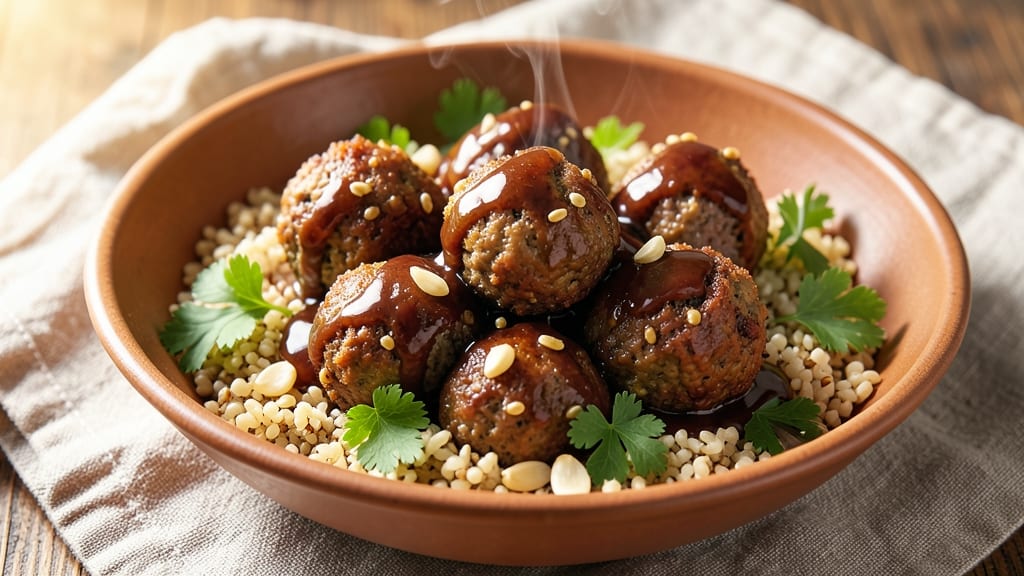
This beef and quinoa meatballs recipe transforms ordinary meatballs into protein-packed bites with nutty depth and satisfying texture. The secret? Cooking quinoa directly into the meatball mixture creates a tender, flavorful base that holds together perfectly while adding plant-based protein and chewy texture.
I developed this recipe after realizing traditional meatballs often felt too heavy or dry, and this version solves both problems with a balanced ratio of beef to quinoa.
The cooking method is simple but crucial: pan-frying until golden gives them a crisp exterior while keeping the centers juicy. You'll use ground beef, cooked quinoa, breadcrumbs, and a blend of aromatic seasonings that infuse every bite with savory warmth.
This recipe delivers restaurant-quality results without requiring special equipment—just a mixing bowl, frying pan, and patience for the quinoa to cook properly.
What you end up with are meatballs that are tender yet substantial, with a satisfying bite from the quinoa and rich beef flavor throughout. They hold their shape beautifully whether pan-fried, baked, or grilled, making them perfect for serving with marinara sauce, in soups, or as a protein-packed appetizer.
The nutty quinoa adds depth that traditional meatballs simply can't match.
These meatballs reheat well for meal prep, making them ideal for busy weeknights. The recipe scales easily for parties or family dinners, and the flavor profile works with both classic Italian dishes and global cuisines. Let's get started with this protein-packed upgrade to a classic favorite.
Ingredients for beef and quinoa meatballs
These twelve ingredients blend beef's richness with quinoa's nutty texture for restaurant-quality meatballs.
| Ingredient | Amount | Notes |
|---|---|---|
| Ground Beef (80% lean) 🥩 | 1 ½ lb | Finely ground for even texture |
| Uncooked Quinoa 🌾 | ½ cup | Rinsed thoroughly before cooking |
| Panko Breadcrumbs 🍞 | ½ cup | Light and crisp for texture |
| Large Eggs 🥚 | 2 whole | Room temperature for better binding |
| Fresh Parsley 🌿 | ¼ cup | Finely chopped for freshness |
| Garlic Cloves 🧄 | 4 cloves | Minced for aromatic depth |
| Onion (Yellow) 🧅 | ¼ cup | Finely diced for subtle sweetness |
| Extra-Virgin Olive Oil 🫒 | 1 tbsp | High quality for flavor infusion |
| Diamond Crystal Kosher Salt 🧂 | 1 tsp | Fine grain for even distribution |
| Freshly Ground Black Pepper 🌶️ | ½ tsp | Coarsely cracked for texture |
| Dried Oregano 🍃 | 1 tsp | Mediterranean variety preferred |
| Ground Nutmeg 🌿 | ¼ tsp | Freshly grated for warmth |
| Vegetable Oil (for frying) 🫒 | 2 tbsp | High smoke point preferred |
The ground beef quality is non-negotiable here—80% lean gives you that satisfying bite without excessive fat. Whole Foods or Costco carry the finest pre-ground beef, but any reputable grocery store's 80% lean option works. Quinoa selection matters too: Trader Joe's carries pre-rinsed quinoa, which saves time, but rinsing your own removes excess bitterness and ensures even cooking. For the quinoa-to-beef ratio, I've found 0.5 cup quinoa to 1.5 lbs beef creates that perfect chewy texture while keeping the meatballs tender. The Panko breadcrumbs should be light and crisp—avoid the dense varieties that can make meatballs soggy.
No fresh parsley? Dried parsley at one-third the amount works in a pinch, though fresh adds vibrant color and brightness. Substituting quinoa? Cooked brown rice or bulgur wheat can replace it, but texture will differ slightly. For the olive oil, high-quality extra-virgin makes a noticeable difference in flavor infusion—California Olive Ranch or Colavita are excellent choices. The nutmeg is crucial for that subtle warmth; if you're out, a pinch of cinnamon can mimic its depth. For frying, maintain oil temperature at 350°F—too hot and they'll cook unevenly, too cool and they'll absorb excess oil. A deep-fry thermometer is worth the investment for consistent results.
These meatballs reheat beautifully—4-5 days in the fridge or 3 months frozen—making them perfect for meal prep. Store cooked meatballs in an airtight container with a paper towel to absorb any moisture. For freezing, portion into single-serving bags with a bit of marinara sauce to prevent drying. The quinoa mixture can be prepped ahead and refrigerated for up to 2 days before forming meatballs. When reheating, a quick pan sear in fresh oil revives that golden crust and crisp texture that makes them irresistible.
Why You'll Love This Recipe
- No-Fuss Mix-In: I swear by the quinoa trick—just toss uncooked grains right into the meatball mix. No pre-cooking, no extra pots, and those little bursts of nutty flavor? They make the whole thing sing. (Yes, even when I forget to rinse the quinoa first.)
- Crispy-Creamy Magic: That panko crust meets the tender beef center like a hug—golden outside, juicy inside. The parsley adds this fresh brightness that cuts through the richness, and honestly? It’s the kind of bite that makes people ask, “What’s in this?”
- Weeknight Wonder: Bake, freeze, reheat—this recipe does it all. I make a double batch on Sundays, toss them in marinara for quick dinners, or serve them at game day with toothpicks. No one ever complains, and my wallet stays happy.
- Budget Bulk: Ground beef stretches further with quinoa, and panko’s cheap but adds texture like fancy breadcrumbs. A pound of beef makes 20 meatballs, so leftovers? More like leftovers I’ll actually eat cold the next day. (No sad, dried-out regrets here.)
Step-by-step instructions for beef and quinoa meatballs
Transform simple ingredients into protein-rich meatballs with a satisfying nutty depth.
Cook the Quinoa Until Tender
Rinse the 0.5 cup uncooked quinoa thoroughly under cold water to remove any bitterness. In a small saucepan, combine the quinoa with 1 cup water and bring to a boil over medium-high heat. Once boiling, reduce heat to low, cover, and simmer for 12-15 minutes until all liquid is absorbed and the quinoa is tender.
Remove from heat and let it sit covered for 5 minutes. Fluff with a fork to separate the grains—this prevents the meatballs from becoming dense. The quinoa should be warm but not hot when you mix it with the other ingredients, so you may need to let it cool slightly before proceeding.
Prepare the Aromatic Base
While the quinoa cooks, heat 1 tablespoon extra-virgin olive oil in a small skillet over medium heat. Add the 0.25 cup finely diced yellow onion and cook for 3-4 minutes until softened but not browned. Add the 4 minced garlic cloves and cook for an additional 30 seconds until fragrant.
Remove from heat and let cool. This aromatic mixture will deepen the flavor profile of your meatballs, so don't rush this step. The onion should be translucent, and the garlic should smell pungent but not burnt. Transfer to a mixing bowl to combine with the other ingredients.
Combine Wet and Dry Ingredients
In a large mixing bowl, combine the 1.5 lb ground beef (80% lean), cooked quinoa, 0.5 cup panko breadcrumbs, 2 large eggs, and cooled onion-garlic mixture. Add the 1 tsp diamond crystal kosher salt, 0.5 tsp freshly ground black pepper, 1 tsp dried oregano, and 0.25 tsp ground nutmeg.
Using your hands, gently mix all ingredients until just combined. Be careful not to overwork the mixture—just enough to distribute the quinoa and seasonings evenly. The meatballs should hold together when pressed, but the mixture shouldn't be sticky. If it feels too wet, add 1-2 tablespoons more panko breadcrumbs.
Form and Chill the Meatballs
Divide the mixture into 16 equal portions (about 1.5 tablespoons each) and roll into uniform meatballs about 1.5 inches in diameter. Place them on a parchment-lined baking sheet. Chill in the refrigerator for 30 minutes to firm up—this ensures they hold their shape during cooking.
Chilling is crucial for preventing the meatballs from falling apart when you fry them. If you're short on time, you can skip chilling and proceed directly to frying, but the texture may be slightly less firm. Arrange the meatballs in a single layer, leaving space between them for even browning.
Fry Until Golden and Cooked Through
Heat 2 tablespoons vegetable oil in a large skillet over medium heat until shimmering. Add the meatballs in a single layer, being careful not to overcrowd the pan. Cook for 4-5 minutes per side until they're golden brown and cooked through to an internal temperature of 160°F.
You'll know they're ready when the exterior is crispy and the juices run clear when you cut into one. If the oil isn't hot enough, the meatballs will absorb oil instead of browning. Transfer to a paper towel-lined plate to drain excess oil. Serve immediately with your favorite dipping sauce or over a bed of greens for a complete meal.
Pro Tips For Making Beef And Quinoa Meatballs
- Cook Quinoa First: I learned this the hard way—raw quinoa soaks up moisture like a sponge, turning your meatballs into dense, dry bricks. Rinse the quinoa first, then cook it until just tender (not mushy), drain it well, and let it cool completely before mixing. That way, it stays intact and adds texture instead of turning your mixture into a paste.
- Chill the Mixture: The fat in ground beef wants to escape, and warm hands make it worse. After mixing everything, shape the meatballs and refrigerate them for at least 30 minutes. This firms them up, prevents greasy leaks during cooking, and guarantees they hold together—no matter how roughly you handle them.
- Skip Overmixing Panko: Panko’s job is to add crunch, not glue everything together. Toss it in last and fold just until combined—any more, and you’ll end up with dense meatballs instead of light, crispy ones. Think of it like sprinkling confetti: distribute it evenly, but don’t stir it into oblivion.
- Use Two Eggs: One egg binds, but two eggs guarantee structure—especially with quinoa’s moisture. Crack them in, mix lightly, and let the proteins do their work. I was skeptical until I tried it: the meatballs stay together even when tossed in sauces or baked, no matter how much you handle them.
Troubleshooting your beef and quinoa meatballs
Meatballs Falling Apart
This usually happens when the quinoa isn't fully cooled before mixing or the meatballs aren't chilled before cooking. Let the quinoa cool completely before combining with beef—warm quinoa releases moisture that weakens the structure.
Also, skip the chill step only if absolutely necessary, as cold meatballs hold their shape better during frying. If they still crumble, add 1 extra tablespoon panko to the mixture for better binding. 💡
Uneven Cooking
Uneven browning or undercooked centers happen when oil temperature fluctuates. Use a deep-fry thermometer to maintain 350°F—never exceed 375°F or the exterior will burn before the inside cooks.
Fry in batches to avoid crowding the pan, which lowers oil temperature. For extra insurance, cut one meatball to check for 160°F internal temperature before serving.
Dry or Dense Texture
Overcooked quinoa or excessive breadcrumbs can create dense meatballs. Cook quinoa until just tender (12-15 minutes), then fluff immediately to separate grains. If the mixture feels too dry, add 1 teaspoon water at a time until it holds together when pressed.
For extra moisture, include 1 tablespoon marinara sauce in the mix—it adds richness without making them soggy. 🌾
Excessive Oil Absorption
Cold meatballs absorb less oil, so ensure they're properly chilled before frying. If they still soak up oil, your pan may not be hot enough. Increase heat to medium-high and add 1 additional tablespoon oil to the pan.
For crispier results, pat meatballs dry with a paper towel before frying—this removes surface moisture that causes oil splatter.
Quinoa Not Cooked Properly
Undercooked quinoa will create a gritty texture, while overcooked quinoa makes meatballs dense. Rinse quinoa thoroughly before cooking to remove bitterness, then simmer in 1:2 quinoa-to-water ratio for exactly 12-15 minutes.
Remove from heat immediately after cooking and fluff with a fork to separate grains. If quinoa feels mushy, drain excess liquid before mixing with beef. 🥩
Meatballs Too Greasy
Greasy meatballs often result from overcrowding the pan or using too much oil. Fry in a single layer with 2 tablespoons oil for 16 meatballs, adding more only if needed.
Drain on a paper towel-lined plate to remove excess oil. For a lighter option, bake at 400°F for 20-25 minutes instead of frying—this reduces oil absorption while keeping them tender.
Nutrition facts
Frequently asked questions
Can I substitute ground turkey or chicken for beef?
Ground turkey or chicken works beautifully—just reduce cooking time slightly (3-4 minutes per side) since poultry cooks faster than beef. For extra binding, add 1 extra tablespoon breadcrumbs to prevent crumbling. The quinoa-to-meat ratio remains the same (0.5 cup quinoa to 1.5 lbs poultry) to maintain texture.
How do I make these meatballs ahead for meal prep?
Cooked meatballs freeze perfectly for 3 months—portion into single-serving bags with 1 tablespoon marinara sauce to prevent drying. Thaw overnight in the fridge, then reheat in a skillet with 1 teaspoon oil over medium heat for 3-4 minutes to revive the crust. For fridge storage, keep in an airtight container for 4-5 days.
What's the best way to serve these meatballs?
These meatballs shine with classic marinara sauce, but they're also fantastic in zucchini noodles, cauliflower rice bowls, or as a topping for flatbread pizza. For extra flavor, toss them in teriyaki glaze or spicy harissa before serving. The nutty quinoa pairs especially well with Mediterranean flavors like tzatziki or lemon-herb yogurt.
Why does my quinoa turn out mushy?
Mushy quinoa usually means overcooking or insufficient rinsing. Always rinse quinoa thoroughly before cooking to remove excess starch. Use a 1:2 quinoa-to-water ratio and cook for exactly 12-15 minutes—remove from heat immediately when water is absorbed. Let it sit covered for 5 minutes before fluffing with a fork. If still mushy, drain any excess liquid before mixing with beef.
Can I bake these instead of frying?
Yes! Preheat oven to 400°F and bake on a parchment-lined tray for 20-25 minutes, turning halfway. For crispier results, brush with 1 teaspoon olive oil before baking. Baking reduces oil absorption by about 30%, making them a lighter option. The internal temperature should reach 160°F for safety.