
Side Dishes
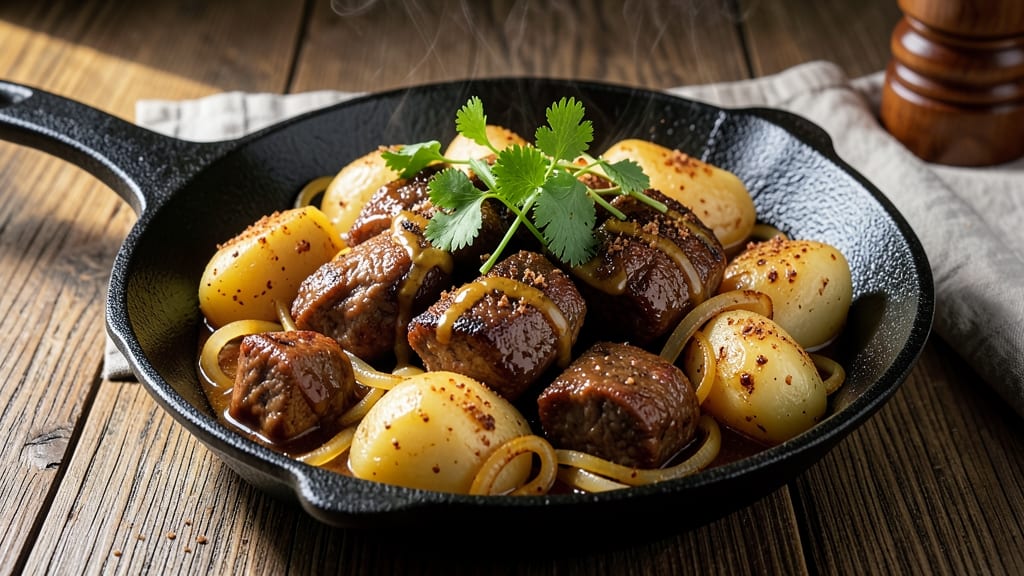
This Vietnamese recipe for fragrant coconut-caramelized beef and potatoes brings the hearty, aromatic flavors of Vietnam to your table with tender beef and perfectly cooked potatoes.
The secret lies in balancing sweet caramelized onions with savory fish sauce and coconut milk, creating a rich, comforting sauce that clings to every bite. I developed this recipe after discovering how Vietnamese cuisine transforms simple ingredients into extraordinary meals—this one delivers restaurant-quality depth at home.
The potatoes here are cooked to a tender yet slightly crispy texture, absorbing the fragrant coconut-caramel sauce while maintaining their structure. Traditional Vietnamese techniques like slow caramelization and aromatic spice blends—star anise, cinnamon, and lemongrass—elevate the dish beyond ordinary beef and potato preparations.
What makes this recipe stand out is its ability to deliver warm, satisfying comfort without requiring complex steps or rare ingredients.
By the time you serve this dish, your kitchen will be filled with the warm, spiced aroma of caramelized onions and coconut milk, while the beef becomes fork-tender and the potatoes develop a golden crust.
The sauce, thickened just enough to coat the ingredients, balances sweet, savory, and umami notes perfectly. This is the kind of meal that feels like a hug—ideal for family dinners or when you crave something hearty yet flavorful.
Pair it with steamed jasmine rice to soak up every last drop of the sauce, or serve with fresh herbs like cilantro or Thai basil for brightness. The recipe scales easily, making it perfect for gatherings or meal prep. Let’s get cooking—this dish is a game-changer for Vietnamese-inspired comfort food.
Ingredients for beef and potatoes vietnamese
These aromatic ingredients transform simple beef and potatoes into a Vietnamese comfort masterpiece.
| Ingredient | Amount | Notes |
|---|---|---|
| Chuck Roast Beef 🥩 | 1 ½ lb | Pre-cubed for even cooking |
| Yellow Onions 🧅 | 2 large | Thinly sliced for caramelization |
| Russet Potatoes 🥔 | 2 lbs | Cut into 2-inch chunks |
| Coconut Milk 🥥 | 1 can | Full-fat for richness |
| Fish Sauce 🍶 | 2 tbsp | Red Boat preferred |
| Brown Sugar 🍬 | ½ cup | Lightly packed |
| Fresh Ginger 🌿 | 2 tbsp | Grated, aromatic |
| Star Anise 🌶️ | 2 whole | Whole pods for infusion |
| Cinnamon Sticks 🍃 | 2 whole | For aromatic depth |
| Garlic Cloves 🧄 | 6 cloves | Minced for aromatic base |
| Vegetable Oil 🫒 | 2 tbsp | For searing beef |
| Salt 🧂 | 1 ½ tsp | Diamond Crystal preferred |
| Black Pepper 🌶️ | 1 tsp | Freshly ground |
| Lemongrass 🌿 | 2 stems | Bruised and cut into pieces |
| Thai Basil 🌿 | ¼ cup | Chopped for garnish |
The chuck roast is essential for its rich flavor and tender texture—pre-cubed saves time, but a whole roast works too if you're patient. For the onions, yellow varieties caramelize best, and Trader Joe's often has the sweetest. Russet potatoes hold their shape while absorbing the sauce, so don’t substitute with waxy types. Coconut milk should be full-fat for that velvety texture, and Thai Kitchen or Aroy-D brands are reliable. Ginger and lemongrass are the aromatic backbone—fresh is non-negotiable here, as dried versions lack the bright, citrusy punch. Star anise and cinnamon add depth without overpowering, but remove them before serving—no one wants a mouthful of spice pods.
No fish sauce? Soy sauce plus a pinch of sugar mimics the umami-sweet balance, though it won’t be identical. Running short on lemongrass? Substitute with 1 tbsp lime zest plus 1 tsp lime juice for a citrusy kick. The brown sugar can be swapped for white sugar plus a pinch of molasses if you’re out, but the caramelization will be slightly less rich. For the beef, flank steak or sirloin work in a pinch, but they’ll be leaner and less tender. If you’re using a whole chuck roast, trim excess fat—it renders beautifully, but too much can make the sauce greasy. The Thai basil is optional but adds that signature Vietnamese brightness; regular basil won’t cut it.
This dish tastes even better the next day as the flavors meld—portion leftovers into airtight containers for easy reheating. The sauce thickens as it cools, so add a splash of water or coconut milk if it’s too stiff when reheating. Store in the fridge for up to 5 days or freeze for 3 months (sauce may separate; stir before reheating). For meal prep, cook the potatoes and beef separately and assemble with the sauce when ready to serve—keeps everything crisp. The lemongrass and star anise can be stored in the freezer for 6 months in a sealed bag, and fresh ginger lasts 3 weeks in the fridge wrapped in a damp towel.
Why You'll Love This Recipe
- One-Pan Magic: I swear by this—just toss the beef, potatoes, and onions in one pot with coconut milk, and let it simmer. No chopping boards full of scraps, no extra dishes. The potatoes soften right in the broth, soaking up all that rich, umami-packed sauce.
- Deep Umami Bomb: That chuck roast? It melts into tender, shreddable perfection. The fish sauce and coconut milk create this perfect balance—salty, sweet, and savory all at once. Honestly, the first time I tasted it, I nearly licked the pan clean.
- Leftovers That Don’t Suck: Between us, most beef and potato dishes turn into sad, dry leftovers. Not this one. The coconut milk keeps everything moist, and the flavors only get better the next day. I’ve reheated portions for breakfast (yes, really) and it’s still hearty and delicious.
- Budget Feast for Crowds: A chuck roast is cheap, potatoes are cheap, and coconut milk stretches further than you’d think. This feeds six for under $20, and everyone walks away happy. My college roommates called it “the meal that saved us.” (They were right.)
Step-by-step instructions for Vietnamese-inspired coconut-caramelized beef and potatoes
This method delivers deep, aromatic flavors through careful layering of spices and precise cooking techniques.
Sear the Chuck Roast Beef for Deep Flavor
Heat the 2 tablespoons vegetable oil in a large Dutch oven over medium-high heat until shimmering. Pat the 1.5 lb chuck roast beef completely dry with paper towels—this ensures maximum browning. Working in batches if needed, add the beef cubes and sear for 3-4 minutes per side until deep golden brown with crisp edges.
Remove the beef and set aside. The goal here is to develop a rich, caramelized crust that will form the flavor base for your dish. If the oil starts smoking before the beef browns, reduce the heat slightly. The beef will finish cooking later, so don't worry about full doneness at this stage.
Build the Aromatic Spice Base
In the same Dutch oven, add the 2 large yellow onions and cook over medium heat for 5-6 minutes until softened and beginning to caramelize. Add the 6 cloves garlic cloves and 2 tablespoons fresh ginger, cooking for another 1 minute until fragrant but not browned.
Stir in the 2 whole star anise, 2 whole cinnamon sticks, and 2 stems lemongrass (bruised and cut into pieces). Add the 0.5 cup brown sugar and cook for 2 minutes until slightly melted and fragrant. This spice infusion creates the signature depth of Vietnamese cuisine—don't skip this step.
Simmer the Potatoes in Coconut Milk
Add the 2 lbs russet potatoes (cut into 2-inch chunks) to the Dutch oven. Pour in the 1 can coconut milk and add 2 tablespoons fish sauce, 1.5 teaspoons salt, and 1 teaspoon black pepper. Return the seared beef to the pot, then bring everything to a gentle simmer over low heat.
Cover and cook for 45-50 minutes, stirring occasionally, until the potatoes are fork-tender and the beef reaches an internal temperature of 195-200°F. The coconut milk should reduce slightly, creating a rich, velvety sauce. If the mixture looks dry, add ¼ cup water to maintain moisture.
Finish with Fresh Herbs and Garnish
Remove the star anise, cinnamon sticks, and lemongrass stems. Stir in the 0.25 cup chopped Thai basil just before serving to preserve its bright, peppery flavor. Taste and adjust seasoning with additional fish sauce if needed—this is where the dish comes together with that perfect balance of sweet, savory, and umami.
Serve immediately with steamed jasmine rice to soak up the fragrant coconut-caramelized sauce. The beef should be fork-tender with a caramelized exterior, while the potatoes remain creamy and infused with the aromatic spices. This dish delivers true Vietnamese comfort food at its finest.
Pro Tips For Making Beef And Potatoes Vietnamese
- Sear the Beef First: Chuck roast needs a good crust to stay juicy, so don’t skip the sear—even if you’re in a hurry. Hit the pan with high heat, 2 tablespoons of oil, and let those browned bits form before adding anything else. I learned this the hard way when my first batch turned out bland because I rushed straight to the coconut milk.
- Parboil Potatoes Separately: Tossing raw potatoes into the pot with everything else? That’s a one-way ticket to uneven cooking. Boil them whole in salted water for 8–10 minutes first—just until they’re fork-tender but still firm. Then add them to the beef mixture; they’ll finish cooking without falling apart or turning mushy.
- Balance the Fish Sauce: Fish sauce is the flavor bomb here, but too much and you’ll regret it. Start with 1–2 teaspoons and taste as you go—remember, it’s salty and funky. My grandmother swore by this: "A little goes a long way, but you can always add more, not take away." Trust the process.
- Simmer Low and Slow: This isn’t a race. After adding coconut milk, keep the heat at a gentle simmer (not a rolling boil) for at least 2 hours. The beef needs time to break down, and the potatoes need to soak up all that rich, creamy goodness. I know, I know—you’re impatient like me—but skimp on this, and you’ll end up with dry meat and watery potatoes.
Flavor customization for these flavors
Sweet-Savory Balance
Adjust the caramelized onion and brown sugar ratio to suit your taste. For a sweeter profile, increase the brown sugar to ⅔ cup and reduce the fish sauce to 1.5 tbsp. If you prefer more umami depth, add 1 tbsp soy sauce alongside the fish sauce.
I love balancing the sweetness with a touch of acid—squeeze in 1 tbsp lime juice at the end for brightness. 🍯
Spicy Kick Options
For heat lovers, stir in 1 tbsp sambal oelek or ½ tsp cayenne pepper when adding the coconut milk. If you want smoky depth, add ½ tsp smoked paprika with the spices. Fresh chili lovers can top individual servings with sliced Thai bird’s eye chili for a fiery finish. 🌶️
Herb Variations
Swap Thai basil for cilantro if preferred, but remember it has a different flavor profile. For a more authentic Vietnamese touch, add 1 tbsp chopped mint along with the basil. If you’re feeling adventurous, try Vietnamese coriander (rau răm)—it’s peppery and aromatic, perfect for this dish. 🌿
Creamy or Crispy Potatoes
For extra creamy potatoes, add ½ cup heavy cream with the coconut milk. For crispy edges, roast the potato chunks at 425°F for 15 minutes before adding them to the Dutch oven. I prefer the tender-but-firm texture, but both methods work beautifully. 🥔
Protein Swaps
Replace chuck roast with pork shoulder for a Vietnamese-style pork and potato stew. For a lighter option, use chicken thighs instead of beef. If you’re vegetarian, swap the beef for extra-firm tofu or mushrooms, but increase the coconut milk to 1.5 cans for richness. 🍗
Regional Twists
For a Northern Vietnamese touch, add 1 tsp five-spice powder with the star anise. Southern Vietnamese cooks might include 1 tbsp shrimp paste for extra umami. Central Vietnamese versions often feature lemongrass stalks tied into a bundle for infusion—remove before serving. 🗺️
Nutrition facts
Frequently asked questions
Can I use regular potatoes instead of russet potatoes?
Yes, but the texture will differ. Russet potatoes hold their shape beautifully in this dish, absorbing the sauce while staying slightly firm. For a creamier result, try Yukon Gold potatoes—they'll break down more but still work well. Waxy potatoes like red or fingerlings may turn mushy, so avoid those for this recipe.
How do I make this dish less sweet?
Reduce the brown sugar to ¼ cup and increase the fish sauce to 3 tbsp for more umami depth. You can also add 1 tbsp soy sauce or ½ tsp black vinegar to balance the sweetness. Taste as you go—Vietnamese flavors rely on this sweet-savory harmony!
What's the best way to store leftovers?
Store in airtight containers for up to 5 days in the fridge. The sauce may thicken—just add a splash of water or coconut milk when reheating. For freezing, portion the dish (without rice) and freeze for 3 months. Thaw overnight in the fridge before reheating gently on the stove.
Can I make this dish in a slow cooker?
Sear the beef first, then transfer everything to your slow cooker. Cook on low for 6-7 hours or high for 3-4 hours. The slow cooking enhances the beef's tenderness and lets the flavors meld beautifully. Just check the potatoes occasionally—they may need a few extra minutes.
Why does my sauce look too thin?
This usually happens if the coconut milk wasn't reduced enough. Simmer uncovered for 5-10 minutes to thicken the sauce naturally. If it's still too thin, mix 1 tbsp cornstarch with 2 tbsp water and stir it in while heating. For extra richness, add 2 tbsp coconut cream at the end.