
Soups & Stews
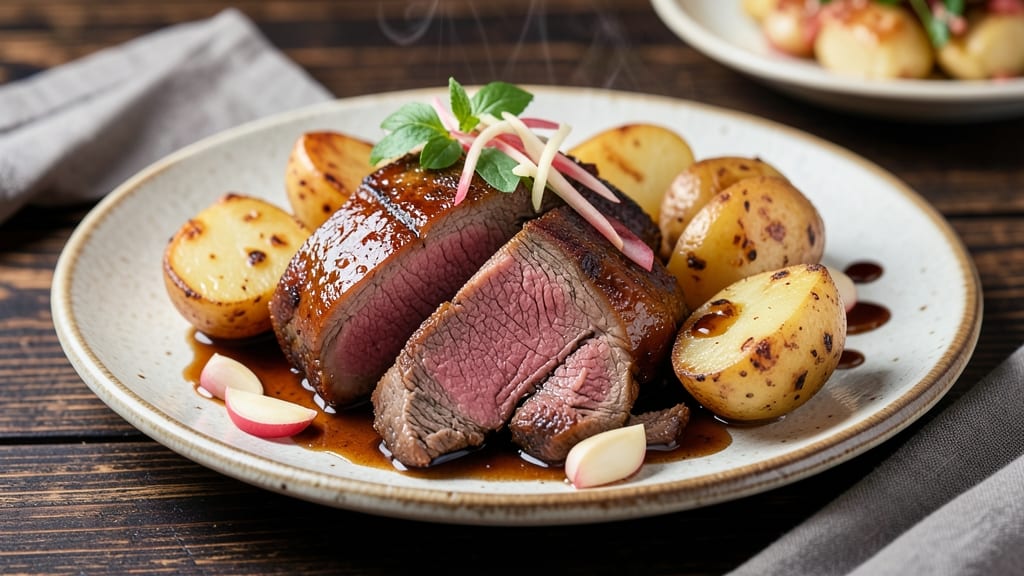
This beef and potato Chinese recipe delivers the hearty, comforting flavors of a home-style braise without the fuss of multiple pots. The secret lies in a slow-cooked approach that transforms tough beef into tender, fork-friendly pieces while potatoes soak up rich, savory aromatics—all in one dish.
I developed this recipe after craving that perfect balance of textures and flavors found in Chinese home cooking, where every bite feels like a warm hug.
The magic happens with a simple yet powerful combination of soy sauce, rice wine, and ginger, which build deep umami layers as the dish simmers. Unlike traditional stir-fries, this method lets the beef and potatoes develop melting tenderness while maintaining their shape, creating a dish that’s both satisfying and elegant.
The result? A one-pot wonder that’s perfect for weeknight dinners or family gatherings, where the aroma alone will have everyone gathering around the table. What makes this recipe special is how it captures the essence of Chinese comfort food—steamed dumpling-style flavors without the need for wrappers.
The beef stays juicy, the potatoes become creamy yet hold their structure, and the sauce clings to every bite like a well-worn favorite. It’s the kind of dish that tastes even better the next day, making it ideal for meal prep or leftovers.
Serve it over steamed jasmine rice for a complete meal, or pair it with a crisp green salad to balance the richness. The beauty of this recipe is in its versatility—it’s hearty enough for a main course but simple enough to become a staple in your rotation.
Let’s get cooking!
Ingredients for beef and potato chinese
Pantry staples and a few specialty finds create this comforting Chinese one-pot masterpiece.
| Ingredient | Amount | Notes |
|---|---|---|
| Chuck Roast 🥩 | 1 ½ lb | Cut into 1-inch cubes |
| Yukon Gold Potatoes 🥔 | 2 lb | Cut into 2-inch chunks |
| Light Soy Sauce 🍶 | ½ cup | Kikkoman preferred |
| Dry Sherry 🍷 | ¼ cup | Or substitute with rice wine |
| Fresh Ginger 🧄 | 2 tbsp | Finely grated, fresh preferred |
| Garlic Cloves 🧄 | 6 cloves | Minced, fresh preferred |
| Green Onions 🧅 | 2 whole | Cut into 1-inch pieces |
| Cornstarch 🌾 | 1 tbsp | For thickening sauce |
| Water 💧 | 2 cups | Room temperature |
| Sesame Oil 🫒 | 1 tbsp | For finishing |
| Vegetable Oil 🫒 | 2 tbsp | For searing |
| Salt 🧂 | 1 ½ tsp | Kosher or sea salt |
| White Pepper 🌶️ | ½ tsp | Freshly ground preferred |
| Dried Shiitake Mushrooms 🍄 | 4 whole | Rehydrated, sliced |
| Jasmine Rice 🍚 | 2 cups | Uncooked, for serving |
The chuck roast is the star—look for well-marbled cuts at Whole Foods or your local butcher. Yukon Gold potatoes hold their shape better than russets, and their creamy texture is perfect for soaking up the sauce. If you can't find dried shiitake mushrooms, fresh shiitakes work too, but don't skip them entirely—they add deep umami. For the soy sauce, Kikkoman light soy is the gold standard, but any good-quality light soy will do. The ginger and garlic should be vibrant and fresh; no dried substitutes here—they won't deliver the same bright flavor.
No sherry? Dry white wine or rice wine works in a pinch, but sherry's caramel notes are ideal. Running out of cornstarch? Arrowroot powder at half the amount works just as well. The green onions add freshness—use the whites and greens together for maximum flavor, but if you only have the green parts, that's fine too. For extra richness, add 1 tbsp of oyster sauce (vegetarian version if needed), but it's not essential. The potatoes can be baby potatoes if you prefer—just halve them to ensure even cooking. The beef cubes should be uniform in size to ensure they cook at the same rate.
This dish tastes even better the next day as the flavors meld further. Store leftovers in an airtight container in the fridge for up to 4 days, or freeze for 3 months. I always make a double batch—one for dinner and one to reheat for lunch the next day. The sauce thickens as it cools, so add a splash of water when reheating. For serving, steamed jasmine rice is traditional, but brown rice or even quinoa works beautifully. Garnish with extra green onions and a drizzle of sesame oil before serving for that restaurant-quality touch.
Why You'll Love This Recipe
- One-Pot Magic: I swear by this recipe when I’m too tired to wash dishes—chuck roast and potatoes simmer together until the meat falls apart and the potatoes caramelize. Just slice, toss in a Dutch oven, and let it work its magic.
- Sherry-Ginger Kick: That splash of dry sherry and fresh ginger? It’s the secret weapon—bright, slightly sweet, and deep all at once. The soy sauce ties it together while keeping it from tasting heavy, like a cozy hug in a bowl.
- Lunchbox Hero: Between us, this is my go-to for meal prep. The flavors only get better after a day in the fridge, and it reheats like a dream. Pack it for work or school—no sad, soggy leftovers here.
- Budget Powerhouse: Chuck roast is cheap, potatoes are cheap, and a little sherry goes a long way. I feed four for under $15, and the leftovers? Even better the next day. (Yes, even on a Tuesday night.)
Step-by-step instructions for beef and potato Chinese stew
This one-pot method delivers hearty, aromatic Chinese comfort with minimal cleanup.
🍳 Step 1: Sear the Beef and Potatoes
Heat the 2 tablespoons vegetable oil in a large Dutch oven or heavy pot over medium-high heat until shimmering. Add the 1.5 lb chuck roast cut into 1-inch cubes and sear in batches for 3-4 minutes per side until deeply browned. Don't overcrowd the pan—work in batches if needed.
Once the beef is browned, remove it to a plate. In the same pot, add the 2 lb Yukon Gold potatoes cut into 2-inch chunks and cook for 5-6 minutes until lightly golden. Return the beef to the pot and stir to combine. This initial searing builds deep flavor that infuses the entire dish.
👨🍳 Step 2: Build the Aromatic Base
Add the 2 tablespoons finely grated fresh ginger and 6 cloves minced garlic to the pot, stirring constantly for 30 seconds until fragrant. The ginger should sizzle slightly—this releases its essential oils and prevents bitterness. Add the 4 whole dried shiitake mushrooms (rehydrated and sliced) and cook for 1 minute to absorb the flavors.
Pour in the 0.5 cup light soy sauce and 0.25 cup dry sherry, scraping up any browned bits from the bottom. These bits are packed with flavor—don't skip this step. Add the 1.5 teaspoons salt and 0.5 teaspoon white pepper, then pour in the 2 cups water. The liquid should just cover the ingredients—this ensures proper steaming while allowing the potatoes to absorb flavor.
🔥 Step 3: Simmer Until Tender
Bring the mixture to a gentle boil, then reduce heat to low, cover partially, and simmer for 45-50 minutes. You want the potatoes to be fork-tender and the beef to pull apart easily. Stir occasionally to prevent sticking, especially after the first 20 minutes when the potatoes begin breaking down.
Here's the thing—this dish benefits from slow cooking. The potatoes should be soft enough to pierce with a fork, but not falling apart. The beef should be tender with just a slight resistance. If the liquid reduces too much before the potatoes are done, add ½ cup water to maintain the right consistency.
🥘 Step 4: Thicken the Sauce
Once the beef and potatoes are tender, uncover the pot and increase heat to medium. Stir in the 1 tablespoon cornstarch mixed with 2 tablespoons water to create a smooth slurry. Cook for 2-3 minutes until the sauce thickens slightly and coats the back of a spoon. This step creates that signature silky texture that makes this dish so comforting.
Taste and adjust seasoning if needed—you might need a touch more soy sauce for saltiness or a splash of sherry for depth. The sauce should be rich but not overly thick. If it's too thick, whisk in 1 tablespoon water at a time until you reach the perfect consistency.
🍽️ Step 5: Finish and Serve
Remove from heat and stir in the 1 tablespoon sesame oil and 2 whole green onions cut into 1-inch pieces. The sesame oil adds a nutty aroma that complements the savory flavors. Let the stew sit covered for 5 minutes to allow the flavors to meld together.
Serve hot over 2 cups cooked jasmine rice, spooning the beef, potatoes, and sauce generously over each portion. The rice soaks up the flavorful broth while providing a neutral base that lets the beef and potato flavors shine. Garnish with additional green onions if desired, and enjoy this comforting one-pot meal that brings Chinese home cooking to your table.
Pro Tips For Making Beef And Potato Chinese
- SEAR THE BEEF HARD: Chuck roast loves a good crust, so don’t be shy with the heat—get that pan screaming hot before adding oil. I used to rush this and end up with bland beef; now I wait until the oil shimmers like a summer road, then sear in batches if needed. That caramelized layer? It’s what holds the sauce later.
- CUT POTATOES UNIFORM: No one wants mushy potatoes or undercooked centers—chop them all the same size, about 1.5 inches thick. I learned this after one batch where half turned to paste while others stayed rock-hard. A mandoline helps, but even a knife works if you’re patient (and don’t cut yourself).
- USE SHERRY LAST: Add the dry sherry when the beef is nearly done—about 10 minutes before serving. Too early, and it burns into oblivion; too late, and the alcohol flavor vanishes. A splash right before the soy sauce ties everything together, bright and balanced.
- GINGER: GRATE, DON’T SLICE: Fresh ginger loses its punch when chopped—grate it fine so it melts into the sauce instead of sitting as chunks. I was skeptical until I tried it; now I double the amount when grating because it makes a real difference. No peeling needed—just scrub and grate the skin too.
Wine and beer pairings for these flavors
Chinese Rice Wine
This dish pairs beautifully with a dry Chinese rice wine like Moutai or Shaoxing wine. The Shaoxing wine (a fermented rice wine) adds a subtle sweetness and depth that complements the soy and sherry flavors.
I like to serve it slightly chilled—about 45-50°F—to cleanse the palate between bites. For a non-alcoholic option, try jasmine tea with a hint of lemon, which balances the richness without overpowering. 🍶
Light Beer Pairings
A crisp Chinese lager like Tsingtao or Snow Beer works wonders with this dish. The light body and mild hop bitterness won’t compete with the beef and potatoes but will refresh your palate.
If you prefer local options, a pilsner or wheat beer with citrus notes adds a nice contrast. Avoid heavy stouts or IPAs—they’ll overpower the delicate flavors. 🍺
Red Wine Alternatives
For red wine lovers, a light-bodied Chinese red like Cabernet Grapes or a Pinot Noir from Yunnan province is ideal. These wines have enough acidity to cut through the richness while complementing the umami notes from the soy and shiitake mushrooms.
If you can’t find Chinese reds, a dry Riesling from Germany offers a similar balance of sweetness and acidity. 🍷
Non-Alcoholic Options
For a refreshing non-alcoholic pairing, serve with sparkling yuzu soda or green tea with lemon. The bright citrus notes of yuzu cut through the savory flavors, while the tannins in green tea help balance the richness.
I also love serving lychee juice on the side—its floral sweetness adds a delightful contrast to the hearty stew. 🍋
Serving with Tea
No Chinese meal is complete without tea! A jasmine green tea or pu-erh tea enhances the dining experience. Jasmine tea’s floral aroma pairs perfectly with the dish’s savory notes, while pu-erh’s earthy tones complement the deep flavors of the beef and mushrooms.
Brew a fresh pot and serve it warm for the full experience. ☕
Nutrition facts
Frequently asked questions
Can I substitute regular potatoes for Yukon Gold?
Yes, but expect different results. Yukon Golds hold their shape better while absorbing flavor, creating that perfect tender-yet-firm texture. Regular russets will break down more and turn starchy, while red potatoes stay firmer but may not soak up as much sauce. For best results, stick with Yukon Golds or baby potatoes cut slightly smaller.
What's the best cut of beef for this recipe?
Chuck roast is ideal because it's flavorful and becomes tender when slow-cooked. If you can't find it, use beef chuck shoulder or even stew meat. Avoid lean cuts like sirloin—they won't become tender enough. For extra flavor, trim excess fat but leave some on the cubes to render during searing.
How do I make this vegetarian?
Replace the beef with 2 lb extra-firm tofu pressed and cubed, or mushroom stems (like king oyster) for texture. Use 1 cup vegetable broth instead of water and add 1 tbsp miso paste to deepen umami. The potatoes and mushrooms will still create a hearty base, though the dish will be lighter. For protein, consider adding 1 cup cooked lentils at the end.
Can I make this in an Instant Pot?
Sear the beef and potatoes first, then add all ingredients except cornstarch. Cook on high pressure for 20 minutes, then quick-release. Stir in cornstarch slurry and simmer for 2 minutes on sauté mode. The pressure cooker cuts time to 30 minutes total while keeping all the rich flavors. Just be careful not to overfill the pot.
Why did my beef turn out tough?
Overcooking is the most common culprit. The beef should be tender but still have slight resistance—45-50 minutes is perfect for 1-inch cubes. If you used a leaner cut or cooked too long, try marinating the beef in ¼ cup soy sauce + 1 tbsp cornstarch for 30 minutes before cooking next time. Also ensure your pot isn't boiling vigorously—keep it at a gentle simmer.