
Main Courses
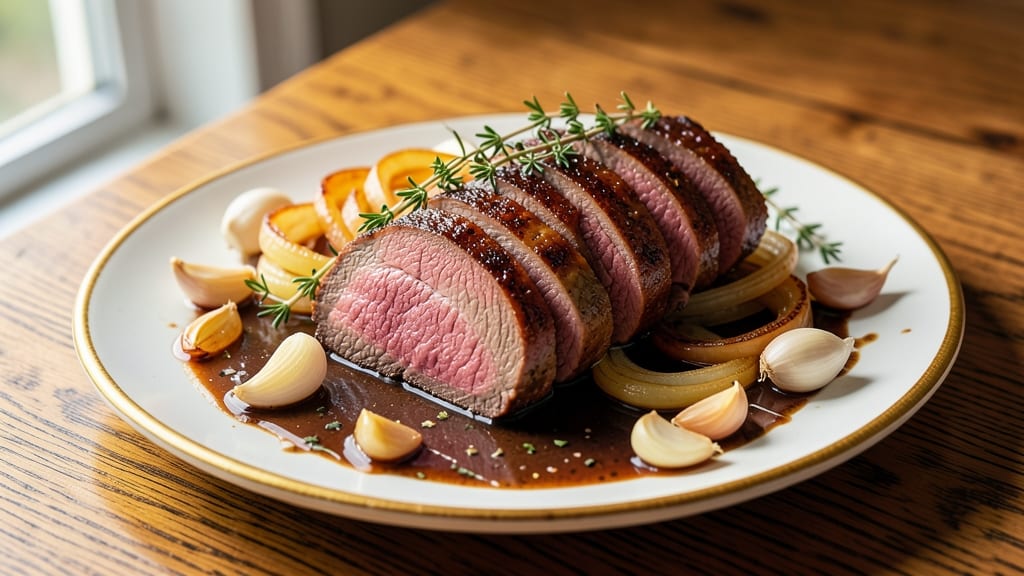
This baked beef chuck roast recipe transforms tough cuts into melt-in-your-mouth perfection with a low-and-slow approach that builds deep, rich flavors. The secret lies in slow-braising at 275°F, where collagen dissolves into the meat over hours, creating that signature buttery tenderness.
I’ve perfected this method after countless experiments—no more dry, chewy roasts here.
The beauty of this technique is its simplicity: just a few pantry staples (olive oil, garlic, thyme, and beef broth) elevate the beef without overwhelming its natural richness. The key is patience—letting the roast cook undisturbed for 4 to 5 hours until it’s fork-tender and falling apart.
This isn’t just dinner; it’s an event, worthy of holiday tables or cozy weeknight gatherings.
By the time it’s done, you’ll have a roast so tender it practically shreds at the touch, with a surface crust that’s crisp enough to stand up to bold sides like mashed potatoes or caramelized onions.
The aroma alone will have everyone gathering around the table, and the first bite? That’s the moment they’ll know it was worth the wait.
Serve with classic accompaniments like roasted root vegetables or a simple green salad to balance the richness. The leftovers? Even better the next day, making this a meal worth doubling. Let’s get started on creating that showstopping centerpiece.
Ingredients for baked beef chuck roast
Six ingredients transform tough beef into melt-in-your-mouth perfection through slow braising mastery.
| Ingredient | Amount | Notes |
|---|---|---|
| Beef Chuck Roast 🥩 | 4 lb | Well-marbled, bone-in preferred |
| Extra-Virgin Olive Oil 🫒 | 2 tbsp | For searing and basting |
| Yellow Onion 🧅 | 1 whole | Sliced into 1/2-inch wedges |
| Garlic Cloves 🧄 | 6 cloves | Smashed, not minced |
| Fresh Thyme Sprigs 🌿 | 4 whole | Stems intact for easy removal |
| Low-Sodium Beef Broth 💧 | 2 cups | Homemade or high-quality store-bought |
| Red Wine 🍷 | 1 cup | Bold, dry variety like Cabernet |
| Tomato Paste 🍅 | 2 tbsp | Smooth, not chunky |
| Diamond Crystal Kosher Salt 🧂 | 1 ½ tsp | Adjust to taste |
| Freshly Ground Black Pepper 🌶️ | 1 tsp | Coarse grind preferred |
| Fresh Rosemary 🌿 | 2 sprigs | Woody stems intact |
| Carrots 🥕 | 4 whole | Whole, peeled, for braising |
| Celery Stalks 🥬 | 3 whole | Cut into 2-inch pieces |
The beef is non-negotiable here—chuck roast with visible marbling is essential for that signature tenderness. Look for cuts weighing 4 pounds or more at Whole Foods or your local butcher shop; they’ll often have it pre-trimmed for convenience. Fresh thyme and rosemary should smell vibrant, not musty—Penzeys Spices sells high-quality bundles if you’re stocking up. For the red wine, any bold, dry variety like Cabernet Sauvignon or Merlot works perfectly (the good stuff, not cooking wine). The beef broth should be low-sodium to avoid over-salting the dish, and Kitchen Basics or Homemade are my top recommendations for depth of flavor.
No red wine? Substitute with additional beef broth and a splash of balsamic vinegar—it mimics the acidity beautifully. Fresh herbs unavailable? Dried thyme and rosemary at one-third the amount will work in a pinch, though texture differs slightly. The tomato paste can be swapped for sun-dried tomato paste if you prefer a more concentrated flavor, but stick to 2 tablespoons for balance. For the aromatics, don’t skip the celery and carrots—they form a flavorful base called mirepoix that’s crucial for depth. If you’re short on time, pre-cut vegetable mixes from Trader Joe’s save steps without sacrificing quality.
This roast develops best when cooked undisturbed, so plan ahead—4 to 5 hours at 275°F is ideal. Leftovers reheat beautifully; store in an airtight container for up to 5 days in the fridge or 3 months frozen. For make-ahead convenience, I often prep the roast the night before, letting it sit at room temperature for 30 minutes before baking. The aromatics can be prepped in advance and refrigerated until needed, though fresh rosemary and thyme lose potency after 2 days—so add them just before baking for maximum impact.
Why You'll Love This Recipe
- Deep Flavor Magic: That crusty, caramelized edge on the outside? Pure reward. The thyme and garlic seep into the beef until every bite has this warm, herby richness that makes you slow down mid-chew. (Yes, even on a Tuesday night.)
- Leftovers That Shine: This roast tastes better the next day—seriously. I make a double batch on Sundays, slice it for sandwiches, and freeze portions for lazy nights. The beef stays tender, and the flavors only deepen.
- Budget Win: A chuck roast stretches farther than you’d think, especially when you’re feeding a crowd or meal prepping. Between us, it’s my go-to for potlucks because it’s reliable, filling, and costs half of what fancy cuts do.
Step-by-step instructions for slow-braised beef chuck roast
This method transforms tough chuck roast into melt-in-your-mouth perfection through precise timing and technique.
Sear the Roast for Deep Flavor
Preheat your oven to 300°F. Heat a Dutch oven over medium-high heat until smoking hot. Add the 2 tbsp extra-virgin olive oil and swirl to coat the bottom. Place the 4 lb beef chuck roast fat-side down in the pan and let it sear undisturbed for 8-10 minutes until a deep mahogany crust forms.
Real talk: This sear isn't just for looks—it develops the Maillard reaction that creates complex flavors. Flip the roast and sear the other side for another 5-6 minutes. Remove the roast and set it aside on a plate. You'll see the fat begin to render and bubble—this is your signal it's ready for the next step. The goal is a crust that's nearly black in spots but still holds together when pressed.
Build the Aromatic Base
In the same Dutch oven (don't wipe out those flavorful browned bits), add the 1 whole yellow onion sliced into ½-inch wedges, 3 whole celery stalks cut into 2-inch pieces, and 4 whole carrots (peeled). Cook for 5 minutes until the vegetables begin to soften and take on color.
Add the 6 smashed garlic cloves, 2 sprigs fresh rosemary, and 4 whole fresh thyme sprigs (leave stems intact for easy removal later). Stir everything together and cook for another 2 minutes until the garlic becomes fragrant and the thyme leaves darken slightly. This aromatic base forms the flavor foundation for your braise.
Deglaze and Develop the Sauce
Pour in the 1 cup red wine and scrape up all the browned bits from the bottom of the pan with a wooden spoon. This deglazing step captures all that concentrated flavor that would otherwise burn. Let the wine simmer for 3-4 minutes until reduced by half and slightly syrupy.
Add the 2 tbsp tomato paste and stir to combine. Cook for 1 minute until the tomato paste loses its raw flavor. Pour in the 2 cups low-sodium beef broth, then sprinkle in the 1.5 tsp Diamond Crystal kosher salt and 1 tsp freshly ground black pepper. Bring to a gentle simmer, stirring occasionally to distribute the seasoning evenly throughout the liquid.
Braise Until Fork-Tender
Return the seared beef chuck roast to the Dutch oven, placing it in the liquid. The roast should be mostly submerged but not completely covered. Bring the liquid to a gentle simmer, then reduce heat to low and cover tightly with a lid. Here's the thing—braising requires patience. Transfer the Dutch oven to your preheated 300°F oven and cook for 3-3½ hours.
Check the roast after 2 hours—it should be tender but still have some resistance. The vegetables should be soft enough to pierce with a fork. If the liquid reduces too much before the meat is tender, add ½ cup hot water to maintain moisture. The key is maintaining a gentle simmer throughout the cooking process. When a knife slides in easily and the meat pulls apart with minimal resistance, it's ready.
Rest and Serve with Confidence
Remove the roast from the Dutch oven and transfer it to a cutting board. Tent loosely with foil and let it rest for at least 20 minutes—this resting period allows the juices to redistribute throughout the meat. During this time, remove and discard the vegetable pieces and herb stems. Skim any excess fat from the surface of the braising liquid if desired.
Slice the beef chuck roast against the grain into ¼-inch thick slices. Each slice should be fork-tender with a beautiful pink center. Serve the beef with the reduced braising sauce ladled over the top and alongside the tender vegetables. The result should be melt-in-your-mouth texture with deep, complex flavors from the slow braising process.
Pro Tips For Making Baked Beef Chuck Roast
- SEAR FIRST, THEN BAKE: The chuck roast needs that golden crust to hold up during long baking. Heat your oven to 425°F (220°C), sear the roast in olive oil for 5-6 minutes per side until deeply browned, then reduce heat to 300°F (150°C) and proceed—this dual-temperature approach locks in flavor and moisture.
- SLICE ONIONS THINLY: Thinly sliced onions (about 1/8-inch thick) caramelize faster and infuse the roast with sweetness without turning to mush. Skip the thick rounds—your roast will taste the difference, and you’ll avoid soggy aromatics later.
- DON’T PUNCTURE THE THYME: Leave the thyme sprigs whole and tuck them into the roast’s crevices instead of chopping them. They’ll release their aroma gradually during baking, and you’ll avoid a bitter, overpowering herb taste that comes from over-handling.
- REST THE ROAST 15 MINUTES: Skipping this step is how you end up with a dry, stringy slice. After pulling the roast from the oven, tent it loosely with foil and let it rest—juices redistribute, and the meat stays tender. (Yes, even if you’re impatient like me.)
Best sauces and condiments for this recipe
Classic Red Wine Reduction
This is my go-to sauce for the roast—simply reduce the braising liquid by 20% on the stovetop after removing the beef. Strain out any herbs and vegetables, then simmer uncovered over medium heat for 10-12 minutes until syrupy.
The deep, caramelized notes from the red wine complement the beef perfectly. For extra richness, whisk in 1 tbsp cold butter at the end. 🍷
Creamy Horseradish Sauce
A tangy twist that cuts through the richness. Mix ½ cup sour cream with 1 tbsp prepared horseradish, 1 tsp Dijon mustard, and a pinch of salt.
Thin with 1 tbsp beef broth if needed. This sauce adds a peppery kick that balances the beef's tenderness beautifully. Serve warm or at room temperature. 🌶️
Mushroom Gravy
Sauté 1 cup sliced mushrooms in the roast's drippings until golden, then deglaze with ½ cup beef broth. Stir in 1 tbsp flour to thicken, then add ½ cup whole milk for creaminess.
Season with salt and pepper to taste. This earthy gravy soaks up perfectly with mashed potatoes. ⚡
Sweet and Smoky BBQ Glaze
Blend ½ cup BBQ sauce (like Sweet Baby Ray's) with 1 tbsp honey and 1 tsp smoked paprika. Simmer for 5 minutes until slightly thickened. Brush over sliced beef or drizzle on top before serving. The sweetness contrasts the beef's savory depth wonderfully. 🔥
Garlic-Herb Butter
Mix ½ cup softened butter with 2 minced garlic cloves, 1 tsp chopped fresh thyme, and ½ tsp lemon zest. Dot over sliced beef or serve on the side for dipping.
The herbal notes echo the roast's seasoning while adding a luxurious finish. Perfect for special occasions! 💫
Spiced Apple Chutney
Simmer 1 cup diced apples, ¼ cup apple cider vinegar, 2 tbsp brown sugar, and ½ tsp cinnamon for 10 minutes until thickened. This sweet-tart chutney adds a bright contrast to the rich beef. Store in an airtight container for up to 1 week. 🍏
Nutrition facts
Frequently asked questions
Why does this recipe use a Dutch oven instead of a regular baking dish?
A Dutch oven's heavy walls and tight-fitting lid create the perfect environment for braising—it traps steam while allowing gentle heat circulation. This ensures even cooking and prevents the liquid from evaporating too quickly. The deep sides also prevent spills when adding ingredients. For best results, use a 5-6 quart Dutch oven to give the roast plenty of room to move.
How do I know when the beef is fully tender?
The roast is done when it reaches an internal temperature of 203°F (or when a fork slides in easily and the meat pulls apart with minimal resistance). For extra accuracy, use a meat thermometer inserted into the thickest part. The meat should have a beautiful pink center but no pink ring around the edges. If it's still tough after 3½ hours, extend the cooking time by 30 minutes at 300°F.
Can I make this recipe in a slow cooker instead of an oven?
Sear the roast first, then transfer it to a slow cooker with all the braising ingredients. Cook on low for 8-10 hours or high for 5-6 hours until fork-tender. The texture will be slightly more tender than oven-braised, but equally delicious. Just add ½ cup water if the liquid reduces too much during cooking.
What's the best way to reheat leftovers?
Slice leftovers and reheat in a skillet over medium-low heat with a splash of beef broth to keep them moist. For oven reheating, cover with foil and bake at 300°F for 20-30 minutes until warmed through. Avoid microwaving—it can make the meat dry. Leftovers taste even better the next day as the flavors deepen!
What if I don't have red wine? What can I substitute?
Use 1 cup beef broth + 1 tbsp balsamic vinegar for similar acidity, or 1 cup apple cider + 1 tsp Worcestershire sauce. Avoid cooking wine—it's too salty and lacks depth. The key is balancing acidity and richness, so any substitute should mimic the wine's contribution to the braising liquid.