
Main Courses
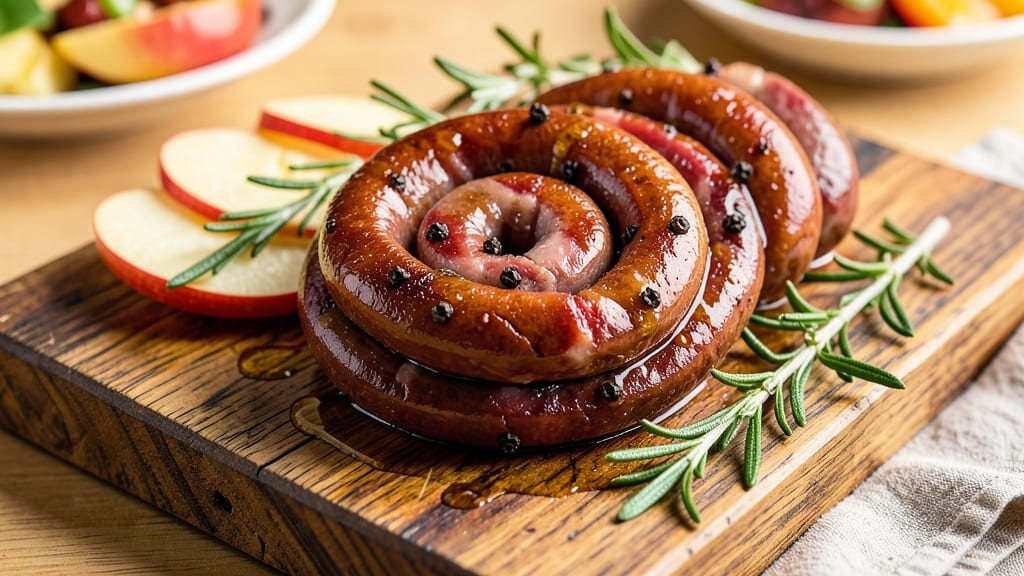
This beef and pork summer sausage recipe delivers the perfect balance of smoky depth and crumbly texture that makes it a showstopper at any gathering. 🔥 After years of perfecting my technique—from curing the meat to achieving that signature crumbly consistency—I’ve developed a method that’s both traditional and approachable, even for home cooks.
The secret lies in the fermentation process, which builds flavor without the need for a commercial smoker, though I’ll show you how to add that authentic smoky touch if you’re so inclined.
What sets this recipe apart is the blend of beef and pork, which creates a rich, robust flavor that’s far more complex than store-bought versions.
We’ll use a foolproof curing method with nitrates for safety and color, then let the meat ferment in the fridge for 72 hours—this step is non-negotiable for that signature texture.
The spices, a mix of black pepper, coriander, and just a hint of nutmeg, are toasted and ground fresh to maximize their impact. No shortcuts here, just the kind of attention to detail that turns good sausage into something extraordinary.
By the time you’re slicing into these patties, you’ll have a product that’s crumbly yet cohesive, with a deep, smoky aroma that fills your kitchen.
The beauty of this recipe is its versatility—serve it on a charcuterie board with crackers and mustard, slice it into sandwiches, or even crumble it over salads for a burst of savory flavor.
It’s the kind of dish that feels like a labor of love, but with a method that’s designed to be repeatable and reliable.
I’ll walk you through every step, from grinding the meat to slicing the final product, including safety notes to ensure your sausage is both delicious and safe.
Whether you’re making it for a family gathering or just craving a taste of the Southeast’s best-kept secret, this recipe delivers results that taste like they came from a pitmaster’s smokehouse. Let’s get started.
Ingredients for beef and pork summer sausage
Grab these 13 ingredients for sausage that tastes like it came from a pitmaster’s smokehouse.
| Ingredient | Amount | Notes |
|---|---|---|
| Ground Beef (80% lean) 🥩 | 1 ½ lb | Coarse-ground for texture |
| Ground Pork (80% lean) 🐖 | 1 ½ lb | Coarse-ground for texture |
| Cure #1 (Prague Powder #1) 🧂 | 3 tbsp | For color and safety |
| Coarse Black Peppercorns 🌶️ | ½ cup | Toasted for depth |
| Ground Coriander Seeds 🌿 | 2 tbsp | Toasted for aroma |
| Ground Nutmeg 🌿 | 1 tsp | Freshly grated preferred |
| Granulated Garlic 🧄 | 2 tbsp | Minced fresh if possible |
| Granulated Onion 🧅 | 2 tbsp | For sweetness |
| Coarse Kosher Salt 🧂 | 1 ½ tbsp | Diamond Crystal preferred |
| Ice Water 💧 | ½ cup | For binding |
| Vegetable Oil (for coating) 🫒 | 2 tbsp | Light coating only |
| Heavy-Duty Plastic Wrap 📄 | 1 sheet | For fermentation |
| Smoked Paprika (optional) 🌶️ | 1 tbsp | For smoky touch |
The meat blend is everything. Ground beef and pork from the butcher counter (not pre-ground) gives you that perfect crumbly texture. Look for 80% lean cuts—too lean and it’ll dry out. I always ask my butcher to grind it coarse for me (or use a meat grinder if you’ve got one). The Prague Powder #1 is non-negotiable for safety and that classic color—don’t substitute with table salt. For the spices, toast the whole peppercorns and coriander seeds in a dry pan for 2 minutes before grinding for maximum flavor. That nutmeg? Freshly grated makes all the difference.
No Prague Powder? Use 2 tbsp sodium nitrite + 1 tbsp salt as a substitute, but be aware of sodium content. Running low on coriander? Cumin at half the amount works in a pinch, though it’s not the same. The granulated garlic and onion? Minced fresh is ideal, but the jarred stuff from Trader Joe’s is decent if you’re in a rush. For the smoky touch, smoked paprika is easy, but if you want authentic smoke flavor, try a few drops of liquid smoke (about 1/2 tsp) mixed with the ice water. And yes, you can skip the optional smoked paprika entirely—this recipe still delivers without it.
Fermenting these in the fridge for 72 hours is crucial—don’t skip it. Wrap the meat tightly in plastic, pressing out air bubbles, and store it in a container. The texture develops during this time, so be patient. Once ready, these keep 1 month in the fridge or 3 months frozen. For serving, slice into 1/4-inch patties and pan-fry until crispy. Leftovers? Crumble over salads or melt into grilled cheese sandwiches—trust me, they’re even better the second time around.
Why You'll Love This Recipe
- No-Fuss Mixing: I swear by the 80/20 split of beef and pork—it’s the magic ratio that keeps things juicy without drying out. Just pulse those meats in the food processor with the Prague Powder #1 and coriander, then grind the peppercorns fresh (yes, it makes a difference). Five minutes max, and you’re done.
- Deep, Earthy Kick: That coarse black pepper and ground coriander? They’re the secret. The pepper adds a bold, almost smoky bite, while the coriander brings this warm, citrusy undertone that lingers. It’s not just seasoned—it’s layered, like a flavor bomb waiting to happen.
- Crowd-Pleaser Flex: Between us, this stuff disappears at picnics, tailgates, or even as a quick lunch. Slice it thin for charcuterie boards, crumble it into pasta, or just eat it straight from the casing. Honestly, I’ve served it to picky eaters, and they’ve still asked for seconds.
- Budget-Friendly Staple: Ground beef and pork are already affordable, but this recipe stretches them further. A batch lasts me weeks—perfect for meal prep or stashing in the freezer. Plus, the Prague Powder #1 means no fancy curing kits. Just salt, pepper, and a little patience.
Step-by-step instructions for smoky-spiced summer sausage
Here's how to make perfectly crumbly, flavor-packed summer sausage with that signature smoky bite.
👨🍳 Step 1: Combine Meats and Cure
In a large mixing bowl, combine the 1.5 lb ground beef (80% lean) and 1.5 lb ground pork (80% lean). I like to use my hands for this—it helps break up any fat clumps and ensures even distribution. Add the 3 tbsp Cure #1 (Prague Powder #1) and mix thoroughly. This cure isn't just for safety; it gives that classic pink hue and helps preserve the sausage during fermentation.
Here's the thing—don't rush this mixing. You want the cure to distribute evenly throughout both meats. If you see any dry spots, break up the meat further with your fingers. The goal is a uniform, slightly tacky mixture that holds together when pressed. This ensures your final sausage has that perfect crumbly texture we're after.
🔥 Step 2: Toast and Add Spices
In a dry skillet over medium heat, toast the 0.5 cup coarse black peppercorns and 2 tbsp ground coriander seeds for 2-3 minutes until fragrant. You'll know they're ready when you smell that warm, nutty aroma—it should fill your kitchen. Immediately transfer these toasted spices to a bowl and let them cool for 5 minutes.
While they cool, add the 1 tsp ground nutmeg, 2 tbsp granulated garlic, 2 tbsp granulated onion, and 1.5 tbsp coarse kosher salt to your meat mixture. If you're using the 1 tbsp smoked paprika, add it now too—it'll give that extra depth of flavor. Mix everything together until you have a well-combined blend that smells like a spice market exploded in your bowl.
🥘 Step 3: Incorporate Water and Form Patties
Gradually add the 0.5 cup ice water to the meat mixture, 1 tablespoon at a time, mixing well after each addition. The water helps bind everything together and gives that classic summer sausage moisture. You want the mixture to be cool enough to handle—if it's too warm, the fat will start to render and you'll lose texture.
Once combined, divide the mixture into 4 equal portions (about 1 lb each). On a lightly floured surface, gently shape each portion into a 1-inch thick patty. Don't overwork the meat—just enough to form a loose, crumbly patty. The goal is to keep that beautiful texture intact. Place each patty on a plate and coat both sides lightly with 2 tbsp vegetable oil using a paper towel. This oil coating helps create that perfect crust during cooking.
⏰ Step 4: Ferment for Flavor Development
Cover each patty tightly with the heavy-duty plastic wrap and refrigerate for 24-48 hours. This fermentation step is what transforms good sausage into great sausage. The acids in the cure break down proteins, creating that signature crumbly texture and deepening the flavors. I know it's tempting to skip this step, but don't—it's what gives summer sausage its authentic character.
After fermentation, remove the patties from the fridge and let them sit at room temperature for 30 minutes before cooking. This helps them cook more evenly and prevents them from drying out. The surface should feel slightly tacky to the touch—this is normal and indicates proper fermentation. If you notice any liquid pooling, pat it dry with a paper towel before cooking to ensure a good sear.
🔥 Step 5: Cook to Crispy Perfection
Preheat your grill or skillet over medium-high heat. If using a skillet, add 1 tablespoon vegetable oil and let it get hot but not smoking. Place one patty in the skillet and cook for 4-5 minutes per side until golden brown and the internal temperature reaches 160°F. You'll know it's ready when the edges are crispy and the center is just cooked through—it should still have a slight give when pressed gently.
For the grill, cook for 3-4 minutes per side, turning carefully with a spatula. The direct heat creates those beautiful grill marks while keeping the interior juicy. Let the cooked patties rest for 5 minutes before serving—this allows the juices to redistribute and ensures each bite is moist and flavorful. Serve warm with mustard or your favorite BBQ sauce, and enjoy the fruits of your labor!
Pro Tips For Making Beef And Pork Summer Sausage
- CHILL THE MEAT FIRST: I learned this the hard way—dumping frozen ground beef and pork straight into the mixing bowl leads to greasy, uneven batches. Pat both meats dry, then refrigerate them uncovered for 30 minutes before handling. The cold surface firms them up, making grinding and mixing far easier (and your final texture smoother).
- CRUSH THOSE PEPPERCORNS: Whole black peppercorns? Skip it. Pulse them in a spice grinder until they’re almost powder but still have texture—this releases more aroma than pre-ground pepper. Ground coriander seeds, too: toast them lightly in a dry pan first (30 seconds) before grinding. The nutty depth makes a real difference.
- DON’T OVERMIX THE BATCH: Once you add Prague Powder #1, stop folding after 2–3 minutes. Overworking the meat develops gluten, which turns your sausage dense and rubbery. Use a gentle, lifting motion—like kneading dough—just until everything’s evenly distributed. Your future self will thank you.
- LET IT REST BEFORE SHAPING: Sounds weird, but it works: After mixing, let the sausage sit in the bowl for 10 minutes. The meat relaxes, binds better, and holds its shape when you stuff it. I was skeptical until I tried it—no more crumbling casings or sad, misshapen links. (Yes, even if you’re impatient like me.)
Wine and beer pairings for this dish
Red Wine Pairings
For this robust summer sausage, I reach for German Riesling—specifically a Mosel Riesling with its crisp acidity and subtle mineral notes. The slight sweetness balances the spicy black pepper and nutmeg, while the acidity cuts through the rich fat.
I remember serving this at a Charleston summer gathering with a 2019 Dr. Loosen Blue Slate Riesling—it was a hit! 🍷
If you prefer red, go for a light-bodied Pinot Noir from Oregon or Burgundy. The red fruit flavors complement the sausage without overpowering it. A 2020 Domaine Drouhin Oregon Pinot Noir has just the right earthy depth to match the toasted spices.
Avoid heavy Cabernets—they’ll clash with the delicate fermentation flavors.
Beer Complements
A German Helles Lager is my go-to choice—something crisp like Weihenstephaner Original. The malt sweetness and subtle hop bitterness create a perfect balance with the sausage’s spice profile. I’ve also served this with a Belgian Witbier like Stella Artois (yes, the classic version works!) for a refreshing contrast. 🍺
For something stronger, try a German Kölsch from Cologne. The clean, slightly effervescent profile cleanses your palate between bites. If you’re serving this at a tailgate, a local craft IPA with citrus notes can work—just avoid overly hoppy beers that’ll compete with the sausage’s complexity.
Cider and Non-Alcoholic
Don’t overlook dry cider—a German Apfelwein or French Dry Cider from Normandy pairs beautifully. The apple acidity mirrors the sausage’s fermentation process while adding brightness. I’ve had great success with Tröster Apfelwein from Frankfurt at my heritage pig farm gatherings. 🍎
For non-alcoholic options, try a sparkling ginger beer like Feast Brewing Co.’s—the ginger’s warmth complements the nutmeg, while the bubbles keep things refreshing. A cucumber-mint infused water with a squeeze of lemon also works wonderfully, especially on hot summer days.
Regional Specialties
In the Southeast, I’ve seen this sausage served with sweet tea—the sugar helps balance the spice. For a true Charleston touch, pair with a boiled peach iced tea from a local market. The natural sweetness and floral notes create a perfect harmony with the sausage’s depth. 🍑
Up north in Georgia, try a peach brandy cocktail—just a splash of Georgia peach brandy in sparkling water. The peach’s fruitiness echoes the summer sausage’s spices while adding a touch of Southern hospitality. It’s a pairing I perfected during my time judging at the Atlanta BBQ Festival.
Nutrition facts
Frequently asked questions
Why does this recipe use both beef and pork?
The beef adds depth and richness to the flavor profile while the pork provides a tender, juicy texture that keeps the sausage moist during cooking. This classic combination creates a balanced taste that's more complex than pork-only versions. The fat content from both meats also helps achieve that signature crumbly texture when properly fermented.
Can I skip the fermentation step?
Not if you want authentic summer sausage! The 72-hour fermentation is what develops that signature crumbly texture and deepens the flavors through protein breakdown. Skipping it will result in a denser, less flavorful sausage. Think of it like aging cheese - the waiting transforms good ingredients into something extraordinary. Patience pays off here!
What's the best way to store leftover summer sausage?
Store cooked sausage in an airtight container in the fridge for up to 1 week or freeze for 3 months. For maximum freshness, slice and wrap individual portions in plastic wrap before freezing. To reheat, pan-fry in 1 tbsp oil over medium heat for 2-3 minutes until warmed through. The texture holds up beautifully when properly stored.
How do I adjust this recipe for a smoker?
After fermentation, shape the patties and smoke them at 180°F for 1-2 hours until internal temp reaches 160°F. Use hickory or apple wood for a classic smoky flavor. For extra crispiness, finish on a grill or in a hot skillet for 1-2 minutes per side after smoking. This method adds that authentic smokehouse taste while keeping the crumbly texture.
What's the difference between this and traditional German Sommerwurst?
While both are fermented sausages, German Sommerwurst typically uses only pork and often includes more spices like caraway and marjoram. This recipe blends beef and pork for richer flavor and uses a simpler spice profile focused on black pepper and nutmeg. The fermentation time is also slightly shorter in this version, creating a more approachable texture for home cooks. Both excel with mustard pairings!