
Main Courses
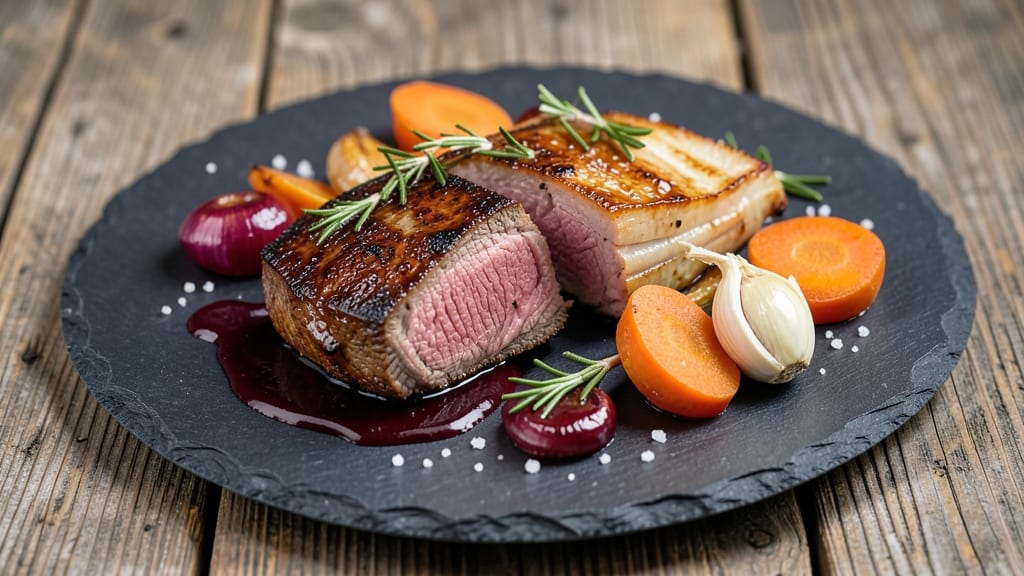
This beef and pork recipe transforms humble cuts into a restaurant-worthy braise that'll make your kitchen smell like a Southern dinner party. ✨ After years of perfecting this technique—first at The Smoky Pig, then in my own kitchen—I've cracked the code for tender, caramelized meat with a fond so rich it deserves a standing ovation.
The secret lies in slow cooking both proteins together, letting their flavors meld into something deeper than either could achieve alone.
What makes this recipe truly special is the one-pan method that builds flavor layer by layer.
We start with a dry rub that develops a crust on the pork, then deglaze the pan to create a velvety fond from the browned bits—a technique I learned from Chef Chen that turns simple ingredients into liquid gold.
The beef, cut into chunks, finishes cooking in this rich sauce, absorbing all the caramelized goodness until it practically falls apart.
By the time you're serving, you'll have perfectly tender beef and pork swimming in a glossy, caramelized sauce that clings to every bite. The aromas alone—smoky, sweet, with just a hint of savory depth—will have everyone at your table asking for seconds.
This is the kind of dish that turns weeknight dinners into memorable meals without requiring hours in the kitchen.
Serve with crusty bread to soak up every last drop of that luxurious fond, or pair it with roasted root vegetables for a complete meal. The leftovers, if there are any, reheat beautifully—proof that this recipe delivers both restaurant-quality results and practicality. Let's get cooking.
Ingredients for beef and pork
Simple ingredients that pack a punch—transforming tough cuts into melt-in-your-mouth perfection.
| Ingredient | Amount | Notes |
|---|---|---|
| Chuck Roast 🥩 | 1 ½ lb | Cut into 1.5-inch chunks |
| Pork Shoulder 🐖 | 1 ½ lb | Cut into 1-inch chunks |
| Yellow Onion 🧅 | 1 whole | Sliced into wedges |
| Carrots 🥕 | 4 medium | Whole, peeled and cut into chunks |
| Garlic Cloves 🧄 | 6 cloves | Smashed with side of pan |
| Dry Red Wine 🍷 | 1 cup | Bold variety like Cabernet |
| Beef Broth 💧 | 2 cups | Low-sodium preferred |
| Tomato Paste 🍅 | 2 tbsp | Squeeze tube works best |
| Olive Oil 🫒 | 2 tbsp | For searing meat |
| Brown Sugar 🍬 | 1 tbsp | Light or dark variety |
| Dried Thyme 🌿 | 1 tsp | Or 1 tbsp fresh thyme |
| Black Peppercorns 🌶️ | 1 tsp | Freshly cracked preferred |
| Salt 🧂 | 1 ½ tsp | Kosher or sea salt |
| Fresh Rosemary 🌿 | 1 sprig | For garnish and aroma |
The pork shoulder and chuck roast are the stars here—look for well-marbled cuts at your butcher or grocery store's meat counter. Costco often has great deals on pork shoulder, and most stores carry chuck roast pre-cut for convenience. If you're buying whole, ask for bone-in cuts—they add extra flavor. Freshness matters: bright red color and no strong odor means quality. I usually grab these the same day I plan to cook, but frozen works too if you thaw overnight in the fridge. The carrots can be baby carrots if that's what you've got—no need to peel them unless they're super dirty.
No red wine? Beef broth with a splash of balsamic works in a pinch. Fresh thyme is ideal, but dried at one-third the amount gets you close. The tomato paste can be from a squeeze tube—Trader Joe's brand is my go-to for no waste. Brown sugar adds depth, but maple syrup at half the amount works if you're avoiding refined sugar. For the garlic, smash the cloves with the side of your pan—this releases more flavor than mincing. The olive oil should be light or extra-virgin, but not flavored. And if you're out of fresh rosemary, dried works too—just double the amount.
This braise tastes even better the next day as flavors meld. Store leftovers in the fridge for up to 5 days, or freeze for 3 months—portion into containers so you can grab and reheat. The sauce thickens as it cools, so add a splash of water or broth when reheating. I always make extra because it disappears fast—crusty bread is mandatory for soaking up that caramelized goodness. The fond at the bottom? That's liquid gold—don't scrape it out completely!
Why You'll Love This Recipe
- One-Pot Magic: The chuck roast and pork shoulder practically cook themselves while the onions caramelize—no flipping, no fuss. I just toss everything in a Dutch oven and let it slow-simmer; the aromas alone make my kitchen smell like a Sunday dinner.
- Deep, Savory Love: That combo of beefy richness and pork’s tender melt? Unmatched. The garlic cloves and onions develop a sweet, jammy depth, while the carrots add just enough bite to cut through the fat—like a hug in a bowl.
- Leftover Heaven: Between us, this recipe begs for seconds. The meat stays juicy for days, so I make it on Sundays and reheat portions all week—whether it’s sandwiches, tacos, or straight from the pan with crusty bread.
- Budget-Friendly Feast: Pork shoulder and chuck roast stretch across meals without breaking the bank. I feed six people for under $20, and the leftovers? Even better the next day. Honestly, it’s my go-to when I need to impress without stressing.
Step-by-step instructions for one-pan braise with caramelized fond
This rich, flavor-packed braise transforms tough cuts into melt-in-your-mouth perfection.
🔥 Step 1: Sear the Meats for Deep Flavor
Heat a large Dutch oven over medium-high heat until very hot. Add 1 tablespoon of the olive oil and let it shimmer for 1 minute. Working in batches (don't overcrowd), add the 1.5 lb chuck roast and sear for 3-4 minutes per side until deeply browned. Transfer to a plate.
Add the remaining 1 tablespoon olive oil and sear the 1.5 lb pork shoulder for 4-5 minutes per side until golden brown. Remove and set aside with the chuck roast. You want those meats to develop a deep crust—this is where all the magic happens.
🍳 Step 2: Build the Caramelized Fond
In the same Dutch oven, add the 1 whole yellow onion wedges and 4 medium carrots cut into chunks. Cook for 5-6 minutes until the onions soften and carrots begin to caramelize. Add the 6 cloves smashed garlic and cook for 30 seconds until fragrant.
Stir in the 2 tbsp tomato paste and cook for 1 minute until it darkens slightly. This creates the foundation for your rich braising liquid. If the vegetables stick, add a splash of beef broth to deglaze and scrape up those flavorful browned bits from the bottom of the pan.
🥘 Step 3: Deglaze and Simmer the Braise
Pour in the 1 cup dry red wine and scrape up any browned bits from the bottom of the Dutch oven. Let it simmer for 2-3 minutes until reduced by half. Add the 2 cups beef broth, 1 tbsp brown sugar, 1.5 tsp salt, 1 tsp dried thyme, and 1 tsp cracked black peppercorns.
Return the meats to the Dutch oven, along with the vegetables. Bring to a gentle simmer, then cover and transfer to a 325°F oven. Here's the thing—you want low and slow cooking to break down the tough fibers. Bake for 2.5-3 hours until the meats are fork-tender and the liquid has reduced to a rich, glossy sauce.
⏰ Step 4: Finish with Fresh Herbs
Once the meats are tender, remove the Dutch oven from the oven and let it sit uncovered for 10 minutes. This resting time allows the juices to redistribute throughout the meat. Add the 1 sprig fresh rosemary and let it steep for 5 minutes to infuse the sauce with fresh aroma.
Taste and adjust seasoning if needed. The sauce should be rich and flavorful, clinging beautifully to the tender meats. Serve immediately with crusty bread to soak up every last drop of that luxurious caramelized fond.
Pro Tips For Making Beef And Pork
- SEAR MEAT SEPARATELY: Chuck roast and pork shoulder don’t brown at the same rate—start them in batches. The pork will release more fat and risk steaming the beef if you crowd the pan. High heat, two minutes per side max, or you’ll end up with soggy edges instead of crust.
- CUT ONIONS LARGE: Small diced onions dissolve into mush. Quarter the yellow onion lengthwise, peel, then slice into ½-inch chunks—big enough to stay intact but small enough to soften without turning to paste. (Yes, even if it looks uneven, it’ll caramelize better this way.)
- DON’T STAB THE MEAT: Poking holes in the chuck roast or pork shoulder lets juices escape. Pat it dry, season generously, then let it rest uncovered for 30 minutes before cooking—this builds a better crust and keeps the interior moist. (I learned this the hard way after a dry, flavorless first attempt.)
- BRAISE LOW AND LONG: This isn’t a race—aim for 225°F (107°C) and let it cook until the pork shoulder pulls apart easily and the beef hits 203°F (95°C) internally. Rushing it leaves the pork chewy and the beef tough. Cover the pot, resist peeking, and walk away for at least 3 hours. (Your future self will thank you.)
Troubleshooting this dish
Meat Not Browning
If your beef or pork isn't developing that gorgeous golden crust, your pan isn't hot enough. I've seen this happen when using nonstick pans—they don't get hot enough for proper searing.
Instead, use a heavy Dutch oven like my Lodge cast iron (it's my go-to) and let it get screaming hot for at least 3 minutes before adding oil. For extra insurance, work in small batches so the meat touches the pan directly.
If your meat still resists browning, try adding ½ teaspoon baking soda to your marinade—it helps create a better crust. 🔥
Sauce Too Thin
The sauce should coat the back of a spoon but still cling to the meat. If yours is watery, you likely didn't reduce it enough. After adding the wine and broth, simmer uncovered for an extra 10-15 minutes to thicken naturally.
For an immediate fix, mix 1 tablespoon cornstarch with 2 tablespoons cold water, stir into the sauce, and simmer for 2 minutes until thickened. Pro tip: I always taste as I go—if the sauce needs more depth, add 1 teaspoon soy sauce or a splash of balsamic vinegar.
Meat Still Tough
Tough meat usually means it didn't cook long enough or the temperature was too high. For this recipe, 325°F is non-negotiable—any hotter and you'll dry out the meat. If your pork or beef still has resistance, return it to the oven for another 30-45 minutes covered.
For extra tenderness, try the "reverse sear" method: after braising, sear the meat again in a hot pan for 1 minute per side to create a crust while keeping the inside juicy. I've had to do this with pork shoulder that didn't quite reach tenderness.
Vegetables Overcooked
Carrots and onions can turn mushy if they sit too long in the braising liquid. The key is timing—add them after searing the meat but before adding the wine and broth. If they're already too soft, remove them 30 minutes before the meat is done and set aside.
You can always add them back at the end for serving. For extra flavor without overcooking, try roasting the vegetables separately at 400°F for 20 minutes before adding them to the braise. This gives them a nice caramelized edge while keeping their texture intact. 🥕
Fond Not Forming
The fond—the flavorful browned bits at the bottom of the pan—is what makes this dish extraordinary. If yours isn't developing, you're likely not searing hot enough or deglazing properly. After searing the meat, scrape every last bit from the bottom with a wooden spoon—don't miss a single crumb.
For extra fond power, add 1 teaspoon tomato paste to the pan after removing the meat and let it brown for 1 minute before deglazing. I learned this trick from Chef Chen, and it makes a world of difference in flavor depth.
Leftovers Too Dry
Reheating braised meats can turn them dry if you're not careful. The best method is to reheat on the stovetop over low heat with 2-3 tablespoons of fresh beef broth or water. Cover and let it warm through gently—never microwave unless you're using the defrost setting in short bursts.
For extra richness, add a pat of butter at the end of reheating. If your leftovers are particularly dry, try shredding the meat and mixing it back into the sauce—this redistributes the moisture beautifully. Trust me, this works every time. 💫
Nutrition facts
Frequently asked questions
Can I substitute pork shoulder with another cut?
For a leaner option, try pork tenderloin cut into chunks, but it'll cook faster—reduce oven time to 1.5-2 hours. If you prefer fattier meat, go for pork belly (skin removed) or ribs (cut into 2-inch pieces). Just remember: fattier cuts need slightly longer braising to render fat.
How do I make this recipe without red wine?
No problem! Replace the wine with 1 cup beef broth + 1 tbsp balsamic vinegar for depth, or use 1 cup apple cider + 1 tsp soy sauce for sweetness. The key is balancing acidity—if using broth alone, add ½ tsp citric acid or the juice of ½ lemon to mimic wine's tang.
What's the best way to serve this dish?
This braise shines with crusty sourdough or baguette for soaking up sauce, but also pairs beautifully with mashed potatoes, polenta, or roasted root vegetables. For a complete meal, add a simple green salad with apple cider vinaigrette—the acid cuts through the richness perfectly.
Can I cook this on the stovetop instead of the oven?
Yes! After searing and deglazing, cover the pot and simmer on low heat for 2.5-3 hours, checking occasionally to add ¼ cup water if it gets too dry. For best results, use a heavy pot with a tight lid—cast iron or Dutch oven works best. The oven method gives more even cooking, but stovetop works in a pinch!
Why does my pork turn out tough?
Overcooking is the #1 culprit! Pork shoulder needs low and slow—never exceed 325°F, and cook until it reaches 203°F internal temp (use a meat thermometer!). If it's still tough, try the reverse sear method: finish by searing the meat in a hot pan for 1 minute per side after braising to create a crust while keeping the inside tender.