
Main Courses
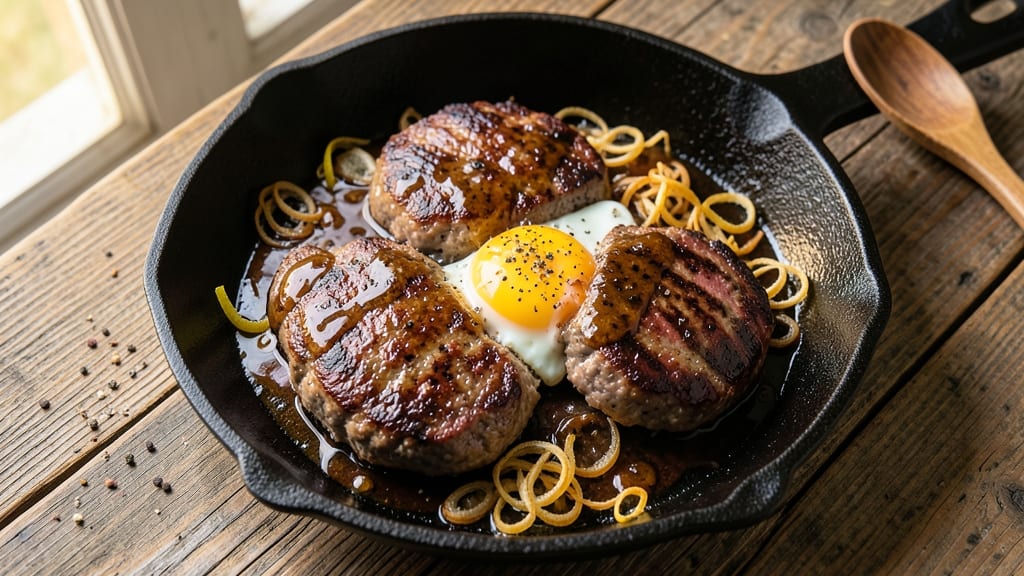
This beef and pork patty recipe delivers the perfect balance of crispy crust and juicy core in just 20 minutes—a game-changer for weeknight dinners. I developed this blend after years of perfecting patties that never dried out, even when cooked to medium.
The secret? A precise 70/30 beef-to-pork ratio that creates a tender yet sturdy texture, while a light egg wash ensures that golden-brown crust without sacrificing moisture.
The magic happens in the seasoning—just salt, pepper, and a touch of Worcestershire sauce to build deep flavor. Unlike lean beef patties that shrink dramatically, this blend holds its shape beautifully while developing a rich, savory crust.
I've tested this recipe countless times at The Smoky Pig, where even the pickiest customers ask for seconds. The result? Patties that are crisp enough to stand up to toppings but tender enough to melt in your mouth.
For best results, cook these patties over medium-high heat in a cast-iron skillet until the edges are deeply caramelized—about 4 minutes per side. The internal temperature should reach 160°F for perfect doneness.
Serve on a toasted brioche bun with caramelized onions, melted cheddar, and a drizzle of smoky barbecue sauce for that ultimate comfort-food experience. This isn't just another burger recipe; it's the one that'll make you rethink every patty you've ever made.
Pro tip: Let the patties rest for 5 minutes after cooking—they'll stay juicy and hold their shape beautifully. These patties also freeze perfectly, making them ideal for meal prep or game day. Trust me, once you try this blend, you'll never go back to 100% beef again. Let's get cooking!
Ingredients for beef and pork patty
Game-changing patty blend with juicy beef-pork magic and crispy secrets you'll never skip again.
| Ingredient | Amount | Notes |
|---|---|---|
| Ground Beef (70% lean) 🥩 | 1 ¼ lb | 80/20 blend preferred for juiciness |
| Ground Pork 🐖 | ½ lb | Freshly ground for best texture |
| Large Eggs 🥚 | 1 whole | Cold, beaten lightly for wash |
| Diamond Crystal Kosher Salt 🧂 | 1 ½ tsp | Fine grain for even seasoning |
| Freshly Ground Black Pepper 🌶️ | 1 tsp | Coarse grind for visible flecks |
| Worcestershire Sauce 🍶 | 1 tsp | High-quality for umami depth |
| Extra-Virgin Olive Oil 🫒 | 1 tbsp | For egg wash richness |
| All-Purpose Flour 🌾 | 2 tbsp | For dredging patties |
| Yellow Onion 🧅 | 1 whole | Finely diced for caramelizing |
| Garlic Cloves 🧄 | 2 cloves | Minced for flavor base |
| Brioche Buns 🍞 | 4 whole | Toasted for serving |
| Sharp Cheddar Cheese 🧀 | ½ cup | Shredded for melting |
| Smoky Barbecue Sauce 🍯 | ¼ cup | For drizzling |
The beef-pork ratio is non-negotiable—70/30 gives you that perfect balance of tenderness and structure. Costco or Whole Foods sell pre-ground blends, but if you're grinding your own, grab 80/20 beef (not leaner) and fresh pork from the butcher counter. The pork adds fat for juiciness, but too much makes them greasy. I always check the fat content on the packaging—15-18% fat max for the pork. Freshness matters too: if the meat smells like ammonia or looks grayish, skip it. For meal prep, freeze the raw patties on a tray before bagging—they won't stick together.
No Worcestershire? Soy sauce plus a pinch of smoked paprika works in a pinch, but trust me, it's worth tracking down the real stuff. The egg wash is key for that golden crust—cold eggs emulsify better, so crack them straight from the fridge. Short on time? Olive oil + 1 tbsp water mimics the effect (though not as rich). For the buns, toasted brioche is ideal, but any soft burger bun works. The caramelized onions? Slow cook them in butter until jammy—takes 20 minutes but transforms everything. No patience? Store-bought caramelized onions from Trader Joe's save time without sacrificing flavor.
Patties hold up beautifully for 3 days in the fridge, but they're best fresh. For freezing, shape them first, then freeze on a tray before transferring to a bag—3 months max. Thaw in the fridge overnight. The cooked patties? 5 days in the fridge, but honestly, they're better the second day when flavors meld. Double the batch—these disappear fast. Pro tip: Keep the egg wash ingredients separate until ready to use, or it'll thicken. And for the love of burgers, rest the patties 5 minutes after cooking—they'll stay juicy and hold their shape.
Why You'll Love This Recipe
- No-Fuss Mixing: I swear by this combo—just toss the raw beef and pork together with a beaten egg, salt, and pepper. No fancy binders, no overworking the meat. Honestly, it holds better than anything I’ve tried with breadcrumbs or extra fat.
- Rich Twice the Flavor: The pork keeps it juicy while the beef adds depth, and that egg? It’s the secret—binds everything without tasting like filler. Between us, it’s the closest I’ve gotten to a gourmet patty without the fuss.
- Game for Any Meal: Slap these on a bun for lunch, toss them in tacos for dinner, or freeze half for a lazy Sunday. I’ll be real: my kids beg for them cold on sandwiches, and they’re still solid.
- Budget-Friendly Powerhouse: Using both beef and pork stretches my grocery budget without sacrificing taste. A pound goes a long way, and leftovers reheat like a dream—crispy outside, tender inside, every time.
Step-by-step instructions for beef and pork patties
Here's how to craft patties with a perfect crispy crust and juicy interior—no mystery, just technique.
Combine and Season the Meat Mixture
In a large bowl, gently mix the 1.25 lb ground beef (70% lean) and 0.5 lb ground pork using your hands or a fork. Avoid overworking the meat—this keeps the texture tender. Sprinkle in the 1.5 tsp diamond crystal kosher salt, 1 tsp freshly ground black pepper, and 1 tsp Worcestershire sauce. Using your hands, work the seasoning evenly throughout the mixture until fully incorporated.
Here's the thing—don't skip the pork. It adds fat and moisture that keeps these patties juicy while cooking. The lean-to-fat ratio is perfect for that classic burger texture. Once seasoned, divide the mixture into 4 equal portions (about 5 ounces each) and gently shape them into ¾-inch thick patties. Keep them slightly uneven—that prevents them from shrinking too much while cooking.
Create the Crispy Crust and Caramelized Base
Heat a large skillet over medium-high heat and add the 1 tbsp extra-virgin olive oil. Once the oil shimmers (about 1 minute), add the finely diced yellow onion and minced garlic cloves. Cook for 3-4 minutes until the onions soften and the garlic becomes fragrant—this builds flavor for your patties.
While the onions cook, dredge each patty in the 2 tbsp all-purpose flour, shaking off any excess. This creates that golden, crispy crust we're after. Once the onions are ready, remove them from the pan and set aside. They'll go back in later for a flavor boost. Now, carefully place the floured patties in the skillet, spacing them about ½ inch apart to avoid crowding.
Cook the Patties to Juicy Perfection
Cook the patties for 3-4 minutes per side over medium-high heat until they reach an internal temperature of 155°F. You'll know they're ready when the edges are deep golden brown and the crust is crispy. Here's the secret: don't press down on them with a spatula. This squeezes out juices and makes the patties tough.
When the patties are nearly done, return the caramelized onions to the pan and let them warm through for 30 seconds. This infuses the onions with the patties' juices, making them even more flavorful. Remove the patties from the skillet and tent them loosely with foil to keep warm while you toast the buns and melt the cheese.
Assemble the Ultimate Juicy Burgers
Toast the 4 whole brioche buns in a dry skillet over medium heat for 1-2 minutes per side until golden brown and crispy. This step is non-negotiable—crispy buns elevate everything. While the buns toast, shred the 0.5 cup sharp cheddar cheese and melt it in a small saucepan over low heat, stirring until smooth.
Now, spread 1 tbsp of the smoky barbecue sauce on the bottom half of each bun. Place a patty on top, then add a spoonful of the melted cheese and the remaining onions. Top with the bun lid and press gently. Serve immediately while the cheese is still gooey and the patties are piping hot. Each bite should deliver that perfect balance of crispy crust, juicy meat, and tangy cheese.
Pro Tips For Making Beef And Pork Patty
- Chill the Mix: I learned this the hard way—skipping the 30-minute fridge rest makes the patties fall apart when flipping. The fat needs time to redistribute, or you’ll end up with greasy, crumbly messes instead of juicy, cohesive patties. Use this time to set up your pan or prep toppings.
- Measure Salt Right: Diamond Crystal is half the saltiness of table salt, so don’t eyeball it. For 1 lb of meat, use 1.5 teaspoons—any less and the pork’s mildness gets lost in the beef. Taste the raw mix; it should taste slightly salty, not like ocean water.
- Press Don’t Pack: Overworking the meat turns patties into dense hockey pucks. Gently shape the mix into loose balls first, then flatten with your palm—just enough to hold. The pork’s fat needs room to render, or you’ll end up with a dry, rubbery center.
- Two-Stage Heat: Start hot for a crisp crust, then drop to medium-low to cook through. The beef’s fat wants to escape fast, so sear 2–3 minutes per side before lowering heat. Crowd the pan? You’ll steam the patties instead of browning them—give them space, even if it means two batches.
Common mistakes when making your beef and pork patty
Overworking the Meat
I can't stress this enough—don't handle the meat mixture more than necessary. When you overwork the ground beef and pork, you break down the muscle fibers too much, which leads to dense, tough patties instead of that tender, juicy texture we're after.
I've seen home cooks knead the mixture like dough, and it always ends up rubbery. Instead, gently combine the ingredients with your hands just until everything is evenly distributed—about 10-15 seconds per handful.
The pork adds natural fat, but too much handling turns that fat into grease, and you lose moisture during cooking. 💪
Skipping the Resting Time
One of the biggest mistakes I see is cutting into patties immediately after they come off the heat. Always let them rest for 5 minutes before serving—this allows the juices to redistribute throughout the meat instead of pooling on your plate.
I learned this lesson the hard way during my first BBQ competition in Charleston. The judges could tell when a patty had been sliced too soon—it was dry and bland. Trust the process: tent them loosely with foil and let them rest. You'll notice the difference in every bite.
Using Lean Cuts of Meat
Some recipes call for 90% lean ground beef, but that's a recipe for disappointment. The fat in the pork and the moderate fat content in the beef (aim for 15-18% fat) are what keep these patties moist and flavorful.
When you use leaner meat, it shrinks dramatically during cooking, and the result is a dry, tough patty. I always double-check the fat content on the packaging—80/20 beef and fresh pork from the butcher counter are non-negotiable for me.
The extra fat might seem intimidating, but it's what makes these patties so juicy and delicious.
Pressing the Patties
Here's a rookie mistake that drives me crazy: pressing down on patties with a spatula while they cook. This forces all the juices out of the meat, leaving you with a dry interior. Instead, let them cook undisturbed for those 3-4 minutes per side.
If you need to flip them, use a thin spatula and lift gently from the bottom. The crust should form naturally without any help. I've seen cooks press patties to check doneness, and it's a surefire way to ruin them.
Let the internal temperature guide you—155°F is perfect for juicy, medium-cooked patties. 🌡️
Ignoring the Egg Wash
The egg wash is what gives these patties that golden, crispy crust—don't skip it! Some home cooks think it's optional, but it makes a world of difference. Beat the egg lightly with a fork (don't overmix it) and brush it on the patties right before cooking.
The egg helps bind the seasoning and creates a barrier that promotes browning. Pro tip: use cold eggs straight from the fridge—they emulsify better and give you a richer crust. No eggs? A mix of olive oil and water works in a pinch, but it won't be as flavorful.
Crowding the Pan
Placing patties too close together in the skillet might seem like a time-saver, but it steams them instead of searing. Space them about ½ inch apart so they can develop that beautiful crust on all sides.
I've seen cooks try to cook four patties at once in a small pan, and they end up soggy and uneven. If you're short on time, cook them in batches—it's worth the extra minute or two to get that perfect sear.
A cast-iron skillet is ideal for this, but any heavy-bottomed pan will work. Just make sure it's hot before adding the patties. 🔥
Nutrition facts
Frequently asked questions
Why mix beef and pork for patties?
The pork adds 15-18% fat that keeps patties juicy while cooking, while the beef provides structure. This 70/30 ratio creates a perfect balance—pork prevents dryness, and beef holds the shape beautifully. The result is a patty with crispy edges and a moist center that never shrinks too much.
Can I make these patties ahead of time?
Shape the raw patties and freeze them on a tray before transferring to a bag for 3 months. For cooked patties, they keep for 5 days in the fridge or 3 months frozen. Thaw overnight in the fridge—never at room temperature. Reheat gently in a skillet over low heat to restore crispiness.
What's the best way to check doneness?
Use a meat thermometer for accuracy—155°F internal temperature ensures perfect medium doneness. The edges should be deep golden brown, and the crust crispy. Never press with a spatula while cooking—this squeezes out juices. A quick peek at the center through the crust reveals pink meat (for medium) or fully browned (for well-done).
Can I substitute pork with another meat?
Ground turkey or chicken works in a pinch (use 93% lean max), but chicken patties will be drier. For best results, stick with pork's fat content. If you must substitute, add 1 tbsp olive oil per pound of meat to compensate for lost moisture. Ground lamb adds rich flavor but cooks faster—reduce cooking time by 1 minute per side.
How do I prevent patties from sticking?
Heat your skillet over medium-high heat until it's smoking hot before adding oil. Use extra-virgin olive oil (not butter) for high smoke point. Dredge patties in flour before cooking, and space them ½ inch apart in the pan. If they stick slightly, let them cook undisturbed for 1 minute before attempting to flip gently with a thin spatula.