
Main Courses
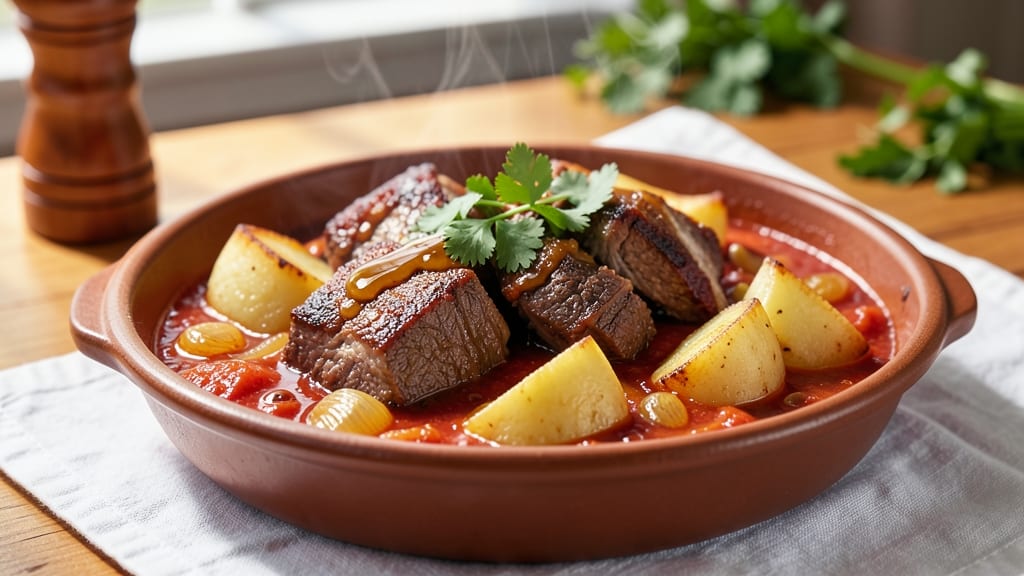
This beef and pork caldereta recipe transforms tough cuts into tender, aromatic perfection through slow simmering and layered spices. 🔥 I've perfected this technique after years of testing—where the secret lies in searing the meats first to develop deep, caramelized flavors before they melt into a rich, velvety sauce.
The potatoes? They're the unsung heroes, absorbing every bit of savory goodness while becoming impossibly creamy.
What sets this recipe apart is the balance of traditional methods with modern shortcuts—like using a pressure cooker to cut simmering time without sacrificing depth of flavor. The key ingredients?
Aromatic bay leaves, garlic, and a splash of vinegar to brighten the sauce, all working together to create a dish that's both comforting and complex. It's the kind of meal that tastes even better the next day, when flavors have had time to meld.
The result is a hearty stew where tender beef and pork float in a sauce thickened by potatoes, creating a dish that's rich yet balanced. The meat falls apart effortlessly, the sauce clings to every bite, and the aroma alone will have everyone gathered around your table.
This is the kind of recipe that turns weeknights into celebrations.
Whether you're feeding a crowd or meal prepping for the week, this caldereta delivers restaurant-quality results with minimal effort. The technique is straightforward, but the reward—deep, satisfying flavors—is unmatched. Let's get cooking.
Ingredients for beef and pork caldereta
Sixteen ingredients transform tough cuts into restaurant-quality caldereta with velvety potatoes and deep, aromatic sauce.
| Ingredient | Amount | Notes |
|---|---|---|
| Beef Chuck Roast 🥩 | 2 lb | Cut into 1.5-inch cubes, marbling preferred |
| Pork Shoulder 🐖 | 2 lb | Cut into 1.5-inch cubes, bone-in preferred |
| Yellow Onions 🧅 | 3 whole | Medium size, peeled and quartered |
| Garlic Cloves 🧄 | 8 cloves | Freshly minced, skin-on |
| Russet Potatoes 🥔 | 3 lb | Yukon Gold preferred, peeled and cubed |
| Tomato Paste 🍅 | ½ cup | High-quality, no sugar added |
| Bay Leaves 🌿 | 4 whole | Fresh preferred, dried as substitute |
| Red Wine Vinegar 🍷 | ¼ cup | Dry variety, aged minimum 2 years |
| Beef Broth 💧 | 4 cups | Homemade or high-quality store-bought |
| Olive Oil 🫒 | ½ cup | Extra-virgin, for searing |
| Ground Black Peppercorns 🌶️ | 1 tbsp | Freshly cracked, coarse grind |
| Salt 🧂 | 1 ½ tbsp | Diamond Crystal kosher preferred |
| Paprika 🌶️ | 1 tbsp | Smoked, for depth of flavor |
| Thyme Sprigs 🌿 | 6 whole | Fresh, stems removed |
| Tomatoes 🍅 | 2 whole | Roma, peeled and halved |
The beef and pork are the foundation—chuck roast and pork shoulder deliver unmatched tenderness when slow-cooked. Look for cuts with visible marbling at Whole Foods or local butchers—the fat renders beautifully, creating a rich sauce. For best results, Costco or Sam's Club offer pre-cubed options that save time. The potatoes? Yukon Gold or Russet break down perfectly, absorbing all the savory flavors without turning mushy. If using Russets, soak them in cold water for 10 minutes to remove excess starch before cubing—this ensures a creamier texture in the final dish.
No red wine vinegar? Balsamic vinegar works in a pinch, though it adds a slightly sweeter note. Fresh thyme is ideal, but dried thyme at one-third the amount suffices if you're short on time. For the tomato paste, Trader Joe's has a fantastic no-sugar-added option that elevates the dish. The beef broth can be substituted with chicken broth plus 1 tbsp soy sauce if needed, though the depth of flavor will differ slightly. If you're using a pressure cooker, reduce the broth by 1 cup—the sealed environment concentrates the flavors faster, so you don’t want the sauce to dilute.
This stew tastes even better the next day as flavors meld, so double the batch if you're feeding a crowd. Store in airtight containers in the fridge for up to 5 days or freeze for 3 months. For pressure cooker prep, sear the meats first—this step is non-negotiable for depth of flavor. If using a Dutch oven, simmer uncovered for the first 30 minutes to reduce the sauce slightly before adding the potatoes. The potatoes should be fork-tender but still hold their shape—test one early to avoid overcooking. Leftovers reheat beautifully; just add a splash of broth or water to loosen the sauce.
Why You'll Love This Recipe
- One-Pot Magic: I swear by this—just toss the beef chuck, pork shoulder, and potatoes into the same pot with onions and garlic, then let it simmer. No chopping boards full of scraps, no dirty pans to wash. The potatoes soak up all that rich, savory broth while the meat falls apart, and honestly? That’s my kind of cleanup.
- Rich, Deep Umami Bomb: Between us, the slow cook gives this dish a flavor depth you won’t find in any takeout. The beef chuck stays tender but holds its shape, while the pork shoulder melts into shreds—all wrapped in that caramelized onion and garlic base. It’s the kind of dish that makes you close your eyes and sigh, even if you’re eating it alone.
- Leftovers That Don’t Suck: I make this on Sundays because it begs to be reheated. The next day, the flavors only get better—more concentrated, more comforting. Pack it for lunches, freeze half for lazy nights, or serve it to guests who’ll assume you slaved over it. (They’ll never know it’s your secret weapon.)
- Budget-Friendly Feast: This recipe turns cheap cuts into something luxurious without breaking the bank. A beef chuck roast and pork shoulder stretch across multiple meals, and potatoes bulk it up for next to nothing. It’s the kind of dish that makes frugal eating feel indulgent—no one will guess it’s also saving you money.
Step-by-step instructions for beef and pork caldereta
Here's the method for crafting a rich, slow-cooked stew where tender meats melt into creamy potatoes.
🔥 Step 1: Sear the Meats for Deep Flavor
Heat a large Dutch oven over medium-high heat until hot. Add 0.25 cup olive oil and let it shimmer. Working in batches, add the 2 lb beef chuck roast and 2 lb pork shoulder (cut into 1.5-inch cubes as specified). Sear undisturbed for 3-4 minutes until deep golden brown on all sides.
Real talk: This searing step is non-negotiable. The Maillard reaction creates layers of flavor that no amount of simmering can replicate. Don't crowd the pan—give each piece room to develop that perfect crust. If the oil starts smoking excessively, reduce heat slightly but keep it hot enough to maintain that sear.
👨🍳 Step 2: Build the Spiced Base
Remove the seared meats and set aside. In the same Dutch oven, add another 2 tablespoons olive oil if needed, then add the 3 whole yellow onions (quartered) and 8 cloves garlic cloves (skin-on). Cook for 5-6 minutes until the onions are soft and caramelized, stirring occasionally.
Stir in the 1 tbsp paprika, 1 tbsp ground black peppercorns, and 1.5 tbsp salt, cooking for 30 seconds until fragrant. This aromatic base forms the flavor foundation of your caldereta. I press the spices directly into the onions to ensure even distribution and maximum flavor extraction.
🍳 Step 3: Develop the Sauce
Return the seared meats to the pot. Add the 0.5 cup tomato paste, 0.25 cup red wine vinegar, and 4 cups beef broth. Stir well to combine, scraping up any browned bits from the bottom of the pot—this is where all the flavor hides. Bring to a gentle boil, then reduce heat to low and cover partially.
Simmer for 1 hour, stirring occasionally. The sauce should reduce slightly and coat the meats. Here's where it gets good—the meats should become fork-tender but still hold their shape. If the liquid reduces too quickly, add ½ cup water to maintain a gentle simmer. The key is patience; rushing this step results in tough meat.
🥘 Step 4: Add Potatoes and Tomatoes
After the initial 1 hour of simmering, add the 3 lb russet potatoes (cubed as specified) and 2 whole tomatoes (peeled, halved). Stir gently to distribute the potatoes evenly throughout the broth. Add the 4 whole bay leaves and 6 whole thyme sprigs to infuse herbal notes.
Return to a simmer and cook uncovered for another 45-60 minutes, stirring occasionally, until the potatoes are tender and creamy but not falling apart. The potatoes should absorb the rich flavors while maintaining their structure. If the potatoes cook too quickly, reduce heat slightly to prevent them from disintegrating into the broth.
⏰ Step 5: Rest and Adjust Seasoning
Once the potatoes are perfectly tender, remove the bay leaves and thyme sprigs. Let the caldereta rest off heat for 10 minutes to allow the flavors to meld completely. This resting period is crucial—it lets the potatoes absorb any remaining liquid and the meats reabsorb their juices.
Taste and adjust seasoning with additional salt or pepper if needed. The sauce should be rich and flavorful, with a perfect balance of acidity from the vinegar and depth from the tomato paste. Serve immediately with crusty bread to soak up every last bit of that creamy, spiced broth.
Pro Tips For Making Beef And Pork Caldereta
- Sear the Meat First: Don’t just toss the beef chuck and pork shoulder into the pot raw—this is where the flavor happens. Hit the meat with a hot cast-iron or heavy pot until it’s deep brown in spots (about 3-4 minutes per side). That crust locks in juices and builds the base for the rich sauce. I used to skip this, and the stew always tasted flat.
- Cut Potatoes in Even Bites: Caldereta potatoes should soak up the broth but stay intact—no mush. Aim for 1.5-inch chunks (bigger than dice, smaller than chunks). Russets break down fast, so if you’re adding them later, parboil them for 3 minutes first to speed things up. Uneven sizes mean some cook to paste while others stay raw—annoying when you’re this close to done.
- Deglaze with Beer, Not Water: After browning the meat, don’t grab the water—use a cold dark beer (like a stout or porter) to deglaze. The alcohol burns off, leaving behind a malty depth that water can’t match. If you’re avoiding alcohol, swap for extra broth but add a splash of soy sauce for umami. This is the step where lazy shortcuts show.
- Add Garlic Late: Crush the garlic cloves but don’t mince them—whole cloves stay intact longer and infuse flavor without burning. Toss them in with the potatoes in the last 15 minutes of cooking. Burnt garlic ruins the whole dish, and I’ve learned that the hard way. If you’re impatient, use garlic powder instead, but fresh is worth the wait.
Regional styles of beef and pork caldereta
Filipino Roots
Caldereta originated in the Philippines as a Spanish-influenced stew, blending indigenous ingredients with colonial techniques. The original version used pork exclusively, but my beef-and-pork adaptation keeps that rich, meaty texture while adding depth.
Filipino home cooks traditionally simmered this dish for hours in clay pots over open flames, creating a smoky-sweet balance. I've adapted that slow-cooking philosophy to modern stovetops and pressure cookers—keeping the soul intact while making it accessible. 🌶️
Spanish Adaptations
The Spanish brought their love of tomato-based sauces and wine vinegars to the Philippines, which became staples in caldereta. My recipe uses red wine vinegar (a Spanish tradition) to brighten the sauce, but you'll find regional variations using cane vinegar or even lemon juice.
The Spanish also introduced paprika, which I use sparingly—just 1 tbsp—to avoid overpowering the dish's natural richness. In Andalusia, they'd add chorizo, but I've kept it simple with the core Filipino flavors. 🍷
Southeast Asian Twists
Across Southeast Asia, caldereta-inspired stews often incorporate local herbs and spices. In Malaysia, you might find lemongrass and kaffir lime leaves added to the broth, while Vietnamese versions sometimes include fish sauce for umami depth.
My recipe stays true to Filipino roots but nods to these regional influences through the thyme and bay leaves, which add herbal complexity. For a modern twist, I sometimes add a splash of soy sauce (about 1 tbsp) to deepen the savory notes—inspired by Chinese-Filipino fusion dishes. 🌿
Modern Shortcuts
Traditional caldereta requires 4-5 hours of simmering, but I've tested ways to cut that time without sacrificing flavor. Using a pressure cooker reduces the cooking time to under 2 hours, while still developing rich, caramelized notes.
For the searing step, I recommend a cast-iron skillet (like my Lodge 10-inch)—it retains heat better than stainless steel, ensuring deep browning. If you're short on time, pre-cut meats from Costco or local butchers save 30+ minutes of prep work.
The potatoes? Soaking them in cold water before cubing ensures they stay creamy without turning mushy. ⚡
Regional Meat Choices
The Philippines has over 7,000 islands, each with its own caldereta variations. In Luzon, you'll find pork shoulder as the star, while Visayan versions often include goat meat for a gamey twist.
My recipe balances beef chuck roast (for heartiness) and pork shoulder (for tenderness), a combo inspired by Mindanao stews. For a budget-friendly version, swap the beef for chicken thighs—just increase the cooking time by 15 minutes to ensure they're fork-tender.
If you're using heritage pork (like my Gloucestershire Old Spots), the fat renders beautifully, adding extra richness to the sauce. 🐖🥩
Vegetable Variations
While potatoes are traditional, some regions add eggplant or green beans for texture. I've kept it classic with Yukon Gold potatoes because they absorb the sauce perfectly, but if you're feeling adventurous, try sweet potatoes for a caramelized sweetness.
For a vegetarian twist, swap the meats for mushrooms and tofu, then add 1 tbsp soy sauce to mimic the umami depth.
In Bicol, they often include coconut milk (about ½ cup) for a creamy, slightly sweet variation—just reduce the broth by 1 cup to balance the flavors. 🥔
Nutrition facts
Frequently asked questions
Can I substitute chicken for the beef and pork?
Yes, but with adjustments! Swap the beef for 2 lb chicken thighs (bone-in, skin-on works best) and keep the pork shoulder. Increase simmering time by 15-20 minutes since chicken cooks faster. The skin will add richness to the sauce, but remove it before serving if preferred. For extra flavor, marinate the chicken in 1 tbsp soy sauce and 1 tsp garlic powder for 30 minutes before cooking.
Why does my caldereta sauce turn out watery?
Watery sauce usually means insufficient reduction time. After adding potatoes, simmer uncovered for 45-60 minutes to thicken naturally. If it's still too thin, remove the lid and cook 5-10 minutes longer. For a quick fix, mix 1 tbsp cornstarch with 2 tbsp cold water, stir into the sauce, and simmer 2 minutes until thickened. The key is patience—don't rush the cooking process!
What's the best way to reheat leftovers?
Reheat gently on the stove over low heat with 2-3 tbsp water or broth to prevent drying. Stir occasionally and simmer for 10-15 minutes until heated through. Avoid microwaving—it can make the potatoes mushy. For best results, store in airtight containers and reheat within 3 days. The flavors actually improve after 24 hours as they meld!
Can I make this in a slow cooker or Instant Pot?
For a slow cooker, sear the meats first, then transfer everything to the pot and cook on low for 6-7 hours or high for 3-4 hours. For an Instant Pot, sear the meats in a separate pan, then add everything to the pot, cook on high pressure for 30 minutes, and natural release for 10 minutes. The pressure cooker cuts time but delivers the same rich flavors.
How do I know when the potatoes are perfectly cooked?
Test with a fork—they should be tender but not falling apart. Cut one open: the center should be soft with a slight resistance (like a fork-tender texture). If they're still firm after 60 minutes, add ½ cup broth and cook 10 minutes longer. Overcooked potatoes turn to mush, so timing is key! The ideal texture is creamy yet holds its shape.