
Sauces & Condiments
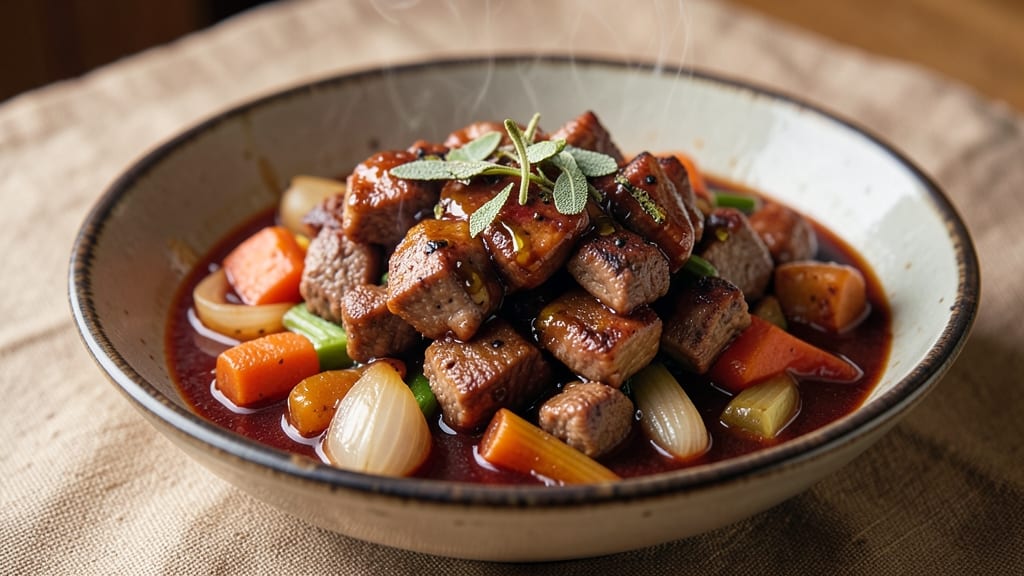
This beef and pork Bolognese sauce recipe delivers restaurant-quality depth with a wine-reduced fond that transforms simple ingredients into something extraordinary. The secret lies in slow-cooked meat and careful reduction—techniques I perfected during my years at The Smoky Pig.
What makes this sauce special is how the meat's natural umami develops over hours of simmering, while the wine adds complexity that store-bought versions can't match.
The foundation begins with properly browning the meat—this step alone creates the rich, caramelized base that carries through the entire sauce. I use a combination of beef chuck and pork shoulder for texture and depth, then deglaze the pan with wine to lift those precious browned bits.
The slow simmer allows flavors to meld while the sauce reduces to an ideal consistency, thick enough to coat pasta but still silky smooth.
What you'll end up with is a sauce that's rich, velvety, and packed with meaty flavor—perfect for tossing with al dente pasta or serving over polenta. The wine reduction adds a subtle acidity that brightens the dish, while herbs and aromatics tie everything together.
This isn't just any Bolognese; it's a sauce that elevates any meal to restaurant-quality status.
The best part? It keeps beautifully for up to 5 days in the refrigerator or can be frozen for months. Whether you're making it for a family dinner or meal prepping for the week, this sauce delivers consistent, professional results every time. Let's get started on creating something truly special.
Ingredients for beef and pork bolognese sauce
Restaurant-quality depth starts with these 14 ingredients—meat, wine, and slow-simmered umami.
| Ingredient | Amount | Notes |
|---|---|---|
| Beef Chuck Roast 🥩 | 1 ½ lb | Trimmed of fat, cut into 0.5-inch pieces |
| Pork Shoulder 🐖 | 1 ½ lb | Cut into 0.5-inch pieces, trimmed |
| Dry Red Wine 🍷 | 1 cup | Bold Cabernet Sauvignon or Merlot preferred |
| Onion 🧅 | 1 whole | Yellow or red, finely chopped |
| Carrot 🥕 | 2 whole | Medium, finely diced |
| Celery Stalks 🥬 | 2 whole | Finely chopped, with leaves |
| Garlic Cloves 🧄 | 6 cloves | Peeled, minced |
| Tomato Paste 🍅 | ½ cup | San Marzano preferred |
| Whole Milk 🥛 | ½ cup | Full-fat for creaminess |
| Fresh Rosemary 🌿 | ¼ cup | Finely chopped |
| Fresh Thyme 🌿 | ¼ cup | Leaves only |
| Extra-Virgin Olive Oil 🫒 | ½ cup | For browning meat |
| Kosher Salt 🧂 | 1 ½ tsp | Diamond Crystal preferred |
| Ground Black Pepper 🌶️ | 1 tsp | Freshly ground |
The meat is non-negotiable here. Beef chuck and pork shoulder from the butcher counter (not pre-cut) give you that signature texture. I always ask for the meat to be trimmed and cut into even 0.5-inch pieces—this ensures even cooking. Costco or your local butcher are your best bets for quality cuts. If you're using frozen meat, thaw it overnight in the fridge—never under running water, or you'll end up with cold meat that won't brown properly. The wine? Bold, dry reds like Cabernet Sauvignon work best—whatever's open in your fridge will do, but avoid sweet varieties.
No beef chuck? Substitute with chuck roast (just cube it yourself) or lean ground beef (though texture will differ). Pork shoulder unavailable? Pork butt is the closest substitute. Running low on wine? Beef broth with a splash of balsamic vinegar mimics the acidity. The San Marzano tomato paste is worth the splurge—regular brands can taste metallic. Fresh herbs are ideal, but dried thyme at one-third the amount works in a pinch. The milk adds richness—half-and-half or heavy cream can substitute if you're avoiding dairy, but the sauce will be heavier.
This sauce gets better with time. Let it cool completely before refrigerating—cover with plastic wrap pressed directly on the surface to prevent a skin. Keeps for 5 days in the fridge, 3 months frozen. For freezing, portion into 1-cup servings in airtight containers. Reheat gently on the stove, stirring occasionally. Never microwave—it ruins the texture. Leftovers? Toss with pasta or spoon over grilled meats. The wine reduction intensifies overnight, so second-day flavor is even deeper.
Why You'll Love This Recipe
- Two-Meat Magic: The beef chuck and pork shoulder combo delivers a depth of flavor that’s hard to beat—tender, rich, and way more satisfying than single-meat sauces. I’ll be real: the first time I tried this, I doubled the batch just to have seconds.
- Wine-Lifted Richness: That splash of dry red wine? It’s not just a fancy touch—it actually cuts through the fat and brightens the whole sauce, leaving you with layers of savory, slightly tangy goodness. Honestly, the aroma alone makes my kitchen feel like a cozy Italian trattoria.
- Meal Prep MVP: This sauce freezes like a dream, so I make a big batch on Sundays and pull it out for quick weeknight dinners or lazy weekend lunches. My kids even ask for it cold over pasta—yes, really.
- Budget-Friendly Feast: You’re getting two affordable cuts of meat that cook down into a hearty, flavor-packed sauce without breaking the bank. Between us, I’ve stretched this into three meals for my family, and no one complains about the leftovers.
Step-by-step instructions for beef and pork bolognese sauce
Here's how to build a rich, layered bolognese with deep umami and perfect texture.
Brown the Meat for Maximum Flavor
Heat the 0.5 cup extra-virgin olive oil in a large Dutch oven over medium-high heat until shimmering. Working in batches, add the 1.5 lb beef chuck roast and 1.5 lb pork shoulder (cut into 0.5-inch pieces), spreading them in a single layer. Don't crowd the pan—this prevents proper browning.
Let the meat brown undisturbed for 4-5 minutes until deep golden brown on all sides. You'll see those beautiful crusty edges that pack serious flavor. Stir occasionally, but resist the urge to move it too often—this is where the magic happens. Once browned, transfer the meat to a plate and set aside.
Sauté the Aromatic Vegetables
In the same Dutch oven, reduce heat to medium and add the finely chopped 1 whole onion, 2 whole carrots, and 2 whole celery stalks. Cook for 8-10 minutes until softened and slightly caramelized. You want them to release their natural sugars and develop that sweet, jammy texture.
Add the minced 6 cloves garlic and cook for another 1 minute until fragrant—this is when your kitchen should smell like pure comfort. Sprinkle in 0.25 cup fresh rosemary and 0.25 cup fresh thyme, stirring to coat the vegetables. Let them cook for 30 seconds to release their essential oils before adding the meat back to the pot.
Deglaze and Build the Sauce Base
Return the browned meat to the Dutch oven and stir to combine with the vegetables. Pour in the 1 cup dry red wine, scraping up all those delicious browned bits from the bottom of the pot. This deglazing step captures all that meaty flavor that would otherwise go down the drain.
Let the wine simmer for 5-7 minutes until reduced by half. You'll see the liquid thicken slightly and the alcohol cook off, leaving behind concentrated wine flavor. Stir occasionally to prevent sticking. This is where the foundation of your sauce begins to take shape.
Simmer with Tomato Paste and Milk
Reduce heat to low and stir in the 0.5 cup tomato paste. Cook for 5 minutes, stirring constantly, until the paste dissolves completely. This step is crucial—it prevents any raw tomato flavor that would make your sauce taste like ketchup.
Add the 0.5 cup whole milk and stir well. The milk adds richness and helps balance the acidity of the tomato paste. Sprinkle in the 1.5 tsp kosher salt and 1 tsp ground black pepper, then cover the Dutch oven and let the sauce simmer gently for 1.5 to 2 hours. This long, slow cook time breaks down the meat fibers, creating that silky, velvety texture we all love in bolognese.
Finish and Adjust the Sauce
After simmering, the sauce should be thick and rich, with the meat tender enough to pull apart with a fork. Taste and adjust seasoning if needed—add more salt or pepper as necessary. The sauce should be well-seasoned but balanced, with the wine and meat flavors shining through.
For the final touch, let the sauce sit uncovered for 10 minutes to thicken slightly. This resting period allows the flavors to meld together and the sauce to reach its perfect consistency. Serve immediately over your choice of pasta or use it as a filling for lasagna. The result is a bolognese that's deeply flavorful, perfectly textured, and packed with layers of umami goodness.
Pro Tips For Making Beef And Pork Bolognese Sauce
- Brown the Meat Hard: This isn’t the time to be shy—get that beef chuck and pork shoulder searing until the edges are deep brown, almost black in spots. I used to rush this, and the sauce always tasted flat. Now I let the meat sit in the hot pan until it releases enough fat to coat the bottom like syrup.
- Dice the Onion Small: Tiny, even dice—no bigger than ¼-inch cubes—so they melt into the sauce instead of sitting as chunks. I learned this the hard way when I sliced them too thick and ended up with texture issues. Think "confetti," not "slices."
- Deglaze with Wine Immediately: As soon as you remove the meat, pour in that dry red wine right away while the pan is still screaming hot. Let it bubble for 2-3 minutes to pull up all the browned bits—this is where the flavor lives. Skipping this step means losing half the depth of your sauce.
- Simmer Low and Long: After adding tomatoes and broth, drop the heat to a bare simmer and walk away. Three hours, not 30 minutes. The meat will fall apart on its own, and the sauce will thicken naturally. I know, I know—it’s tempting to rush, but this is the thing that matters most.
Serving suggestions for this dish
Pasta Pairings
This rich bolognese pairs perfectly with pasta shapes that hold sauce well—think pappardelle, tagliatelle, or fettuccine. I always use bronze-die extruded pasta like De Cecco or Barilla Bronze because the rough texture grabs the sauce beautifully.
For a rustic touch, try homemade egg pasta tossed with a splash of pasta water to emulsify the sauce. 🍝
Don’t overlook short pasta shapes like penne or rigatoni—their ridges create pockets of sauce that make every bite hearty. If you’re feeling adventurous, serve over lasagna noodles for a baked dish. Just remember: al dente is key—slightly firm pasta stands up to the sauce’s richness.
Polenta & Grits
For a comforting twist, serve your bolognese over creamy polenta or stone-ground grits. The smooth, buttery texture contrasts beautifully with the sauce’s depth.
I like to prepare polenta ahead of time and reheat it gently in the sauce’s residual heat. Southern-style grits (cooked with butter and a pinch of salt) add a touch of homey Southern charm—perfect for a weekend dinner. 🥣
Pro tip: If using grits, stir in a splash of the bolognese sauce while reheating to infuse flavor. For extra richness, top with grated Parmesan or Pecorino Romano right before serving. This combo is a game-changer for potlucks or family gatherings.
Bread & Sides
No bolognese meal is complete without crusty bread to soak up every last drop. I love sourdough or ciabatta torn into chunks—dip them directly into the sauce for a satisfying bite. For a Southern touch, serve with cornbread or hushpuppies on the side. 🍞
Add a simple arugula salad with lemon vinaigrette to cut through the richness. Toss in toasted walnuts and shaved Parmesan for crunch and contrast. If you’re serving a crowd, garlic bread or cheesy breadsticks are crowd-pleasers that disappear fast.
Garnish Like a Pro
Finish your dish with fresh herbs like basil or parsley for brightness. A sprinkle of flaky sea salt (like Maldon) or crushed black pepper elevates the flavors. For a pop of color, add grated Parmesan or Pecorino Romano—the saltiness balances the sauce’s richness. 🌿
If you love heat, drizzle with hot honey or chili flakes—just ½ tsp adds a subtle kick without overpowering. For a smoky note, top with crumbled pancetta or guanciale. These finishing touches turn a great sauce into a showstopper.
Nutrition facts
Frequently asked questions
Why does this recipe use both beef and pork?
The combination creates a perfect balance of flavors and textures. Beef chuck adds deep, rich umami while pork shoulder contributes juiciness and tenderness. Together they develop a complex, layered taste that's more interesting than either meat alone. The pork also helps keep the sauce moist during the long simmer.
Can I make this sauce in a slow cooker? Brown the meat first in a skillet, then transfer everything to your slow cooker. Cook on low for 6-8 hours instead of simmering on the stove. The slow cooker method actually enhances the meat's tenderness. Just
What if I don't have red wine?
Use 1 cup beef broth plus 1 tablespoon balsamic vinegar for similar acidity. For extra depth, add ½ teaspoon dried porcini mushrooms (soaked in the liquid first). The sauce will still be flavorful, though the wine's complexity will be missing.
How do I fix a sauce that's too thin?
Simmer uncovered for 10-15 minutes to reduce. If that's not enough, mix 1 tablespoon cornstarch with 2 tablespoons cold water, stir into the sauce, and simmer until thickened. Never add flour directly—it can make the sauce taste grainy. For a smoother texture, stir in 1 tablespoon tomato paste instead.
Can I freeze this bolognese sauce?
Yes! Portion into 1-cup airtight containers and freeze for up to 3 months. Thaw overnight in the fridge, then reheat gently on the stove. For best results, reheat with a splash of water or broth to restore moisture. Never microwave—it breaks down the sauce's silky texture.