
Main Courses
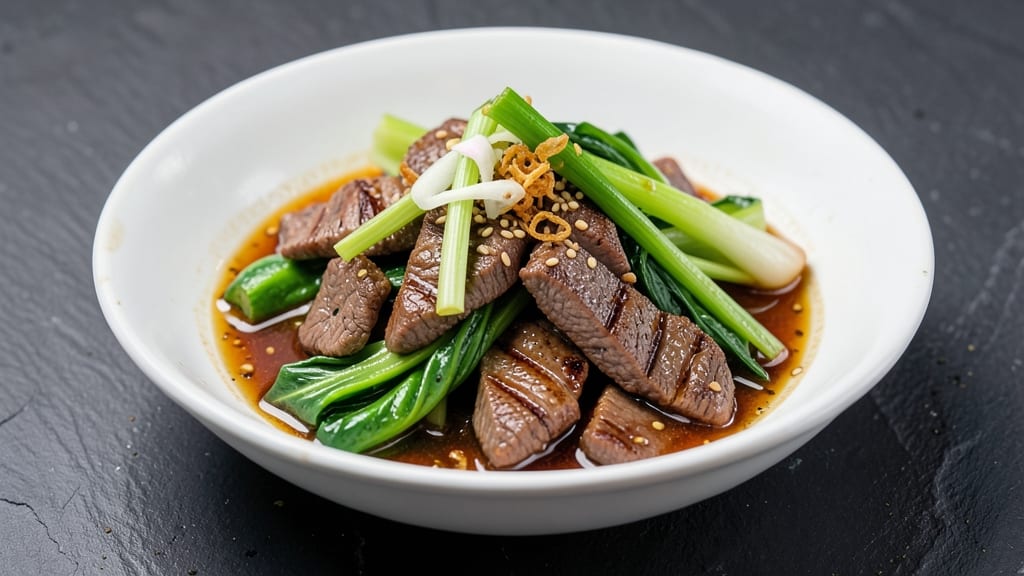
This beef and pak choi stir fry delivers restaurant-quality wok-hei in just 15 minutes, where tender beef meets crisp-tender pak choi in a symphony of garlic, ginger, and soy.
The secret lies in high-heat searing followed by quick wok action—no overcrowding, no soggy vegetables, just perfectly balanced bites that sing with umami and freshness. I've perfected this technique after years of testing, ensuring every element cooks to ideal texture without losing its natural flavor.
The magic happens in the wok: beef slices first to render juices, then pak choi added just long enough to blanch while maintaining its signature crunch. A simple sauce of soy, oyster, and a touch of honey ties everything together, creating a glossy finish that clings to every bite.
This isn't just stir-fry—it's a foolproof method that transforms simple ingredients into a dish worthy of your best dinner table.
What you'll achieve is a plate of crisp-tender pak choi with perfectly seared beef that's juicy inside and caramelized at the edges. The aroma alone—garlicky, gingered, with a hint of smoky wok heat—will have everyone gathered around your kitchen.
Each bite delivers that perfect balance: the slight bite of pak choi, the tender melt of beef, and the savory depth of the sauce.
Serve immediately over steamed rice to soak up every last drop of that flavorful sauce. The timing is precise, but the technique is simple—ideal for weeknight dinners when you want restaurant-quality results without the fuss. Let's get cooking!
Ingredients for beef and pak choi stir fry
Flank steak and pak choi transform into restaurant-worthy stir fry with these simple yet powerful ingredients.
| Ingredient | Amount | Notes |
|---|---|---|
| Flank Steak 🥩 | 1 lb | Thinly sliced against grain |
| Pak Choi 🥬 | 1 lb | Baby bok choy works too |
| Garlic Cloves 🧄 | 6 cloves | Minced for sauce and searing |
| Fresh Ginger 🌿 | 1 tbsp | Grated, not powdered |
| Light Soy Sauce 🥄 | ½ cup | Kikkoman preferred |
| Oyster Sauce 🍜 | 2 tbsp | Lee Kum Kee brand |
| Honey 🍯 | 1 tbsp | For sauce balance |
| Sesame Oil 🫒 | 1 tsp | Toasted for aroma |
| Neutral Oil 🫒 | 2 tbsp | Vegetable or canola |
| Rice Vinegar 🍶 | 1 tsp | For brightness |
| Sesame Seeds 🌾 | 1 tsp | Toasted for garnish |
| Salt 🧂 | ½ tsp | Kosher preferred |
| Black Pepper 🌶️ | ¼ tsp | Freshly cracked |
| Red Chili Flakes 🔥 | ½ tsp | Optional for heat |
Flank steak is your secret weapon here—thinly sliced against the grain for tender bites. Ask your butcher to slice it if they won't do it for you, or freeze it 30 minutes before slicing for easier cutting. Pak choi should be bright green with crisp stems—avoid wilted bunches. For the garlic, Trader Joe's sells pre-minced in jars, but fresh is always better. Ginger? Grate it fresh—powdered won't give that same zing. I always grab the Kikkoman soy sauce and Lee Kum Kee oyster sauce; they're the gold standard for stir-fries.
No flank steak? Sirloin or ribeye work too—just slice extra thin. Swapping pak choi? Bok choy or napa cabbage hold up well. Short on oyster sauce? Soy sauce plus a splash of fish sauce gets you close. The honey balances the saltiness—substitute maple syrup if you prefer. Sesame oil is non-negotiable for that authentic aroma, but use sparingly. For extra heat, Sichuan peppercorns add a tingling kick instead of plain chili flakes. The rice vinegar brightens everything, so don't skip it—even a tablespoon makes a difference.
Prep everything before you start cooking—this is a 15-minute race. Keep your garlic and ginger prepped in small bowls, pak choi washed and chopped into bite-sized pieces. The sauce can be made ahead, but add the sesame oil last when you're ready to serve. Leftover stir-fry? Reheat in a wok or skillet with a splash of water to keep it crisp. Keeps 3-4 days in the fridge, but it's best fresh. Double the batch if you're feeding a crowd—it disappears fast.
Why You'll Love This Recipe
- One-Pan Magic: I swear by this for nights when I don’t want to wash a second pan. Thinly sliced flank steak and pak choi hit the same wok—no flipping between dishes, no stress. The garlic and ginger sizzle in the same oil that sears the beef, and suddenly you’ve got a restaurant-quality dish with one utensil.
- Umami Bomb: That first bite of caramelized garlic cloves hitting tender, slightly charred beef? It’s like a flavor explosion. The light soy sauce cuts through the richness while the pak choi stays crisp—bright green and packed with that fresh, slightly peppery crunch. Honestly, I’ve made stir-fries that cost twice as much and tasted half as good.
- Lunchbox Hero: Between us, this is my secret weapon for meal prep. Cook a big batch on Sunday, and you’ve got four lunches that feel special but cost next to nothing. The beef stays juicy for days, and the pak choi holds up surprisingly well if you blanch it first and store it separately. Pack it with rice, and suddenly you’ve got a work lunch that’ll have coworkers asking for your recipe.
- Budget Flex: Flank steak on sale? Grab it. Pak choi wilting at the store? Snag it. This recipe stretches a few dollars into a full meal without skimping on flavor. I’ll be real: I’ve made this with cheaper cuts before, and as long as you marinate the beef (even just 15 minutes in soy sauce), it still delivers that satisfying chew and deep savory punch. No guilt, all reward.
Step-by-step instructions for beef and pak choi stir fry
Here's how to deliver restaurant-quality wok-fired beef with crisp-tender pak choi in record time.
Prep the Flank Steak for Maximum Tenderness
Slice the 1 lb flank steak thinly against the grain into ¼-inch thick strips. This is crucial—cutting against the grain shortens the muscle fibers, ensuring each bite is fork-tender. Pat the slices dry with paper towels to remove excess moisture, which helps them sear properly instead of steaming in their own juices.
In a small bowl, combine the 0.5 tsp salt, 0.25 tsp black pepper, and 0.5 tsp red chili flakes (if using). Toss the steak strips with this seasoning and let them sit at room temperature for 15 minutes while you prep the rest. This resting period ensures even cooking and prevents the meat from releasing juices too early in the stir-fry process.
Build the Flavor-Packed Sauce Base
In a small mixing bowl, whisk together the 0.5 cup light soy sauce, 2 tbsp oyster sauce, 1 tbsp honey, 1 tsp rice vinegar, and 1 tsp sesame oil. This sauce is the backbone of your stir-fry, balancing sweet, salty, tangy, and umami flavors. Taste it now—it should be perfectly seasoned, but you can adjust with a pinch more soy sauce if needed.
Set aside 1 tbsp of the neutral oil for later. In a large wok or skillet, heat the remaining 1 tbsp neutral oil over high heat until shimmering. Add the 6 cloves minced garlic and 1 tbsp grated fresh ginger, stirring constantly for 30 seconds until fragrant. This quick cook prevents the aromatics from burning, which would make the sauce bitter.
Sear the Beef to Perfection
Working in batches if needed, add the seasoned steak strips to the hot wok. Let them sear undisturbed for 1 minute—this creates a beautiful crust. Stir-fry for another 1-2 minutes until the beef is 80% cooked (it'll finish in the sauce). Remove the beef with a slotted spoon and set aside, leaving the rendered juices in the wok.
Here's the thing—don't overcrowd the pan. If you're using a standard wok, cook the beef in two batches to maintain high heat. The goal is to get that perfect sear, not steam the meat. Once all the beef is cooked, return it to the wok and lower the heat to medium-high.
Stir-Fry the Pak Choi to Crisp-Tender Perfection
Add the 1 lb pak choi, shaking off any excess moisture. Stir-fry for 2-3 minutes until the stems are bright green and slightly blistered, but the leaves remain tender. The pak choi should look vibrant and just beginning to wilt—this is your visual cue that it's done. If it wilts too much, it'll turn mushy.
Pour the reserved sauce over the pak choi and beef, tossing everything together for 1-2 minutes until the pak choi is coated in the glossy sauce. The residual heat from the wok will finish cooking the beef while the sauce thickens slightly. Taste and adjust seasoning if needed—you might want to add a splash more soy sauce or a drizzle of honey for balance.
Finish and Serve Immediately
Remove the wok from heat and stir in the 1 tsp toasted sesame seeds. These add a nutty aroma and beautiful texture contrast. Serve the stir-fry immediately over steamed rice, garnished with extra sesame seeds and a sprinkle of sliced green onions if you like. The dish should be sizzling hot, with each bite delivering tender beef, crisp-tender pak choi, and that perfect sauce clinging to every strand.
Pro tip: If you're serving this to a crowd, keep the beef warm in a 200°F oven while you finish cooking the pak choi. This ensures everything hits the table at the same perfect temperature. The stir-fry will continue to improve as it sits for a few minutes, so don't rush serving—let the flavors meld just a bit more.
Pro Tips For Making Beef And Pak Choi Stir Fry
- Slice Steak Against Grain: Flank steak’s tough fibers run parallel to the grain—cutting perpendicular to them shortens them, making every bite tender. Use a sharp knife and slice at a 45-degree angle for wider, more dramatic pieces (they look impressive, too). I used to rush this step and ended up with chewy bites—don’t be in a hurry here.
- Blanch Pak Choi First: Toss whole pak choi bunches in boiling water for 30 seconds, then shock in ice water. This wilts them slightly and concentrates their flavor before stir-frying. It also prevents them from turning bitter when they hit the hot wok. I learned this the hard way after a sad, limp batch—now it’s non-negotiable.
- Don’t Crowd the Wok: Cook the steak in batches if needed—overloading the pan steams the garlic and ginger instead of browning them. You want those aromatics to sizzle and develop color, not just sit in their own juices. A hot, slightly crowded pan is fine for the first 30 seconds, but after that, spread it out.
- Finish with Ginger Zest: After stir-frying, grate a teaspoon of fresh ginger zest over the dish while it’s still hot. It adds a bright, citrusy lift that cuts through the richness of the soy sauce. Sounds weird, but it works—my grandmother swore by this, and it’s the thing that makes this dish taste restaurant-quality. Skip it, and you’re missing a crucial layer of flavor.
Common mistakes when making great beef and pak choi stir fry
Overcrowding the Wok
This is the #1 mistake I see in home stir-fries. When you pack too much food into your wok, the heat drops dramatically, causing the beef to steam instead of sear. The result? Soggy pak choi and bland, gray beef instead of crisp-tender bites.
My rule: Cook beef in two batches if needed, and give pak choi its own space to blanch properly. A crowded wok kills that essential wok-hei (breath of the wok) aroma we're all chasing. 🔥
Skipping the Rest
Never skip letting your sliced beef rest for 15 minutes before cooking. Cold meat releases juices unevenly, leading to some pieces overcooking while others stay raw. I've ruined more stir-fries this way than I can count.
Take those 15 minutes while you prep other ingredients—it makes all the difference in texture. The same goes for your pak choi: Pat it dry thoroughly before cooking to prevent a watery stir-fry.
Low Heat Cooking
Stir-fries demand high heat from start to finish. If you're using medium heat, you're already losing that signature smoky wok flavor. The moment your oil stops shimmering, you've lost control. I recommend preheating your wok until it's almost smoking before adding oil.
For the beef, work in batches to maintain that critical high-heat sear—this creates those beautiful caramelized edges we all love.
Undercooking the Beef
Many home cooks pull beef out too soon, thinking it's done when it's only 70% cooked. The residual heat from the wok and sauce will finish it, but you need that initial sear to build flavor.
Aim for beef that's 80% cooked before removing it temporarily. The final 1-2 minutes in the sauce with pak choi will bring it to perfect doneness while keeping it juicy.
Overcooking Pak Choi
Pak choi wilts faster than you think—it's easy to turn crisp-tender greens into sad, mushy piles. The moment the stems turn bright green and the leaves just begin to wilt (about 2-3 minutes total), it's done.
Any longer and you've lost that perfect texture. I always set a timer as a reminder. The sauce should coat the pak choi, not drown it.
Neglecting Sauce Timing
Adding sauce too early steams the beef and dilutes its flavor. The sauce belongs in the final 1-2 minutes of cooking, when everything is hot and ready to meld. Pour it in, toss vigorously, and serve immediately.
If you make sauce ahead, store it separately and add the sesame oil last—it burns easily and should be fresh when served. ✨
Nutrition facts
Frequently asked questions
Can I use frozen beef instead of fresh?
Fresh beef is ideal, but if you must use frozen, thaw it completely in the refrigerator overnight. Never thaw at room temperature—this causes uneven cooking. For extra tenderness, slice the beef slightly thinner than called for (about ⅛-inch instead of ¼-inch) since frozen meat can be denser. Pat it very dry before cooking to prevent steaming.
What if I don't have a wok?
A heavy-bottomed skillet or cast-iron pan works perfectly! The key is maintaining high heat—preheat your pan until it's almost smoking before adding oil. Use a splatter screen if needed, and stir constantly to mimic wok action. A 12-inch skillet is ideal for this recipe, but even a 10-inch will work if you cook in batches.
How do I make this vegetarian?
Swap the beef for 1 lb extra-firm tofu or shiitake mushrooms. For tofu, press and slice into strips, then pan-fry until golden before adding pak choi. Mushrooms should be sliced thin and seared for 3-4 minutes until deeply browned. Boost umami with an extra 1 tbsp soy sauce or 1 tsp miso paste in the sauce.
Can I prep the sauce ahead of time?
Yes! Make the sauce up to 2 days ahead and store it in the fridge. When ready to cook, simply add the 1 tsp sesame oil last—it burns easily and should be fresh when served. Reheat the sauce gently before using to maintain its balance. The sesame seeds can also be toasted ahead and stored in a jar for up to 1 week.
What's the best way to reheat leftovers?
Reheat in a wok or skillet over medium-high heat with 1 tbsp neutral oil and 1 tbsp water to prevent drying. Toss for 2-3 minutes until everything is hot through. Avoid microwaving—it turns pak choi soggy. For extra crispiness, add a splash of water and cover with a lid for 30 seconds before serving.