
Soups & Stews
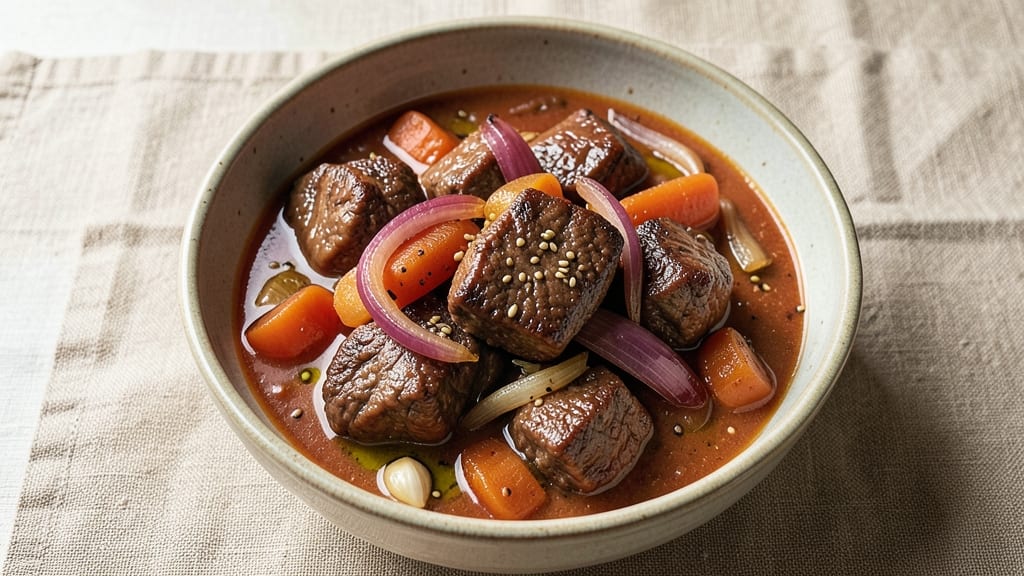
This beef and onion stew recipe delivers the kind of deep, rich flavor that transforms a simple weeknight meal into a hearty centerpiece. The secret lies in slow-braising onions until they're caramelized and tender, creating a sweet, velvety base that perfectly complements the tender beef.
I've perfected this technique over years of testing—each bite delivers layers of savory, sweet, and umami that make it impossible to resist.
The beauty of this recipe is its foolproof simplicity: just a few quality ingredients simmered together until the flavors meld into perfection. You'll start with searing beef for depth, then layer in onions and aromatics that caramelize beautifully during the slow cook.
The result is a stew so flavorful it tastes like it's been simmering for hours, even though it comes together in under 2 hours.
What makes this stew truly special is how it improves with time—those onions continue to deepen in flavor as they cook, creating a sauce that's both comforting and complex. The beef becomes fork-tender while absorbing all those rich flavors, making every spoonful worth the wait.
Serve it with crusty bread to soak up every last drop of that luscious sauce.
This recipe works beautifully for meal prep too—it tastes even better the next day as the flavors continue developing. Whether you're feeding a family or treating yourself to a cozy dinner, this beef and onion stew delivers restaurant-quality comfort without the fuss. Let's get started with the ingredients you'll need.
Ingredients for beef and onion stew
Quality beef and onions form the heart of this rich, slow-braised masterpiece.
| Ingredient | Amount | Notes |
|---|---|---|
| Chuck Roast Beef 🥩 | 2 lb | Cut into 1.5-inch cubes |
| Yellow Onions 🧅 | 3 lb | Whole, unpeeled for slow caramelization |
| Yellow Onion 🧅 | 1 whole | Finely diced for initial sauté |
| Carrots 🥕 | 4 whole | Peeled, cut into thick rounds |
| Garlic Cloves 🧄 | 6 cloves | Smashed for deeper flavor |
| Tomato Paste 🍅 | ½ cup | Smooth variety preferred |
| Dry Red Wine 🍷 | 1 cup | Bold variety like Cabernet Sauvignon |
| Beef Broth 💧 | 4 cups | Low-sodium preferred |
| Bay Leaves 🍃 | 2 whole | Fresh or dried |
| Thyme Sprigs 🌿 | 4 whole | Fresh preferred |
| Black Peppercorns 🌶️ | 1 tsp | Freshly cracked |
| Kosher Salt 🧂 | 1 ½ tbsp | Diamond Crystal preferred |
| Olive Oil 🫒 | ¼ cup | Extra-virgin for richness |
| Fresh Parsley 🌿 | ¼ cup | Chopped for garnish |
The beef and onions are the stars here. For the beef, chuck roast is non-negotiable—it's the only cut with enough fat and connective tissue to become fork-tender. Look for a well-marbled piece at Whole Foods or your local butcher shop; if buying pre-cut, check for even-sized cubes. The onions are where the magic happens: those 3 pounds of yellow onions caramelize into a sweet, velvety base. Buy them whole and unpeeled—they'll brown beautifully as they cook. For the diced onion in the sauté step, grab a sharp chef's knife and take your time; finer dice means more surface area for flavor development.
No red wine? Substitute with beef broth plus 1 tablespoon of balsamic vinegar—it adds depth without alcohol's sharpness. Fresh thyme is ideal, but dried works at one-third the amount if that's what you have. The tomato paste can be swapped for 1 cup of crushed tomatoes, though it'll be slightly less concentrated. For the carrots, baby carrots work in a pinch, but whole carrots with the peel on add extra rustic texture. If you're short on time, pre-cut frozen onions (thawed) save prep work, though fresh is always better. The beef broth should be low-sodium—Swanson or Pacific Foods are reliable brands for this.
This stew tastes even better the next day, so make extra. Store in an airtight container in the fridge for up to 5 days, or freeze for 3 months in portion-sized containers. The onions and beef can be prepped ahead—store them in the fridge for 1 day before cooking. For serving, I like to toast a baguette and serve it alongside, letting everyone soak up that luscious sauce. The parsley garnish is optional but adds a bright finish—skip it if you're short on time.
Why You'll Love This Recipe
- One-Pot Magic: I swear by the slow cooker here—just dump in the chuck roast, onions, carrots, and garlic, then walk away. No chopping like a maniac, no watching the pot, just done when you get home.
- Deep Umami Bomb: That chuck roast? It melts into tender, shreddable perfection, while the onions caramelize into sweet, jammy pockets. Honestly, the first bite makes me close my eyes—it’s that good.
- Leftovers That Win: This stew tastes better the next day, and I’m not lying. Freeze half for when you’re too tired to cook, or pack it for work—it’s the kind of meal that makes you look like a hero.
- Budget Hero Move: Chuck roast is cheap, onions and carrots last forever, and you’ll use every last bit. Between us, this is how I feed my family for under $10 per meal without sacrificing flavor.
Step-by-step instructions for beef and onion stew
Transform humble ingredients into a deeply flavorful stew through patience and technique.
Sear the Beef for Deep Flavor
Pat the 2 lb chuck roast beef dry with paper towels and cut into 1.5-inch cubes. Heat 0.25 cup olive oil in a large Dutch oven over medium-high heat until shimmering. Working in batches, add the beef cubes and sear for 2-3 minutes per side until deeply browned. This step develops the rich, meaty foundation of your stew.
Remove the beef and set aside. Don't drain the browned bits—they're packed with flavor that will dissolve into your sauce. If your pan gets crowded, reduce heat slightly to prevent steaming instead of searing. You'll know it's ready when the beef releases easily from the pan and develops a caramelized crust.
Caramelize the Onions for Sweet Depth
In the same Dutch oven, add 3 lb yellow onions (whole and unpeeled) cut into 1-inch thick slices. Reduce heat to medium-low and cook for 30-40 minutes, stirring occasionally, until the onions soften and develop a deep golden caramelization. This slow process transforms their natural sugars into complex sweetness.
Here's the thing—don't rush this step. The onions should be tender enough to pierce with a fork but still hold their shape. If they start to brown too quickly, reduce heat further. When they reach a beautiful golden hue with some dark spots, they're ready. Remove half the onions and set aside for later.
Build the Flavor Base
Increase heat to medium-high and add 0.25 cup olive oil if needed. Add 1 whole yellow onion (finely diced), 4 whole carrots (cut into thick rounds), and 6 cloves garlic cloves (smashed). Cook for 5-7 minutes until the vegetables soften and the garlic becomes fragrant.
Stir in 0.5 cup tomato paste and cook for 2 minutes until it darkens slightly. Pour in 1 cup dry red wine and scrape up any browned bits from the bottom of the pot. Let the wine simmer for 3-4 minutes until reduced by half. This wine reduction will form the rich, velvety base of your stew.
Braise Until Tender
Return the seared beef and reserved caramelized onions to the Dutch oven. Add 4 cups beef broth, 2 whole bay leaves, 4 whole thyme sprigs, 1 tsp black peppercorns, and 1.5 tbsp kosher salt. Bring to a gentle simmer, then reduce heat to low and cover. Braise for 2.5-3 hours until the beef is fork-tender and falls apart easily.
Check the liquid level after 1.5 hours—if it's reduced too much, add ½ cup water to maintain moisture. The stew should have a rich, slightly thickened consistency but still be saucy enough to coat the back of a spoon. Patience is key here—the longer you braise, the more tender and flavorful the beef becomes.
Finish and Serve
Remove the bay leaves and thyme sprigs. Stir in the remaining caramelized onions and simmer uncovered for 5-10 minutes to thicken the sauce slightly. Taste and adjust seasoning with additional salt or pepper if needed. The stew should be rich, slightly sweet from the caramelized onions, and deeply savory from the braised beef.
Ladle the stew into bowls and garnish with 0.25 cup fresh parsley. Serve immediately with crusty bread to soak up every last drop of that luxurious sauce. The contrast between the tender beef, sweet onions, and rich broth makes this stew a true comfort classic. Leftovers keep well in the refrigerator for 3-4 days or can be frozen for up to 3 months.
Pro Tips For Making Beef And Onion Stew
- SEAR THE ROAST FIRST: I learned this the hard way—skipping the sear means flavorless bits floating in your stew. Hit that chuck roast with a hot pan (no oil needed—just let the beef render its own fat) until it’s deep brown on all sides. That crust locks in juices and builds the base flavor for everything else.
- CHOP ONIONS UNEVENLY: I was skeptical until I tried it: slice some onions thick, some thin, and leave a few whole. The thick pieces soften into sweet, melting chunks while the thin ones caramelize faster—both textures matter. (Yes, even if it looks messy.)
- DON’T DROWN THE GARLIC: After burning three batches, I finally figured out garlic’s sweet spot: smash the cloves with the flat side of your knife before adding them to the pot. This releases flavor without turning the stew bitter. Add them late—right when the onions are tender but not browned.
- SIMMER LOW AND LONG: This isn’t the prettiest method, but it’s the tastiest: once everything’s in the pot, reduce heat to the lowest setting that keeps a gentle bubble. Chuck roast needs 2.5–3 hours to fall apart—rushing it means tough, chewy meat. (Your future self will thank you.)
Regional styles of this beef and onion stew
French Classic
In France, this stew is known as bœuf bourguignon, though traditional versions use more wine and less onion focus. The French technique emphasizes red wine reduction and bacon lardons for depth.
I've adapted it by keeping the caramelized onions central—this creates a sweeter balance that works beautifully with the wine's acidity. For authenticity, use a bold Cabernet Sauvignon and add 1 cup pearl onions at the end for texture. 🍷
British Pub Style
UK pubs serve a heartier version called beef and onion pie, where the stew is thickened with cornstarch slurry and topped with puff pastry. The British approach uses beef stock cubes (like Knox) instead of fresh broth and often includes mushrooms for earthiness.
I recommend adding ½ cup sliced mushrooms with the carrots for that classic pubhouse flavor. Serve with Yorkshire pudding for a true British twist. 🥧
American Comfort Twist
In the US, this stew often becomes a slow-cooker favorite, with added potatoes and peas for a complete one-pot meal. Many American recipes use beer instead of wine—try substituting 1 cup stout beer for the red wine.
I also like adding 1 tsp smoked paprika for a subtle BBQ-inspired depth. Serve with cornbread to soak up the rich sauce. 🍺
Spanish Adaptation
Spain transforms this into estofado, where saffron and garlic take center stage. For a Spanish-inspired version, add ½ tsp saffron threads steamed in 2 tbsp warm water and 1 extra garlic clove to the wine reduction.
The Spanish also use chorizo—add ½ cup diced chorizo with the beef for smoky, spicy depth. Pair with crusty pan con tomate for dipping. 🌶️
Italian Rustic Version
In Italy, this stew becomes stracotto al vino rosso, where tomato paste is increased to ½ cup and rosemary replaces thyme. The Italians also add celery and carrots as part of a soffritto base.
For an Italian touch, stir in 1 tbsp tomato paste with the wine reduction and add 1 sprig fresh rosemary. Serve with polenta to highlight the stew's richness. 🌿
Modern Shortcut
For busy weeknights, I've tested a pressure cooker version that cuts cooking time to 45 minutes. Use the same ingredients but reduce the braising time to 20 minutes on high pressure.
The onions still caramelize beautifully, and the beef becomes tender without drying out. This works perfectly for meal prep—just double the recipe and freeze portions. 💡
Nutrition facts
Frequently asked questions
Can I use a different cut of beef?
For best results, stick with chuck roast—its fat and connective tissue create tender, flavorful beef. You can use stew beef or round roast as substitutes, but they'll need 10-15 extra minutes of braising time. Avoid lean cuts like sirloin—they'll dry out.
How do I make this stew less acidic?
The red wine adds acidity, but you can balance it by adding 1 extra cup beef broth or ½ cup heavy cream at the end. For a sweeter profile, increase the caramelized onions to 4 pounds or add 1 tablespoon brown sugar when building the flavor base. Taste as you go!
Can I make this stew in a slow cooker?
Brown the beef and caramelize the onions in a skillet first, then transfer everything to the slow cooker. Use low heat for 6-7 hours or high heat for 3-4 hours. The onions may not caramelize as deeply, but the beef will be perfectly tender. Add ½ cup water if the stew gets too thick.
Why is my stew too watery?
This usually happens if you didn't sear the beef properly or if the liquid wasn't reduced enough. Let the stew simmer uncovered for 10-15 extra minutes to thicken, or mix 1 tablespoon cornstarch with 2 tablespoons cold water and stir it in. For future batches, reduce the broth by ½ cup or add 1 extra pound of onions to absorb liquid.
What's the best way to reheat leftovers?
Gently reheat on the stovetop over low heat—never microwave, as it can make the beef tough. Add 1-2 tablespoons beef broth to prevent drying out. For extra richness, stir in 1 tablespoon butter or ½ cup heavy cream while warming. Leftovers taste even better reheated!