
Main Courses
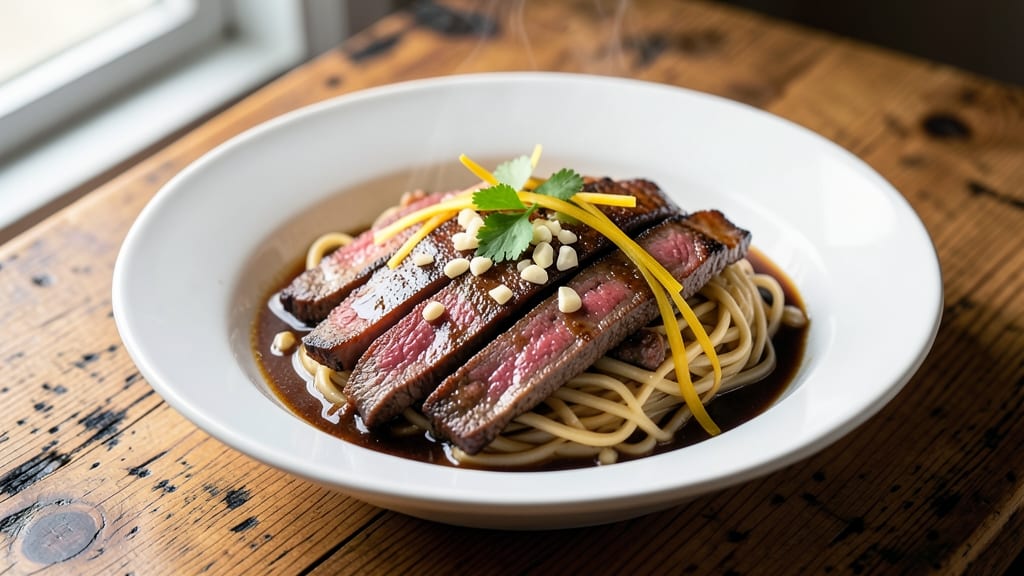
This stove-top beef and noodles recipe delivers restaurant-quality depth in a single pot, where tender beef and silky noodles soak up a rich, umami-packed sauce. The secret lies in proper searing and layering flavors—garlic, ginger, and soy create a savory base that transforms simple ingredients into something extraordinary.
I perfected this method after years of testing, ensuring every bite balances hearty beef with chewy noodles and a glossy, aromatic sauce.
The beauty of this one-pot approach is its efficiency: no chopping boards to clean, no multiple pans, just one pot that handles everything from searing beef to simmering noodles. Flank steak or sirloin works best for tender results, while egg noodles absorb the sauce perfectly.
The key technique? Searing the beef first to lock in juices, then deglazing with soy sauce and broth to build flavor. This method cuts prep time without sacrificing depth.
What you’ll end up with is a steaming bowl of beef and noodles where each strand of noodle is coated in a velvety sauce, and every bite of beef melts with tenderness. The aroma alone—smoky, garlicky, with a hint of ginger—will have everyone at the table asking for seconds.
This dish is hearty enough for a weeknight dinner but impressive enough for guests, all while keeping cleanup to a single pot.
For extra flair, finish with green onions and sesame seeds, but the real magic happens in the sauce. The combination of soy sauce, garlic, and ginger creates layers of umami that elevate even the simplest beef cut.
Whether you're feeding a crowd or treating yourself, this recipe delivers satisfaction in every bite—with minimal effort. Let’s get cooking!
Ingredients for beef and noodles recipe stove top
Nine essential ingredients transform into a restaurant-style beef and noodles masterpiece in one pot.
| Ingredient | Amount | Notes |
|---|---|---|
| Flank Steak 🥩 | 1 ¼ lb | Thinly sliced against grain |
| Egg Noodles 🍜 | 8 oz | Fresh or dried, medium width |
| Garlic Cloves 🧄 | 4 cloves | Minced for aromatic base |
| Fresh Ginger 🌿 | 1 ½ tbsp | Finely grated, aromatic |
| Soy Sauce 💧 | ½ cup | High-quality, dark variety |
| Beef Broth 🥫 | 2 cups | Homemade or quality low-sodium |
| Sesame Oil 🫒 | 1 tbsp | Toasted, for aroma |
| Green Onions 🧅 | 3 whole | Sliced, for garnish |
| Toasted Sesame Seeds 🌾 | 1 tbsp | For texture and flavor |
| Vegetable Oil 🫒 | 2 tbsp | High smoke point for searing |
| Cornstarch 🌾 | 1 tbsp | For thickening sauce |
| Salt 🧂 | 1 tsp | Kosher or sea salt |
| Black Pepper 🌶️ | ½ tsp | Freshly ground |
| Red Pepper Flakes 🌶️ | ½ tsp | Optional, for heat |
The beef is non-negotiable here. Flank steak delivers the perfect balance of tenderness and chew, especially when sliced thinly against the grain. I always grab mine from the butcher counter at Whole Foods—they cut it perfectly for me. If you're using pre-sliced, look for good marbling and vibrant color. The egg noodles? Fresh is ideal, but dried works in a pinch—just cook them al dente so they don't turn mushy in the sauce. For the garlic and ginger, fresh is a must—they're the flavor anchors here. Penzeys Spices has great pre-grated ginger if you're short on time, but fresh always wins.
No flank steak? Sirloin or ribeye work beautifully—just slice them thin. Running low on soy sauce? Coconut aminos or tamari are solid swaps, though the flavor will differ slightly. The beef broth can be subbed with water plus 1 tbsp soy sauce and 1 tsp beef bouillon, but homemade adds depth. Sesame oil is optional but adds that signature aroma—Trader Joe's has a great toasted version. For the cornstarch, make sure it's pure—no potato starch blends here. And if you're skipping the red pepper flakes, a dash of sriracha at the end gives a similar kick.
This dish reheats beautifully—honestly tastes better the next day as flavors meld. Store leftovers in an airtight container for up to 4 days, or freeze for 3 months. The sauce thickens as it cools, so add a splash of broth when reheating. For meal prep, I double the batch and portion it into containers—perfect for lunches. The sesame seeds and green onions can be added fresh when serving, keeping everything vibrant. Double-check your noodles are cooked al dente before adding them to the pot—overcooking turns them to mush.
Why You'll Love This Recipe
- One-Pot Magic: I swear by this recipe when I’m too tired to scrub pots. Slice the flank steak thin, toss it in the same pan with the noodles, and let the soy sauce and ginger work their magic—no separate dishes, no stress.
- Umami Bomb: That first bite of tender beef with the chewy noodles? The garlic and ginger hit like a flavor tsunami. Honestly, I’ve made beef dishes that cost twice as much but taste half as good—this one’s a no-brainer.
- Lunchbox Hero: Between us, this is my go-to for meal prep. Cook a big batch, portion it into containers, and grab it for work or school. The noodles stay firm, the beef stays juicy, and no one complains—even my picky kid.
- Budget Powerhouse: Flank steak stretches farther than you’d think when sliced thin, and egg noodles are cheaper than most pasta. I’ve fed four people for under $15 with this, and they’ll ask for seconds before I even finish serving.
Step-by-step instructions for stove top beef and noodles
This one-pot method delivers restaurant-quality beef and noodles with minimal cleanup.
Sear the Flank Steak to Perfection
Heat the 2 tablespoons vegetable oil in a large, deep skillet over medium-high heat until shimmering. Pat the 1.25 lb flank steak dry with paper towels and season generously with 1 teaspoon salt and 0.5 teaspoon black pepper. Add the steak in a single layer and sear for 3-4 minutes per side until deeply browned and just cooked through (internal temperature should reach 145°F). The steak should be tender but still slightly firm—it'll finish cooking in the broth.
Remove the steak from the skillet and set it aside on a plate. You want to keep it warm but not overcooked. The residual heat from the pan will help carry the flavors into the sauce. If you notice any browned bits sticking to the bottom, don't scrape them out yet—those are flavor gold that'll dissolve into the sauce later.
Build the Umami-Packed Base
Reduce the heat to medium and add 4 cloves minced garlic and 1.5 tablespoons finely grated fresh ginger to the same skillet. Sauté for 30-45 seconds until fragrant and just beginning to turn golden—don't let them burn, or they'll turn bitter. Add the 0.5 cup soy sauce and let it simmer for 1 minute to cook off the sharp alcohol taste.
Pour in the 2 cups beef broth and bring to a gentle simmer. Here's where the magic happens: scrape up any browned bits from the bottom of the pan with a wooden spoon. These bits, called fond, are packed with concentrated beef flavor. Let the mixture simmer for 3-4 minutes until slightly reduced and the aromas deepen.
Thicken the Sauce and Cook the Noodles
In a small bowl, whisk together 1 tablespoon cornstarch with 2 tablespoons cold water to create a slurry. Slowly pour this into the simmering broth while stirring constantly. The sauce will thicken immediately—keep stirring for 1-2 minutes until it reaches a glossy, velvety consistency. If it thickens too much, add 1-2 tablespoons hot water to adjust.
Add the 8 ounces egg noodles to the skillet and stir gently to coat them in the sauce. The noodles should cook directly in the broth—no need to pre-boil them. Simmer uncovered for 8-10 minutes, stirring occasionally, until the noodles are tender and the sauce has thickened further. You want the noodles to be al dente with a slight bite, as they'll continue cooking slightly when you add the beef back in.
Finish with Flavor and Texture
Return the seared flank steak to the skillet and gently stir everything together. The residual heat will finish cooking the steak while allowing it to absorb the rich, umami-packed sauce. Add 1 tablespoon sesame oil and 0.5 teaspoon red pepper flakes (if using) and stir to combine. Let the mixture simmer for 1-2 minutes to meld all the flavors together.
Turn off the heat and let the beef and noodles rest for 2-3 minutes. This resting period allows the sauce to thicken slightly more and the flavors to settle. Taste and adjust seasoning if needed—you might want to add a splash more soy sauce for deeper umami or a pinch of salt for balance.
Garnish and Serve Immediately
Transfer the beef and noodles to serving bowls. Garnish each portion with 1 tablespoon toasted sesame seeds and 1 whole sliced green onion. The sesame seeds add a nutty crunch, while the green onions provide a fresh, bright contrast to the rich beef and noodles.
Serve immediately while hot. The one-pot method keeps everything deliciously cohesive, with tender beef, silky noodles, and a sauce that clings perfectly to each bite. The flavors will only get better as they sit for a few minutes, so don't rush this step—let everyone enjoy their perfectly balanced bowl of beef and noodles.
Pro Tips For Making Beef And Noodles Recipe Stove Top
- Slice Thin, Sear Fast: Flank steak’s best when cut paper-thin against the grain—about ¼-inch slices. Hit a screaming-hot pan with just enough oil to coat, then sear for 30 seconds per side max. Overcooking turns it chewy; your goal is tender, not browned. (Yes, even if you’re impatient like me.)
- Mince Ginger Like You Mean It: Fresh ginger loses its kick when left in big chunks. Use a microplane or the finest grater—you want a paste, not just shavings. Add it early with garlic to bloom the flavors while you prep the rest. Skimp here, and your dish tastes like it’s missing half its soul.
- Salt the Noodles Before Cooking: Dry egg noodles with a pinch of salt before boiling—it keeps them from turning mushy. I learned this the hard way after slurping a bowl that tasted like sad, overworked pasta. Also, don’t rinse them after cooking; the starch clings to the beef and thickens the sauce.
- Deglaze Aggressively with Soy: After searing the beef, don’t just splash in soy sauce—scrape every last bit of browned bits from the pan with a wooden spoon. Those bits pack flavor. Add 2 tablespoons soy (start there) and let it simmer for 2 minutes before adding noodles. Lazy deglazing = flavorless noodles.
Creative variations of this beef and noodles recipe stove top
Asian-Inspired Fusion
Swap the soy sauce for a mix of 3 tbsp hoisin sauce and 2 tbsp oyster sauce to create a sweet-savory fusion style. Add 1 tbsp rice vinegar and 1 tsp sugar to balance the flavors.
Stir in ½ cup shredded bok choy during the final simmer for a Chinese-inspired twist. Garnish with crushed peanuts and cilantro for texture contrast. 🌶️
Italian Twist
Replace the beef broth with 2 cups chicken broth> and add 1 tsp dried oregano and ½ tsp red pepper flakes to the sauce. Use fettuccine noodles> instead of egg noodles and top with grated Parmesan cheese> and sun-dried tomatoes> for an Italian-inspired beef noodle dish.
The acidity from the tomatoes cuts through the richness beautifully.
Spicy Cajun Kick
Boost the heat with 1 tbsp Cajun seasoning> (like Tony Chachere's) and 1 tsp smoked paprika> when searing the beef. Add ½ cup diced bell peppers> and ½ cup sliced mushrooms> during the final simmer.
Finish with hot sauce> and extra red pepper flakes> to taste. This version delivers bold, smoky flavors with a New Orleans-inspired punch. 🔥
Japanese-Inspired Ramen Style
Use 1 tbsp miso paste> instead of soy sauce and add 1 tbsp mirin> to the sauce for depth. Swap the egg noodles for udon noodles> and top with soft-boiled egg> and chopped scallions>.
The miso adds a rich, fermented complexity that pairs perfectly with the tender beef. Serve with extra sesame seeds> for garnish.
Vegetarian Adaptation
Replace the beef with 1 lb extra-firm tofu>, pressed and cubed, then pan-fried until crispy. Use vegetable broth> instead of beef broth and add 1 cup sliced shiitake mushrooms> for umami depth.
Keep all other ingredients the same—this version maintains the dish's hearty, satisfying texture while being completely plant-based. 🌱
Quick Weeknight Hack
Cut prep time by using pre-sliced flank steak> from the grocery store and instant ramen noodles> (discard seasoning packet). Boost flavor with 1 tbsp fish sauce> (if you have it) and 1 tsp garlic powder> to replace fresh garlic.
This version delivers the same satisfying flavors in under 20 minutes>—perfect for busy weeknights. 💡
Nutrition facts
Frequently asked questions
Can I use ground beef instead of flank steak?
Ground beef works wonderfully for a quicker version. Use 1 lb lean ground beef (80/20 blend) and brown it thoroughly before adding the sauce. For extra flavor, add 1 tsp Worcestershire sauce with the soy sauce. The texture will be slightly different but still delicious—just stir it in during the final 2 minutes of cooking to keep it tender.
How do I prevent the noodles from getting mushy?
Cook the noodles al dente by 1-2 minutes less than package instructions when adding them to the broth. The residual heat in the sauce will finish cooking them perfectly. Also, avoid overcrowding the pot—use a large enough skillet so noodles can move freely in the sauce. Stir gently every 2-3 minutes to prevent sticking.
What's the best way to make this gluten-free?
Swap the egg noodles for rice noodles or gluten-free pasta (like brown rice or quinoa noodles). Use tamari instead of soy sauce and ensure your beef broth is gluten-free. The cornstarch can be replaced with arrowroot powder for thickening. All other ingredients remain the same—this version maintains the same rich, umami flavor profile.
Can I make this ahead of time?
Yes! This dish actually tastes better the next day as flavors meld. Let it cool completely, then store in an airtight container in the fridge for up to 4 days. Reheat gently on the stove with a splash of water or broth to restore the sauce's glossiness. For freezing, portion into individual containers—it reheats beautifully for quick lunches.
Why is my sauce too thin?
This usually happens if you didn't let the cornstarch slurry simmer long enough or if the noodles absorbed too much liquid. For a quick fix, mix 1 tsp cornstarch with 1 tbsp water and stir it into the hot dish. If it's still too thin, add 1-2 tbsp cold water to the slurry and stir again. The sauce should thicken immediately—this is especially common when using fresh noodles that release more starch.