
Soups & Stews
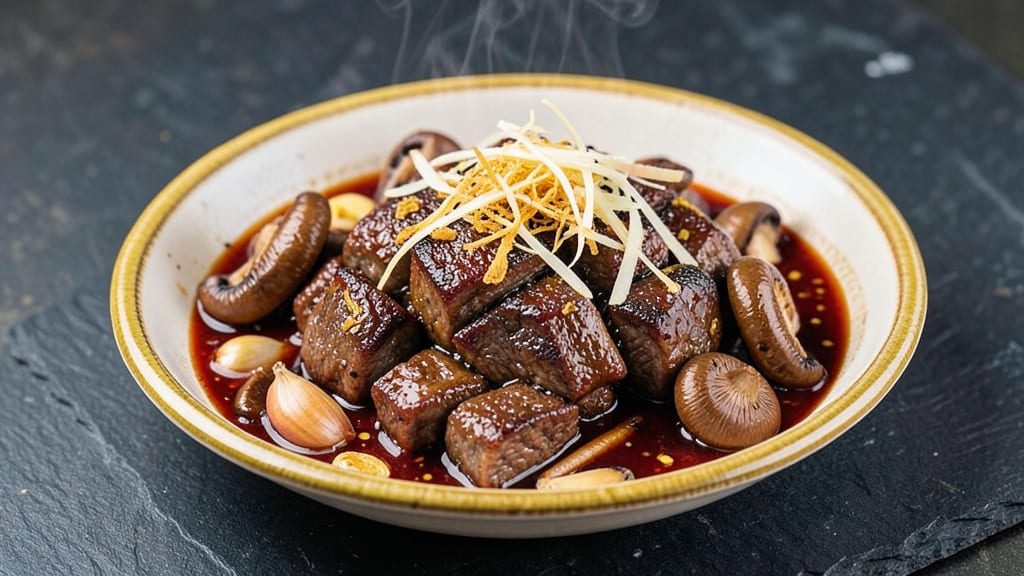
This beef and mushroom Filipino recipe delivers the deep, savory richness of a classic Filipino stew—where tender beef and earthy mushrooms braise in a soy-infused sauce until melt-in-your-mouth tender. The secret lies in balancing sweet, salty, and umami flavors through slow braising, creating a dish that’s both comforting and restaurant-worthy.
No shortcuts here—just layers of garlic, soy, and a touch of tang that transform simple ingredients into something extraordinary.
The magic happens in the sauce, where soy sauce, vinegar, and a splash of calamansi (or lime) work together to create a glossy, aromatic broth that clings to every strand of rice noodle.
Unlike many stews, this recipe relies on a silky texture—the noodles absorb the rich sauce while maintaining their delicate bite, making each spoonful a perfect harmony of protein, vegetable, and umami depth. The mushrooms, sliced just right, melt into the beef, adding a velvety contrast that elevates every bite.
What you’ll end up with is a one-pot wonder that’s hearty enough for a family dinner but simple enough for a weeknight. The beef becomes fork-tender, the mushrooms dissolve into the sauce, and the noodles soak up every drop of that caramelized, soy-kissed goodness.
Serve it steaming hot in a deep bowl, garnished with fresh cilantro or green onions, and watch it disappear faster than you can say kain na—because once you taste this, you’ll never go back to takeout again.
This dish is versatile enough for meal prep—leftovers reheat beautifully, and the flavors only deepen over time. Pair it with a side of steamed vegetables or a simple salad to round out the meal, or enjoy it as-is for a satisfying, no-fuss dinner.
Ready to master Filipino comfort food? Let’s get cooking.
Ingredients for beef and mushroom filipino
The heart of Filipino comfort food—beef, mushrooms, and noodles braised in a rich, soy-kissed sauce.
| Ingredient | Amount | Notes |
|---|---|---|
| Beef Chuck Roast 🥩 | 1 ½ lb | Cut into 1-inch cubes |
| Shiitake Mushrooms 🍄 | 8 oz | Stemmed, sliced |
| Garlic Cloves 🧄 | 6 cloves | Minced finely |
| Fresh Ginger 🌿 | ½ inch | Peeled, julienned |
| Soy Sauce 🥄 | ½ cup | Light or dark preferred |
| Calamansi Juice 🍋 | ¼ cup | Or lime juice substitute |
| White Vinegar 💧 | ¼ cup | For tangy balance |
| Rice Vinegar 🍶 | ¼ cup | For mild acidity |
| Brown Sugar 🍯 | ¼ cup | Packed firmly |
| Rice Noodles 🍜 | 8 oz | Thin or medium width |
| Fresh Ginger 🌿 | 1 tbsp | Grated finely |
| Green Onions 🧅 | 3 whole | Sliced thin for garnish |
| Vegetable Oil 🫒 | 2 tbsp | High smoke point |
| Salt 🧂 | 1 tsp | Kosher or sea salt |
| Black Pepper 🌶️ | ½ tsp | Freshly ground |
The beef is non-negotiable—chuck roast gives that melt-in-your-mouth tenderness, but sirloin or round steak work in a pinch. Cut it into even 1-inch cubes so everything cooks at the same pace. For mushrooms, shiitake is ideal (they hold their shape beautifully), but cremini or oyster mushrooms are great substitutes. If you can't find calamansi—lime juice works just as well—just add a pinch more sugar to balance the tartness. The ginger? Fresh is a must here—it adds that bright, zesty kick that cuts through the richness.
No soy sauce? Coconut aminos or tamari get you close, though the flavor will be slightly different. Running low on brown sugar? White sugar or honey works, but the caramelization won't be as deep. The rice noodles should be fresh or dried but not pre-cooked—they absorb sauce like a dream. Pro tip: Soak them in warm water for 10 minutes before adding to the pot, and they'll be perfectly al dente. If you're short on time, egg noodles or udon work too—they handle the sauce just as well.
This dish tastes even better the next day—flavors meld like magic—so make extra. Store leftovers in the fridge for up to 5 days, or freeze portions for 3 months. The sauce thickens as it cools, so add a splash of water or broth when reheating. For meal prep, portion into containers with noodles and sauce separate—just toss with a little oil before reheating to keep them from sticking. Garnish with fresh cilantro or green onions right before serving—it adds that restaurant-fresh touch.
Why You'll Love This Recipe
- One-Pot Magic: I swear by this—just toss the beef, mushrooms, and aromatics in one pot, then let it simmer. No chopping small, no fancy techniques, just set it and forget it while you do something else.
- Umami Bomb: That beef chuck roast gets so tender it melts, while the shiitake mushrooms soak up all the garlic-ginger-soy sauce magic. The first bite? Rich, savory, and dangerously addictive—no heavy cream or butter needed.
- Weeknight Hero: Between us, this is my go-to when I’m too tired to plan. Double the batch on Sunday, and you’ve got lunch for Wednesday. (Yes, even on a Tuesday night.)
- Budget Stretch: A single chuck roast feeds four for dinner and two more for lunch—no waste, just flavor. The mushrooms add depth without breaking the bank, and the spices? You probably already have them. Smart, simple, and satisfying.
Step-by-step instructions for beef and mushroom Filipino braise
Here's how to create that perfect balance of rich, savory beef and earthy mushrooms in a silky sauce.
Sear the Beef and Mushrooms for Deep Flavor
Heat the 2 tablespoons vegetable oil in a large Dutch oven over medium-high heat. Add the 1.5 lb beef chuck roast cut into 1-inch cubes, working in batches if needed. Sear for 3-4 minutes per side until the beef develops a deep golden-brown crust—this is where all the flavor starts. Remove the beef and set aside.
In the same pot, add the 8 oz shiitake mushrooms that have been stemmed and sliced. Cook for 4-5 minutes until they release their moisture and begin to brown. Add the 6 cloves minced garlic cloves and the 0.5 inch peeled, julienned fresh ginger, cooking for 30 seconds until fragrant. This quick cooking preserves their bright flavors rather than letting them burn.
Build the Braising Sauce
Pour in the 0.5 cup soy sauce, scraping up any browned bits from the bottom of the pot with a wooden spoon. This deglazing step captures all those caramelized flavors that would otherwise go to waste. Add the 0.25 cup calamansi juice (or lime juice substitute), 0.25 cup white vinegar, 0.25 cup rice vinegar, and 0.25 cup packed brown sugar. Stir well to combine all ingredients.
Bring the mixture to a gentle simmer over medium heat, then return the beef to the pot. The liquid should come about halfway up the sides of the beef cubes. If it's too thin, add 2-3 tablespoons hot water to help create a proper braising liquid. Cover the pot and reduce heat to low. Here's the thing—this is where patience pays off. Let it braise for 1 hour and 15 minutes, turning the beef occasionally, until it's fork-tender and the sauce has thickened to a glossy consistency.
Prepare the Rice Noodles
While the beef braises, bring a large pot of water to a boil. Add the 8 oz rice noodles and cook according to package instructions—usually 3-5 minutes until they're just tender. Drain immediately and rinse under cold water to stop the cooking process. Toss the noodles with 1 tablespoon grated fresh ginger and set aside. The noodles should be al dente, not mushy, so they hold up to the rich sauce.
In a small bowl, whisk together 1 teaspoon salt and 0.5 teaspoon black pepper to make a simple seasoning blend. You'll use this to finish the dish right before serving. This step ensures every bite has that perfect balance of savory, tangy, and slightly sweet flavors.
Finish and Serve
After the beef has braised, increase the heat to medium-high and let the sauce reduce for 5-7 minutes until it coats the back of a spoon. The sauce should be thick enough to cling to the noodles without being gluey. Taste and adjust seasoning if needed—you might want to add a splash more soy sauce for saltiness or a bit of vinegar for tang.
To serve, divide the 8 oz rice noodles among four bowls. Top each portion with the beef and mushrooms along with their rich braising sauce. Garnish with 3 whole green onions sliced thin. The contrast of the silky noodles with the tender beef and earthy mushrooms creates a perfect balance in every bite. Serve immediately while the noodles are still warm and the sauce is at its peak flavor.
Pro Tips For Making Beef And Mushroom Filipino
- SEAR THE BEEF LONG: Skip the quick brown—let that chuck roast sit in a screaming-hot pan for 4-5 minutes per side until it’s deep caramelized. I learned this the hard way: rushing it means flavorless beef, no matter how much soy sauce you add later.
- SLICE MUSHROOMS THIN: Shiitakes are tricky—if you cut them too thick, they’ll turn to mush. Aim for ¼-inch slices, then toss them in a pinch of salt before cooking. This keeps them firm and soaks up the garlic-ginger-soy mix like a sponge.
- DEGLAZE WITH SOY AND WATER: After searing, don’t just splash in soy—add ½ cup water first to lift the browned bits off the pan. Then reduce the liquid by half before adding the mushrooms. This builds a richer sauce without making it gloppy.
- GINGER: GRATE, DON’T CHOP: Fresh ginger loses its punch when minced. Use a microplane or the fine side of a grater—this releases the oils and blends seamlessly into the sauce. (Yes, it’ll look weird, but it works every time.)
Dietary considerations for this recipe
Gluten-Free Adaptation
This recipe is naturally gluten-free if you use tamari instead of regular soy sauce—just swap the 0.5 cup soy sauce for 0.5 cup tamari (ensure it's certified gluten-free).
The rice noodles are also gluten-free, but always double-check the package label. For extra safety, use a dedicated pot and utensils if you have severe gluten sensitivity. 🌱
Dairy-Free Considerations
This dish is already dairy-free, which makes it perfect for those avoiding lactose. The rich, umami flavors come entirely from the beef, mushrooms, and soy sauce, so no dairy substitutes are needed. Just ensure your rice noodles aren’t made with milk-based additives—a quick label check is all you need.
Vegetarian Option
For a vegetarian version, replace the beef with 1.5 lb extra-firm tofu or 1.5 lb king oyster mushrooms (sliced into thick steaks). Press the tofu to remove excess water, then pan-fry until golden before braising.
The mushrooms will absorb the sauce beautifully, creating a hearty, meaty texture. Use the same cooking time for the tofu or mushrooms.
Lower-Carb Modifications
Swap the rice noodles for shirataki noodles (konjac-based) or zucchini noodles to cut carbs. Shirataki noodles need rinsing and blanching to remove excess sodium, while zucchini noodles cook in just 2 minutes in boiling water. The beef and mushroom braise stays the same—just adjust portion sizes to your preference.
Allergen-Friendly Tips
For nut allergies, this recipe is inherently safe—just confirm all ingredients (like soy sauce) are processed in nut-free facilities. If you’re concerned about mushrooms, swap them for hearts of palm or eggplant slices for a similar texture. Always read labels, especially for rice noodles, which sometimes contain trace allergens.
Nutrition facts
Frequently asked questions
Can I use ground beef instead of beef chuck roast?
Ground beef won't give you the same tender texture, but you can use it if needed. Brown it thoroughly first, then proceed with the braising. For best results, try sirloin or round steak cut into small cubes—they'll stay juicy and tender just like the chuck roast.
What if I don't have calamansi juice?
No problem! Use lime juice instead—it works perfectly. For extra tang, add a pinch of sugar to balance the acidity. The dish will still taste amazing, just with a slightly different citrus profile.
How do I prevent the noodles from getting mushy?
Cook the noodles just until tender (about 3-5 minutes), then drain and rinse with cold water immediately. This stops the cooking process. Toss them with 1 tablespoon grated ginger while they're still warm to keep them firm. Serve right away for the best texture.
Can I make this recipe in a slow cooker?
Sear the beef and mushrooms first, then transfer everything to your slow cooker. Add all the sauce ingredients and cook on low for 6-8 hours or high for 3-4 hours. The slow cooking will make the beef even more tender. Just reduce the sauce at the end to thicken it.
Why is my sauce too thin?
If the sauce is too thin, let it simmer uncovered for 5-10 minutes to reduce. You can also mix 1 tablespoon cornstarch with 2 tablespoons water, stir it in, and simmer for 2 more minutes until thickened. Avoid adding too much liquid at once—this dish relies on a rich, glossy sauce.