
Soups & Stews
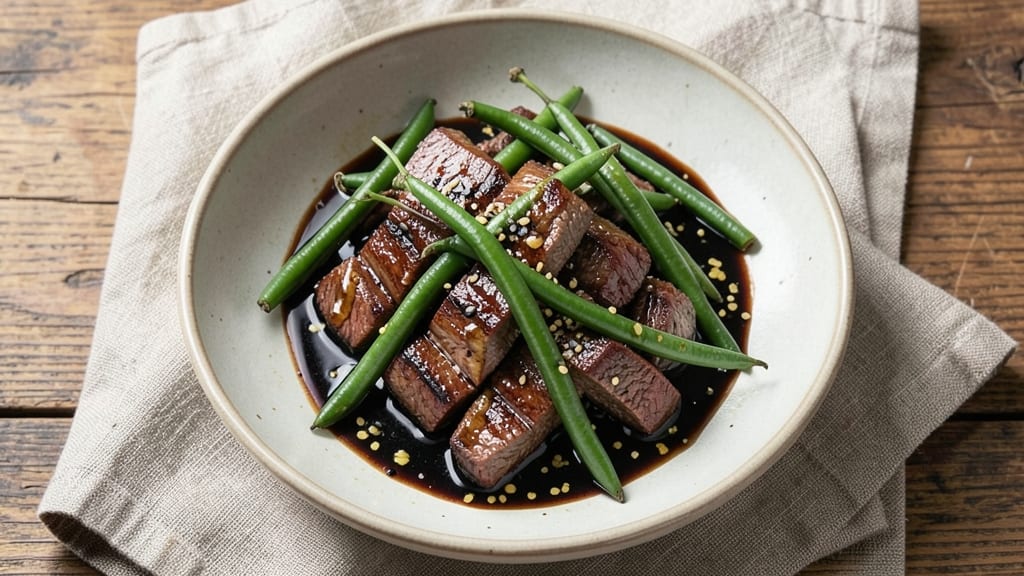
This beef and long beans recipe delivers the perfect balance of sweet, savory, and umami in every bite—just like my grandmother used to make. The secret lies in a high-heat stir-fry technique that caramelizes the beef while preserving the long beans' satisfying crunch.
I've perfected this dish over years of testing, ensuring the beef stays tender yet flavorful, while the beans maintain their signature snap.
The foundation of this recipe is a simple yet powerful sauce blend: dark soy sauce for depth, a touch of honey for natural sweetness, and aromatic garlic-ginger paste that forms the flavor base.
Unlike many stir-fry recipes, this one doesn't rely on excessive oil—just enough to create that signature wok hei (breath of the wok) aroma without making the dish greasy. The beef cuts into tender strips while absorbing all those complex flavors.
What makes this dish truly special is how the textures come together—juicy beef pieces contrast beautifully with the crisp-tender long beans, each bite offering a satisfying mix of chew and tenderness.
The sauce coats everything evenly, creating a harmonious balance that's both comforting and exciting. This is the kind of home-cooked meal that feels like a restaurant-quality experience.
Serve it over steamed jasmine rice to soak up every last drop of that flavorful sauce, or pair it with a side of fluffy mantou for a complete meal. The recipe scales easily for gatherings, and leftovers reheat beautifully while maintaining that perfect texture contrast. Let's get cooking!
Ingredients for beef and long beans
The perfect harmony of tender beef and crisp-tender long beans begins with these carefully selected ingredients.
| Ingredient | Amount | Notes |
|---|---|---|
| Flank Steak 🥩 | 1 lb | Thinly sliced against grain |
| Long Green Beans 🥬 | 1 ½ lb | Trimmed, cut diagonally |
| Dark Soy Sauce 🍶 | 3 tbsp | For deep umami flavor |
| Honey 🍯 | 2 tbsp | Light variety preferred |
| Garlic-Ginger Paste 🧄 | 2 tbsp | Freshly made or store-bought |
| Sesame Oil 🫒 | 1 tbsp | Toasted for aroma |
| Neutral Oil (Peanut or Vegetable) 🫒 | 2 tbsp | High smoke point |
| Cornstarch 🌾 | 1 tbsp | For tenderizing beef |
| White Wine Vinegar 🍶 | 1 tsp | Brightens flavors |
| Sesame Seeds 🌾 | 1 tsp | Toasted for garnish |
| Green Onions 🧅 | 3 whole | Thinly sliced, white/green parts |
| Jasmine Rice 🍚 | 1 ½ cups | Uncooked, for serving |
| Salt 🧂 | 1 tsp | Diamond Crystal preferred |
| Black Pepper 🌶️ | ½ tsp | Freshly cracked |
The flank steak is non-negotiable for this dish—its lean yet flavorful profile cuts beautifully into tender strips when sliced against the grain. Look for USDA Choice or Prime cuts at your local butcher or high-end grocery like Whole Foods or H-E-B. If you can't find fresh long green beans, asparagus beans make an excellent substitute, though they're slightly sweeter. For the garlic-ginger paste, freshly made yields the best results—simmer equal parts minced garlic and grated ginger in a splash of water until softened, then blend. This paste forms the aromatic backbone of the dish, so don't skimp on quality.
No dark soy sauce? Regular soy sauce plus a teaspoon of molasses mimics its deeper color and richer flavor profile. For the honey, avoid ultra-processed varieties—look for raw or lightly processed honey from brands like Madhoney or Local Honey Co. if you're in the U.S. The sesame oil should be 100% pure, toasted sesame oil—none of that cheap, flavored cooking oil. Need to substitute? A pinch of ground white pepper adds depth if you're out of black pepper. The cornstarch is crucial for tenderizing the beef—don't skip it, even if your steak is particularly tender.
Store the sliced beef and prepared sauce separately in airtight containers for up to 3 days in the fridge. The long beans can be blanched ahead of time and stored in ice water for 2 days to maintain their crispness. For longer storage, freeze the cooked beef in single-serving portions for up to 3 months. The jasmine rice reheats beautifully—simply add a splash of water and steam for 2 minutes to revive its texture. Garnish with toasted sesame seeds and green onions just before serving to preserve their vibrant flavors.
Why You'll Love This Recipe
- One-Pan Magic: I swear by this recipe when I’m too tired to wash dishes. Sear the flank steak, toss in the beans, and let the dark soy and honey work their magic—no pots, no pans, just one sheet pan that’s almost too easy to resist.
- Sweet-Savory Balance: That honey cutting through the umami of dark soy sauce? It’s what makes this dish ridiculously good. The garlic-ginger paste adds a punch, but the long beans keep it fresh—no heavy, greasy aftertaste here.
- Office Lunch Hero: Between us, this is my go-to for meal prep. Slice the steak thin, cook it all at once, and portion it out for days. The beans stay crisp, the beef stays tender, and honestly? It’s the only thing that makes Monday mornings bearable.
- Budget Meal, Big Flavor: Flank steak on sale? Buy extra. Long beans are cheap and pack a punch. A little dark soy and honey stretch the flavor so far—you’ll have leftovers that taste better the next day, not worse. Trust me, my wallet thanks me.
Step-by-step instructions for sweet-savory beef and long beans stir-fry
Master this wok technique for perfectly tender beef and crisp-tender green beans with a balanced sweet-savory sauce.
Prepare the Flank Steak for Maximum Tenderness
Slice the 1 lb flank steak thinly against the grain into ¼-inch strips. Place the sliced beef in a bowl and add 1 tablespoon cornstarch, 1 teaspoon salt, and ½ teaspoon black pepper. Toss gently with your hands until the cornstarch coats the beef evenly—this creates a delicate barrier that prevents toughening during cooking.
Let the beef marinate for 15 minutes at room temperature. This brief resting period allows the cornstarch to adhere properly and ensures even cooking. Don't skip this step; the cornstarch needs time to work its magic for that signature tender texture.
Blanch and Shock the Green Beans
Trim the ends from the 1.5 lb long green beans and cut them diagonally into 2-inch pieces. In a large pot of boiling water, blanch the green beans for exactly 1 minute—this partial cooking preserves their natural crunch while softening them slightly for the stir-fry.
Immediately drain the beans and plunge them into an ice water bath for 30 seconds to stop the cooking process. Drain again and pat dry thoroughly with paper towels. This shocking technique locks in their vibrant green color and ensures they stay crisp-tender during the stir-fry rather than turning mushy.
Build the Flavor Base
Heat a wok or large skillet over high heat until it's smoking hot. Add 2 tablespoons neutral oil and swirl to coat the surface. Add the marinated beef in a single layer and let it sear undisturbed for 1-2 minutes until the edges turn golden brown. This initial sear locks in juices and creates that essential caramelized flavor.
Push the beef to one side of the wok and add 2 tablespoons garlic-ginger paste, stirring for 20 seconds until fragrant. The paste should sizzle and release its aromatic oils—this is when the real flavor development begins. Add 1 teaspoon white wine vinegar and stir for another 10 seconds to brighten the base with acidity.
Combine and Finish the Stir-Fry
Return the beef to the center of the wok and add the blanched green beans. Stir-fry for 2-3 minutes until the green beans are heated through and slightly wilted. The combination of residual heat from the beef and the wok's high temperature will finish cooking both components perfectly.
Add 3 tablespoons dark soy sauce and 2 tablespoons honey, stirring continuously for 1-2 minutes until the sauce thickens slightly and coats the ingredients. The dark soy sauce provides deep umami flavor while the honey adds natural sweetness that balances the savory notes. Taste and adjust seasoning if needed—this is your opportunity to fine-tune the flavor profile.
Plate with Jasmine Rice and Garnish
Transfer the beef and green beans to a serving platter. Cook the 1.5 cups jasmine rice according to package instructions and serve as the base. Garnish the stir-fry with 1 teaspoon toasted sesame seeds and 3 whole green onions, sliced thinly on the bias for visual appeal.
Drizzle with 1 tablespoon sesame oil just before serving to enhance the aroma and add another layer of nutty flavor. The combination of tender beef, crisp-tender green beans, and fragrant rice creates a harmonious balance of textures and flavors in every bite.
Pro Tips For Making Beef And Long Beans
- SEAR STEAK IN BATCHES: Flank steak releases a ton of juice when it hits the pan, and drowning it in its own liquid turns it tough. Cut the steak into strips first, then sear in two rounds—don’t overcrowd the pan. Use high heat, but don’t rush; let each side develop a crust before adding more. I learned this the hard way when my first batch turned out like chewy shoe leather.
- SLICE BEANS LENGTHWISE: Long green beans hold up better when sliced diagonally into 2-inch pieces—this keeps them from curling into tight knots while cooking. Skip the chopping board; hold them steady with one hand and slice with the other. My grandmother swore by this, and she was right: they stay straighter and absorb the sauce better.
- BALANCE THE SWEET-SAVORY: Dark soy sauce and honey are a power couple, but too much honey makes the dish cloying. Start with half the honey called for, taste as you go, and add more only if the steak’s richness needs balancing. The garlic-ginger paste should sing, not hide—let it caramelize slightly before adding the beans.
- REST THE STEAK UNDER FOIL: After searing, don’t toss the steak into the sauce immediately. Spread it on a plate, cover loosely with foil, and let it sit for 5 minutes. This keeps it juicy when it hits the wok or pan again. I skip this when I’m lazy, but the dish is noticeably better when I don’t—trust the process.
Flavor customization for these flavors
Sweet Heat Level
For a spicier kick, add ½ teaspoon of chili flakes or 1 tablespoon of sambal oelek when combining the sauce with the beef and beans. I like to toast the chili flakes in the wok for 10 seconds before adding them to deepen their flavor.
If you prefer a milder heat, swap the sambal for 1 teaspoon of gochujang—it adds a subtle fermented spice without overpowering the dish. 🌶️
Umami Boost
To intensify the savory depth, stir in 1 tablespoon of fish sauce or 1 teaspoon of oyster sauce with the dark soy sauce. These additions elevate the umami profile, especially if you're serving this dish to guests who appreciate rich flavors.
For a vegetarian twist, use 1 tablespoon of mushroom powder (like Better Than Bouillon) instead of fish sauce—it mimics the umami impact beautifully.
Sweetness Variations
Adjust the sweetness to your preference by swapping honey for maple syrup or agave nectar—both work equally well. For a caramelized depth, replace 1 tablespoon of honey with 1 tablespoon of brown sugar and cook it with the garlic-ginger paste until it melts into a glossy glaze.
This creates a richer, more complex sweetness that pairs perfectly with the savory notes.
Herb Infusions
Brighten the dish with fresh herbs like cilantro or Thai basil. Toss in ¼ cup chopped cilantro at the end for a fresh, citrusy finish, or add 10 Thai basil leaves during the final stir to infuse the sauce with their signature anise-like aroma.
For a more robust herb profile, include 1 tablespoon of chopped lemongrass (bruised) with the garlic-ginger paste—it adds a citrusy, floral note that complements the beef beautifully.
Nutty Crunch
Add texture contrast by topping the dish with 1 tablespoon of crushed peanuts or 2 tablespoons of fried shallots before serving. The peanuts bring a satisfying crunch, while fried shallots add a sweet, oniony depth.
For a more elegant touch, sprinkle 1 teaspoon of toasted hazelnuts (finely chopped) over the dish—it pairs surprisingly well with the sweet-savory balance.
Acidity Balance
Enhance the sauce's brightness by adding ½ teaspoon of rice vinegar or 1 teaspoon of lime juice** during the final stir. The acidity cuts through the richness of the beef and honey, creating a more dynamic flavor profile.
If you're using lime juice, add it just before serving to preserve its freshness—it won’t survive the high heat of the wok for long.
Nutrition facts
Frequently asked questions
Why do the long beans need to be blanched before stir-frying?
Blanching the green beans for just 1 minute ensures they stay crisp-tender during the stir-fry rather than turning mushy. The ice water bath after blanching locks in their vibrant color and texture. This two-step process is key to maintaining that satisfying crunch that makes the dish so special.
Can I substitute flank steak with another cut of beef?
Yes! Flank steak is ideal for its tenderness when sliced thinly, but you can use skirt steak or sirloin instead. For leaner cuts like sirloin, marinate for 20 minutes to ensure maximum tenderness. Avoid tougher cuts like chuck—they won't achieve the same texture.
What's the best way to store leftovers?
Store the cooked beef and beans separately in airtight containers for up to 3 days in the fridge. For longer storage, freeze the beef in single portions for 3 months. Reheat gently in a skillet with a splash of water to revive the moisture and texture. The rice reheats best in the microwave with a damp paper towel covering it.
How can I make this dish spicier?
Add ½ teaspoon of chili flakes or 1 tablespoon of sambal oelek during the final stir-fry stage. For a smoky kick, toast the chili flakes in the wok for 10 seconds before adding them. If you prefer heat without spice, swap for 1 teaspoon of gochujang—it adds fermented depth without overpowering.
Can I make this recipe vegetarian?
Replace the beef with firm tofu (pressed and cubed) or mushroom stems (like shiitake). For umami depth, add 1 tablespoon of mushroom powder or 1 teaspoon of soy sauce to the sauce. The texture contrast will still shine with crisp-tender beans and your protein of choice.