
Main Courses
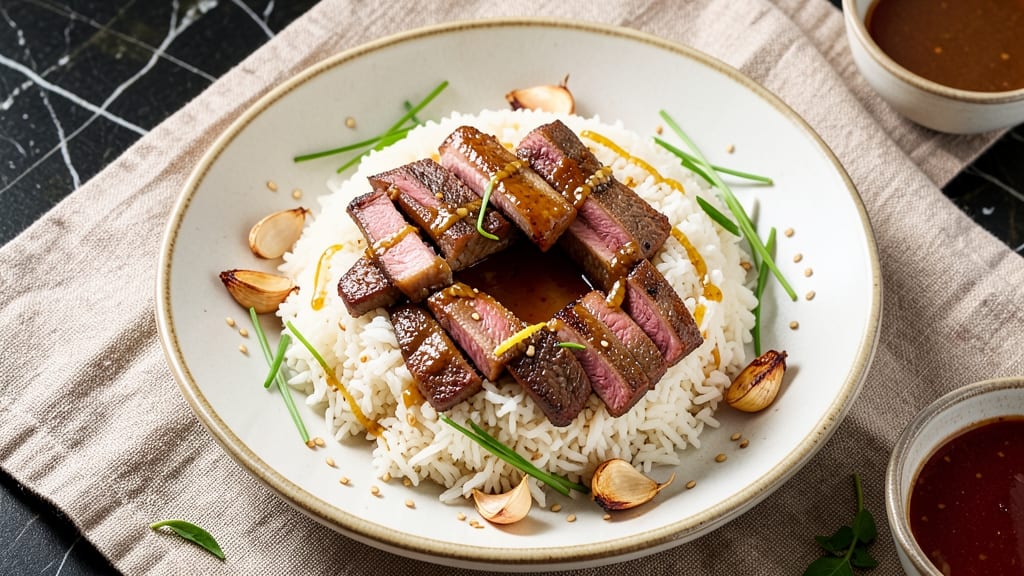
This beef and jasmine rice recipe delivers a fragrant, one-pan dinner that’s ready in just 30 minutes—no takeout needed. The secret lies in perfectly seared beef strips paired with aromatic jasmine rice, cooked together for a cohesive meal that’s both restaurant-worthy and effortless.
I’ve tested countless variations, and this method ensures tender beef with crisp edges and fluffy, fragrant rice in every bite.
The beauty of this recipe is its simplicity: tender beef strips are stir-fried until caramelized, then combined with jasmine rice and a savory broth that infuses flavor throughout. The rice absorbs the beef’s juices, creating a dish where every forkful is balanced—no dry bites here.
High heat and quick cooking preserve the beef’s tenderness while the rice steams to perfection in the same pan.
What you’ll end up with is a dish that’s visually stunning and packed with flavor—golden beef against fragrant, slightly sticky rice, all finished with a sprinkle of green onions for freshness.
It’s the kind of meal that feels indulgent yet requires minimal effort, making it perfect for weeknights or when you crave something satisfying without the fuss.
Serve it as-is for a complete meal, or pair it with steamed vegetables for a well-rounded dinner. The recipe scales easily, so you can double it for leftovers or a crowd. Let’s get cooking!
Ingredients for beef and jasmine rice
Fragrant jasmine rice and perfectly seared beef strips create a restaurant-quality one-pan meal in 30 minutes.
| Ingredient | Amount | Notes |
|---|---|---|
| Flank Steak 🥩 | 1 ½ lb | Thinly sliced against grain |
| Jasmine Rice 🍚 | 1 ½ cups | Uncooked, long-grain preferred |
| Beef Broth 💧 | 2 cups | Low-sodium preferred |
| Soy Sauce 🍶 | ¼ cup | Light or regular |
| Sesame Oil 🫒 | 1 tbsp | Toasted sesame oil |
| Garlic Cloves 🧄 | 4 cloves | Minced finely |
| Fresh Ginger 🌿 | 1 tbsp | Grated finely |
| Green Onions 🧅 | ¼ cup | Sliced thinly |
| Olive Oil 🫒 | 1 tbsp | Extra-virgin preferred |
| Salt 🧂 | 1 ½ tsp | Kosher or sea salt |
| Black Pepper 🌶️ | ½ tsp | Freshly ground |
| White Wine 🍷 | ¼ cup | Dry preferred |
| Fresh Cilantro 🌿 | 0.1 cup | Chopped, optional garnish |
The flank steak is your star—look for cuts with good marbling at Costco or your local butcher. Slicing it thinly against the grain ensures tender bites. Whole Foods often carries pre-sliced flank steak, which saves time. Jasmine rice is non-negotiable here; basmati won’t give you that fragrant, slightly sticky texture. Rinse it before cooking to remove excess starch. For the broth, Swanson or Pacific Foods brands are reliable low-sodium options that won’t overpower the dish.
No sesame oil? Toasted peanut oil works in a pinch, though the flavor will differ. Substitute white wine with an extra splash of beef broth if needed—just add a pinch of sugar to mimic the acidity. Fresh ginger loses potency fast, so grab a small piece and grate only what you need. Pre-minced garlic from jars? Skip it—freshly minced makes all the difference. The green onions add freshness, but if you’re short on time, scallions from a jar (like those at Trader Joe’s) are a decent shortcut.
This dish reheats beautifully—just add a splash of water to the pan and cover. Keeps for 4-5 days in the fridge, though it’s best enjoyed fresh. For leftovers, portion into containers with a sprinkle of black pepper to keep everything vibrant. The rice will dry out faster than the beef, so eat within 2 days for optimal texture. Freezing isn’t recommended as the rice becomes mushy upon thawing.
Why You'll Love This Recipe
- One-Pan Magic: That’s right—just one pan, no fuss. Sear the flank steak, toss in the rice and broth, then let it simmer. By the time the rice is tender, the beef’s falling apart, and the sesame oil adds that golden aroma. No chopping, no mess, no stress.
- Umami Bomb: The combo of soy sauce and beef broth? Chef’s kiss. That deep, savory punch cuts through the rice’s floral notes, while a splash of sesame oil at the end ties it all together. It’s the kind of flavor that makes you reach for seconds without even thinking.
- Weeknight Workhorse: Between us—this is my go-to when I’m exhausted but still need a meal. Double the rice, cook extra beef, and boom: lunch for tomorrow. Or serve it over rice bowls for a crowd. Honestly, it’s the kind of dish that works every time.
- Budget-Friendly Feast: Flank steak stretches far when sliced thin, and jasmine rice fills plates without breaking the bank. A single batch feeds four, and leftovers reheat like a dream. Plus, the ingredients? Most are pantry staples. No guilt, just good food.
Step-by-step instructions for beef and jasmine rice
Master this one-pan technique for perfectly tender beef and fragrant jasmine rice every time.
Slice and Marinate the Flank Steak
Place the 1.5 lb flank steak between two sheets of plastic wrap. Using a sharp knife, slice thinly against the grain into ¼-inch thick strips. This ensures tender bites—flank steak can be tough if sliced with the grain. Transfer the sliced steak to a bowl and add the 0.25 cup soy sauce, 0.25 cup white wine, 1 tbsp sesame oil, 1.5 tsp salt, and 0.5 tsp black pepper. Mix gently to coat evenly, then let marinate for 15-20 minutes at room temperature. This step infuses maximum flavor while keeping the beef tender.
While the steak marinates, measure out the 1.5 cups jasmine rice and rinse it thoroughly under cold water until the water runs clear. This removes excess starch, preventing gummy rice. Drain well and set aside in a separate bowl. The rice should be dry when you're ready to cook—any moisture left will steam the rice instead of toasting it properly.
Sear the Beef and Sauté Aromatics
Heat a large, deep skillet or Dutch oven over medium-high heat until hot. Add the 1 tbsp olive oil and swirl to coat the bottom. Working in batches if needed (to avoid crowding), add the marinated steak strips and sear for 1-2 minutes per side until deep golden brown and just cooked through. The beef should release easily from the pan—if it sticks, your pan isn't hot enough. Transfer the seared beef to a plate and set aside, leaving the rendered juices in the pan.
In the same skillet, reduce heat to medium and add the 4 cloves minced garlic and 1 tbsp grated fresh ginger. Sauté for 30 seconds until fragrant—don't let the garlic burn, or it'll turn bitter. Add the 0.25 cup sliced green onions and cook for another 1 minute until softened. This aromatic base forms the flavor foundation for your dish, so take your time here.
Toast the Rice and Deglaze the Pan
Increase heat to medium-high and add the drained 1.5 cups jasmine rice to the skillet. Stir constantly for 2-3 minutes until the grains turn translucent at the edges and slightly toasted. This toasting step develops nutty flavors in the rice—don't skip it. If the rice starts to stick, reduce heat slightly and add 1 tablespoon of the reserved beef juices from the plate to loosen it.
Pour in the 2 cups beef broth, scraping up any browned bits from the bottom of the pan with a wooden spoon. This deglazing captures all the beefy flavor that would otherwise burn. Bring to a gentle simmer, then stir in the seared beef strips and any accumulated juices from the plate. The liquid should come just to the top of the rice grains—if it's too little, add 1-2 tablespoons of water to ensure proper cooking.
Simmer to Perfect Texture
Cover the skillet tightly with a lid and reduce heat to low. Simmer for 15 minutes without peeking—this steaming time allows the rice to absorb the liquid evenly while keeping the beef tender. After 15 minutes, check the rice: it should be tender but still slightly firm in the center. If it's not done, cover and cook for another 5 minutes. Overcooking turns jasmine rice mushy.
Once the rice is tender, remove the skillet from heat and let it sit covered for 5 minutes. This resting period allows the steam to redistribute, resulting in fluffier rice. Fluff the rice gently with a fork, then taste and adjust seasoning if needed—add a splash of soy sauce or more salt if the dish needs more depth of flavor. The beef should be fork-tender with just a slight resistance, and the rice should be separate and fragrant.
Finish and Serve
Garnish with the 0.1 cup chopped fresh cilantro just before serving. The bright herb adds a fresh contrast to the rich beef and rice. Serve immediately while the rice is hot and the beef is juicy. Each bite should deliver perfectly tender beef with fragrant, individual grains of jasmine rice and a savory-sweet sauce coating everything.
For best results, serve this dish family-style straight from the skillet. The residual heat keeps everything warm while allowing everyone to help themselves. Pair with steamed vegetables or a simple green salad to complete the meal. Leftovers keep well in the refrigerator for 3-4 days, though the rice texture may change slightly upon reheating.
Pro Tips For Making Beef And Jasmine Rice
- SEAR THE STEAK FAST: Get your pan screaming hot—like, smoke-starting hot—before adding the flank steak. I used to take my time here, and the meat would steam instead of sear, ending up gray and tough. Now I crank the heat, add just 1 tablespoon of oil, and let that steak hit the pan with a loud sizzle. Two minutes per side max, then pull it out while it’s still bright red inside.
- SALT THE RICE WATER: The jasmine rice needs salt—don’t skip it. Use about ¾ teaspoon per cup of water, and dissolve it before adding the rice. I learned this the hard way when my rice turned out bland, no matter how much soy sauce I added later. Salt upfront makes the grains pop with flavor, and it’s the thing that actually changes the outcome.
- DON’T OVERCOOK THE BROTH: Simmer the beef broth low and slow—never boil it. Once it starts bubbling hard, you’re killing the depth of flavor, and the rice will end up tasting flat. A gentle simmer (tiny bubbles, maybe 160°F) keeps the broth rich and lets the soy sauce and sesame oil shine when you fold them in later.
- REST THE STEAK RIGHT: As soon as the steak hits the cutting board, tent it with foil and let it sit for 5-10 minutes. I know, I know—you’re hungry now—but slicing it too soon makes it turn into chewy rubber. This short wait keeps it juicy, and the slices stay thick enough to hold up against the rice. Trust the process.
Make-ahead tips for leftovers
Prep Ahead for Efficiency
Slice the 1.5 lb flank steak against the grain and marinate it up to 12 hours ahead—I often do this the night before. Store the marinated beef in an airtight container in the fridge, covered with plastic wrap pressed directly on the surface to prevent drying.
The longer marinating time (up to 24 hours) deepens the flavor without over-tenderizing the meat. 💪
Rice Prep Shortcut
Rinse and drain the 1.5 cups jasmine rice in advance and store it in a dry, sealed container at room temperature for up to 2 days.
This eliminates the last-minute rinsing step while keeping the rice dry—critical for that perfect toasted texture. Just add it straight to the pan when ready to cook.
One-Pan Make-Ahead
Cook the entire dish ahead of time and refrigerate it in the same skillet covered with foil. Reheat by adding 2 tablespoons water to the pan, covering, and simmering on low heat for 10-15 minutes.
The rice may lose some fluffiness but stays delicious. I do this for busy weeknights—just reheat and garnish with fresh cilantro before serving. ⏰
Freezer-Friendly Components
Freeze the cooked beef strips separately (without rice) in single-serving portions for up to 3 months. Thaw overnight in the fridge, then reheat in a skillet with 1 teaspoon soy sauce and 1 teaspoon water over medium heat.
Cook fresh rice when ready to serve—this keeps the texture perfect while giving you flexibility. 🧊
Portion Control Tips
Divide the cooked dish into individual meal prep containers with a layer of plastic wrap pressed directly on the rice surface. This prevents sogginess when stored for 3-4 days.
Add a sprinkle of black pepper before sealing to maintain freshness. I use Glasslock containers because they keep everything vibrant longer than plastic.
Reheating Perfection
For best texture, reheat portions in the microwave with a damp paper towel covering the dish for 90 seconds on 50% power. Stir halfway through to redistribute moisture. Alternatively, use a skillet with 1 tablespoon beef broth per serving to restore that restaurant-quality sheen.
The beef stays tender while the rice reabsorbs just enough liquid to be fluffy. ✨
Nutrition facts
Frequently asked questions
Can I use a different type of rice instead of jasmine?
Jasmine rice is ideal for its fragrant, slightly sticky texture, but you can substitute with long-grain white rice or basmati rice in a pinch. Avoid short-grain rice like sushi rice—it becomes too mushy. For best results, rinse your substitute rice thoroughly to remove excess starch, which helps prevent gummy texture.
How do I keep the beef tender when cooking?
Slice the flank steak thinly against the grain (¼-inch strips) and marinate for at least 15 minutes—this breaks down tough fibers. Cook over medium-high heat for only 1-2 minutes per side until just browned, then remove from heat immediately. Overcooking turns beef tough, so use a meat thermometer to aim for 145°F internal temperature.
What if I don’t have white wine?
Replace the ¼ cup white wine with an extra ¼ cup beef broth plus ½ teaspoon sugar to mimic acidity. For deeper flavor, add 1 teaspoon apple cider vinegar or 1 teaspoon lemon juice—this brightens the dish without altering the cooking process. The dish will still be delicious, though slightly less complex.
Can I make this dish in an Instant Pot?
Yes! Sear the beef first in a separate pan, then transfer it to the Instant Pot with the rice, broth, and aromatics. Cook on high pressure for 5 minutes, then quick-release. The rice may be slightly less toasted, but the beef stays tender and the flavors meld beautifully. Adjust liquid to 1 cup (instead of 2 cups) to prevent mushiness.
Why did my rice turn out mushy?
Mushy rice usually happens from overcooking or too much liquid. Jasmine rice needs 15 minutes covered on low heat—no peeking! If the broth level exceeds the rice by more than ¼ inch, drain excess after simmering. Also, ensure you rinsed the rice thoroughly to remove excess starch, which causes stickiness.