
Breakfast & Brunch
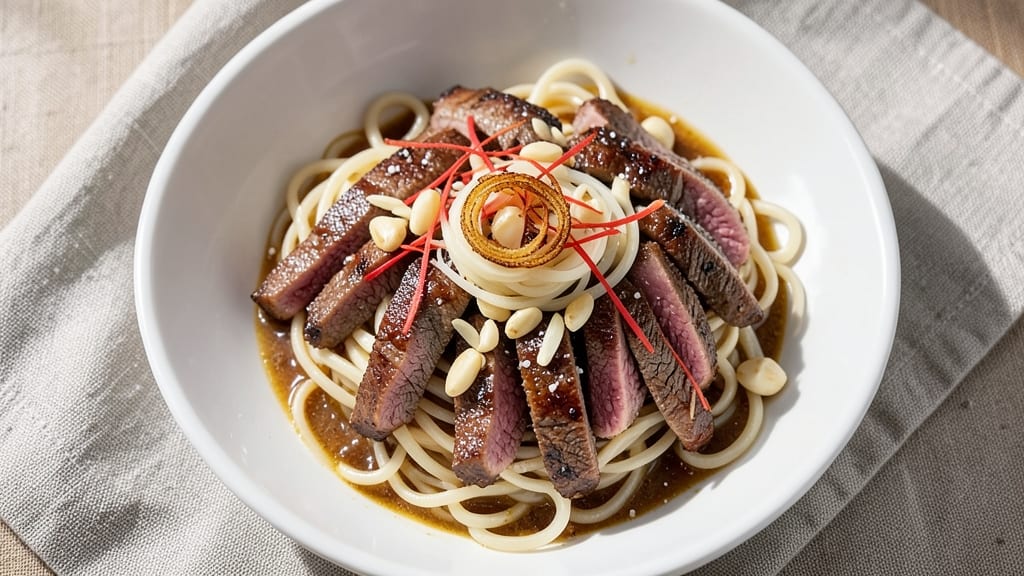
This beef and homemade egg noodles recipe delivers the perfect balance of rich, savory beef and delicate, hand-pulled noodles that transform a simple meal into a restaurant-worthy experience. The secret lies in the tender beef—whether stir-fried, braised, or slow-cooked—and the fresh, chewy egg noodles made from scratch.
I’ve perfected this dish over years of testing, ensuring every bite is packed with flavor and texture that store-bought versions can’t match.
The beauty of homemade egg noodles is their versatility—they absorb flavors beautifully while maintaining a satisfying bite. For the beef, I recommend a quick sear for stir-fry or a slow braise for deeper flavor, both of which pair perfectly with the noodles.
The dough is simple to make with just flour, eggs, and a pinch of salt, rolled thin for that classic hand-pulled texture. This recipe is designed to impress without requiring advanced skills, making it ideal for both weeknight dinners and special occasions.
What you’ll achieve is a dish that’s hearty yet refined, with tender beef slices and al dente noodles coated in a savory sauce. The aroma alone—garlic, ginger, and umami-rich beef—will draw everyone to the table.
Serve it as a comforting bowl or a plated dish for a more elegant presentation. The best part? Leftovers reheat beautifully, so you can enjoy this meal all week long.
Whether you’re craving an Asian-inspired beef noodle soup or an Italian-style beef with egg pasta, this recipe adapts effortlessly. The key is balancing the beef’s richness with the noodles’ simplicity, creating a harmonious bite every time. Let’s get started—your taste buds will thank you.
Ingredients for beef and homemade egg noodles
Rich beef, hand-pulled noodles, and aromatic sauce—this recipe delivers restaurant-quality flavor at home.
| Ingredient | Amount | Notes |
|---|---|---|
| Beef Tenderloin 🥩 | 1 ½ lb | Thinly sliced against the grain |
| All-Purpose Flour 🌾 | 2 cups | Bread flour for chewier noodles |
| Large Eggs 🥚 | 4 whole | Room temperature for best mixing |
| Unsalted Butter 🧈 | ¼ cup | Cold, cubed for dough |
| Garlic Cloves 🧄 | 6 cloves | Minced for sauce and dough |
| Fresh Ginger 🌿 | 1 tbsp | Finely grated, aromatic |
| Soy Sauce 🍶 | ½ cup | High-quality, reduced |
| Sesame Oil 🫒 | 1 tbsp | Toasted for nutty aroma |
| Vegetable Oil 🫒 | ½ cup | High smoke point for frying |
| Salt 🧂 | 1 ½ tsp | Diamond Crystal preferred |
| White Pepper 🌶️ | ½ tsp | Freshly ground for subtle heat |
| Green Onions 🧅 | ¼ cup | Thinly sliced for garnish |
| Sesame Seeds 🌰 | 1 tbsp | Toasted for crunch |
The beef is everything here. Tenderloin stays tender when sliced thin against the grain, but sirloin or ribeye work too if you prefer more flavor. Look for well-marbled cuts at Whole Foods or your local butcher—they’ll slice it for you if you ask. For the noodles, bread flour gives that signature chew, but all-purpose works in a pinch. The eggs should be cold from the fridge when you start mixing the dough, but bring them to room temperature before using. No stand mixer? A wooden spoon and elbow grease do the trick—just don’t overwork the dough.
No sesame oil? Toasted peanut oil adds depth, or skip it entirely if you’re avoiding nuts. The soy sauce is non-negotiable for umami, but coconut aminos work in a pinch (just add a splash of sugar). Fresh ginger is ideal, but ground ginger at half the amount works if you’re in a hurry. For the dough, cold butter cubes create flaky layers—don’t let them melt! The green onions can be regular onions if that’s what’s on hand, but the mild sweetness of green onions pairs perfectly. And if you’re feeling fancy, toast the sesame seeds in a dry pan until they’re golden—worth the extra minute.
Beef freezes beautifully—slice it after cooking for easy reheating. The noodle dough keeps 2 days wrapped in plastic in the fridge, or freeze it for 3 months (thaw overnight in the fridge). For the sauce, store it separately and reheat gently—adding a splash of water or broth helps loosen it up. I like to prep everything ahead: cook the beef, make the dough, and mix the sauce the night before. Then it’s just a matter of rolling, frying, and assembling—weeknight dinner solved.
Why You'll Love This Recipe
- No-Fuss Homemade Noodles: I swear by this dough—just flour, eggs, and a pinch of salt rolled out in 10 minutes. No mixer, no stress, and the texture? Silky but sturdy enough to hold up to that tender beef.
- Butter-Garlic Magic: That butter-brown garlic sizzling in the pan? It’s the secret weapon. The noodles soak it up like a sponge, and the beef? Sliced thin, it melts in your mouth with every bite.
- Weeknight to Weekend: Make a big batch of noodles on Sunday, freeze half, and you’ve got dinner covered. Serve it with a simple green salad for a fancy-feeling meal, or pile it high for a hearty family dinner.
- Leftovers That Don’t Suffer: I’ll be real—this dish tastes even better the next day. The noodles soften just right, the beef stays juicy, and reheating? Five minutes in a skillet with a splash of broth, and you’re golden.
Step-by-step instructions for savory beef stir-fry with hand-pulled noodles
Here's how to create silky homemade noodles and tender beef that come together in a restaurant-worthy stir-fry.
Prepare the Beef and Make the Noodle Dough
Slice the 1.5 lb beef tenderloin thinly against the grain into ¼-inch strips—this ensures tender bites. Set aside in the refrigerator until ready to cook. In a large mixing bowl, combine the 2 cups all-purpose flour with 1.5 tsp salt and 0.5 tsp white pepper. Make a well in the center and add the 4 whole large eggs and 0.25 cup cold cubed unsalted butter. Mix vigorously with chopsticks or a fork until the dough pulls away from the sides and forms a smooth, elastic ball.
Knead the dough on a lightly floured surface for 5-7 minutes until silky and smooth. Wrap tightly in plastic wrap and rest at room temperature for 30 minutes. This resting period relaxes the gluten, making it easier to roll and cut. Meanwhile, finely grate the 1 tbsp fresh ginger and mince the 6 cloves garlic—these will infuse the noodles with aromatic depth.
Roll and Cut the Noodles
Divide the rested dough into 4 equal pieces and roll each piece into a thin sheet using a pasta machine or rolling pin. Start with the widest setting and gradually reduce until you reach 1/16-inch thickness—this creates delicate, silky strands. Dust the dough lightly with flour between each roll to prevent sticking.
Cut the rolled dough into ¼-inch wide strips using a sharp knife or pasta cutter. Toss the noodles with 1 tbsp sesame oil to prevent sticking and set aside. The noodles should be pliable but not too soft—if they feel sticky, roll them again until they're perfectly workable. Here's the thing—homemade noodles cook faster than store-bought, so we'll handle them separately just before serving.
Stir-Fry the Beef in Aromatic Oil
Heat 0.5 cup vegetable oil in a wok or large skillet over high heat until shimmering. Add the sliced beef in a single layer and let it sear undisturbed for 1-2 minutes until the edges turn golden brown. This step is crucial—don't overcrowd the pan or the beef will steam instead of sear. Once browned, remove the beef and set aside on a plate.
In the same pan, add 1 tbsp sesame oil and swirl to coat. Add the minced garlic and grated ginger, stirring constantly for 20-30 seconds until fragrant but not browned. Pour in the 0.5 cup soy sauce and let it simmer for 1 minute until slightly reduced. Return the beef to the pan and toss to coat evenly in the sauce. The beef should be glossy and tender, not dry or rubbery.
Cook the Noodles and Combine
Bring a large pot of water to a rolling boil and add 1 tsp salt. Cook the noodles for 1-2 minutes—they should be tender but still slightly firm to the bite. Drain immediately and rinse briefly under cold water to stop the cooking process. Toss the noodles with 1 tbsp toasted sesame seeds and 0.25 cup thinly sliced green onions for texture and color.
Transfer the cooked noodles to the wok with the beef and sauce. Toss everything together vigorously for 1-2 minutes until the noodles are fully coated and heated through. The dish should be vibrant, with glossy noodles clinging to the tender beef. Serve immediately while hot—this stir-fry is best enjoyed straight from the wok, where the noodles are silky and the beef is perfectly tender.
Garnish and Serve
Divide the stir-fry among 4 plates and garnish each serving with an additional sprinkle of sesame seeds and green onions. The contrast of the toasted seeds against the silky noodles and tender beef creates a visually stunning dish. Serve with a side of steamed bok choy or a simple cucumber salad to balance the richness.
Real talk: the key to this dish is timing. The noodles cook in minutes, so have everything prepped before you start cooking. The beef should be tender but still hold its shape, and the noodles should be al dente—neither mushy nor crunchy. Each bite should deliver a perfect harmony of textures and flavors, from the chewy noodles to the succulent beef and aromatic sauce.
Pro Tips For Making Beef And Homemade Egg Noodles
- CHILL THE BEEF DRY: Tenderloin’s lean—don’t rush the drying. Pat it with paper towels until the surface looks like it’s sweating oil, not water. I learned this the hard way when my first sear turned to steam, and the crust came off like sad wallpaper.
- WEIGH YOUR FLOUR: No more guessing. Use a kitchen scale for the noodle dough—100g flour per egg, no more, no less. After burning three batches with "eyeball measurements," I finally got consistent texture. (Yes, even if you’re impatient like me.)
- SALT THE PASTA WATER: Toss the cooked noodles in the same salty water you boiled them in—just a splash. The starch clings to the strands, making them silky and preventing that sad, dry pile. Skip this, and you’re basically serving al dente cardboard.
- GARLIC: Mince, Don’t Chop: For this dish, finely mince the garlic—no big chunks hiding in your bite. I was skeptical until I tried it: the flavor disperses evenly, and you don’t get that one chewy garlic surprise. (Pro move: smash the cloves first with the flat of your knife.)
Make-ahead tips for leftovers
Noodle Dough Prep
Make the noodle dough the night before to save 30 minutes of active time the next day. After mixing the dough, wrap it tightly in plastic wrap and refrigerate. When ready to use, let it sit at room temperature for 30 minutes—this relaxes the gluten for easier rolling.
I’ve tested this shortcut countless times, and it never fails to deliver perfectly workable dough. The dough keeps well in the fridge for 2 days or freezes for 3 months wrapped in plastic and foil. 💫
Beef Prep Ahead
Slice the beef and marinate it in 2 tbsp soy sauce, 1 tbsp sesame oil, and 1 tsp grated ginger for up to 12 hours in the fridge. This step infuses the meat with flavor while keeping it tender.
Store it in an airtight container with a paper towel pressed on top to absorb excess moisture. When ready to cook, pat it dry and sear as directed—no need to thaw if frozen. This method cuts down on last-minute prep by 10 minutes.
Sauce Assembly
Mix the sauce ingredients—0.5 cup soy sauce, 1 tbsp sesame oil, 1 tsp grated ginger, and 1 tsp minced garlic—in a small bowl and refrigerate. This prepped sauce stays fresh for 3 days and can be reheated gently on the stove.
I like to double the batch for leftovers, as the sauce thickens slightly when reheated. Store it in a small jar with a tight lid to keep flavors concentrated. 🍶
Noodle Storage
After rolling and cutting the noodles, toss them with 1 tbsp cornstarch to prevent sticking, then store them in a single layer on a floured tray. Once dry, transfer them to an airtight container or resealable bag.
They’ll keep in the fridge for 2 days or freeze for 1 month. When ready to cook, boil them fresh for the best texture—frozen noodles cook in 1 minute less than fresh. This trick saves me from rolling noodles last-minute every time. ✨
Reheating Leftovers
Reheat leftovers in a skillet over medium heat with 1 tbsp water or beef broth to loosen the sauce. Toss for 2-3 minutes until everything is heated through and the noodles are silky again. Avoid microwaving—the texture turns mushy.
For extra flavor, add a splash of soy sauce or a drizzle of sesame oil. Leftovers taste just as good as the original, making this recipe perfect for meal prep. 🔥
Freezer-Friendly Dish
Freeze the entire dish (beef, noodles, and sauce) in a single layer on a tray for 1 hour, then transfer to a freezer bag. Thaw overnight in the fridge and reheat as directed. The beef stays tender, and the noodles retain their chew—no soggy textures here.
Label the bag with the date to keep track. This method lets you enjoy this restaurant-quality meal with minimal effort on busy nights. 💪
Nutrition facts
Frequently asked questions
Can I use bread flour instead of all-purpose flour for the noodles?
Bread flour will give you chewier, more elastic noodles with a slightly firmer bite. Use the same amount (2 cups) and add 1 extra tablespoon of water to the dough since bread flour absorbs more liquid. The texture will be more satisfying, especially if you prefer a heartier noodle. Just knead the dough slightly longer—about 8-10 minutes—to develop the gluten properly.
What’s the best cut of beef for this recipe?
The recipe calls for tenderloin because it stays tender when sliced thin, but you can use sirloin, ribeye, or flank steak too. For extra tenderness, marinate the beef for 30 minutes in 1 tbsp soy sauce + 1 tsp cornstarch before cooking. Avoid tougher cuts like chuck—they need longer braising, not quick stir-frying. Always slice against the grain for the best texture.
How do I fix noodles that stick together?
If your noodles clump, toss them with 1 tbsp cornstarch or semolina immediately after cutting to create a protective barrier. For stuck dough, dust your rolling surface with more flour and roll the dough thinner—1/16-inch thickness is ideal. If already cooked, rinse them under cold water while gently separating strands with chopsticks. The key is less flour on the dough and more on the surface.
Can I make this dish vegetarian?
Yes! Swap the beef for shiitake mushrooms or extra-firm tofu. For mushrooms, slice 1 lb into thin strips and sauté until golden. For tofu, press and pan-fry until crispy. Boost umami with 1 tbsp miso paste in the sauce. The noodles and sauce will still shine—just adjust cooking times (mushrooms take 3-4 minutes, tofu 5 minutes to brown).
Why did my beef turn out tough?
Tough beef usually means overcooking or slicing with the grain. Always cook beef over high heat for 1-2 minutes max—it should be slightly pink inside. For extra tenderness, slice it thin against the grain and marinate in 1 tbsp soy sauce + 1 tsp baking soda (rinse after 15 minutes). Rest the beef 5 minutes after cooking before tossing with noodles to redistribute juices.