
Soups & Stews
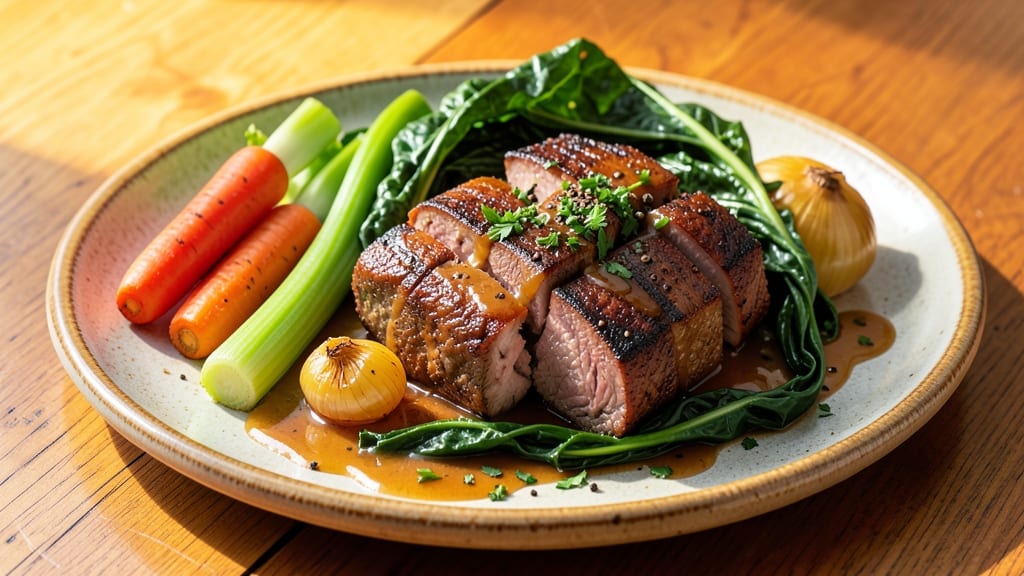
This beef and greens recipe transforms tough cuts into melt-in-your-mouth tenderness while preserving the crisp, vibrant crunch of collard greens. The secret lies in slow-simmering the beef until fork-tender, then finishing with a quick sauté of greens that maintains their texture.
I developed this method after years of perfecting the balance between rich, savory beef and bright, slightly bitter greens - a combination that feels both comforting and sophisticated.
The process begins with searing beef chucks in a Dutch oven to develop deep, caramelized flavors before adding aromatic vegetables and a carefully measured blend of spices. As it simmers, the beef absorbs the rich, herby broth while remaining juicy.
The greens enter only at the very end, where they wilt just enough to soften without losing their signature crunch. This foolproof technique ensures every bite delivers both hearty satisfaction and freshness.
What you'll achieve is a complete meal that's restaurant-quality at home - tender beef that falls apart with gentle forks, collard greens with perfect texture, and a sauce that's rich yet balanced.
The dish pairs beautifully with cornbread or crusty bread to soak up every last drop of that flavorful broth. This recipe serves 6 generously and tastes even better the next day, making it ideal for meal prep.
For those who prefer a lighter touch, you can reduce the cooking time slightly for a quicker version, though the full slow-cooked method yields the most tender beef.
The greens can be swapped for kale or spinach if collards aren't available, though the traditional collards provide that signature texture and flavor. This dish represents the perfect harmony between comfort food and refined technique.
Ingredients for beef and greens
Sixteen ingredients transform tough beef into melt-in-your-mouth tenderness paired with vibrant collard greens.
| Ingredient | Amount | Notes |
|---|---|---|
| Beef Chuck Roast 🥩 | 2 ½ lb | Cut into 1.5-inch cubes |
| Yellow Onion 🧅 | 1 whole | Large, chopped into wedges |
| Carrots 🥕 | 4 medium | Whole, cut into 2-inch pieces |
| Celery Stalks 🌿 | 3 whole | Cut into 2-inch pieces |
| Garlic Cloves 🧄 | 6 cloves | Smash with side of knife |
| Collard Greens 🍃 | 1 lb | Stems removed, chopped |
| Dried Thyme 🌿 | 1 tbsp | Or 1 tbsp fresh thyme leaves |
| Ground Black Pepper 🌶️ | 1 ½ tsp | Freshly cracked |
| Kosher Salt 🧂 | 1 ½ tsp | Diamond Crystal preferred |
| Beef Broth 💧 | 4 cups | Low-sodium preferred |
| Red Wine 🍷 | 1 cup | Bold dry variety like Cabernet |
| Olive Oil 🫒 | 2 tbsp | Extra-virgin for finishing |
| Red Pepper Flakes 🌶️ | ½ tsp | Optional for heat |
| Fresh Parsley 🌿 | ¼ cup | Chopped for garnish |
The beef cut is everything here—chuck roast delivers that perfect melt-in-your-mouth texture, while sirloin or ribeye would stay too tough. Look for well-marbled chuck at Whole Foods or your local butcher shop; the fat melts during cooking and keeps the meat juicy. For the greens, collard greens are ideal, but kale or spinach work in a pinch. Just avoid pre-washed bags—they wilt faster. The broth should be low-sodium to let the beef's natural flavors shine, and Kirkland Signature or Pacific Foods are my go-to brands for quality.
No red wine? Dry white wine or extra beef broth works just fine—just add a splash of vinegar for acidity. Fresh thyme is ideal, but dried at one-third the amount gets you close. The carrots and celery are just flavor anchors—swap in parsnips or fennel if you're feeling adventurous. For the greens, chop stems separately and cook them first if you want to use every bit. The key is timing: greens go in only at the very end to maintain that signature crunch. If you're short on time, pre-cut the beef and veggies the night before—saves 15 minutes of chopping.
This dish tastes even better the next day, so make extra if you can. Store leftovers in the fridge for 4-5 days or freeze for 3 months—the flavors deepen over time. For reheating, add a splash of broth or water to prevent drying. The greens can be prepped ahead too: wash, dry, and store in a sealed bag in the fridge for up to 3 days. If you're meal prepping, portion the beef and sauce separately from the greens—reheat them together for the best texture. The dish pairs perfectly with cornbread or crusty bread to soak up every last drop of that rich broth.
Why You'll Love This Recipe
- One-Pot Magic: I swear by this—just toss everything in one pot, walk away, and come back to tender beef and caramelized veggies that taste like you slaved over them. The onions and celery soften into sweet, jammy bits while the beef melts like butter, and honestly? The cleanup is nonexistent.
- Deep, Savory Richness: That chuck roast? It’s the star—slow-cooked until it falls apart, so every bite is juicy and packed with beefy flavor. The garlic and carrots add this perfect balance of sweetness and depth, and the greens (whatever you use) just soak up all that delicious broth. It’s the kind of meal that makes you close your eyes and sigh.
- Leftovers That Beg for More: Between us, this recipe always makes more than we need. The second day is just as good—reheat the beef and veggies with a splash of broth, and suddenly it’s a hearty lunch or a quick dinner. My kids actually ask for leftovers, which is basically a miracle in this house.
- Budget-Friendly Powerhouse: You’re getting a whole roast for not much money, and the veggies stretch the meal into something filling and nutritious. I’ll be real: this is how I feed my family without breaking the bank, and it still feels like a special meal. Plus, the carrots and celery last forever, so I’m not scrambling for last-minute grocery runs.
Step-by-step instructions for slow-simmered beef and greens
Create restaurant-quality depth with this method—rich beef, tender vegetables, and perfectly wilted collards.
Sear the Beef Chuck Roast
Heat a large Dutch oven over medium-high heat until very hot. Add 2 tablespoons olive oil and swirl to coat the bottom. Working in batches (you may need two turns), add the 2.5 lb beef chuck roast cut into 1.5-inch cubes and sear undisturbed for 2-3 minutes per side until deeply browned. This creates the Maillard reaction that builds flavor.
Don't crowd the pan—this prevents the temperature from dropping and ensures a proper sear. Once all beef is browned, transfer it to a plate. You'll want to keep it warm while you build the base, so I like to tent it loosely with foil. The beef should have a rich, caramelized crust by now—this is your flavor foundation.
Build the Flavor Base
In the same Dutch oven, add the 1 whole yellow onion chopped into wedges, 4 medium carrots cut into 2-inch pieces, and 3 whole celery stalks cut into 2-inch pieces. Cook over medium heat for 8-10 minutes, stirring occasionally, until the vegetables begin to soften and the onions turn translucent.
Add the 6 cloves smashed garlic and 1 tablespoon dried thyme, stirring for 1 minute until fragrant. This aromatic trio forms the backbone of your dish. Pour in the 1 cup red wine and scrape up any browned bits from the bottom of the pot—these contain concentrated flavor. Let the wine simmer for 3-4 minutes until reduced by half.
Simmer the Beef and Vegetables
Return the seared beef to the pot along with the 4 cups beef broth. Stir in the 1.5 teaspoons kosher salt and 1.5 teaspoons ground black pepper. Bring to a gentle simmer over medium-low heat, then reduce heat to maintain a barely perceptible bubble. Cover partially with a lid and let it cook for 1 hour 30 minutes.
Here's where patience pays off—the beef needs time to become fork-tender. Check occasionally and add ½ cup water if the liquid reduces too much. You want the beef to be so tender it practically falls apart when pierced with a fork. The vegetables should be soft but still holding their shape, not mushy.
Wilt the Collard Greens
While the beef simmers, prepare the 1 lb collard greens by removing stems and chopping the leaves into 1-inch pieces. When the beef is nearly done (after about 1 hour 15 minutes of cooking), add the collard greens to the pot. Stir gently to distribute them evenly through the liquid.
Simmer uncovered for 10-15 minutes until the collards are wilted but still retain a slight crunch. They should look vibrant green and tender-crisp, not limp. The high heat at the end helps remove excess moisture while preserving texture. If the liquid reduces too quickly, add ¼ cup water to maintain a light simmer.
Finish and Serve
Once the collards are perfect, stir in the 0.5 teaspoon red pepper flakes (if using) and taste for seasoning. Adjust salt if needed—this is your final chance to balance flavors. Remove from heat and let the stew rest for 5 minutes before serving. This resting period allows flavors to meld and the collards to absorb the rich beef broth.
Ladle the beef and greens into bowls, garnishing each serving with 1 tablespoon chopped fresh parsley. The dish should have a deep red hue from the wine and beef, with tender beef cubes, soft vegetables, and vibrant collards that still offer a satisfying bite. Serve with crusty bread to soak up the flavorful broth.
Pro Tips For Making Beef And Greens
- Sear the Chuck Hard: The beef chuck roast won’t melt in your mouth if you don’t start with a deep, brown crust. Hit it with high heat for 4-5 minutes per side—yes, even if it looks uneven—before adding liquid. I learned this the hard way when my first batch tasted like it was simmered in broth, not caramelized.
- Slice Celery Thinly: Thinly sliced celery (about 1/8-inch) cooks faster and blends into the sauce better than thick chunks. Use a mandoline if you’re impatient, but a sharp knife works too—just angle it and rock back and forth. Thick celery turns mushy and ruins the texture.
- Don’t Crowd the Pot: If you dump all the veggies in at once, your onions and carrots will steam instead of soften. Brown the onions and celery in batches—2-3 minutes per group—before adding the rest. This keeps them crisp-tender, not soggy.
- Deglaze with Wine First: Skip the water and use a splash of red wine (or even beef broth) to scrape up the browned bits stuck to the pot. The flavor difference is night and day—those bits hold all the meaty goodness. Add it right after searing, then reduce by half before adding the rest of the liquid.
Troubleshooting great beef and greens
Greens Too Mushy
If your collard greens turn into a sad, limp pile instead of maintaining that perfect tender-crisp texture, you likely overcooked them. The key is timing—add them only when the beef has 15 minutes of cooking left, then simmer uncovered for just 10-12 minutes.
For extra insurance, chop them into ½-inch pieces instead of 1-inch chunks. This increases surface area so they wilt faster without losing structure. 💫
Beef Not Tender Enough
Tough beef usually means you rushed the cooking process. Chuck roast needs at least 2 hours of simmering at 200°F to break down properly.
If you're short on time, try the braising method: Sear the beef first, then cover it completely with liquid (broth + wine) and cook at 325°F for 3 hours. A meat thermometer is your best friend here—aim for 203°F internal temperature.
Broth Too Thin or Watery
A thin broth often happens when you didn't sear the beef properly or added too much liquid. First, always brown the beef deeply in batches to build flavor. If it's still too thin, reduce the heat to low and simmer uncovered for 15-20 minutes to thicken naturally.
For an instant fix, mix 1 tablespoon cornstarch with 2 tablespoons cold water, stir into the pot, and simmer for 2 minutes until thickened. 🔥
Greens Too Bitter
Collard greens can taste bitter if they're overcooked or if you used old leaves. Always choose fresh, young greens with vibrant color. To reduce bitterness, blanch them first: Boil for 2 minutes, then shock in ice water before adding to the pot.
For extra flavor balance, add 1 teaspoon sugar or ½ teaspoon baking soda (dissolved in water) to the pot when you add the greens. Taste test as you go!
Meat Too Dry After Cooking
Overcooked or dried-out beef usually means the pot was uncovered for too long or the heat was too high. Always cover partially when simmering and maintain a gentle bubble—not a rolling boil. After cooking, tent the pot loosely with foil and let it rest for 10 minutes before serving.
If it's still dry, add 2 tablespoons beef broth and simmer for 5 minutes to rehydrate the meat slightly.
Flavor Too Mild
If your beef and greens lack depth, you likely skipped the browning step or didn't deglaze properly. Always sear the beef until deeply browned, then scrape up all the browned bits from the bottom of the pot when adding wine.
For extra umami, add 1 teaspoon soy sauce or ½ teaspoon fish sauce when you add the greens. A pinch of smoked paprika also adds complexity without overpowering. 💡
Nutrition facts
Frequently asked questions
Can I substitute collard greens with another type?
While collards provide that signature texture, you can use kale, spinach, or Swiss chard instead. Just remember that kale and Swiss chard have thicker stems—remove them first or cook them separately for 5 minutes before adding the leaves. Spinach wilts fastest, so add it only 5 minutes before serving to avoid mushiness.
How do I make this recipe faster without sacrificing tenderness?
For a quicker version, use a pressure cooker instead of simmering. Sear the beef as directed, then add all ingredients (including greens) and cook on high pressure for 30 minutes. Release pressure naturally, then adjust seasoning. Alternatively, use a slow cooker on low for 6-7 hours—just add greens in the last 30 minutes to preserve texture.
What's the best way to reheat leftovers?
Reheat gently to avoid drying out the beef or turning greens mushy. Place leftovers in a pot with 2 tablespoons beef broth and simmer on low heat for 10-15 minutes, stirring occasionally. For microwave reheating, cover with a damp paper towel and heat in 30-second intervals, stirring between each. The broth helps maintain moisture and flavor.
Can I make this dish in a Dutch oven on a grill?
Yes! Preheat your grill to medium-high (400°F) and place the Dutch oven directly on the grates. Sear the beef as usual, then move the pot to a cooler part of the grill (or use indirect heat). Cover and cook for 1 hour 30 minutes, checking occasionally. Add greens in the last 15 minutes and finish on the grill's direct heat for 5 minutes to wilt them. The smoky grill flavor adds a delicious twist!
Why does my beef turn out tough sometimes?
Tough beef usually happens when it's not cooked long enough or at the right temperature. Chuck roast needs at least 2 hours of simmering at 200°F to break down properly. Always use a meat thermometer—aim for 203°F internal temperature. If you're short on time, try the braising method: Sear the beef, then cover it completely with liquid and cook at 325°F for 3 hours.