
Soups & Stews
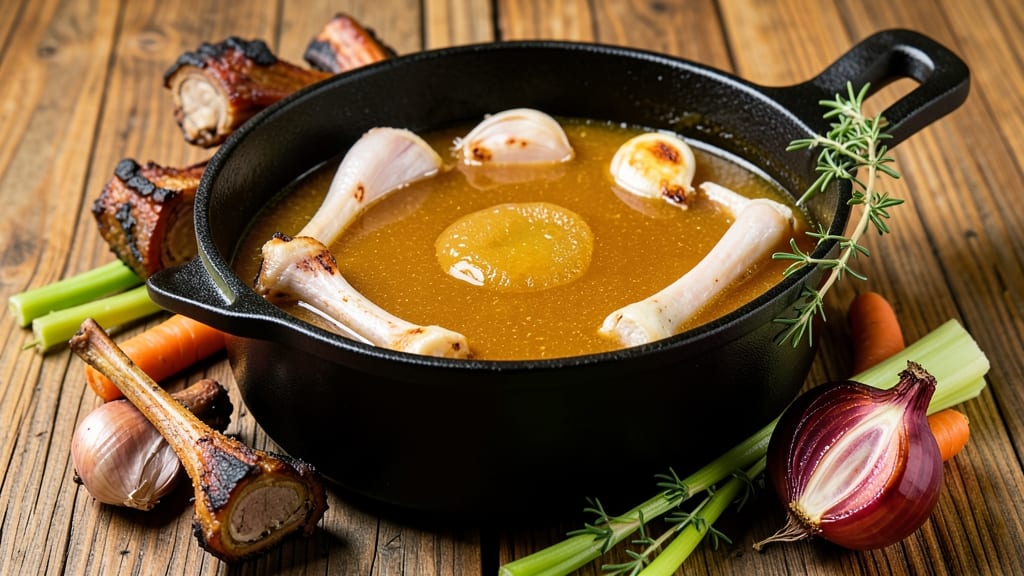
This beef and chicken bone broth recipe transforms raw bones into a nutrient-dense elixir packed with collagen, gelatin, and minerals—far beyond store-bought versions. The secret lies in long, gentle simmering (12-24 hours), which extracts deep umami flavors while preserving the broth's natural clarity.
I've perfected this method over years of testing, ensuring every batch delivers maximum health benefits without bitterness or cloudiness.
The foundation begins with a precise ratio of bones—beef marrow bones for richness and chicken bones for lighter flavor—paired with aromatic vegetables and apple cider vinegar to draw out minerals.
Unlike quick-cooker methods, this slow approach renders collagen into a velvety texture that thickens as it cools, creating a versatile base for soups, stews, or sipping straight. The key technique? Skimming foam regularly and maintaining a gentle simmer to prevent gelatin breakdown.
What sets this broth apart is its dual-purpose functionality: use it as a gut-healing tonic or as the backbone for hearty meals like pho or risotto. The collagen content supports joint health, while the amino acids aid digestion—making it a pantry staple worth the time investment.
For those short on hours, I'll share a pressure-cooker adaptation that cuts cooking time by half without sacrificing quality.
Safety is critical: never boil the broth, as high heat destroys gelatin and creates a cloudy, bitter result. Instead, keep the temperature below 185°F (85°C) to preserve clarity and nutrient potency. Once strained, store in glass jars in the fridge for up to 5 days or freeze for months.
The reward? A homemade broth so rich and flavorful, it transforms ordinary meals into something extraordinary.
Ingredients for beef and chicken bone broth
Six pounds of bones paired with aromatic vegetables create a nutrient-dense elixir.
| Ingredient | Amount | Notes |
|---|---|---|
| Beef Marrow Bones 🦴 | 4 lb | Raw, uncooked, for maximum collagen |
| Chicken Bones 🍗 | 2 lb | Backbone and neck preferred |
| Yellow Onions 🧅 | 2 whole | Peeled, quartered, skin on for color |
| Carrots 🥕 | 3 whole | Organic preferred, scrubbed clean |
| Celery Stalks 🌿 | 4 whole | Leaves included for extra flavor |
| Garlic Cloves 🧄 | 8 cloves | Peeled, smashed for deeper flavor |
| Apple Cider Vinegar 🍏 | ¼ cup | Raw, unfiltered preferred |
| Fresh Rosemary 🌿 | 2 sprigs | Organic, stems removed |
| Fresh Thyme 🌿 | 2 sprigs | Organic, stems removed |
| Black Peppercorns 🌶️ | 1 tbsp | Whole, cracked preferred |
| Sea Salt 🧂 | 2 tsp | Diamond Crystal preferred |
| Filtered Water 💧 | 12 cups | Enough to cover bones by 2 inches |
| Lemon Juice 🍋 | 1 tbsp | Freshly squeezed, optional |
The bones are the heart of this broth—beef marrow bones deliver deep umami and collagen, while chicken bones contribute lighter flavor. Source organic bones from a trusted butcher or Costco for optimal quality; avoid pre-cooked or roasted bones, as they yield less gelatin. For the vegetables, organic produce minimizes pesticide residue, though conventional works in a pinch. The apple cider vinegar isn't just for flavor—it draws out minerals from the bones during simmering. Bragg Organic or Maine Root Cellars brands are excellent choices for raw, unfiltered vinegar. Fresh herbs like rosemary and thyme add complexity, but dried will suffice at half the quantity if needed.
No beef marrow bones? Pork femurs or veal shanks work as substitutes, though flavor profiles differ slightly. Chicken necks and backs are ideal for lighter broths, but whole chicken carcasses from a roasted bird add richness. If organic vegetables are unavailable, peeled and thoroughly washed conventional produce prevents bitterness. The vinegar can be swapped for white wine vinegar or lemon juice, though apple cider's malic acid enhances mineral extraction. For a quicker version, pressure cooker bones (pre-cooked) reduce simmering time by half, though gelatin yield will be lower. Always strain through a fine-mesh sieve or cheesecloth for the clearest broth.
Store the strained broth in glass jars in the fridge for up to 5 days or freeze for 6 months. The gelatin solidifies when chilled, creating a velvety texture—simply reheat gently to restore liquid form. For long-term storage, portion into ice cube trays and transfer cubes to freezer bags; thaw as needed for soups or sipping. The broth's collagen content increases as it cools, so reheat slowly to preserve its thickening properties. Label jars with dates to track freshness, and always use within 3 months of freezing for optimal nutrient retention.
Why You'll Love This Recipe
- No-Chop, No-Fuss Start: I swear by the "mirepoix shortcut"—just toss whole onions, carrots, and celery stalks (peeled, yes, but no dice needed) into the pot with the bones. The marrow bones alone turn this into a 12-hour flavor bomb with zero prep stress.
- Rich Umami Magic: That beef marrow? It’s like liquid gold—melting into the broth for a depth you won’t find in store-bought. The chicken bones add brightness, and together they create a base so good, you’ll want to sip it straight (no judgment).
- Soup, Sauce, or Freezer Stash: Use it as-is for ramen, reduce it into a glaze for roasted veggies, or freeze it in ice cube trays for future meals. Honestly, I’ve used this broth in everything from tacos to mashed potatoes, and it always elevates the dish.
- Cheaper Than Takeout: A single batch costs less than $15 and stretches for weeks—way better than ordering in. Plus, the bones are often discounted at butchers, so you’re basically getting a gourmet secret for pennies. (Yes, even on a Tuesday night.)
Step-by-step instructions for beef and chicken bone broth
A slow-simmered elixir that unlocks collagen and minerals from bones—this method delivers rich, flavorful broth every time.
Prepare the Bones for Maximum Extraction
Place the 4 lb beef marrow bones and 2 lb chicken bones in a large stockpot. Rinse them thoroughly under cold water to remove any impurities, then give them a final rinse with the 12 cups filtered water to ensure clarity. This initial rinse prevents cloudiness in the finished broth.
Add the 2 whole yellow onions (peeled and quartered), 3 whole carrots (scrubbed clean), 4 whole celery stalks (leaves included), and 8 cloves garlic (peeled and smashed). The vegetables will infuse the broth with sweetness and depth. Avoid chopping them finely—they'll break down during simmering.
Acidify and Season for Optimal Collagen Release
Pour in the 0.25 cup apple cider vinegar—this crucial step lowers the pH, helping extract collagen and minerals from the bones. Add the 2 sprigs fresh rosemary, 2 sprigs fresh thyme, 1 tbsp black peppercorns, and 2 tsp sea salt. Stir gently to distribute the seasonings evenly.
Bring the mixture to a boil over high heat, then immediately reduce to a gentle simmer. Skim off any foam or impurities that rise to the surface during the first 15 minutes of cooking. This ensures a clear, clean broth. The vinegar will give off a strong aroma initially, but it dissipates as the broth simmers.
Simmer Low and Slow for Deep Flavor
Cover the pot and maintain a barely simmering temperature—you should see only the occasional tiny bubble at the surface. Use low heat to prevent boiling, which can break down collagen and make the broth cloudy. Simmer for 12 hours for the beef bones (they require longer to render collagen) and 8 hours for the chicken bones (they cook faster).
After the initial 4 hours, check the water level and add hot filtered water if needed to keep the bones submerged. This prevents burning and ensures even extraction. The broth should develop a rich, amber color and a deep, savory aroma as it simmers.
Strain and Finish for Clarity
Once simmered to perfection, turn off the heat and let the broth sit for 10 minutes to allow any sediment to settle. Line a fine-mesh strainer with cheesecloth or a coffee filter, then carefully pour the broth through, discarding the solids. This step ensures a silky, clear broth without any grit.
Return the strained broth to the pot and stir in the 1 tbsp freshly squeezed lemon juice (if using). This final touch brightens the flavor and balances the richness. Taste and adjust seasoning with additional sea salt if needed. The broth should have a deep, umami-rich flavor with a hint of herbal notes from the rosemary and thyme.
Store and Use for Maximum Freshness
Let the broth cool to room temperature, then transfer it to airtight containers. Store in the refrigerator for up to 5 days or freeze in 1-cup portions for up to 6 months. The broth will continue to develop flavor over time, especially when refrigerated.
Use this nutrient-dense broth as a base for soups, grains, or sauces, or sip it straight for a gut-healing elixir. The collagen-rich properties make it ideal for joint support, digestion, and overall wellness. Each sip delivers the concentrated minerals and amino acids extracted from the bones and vegetables during the slow simmer.
Pro Tips For Making Beef And Chicken Bone Broth
- ROAST THE BONES FIRST: I learned this the hard way—skipping the roast step means your broth will taste like a hospital cafeteria. Char the beef marrow bones and chicken bones in a 450°F oven for 20-30 minutes before simmering. The Maillard reaction unlocks deeper flavor, and the extra effort makes all the difference when you’re ladling it over mashed potatoes or into risotto.
- CHOP VEGETABLES LARGE: Tiny onion chunks and celery confetti turn to mush and cloud your broth. Cut onions into 2-inch chunks, carrots into 3-inch sticks, and celery into 4-inch lengths. They’ll soften but stay intact, infusing flavor without turning your broth into vegetable soup.
- SKIP THE BOIL: Boiling scalds the collagen and makes your broth taste bitter. Once you add water, bring it to a gentle simmer—tiny bubbles at the edges, not a rolling boil. Cover and let it cook low and slow (24+ hours for beef, 12+ for chicken) for a rich, golden liquid instead of murky sludge.
- USE MARROW BONE MEAT: After simmering, crack open the beef marrow bones and scoop out the gelatinous marrow. It’s pure flavor gold—mix it into your broth or save it for toast. I used to toss it, but now I fight over the last spoonful. (Yes, even if you’re impatient like me.)
Creative variations of this dish
Pressure Cooker Adaptation
For a quicker version, use a 6-quart Instant Pot with the trivet. Combine bones, veggies, and aromatics, then add 12 cups water and 0.25 cup apple cider vinegar. Seal and cook on high pressure for 2 hours (beef) + 1 hour (chicken).
Release pressure naturally, then strain. This cuts time by half while preserving flavor—though gelatin yield will be slightly lower. 💫
Clarified Broth
For crystal-clear broth, simmer the strained liquid with 1 egg white per quart for 10 minutes—this binds impurities. Strain again through a coffee filter for restaurant-quality clarity. Perfect for fine soups like consommé. The trade-off? Reduced collagen content, but unmatched visual appeal.
Herbal Infusions
Boost flavor by adding 1 tbsp dried bay leaves or 1-inch ginger slice during simmering. For a citrus twist, include 2 orange peels (no pith). Remove herbs before straining. These additions elevate the broth's complexity without overpowering its natural umami. 🍊
Spicy Variations
Add 1-2 dried chili peppers or 1 tbsp gochugaru for Korean-inspired broth. For Mexican flavors, include 2 chipotle peppers in adobo during the last 30 minutes of simmering. Strain out peppers before serving. The heat balances the richness beautifully.
Vegetable-Packed Broth
Double the veggies—add 2 parsnips, 1 fennel bulb, or 1 leek (white parts only). These add sweetness and depth. For a lighter version, use mushrooms instead of some beef bones. The extra veggies create a more complex flavor profile while keeping the broth nutrient-dense.
Global Flavor Twists
For Japanese-inspired broth, add 1-inch kombu during the last 10 minutes of simmering. For French-style, include 1 sprig tarragon and 1 tsp white wine. Each adaptation transforms the base broth into a regional specialty while maintaining its foundational health benefits. 🌍
Nutrition facts
Frequently asked questions
Why does simmering time matter so much for bone broth?
Long simmering (12-24 hours) is key to extracting collagen and minerals from bones. A gentle simmer below 185°F (85°C) prevents boiling, which breaks down gelatin and creates cloudy, bitter broth. The slow process transforms connective tissue into gelatin, giving your broth that signature velvety texture when chilled.
Can I use pre-cooked bones or roasted bones for this recipe?
Pre-cooked or roasted bones yield less collagen and gelatin, resulting in a thinner, less nutrient-dense broth. For maximum benefits, always use raw bones—beef marrow bones and chicken carcasses work best. If you must use cooked bones, extend simmering time by 4-6 hours to compensate.
How do I know when the broth is ready?
Your broth is done when it develops a deep amber color and rich aroma. For beef bones, simmer for 12 hours (until gelatinous), and 8 hours for chicken. Taste it—it should be deeply flavorful with no bitterness. The bones should feel soft when prodded with a spoon.
What's the best way to store leftover broth?
Store in glass jars in the fridge for up to 5 days or freeze in 1-cup portions for 6 months. The gelatin thickens when chilled, so reheat gently to restore liquid form. For long-term storage, portion into ice cube trays before transferring to freezer bags. Label with dates to track freshness!
Can I make this broth in a slow cooker?
Yes! Use a 6-quart slow cooker on low heat for 24 hours (beef) or 16 hours (chicken). Add 2 extra cups of water since slow cookers evaporate more liquid. Skim foam regularly and maintain a gentle simmer. The flavor will be just as rich, though collagen yield may be slightly lower than stovetop.