
Main Courses
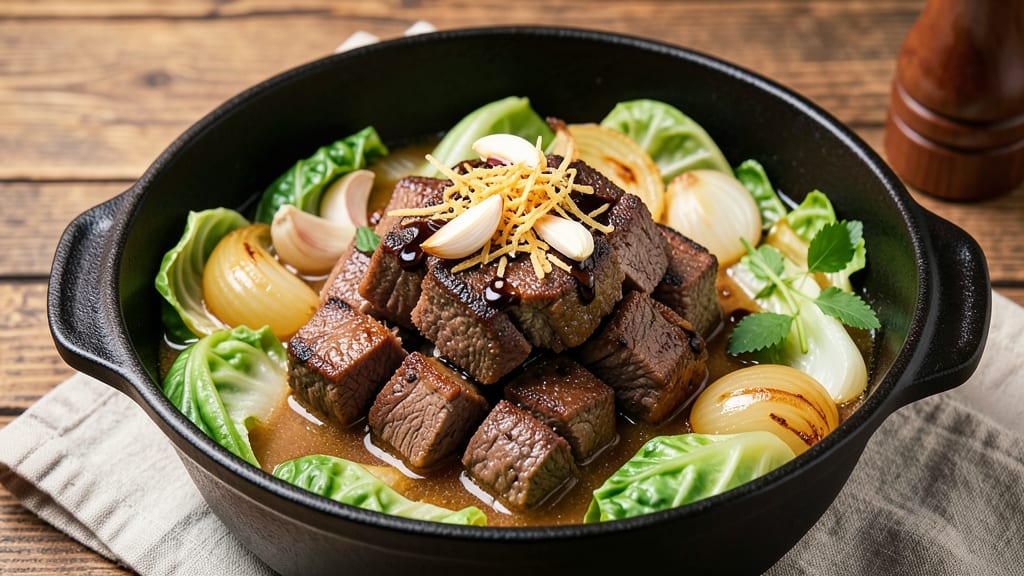
This beef and cabbage hot pot recipe delivers restaurant-quality comfort in a single pot—silky beef, crisp-tender cabbage, and a rich broth that transforms a simple weeknight into a cozy feast. The secret lies in slow simmering, which melts tough beef into fork-tender perfection while preserving the cabbage's satisfying crunch.
I've perfected this one-pot method over years of testing, ensuring every bite balances hearty beef with fresh, vibrant cabbage in a deeply flavorful broth.
The beauty of this recipe is its simplicity: just a handful of ingredients simmered together for hours, developing layers of umami and warmth. Unlike traditional hot pot, which requires multiple components, this version comes together in one pot—ideal for busy weeknights when you still crave a homestyle meal.
The beef becomes so tender it nearly dissolves, while the cabbage stays crisp enough to add delightful texture with every bite.
What you'll end up with is a steaming bowl of one-pot magic—rich, aromatic broth filled with melt-in-your-mouth beef and cabbage that's crisp at the edges yet tender inside.
The aroma alone will have everyone gathering around the table, and the first spoonful delivers that perfect harmony of savory, sweet, and slightly tangy flavors. This is the kind of dish that turns ordinary evenings into memorable family meals.
Serve with steamed rice to soak up every last drop of that flavorful broth, or add noodles for extra heartiness. The recipe scales effortlessly, making it perfect for feeding a crowd or meal prepping for the week.
Let's get started on this comforting, foolproof hot pot that's sure to become a staple in your rotation.
Ingredients for beef and cabbage hot pot
Six hearty ingredients transform into a deeply flavorful one-pot beef and cabbage feast.
| Ingredient | Amount | Notes |
|---|---|---|
| Chuck Roast 🥩 | 2 lb | Cut into 1-inch cubes |
| Green Cabbage 🥬 | 1 whole | Cut into wedges, core removed |
| Yellow Onion 🧅 | 1 whole | Thinly sliced, about 1.5 cups |
| Garlic Cloves 🧄 | 6 cloves | Minced, about 1 tbsp |
| Ginger Root 🌿 | 1 ½ tbsp | Freshly grated |
| Low-Sodium Soy Sauce 🍶 | ⅓ cup | Or tamari for gluten-free |
| Dry Sherry 🍷 | ½ cup | Substitute with red wine |
| Beef Broth 💧 | 4 cups | Low-sodium preferred |
| Tomato Paste 🍅 | 2 tbsp | Or 1 small can crushed tomatoes |
| Brown Sugar 🍯 | 2 tbsp | Light or dark variety |
| Star Anise 🌟 | 2 whole | Lightly crushed |
| Bay Leaves 🍃 | 2 whole | Dried, standard size |
| Black Peppercorns 🌶️ | 1 tsp | Crushed, not ground |
| Salt 🧂 | 1 ½ tsp | Kosher or sea salt |
| Vegetable Oil 🫒 | 2 tbsp | For searing beef |
The chuck roast is non-negotiable here—its marbled fat renders into the broth, creating that rich, velvety texture. Costco or butcher shops often carry it pre-cut in 1-inch cubes, which saves time. If buying whole, ask for chuck roast with good marbling—this ensures tender beef. For the cabbage, green cabbage holds up best to long simmering, staying crisp at the edges while softening inside. Look for heads with tight, vibrant leaves—avoid any with yellowing spots or wilted outer leaves. The yellow onion should be firm and free of sprouts, and the garlic should smell pungent, not musty.
No sherry? Dry red wine or additional beef broth works just as well. The star anise adds depth—if you can't find it, a pinch of cinnamon or an extra bay leaf bridges the gap. For tomato paste, Trader Joe's squeeze tubes are perfect for this recipe—no waste, and they last months. The ginger should be fresh; pre-grated jars lack the bright, zesty punch. If you're short on time, jarred minced garlic is fine, but fresh is always better. The beef broth matters—low-sodium options prevent over-salting the dish, and homemade adds extra richness if you've got it.
This stew tastes even better the next day as flavors meld. Store in an airtight container for up to 5 days in the fridge, or freeze for 3 months. I like to portion it into meal prep containers—one for lunches, one for reheating. The cabbage will soften further when reheated, so add fresh cabbage wedges to bowls if you want that satisfying crunch. For extra heartiness, serve with steamed jasmine rice or noodles to soak up the rich broth.
Why You'll Love This Recipe
- One-Pot Magic: I swear by this recipe when I’m too tired to scrub pots—just toss everything in one deep skillet, and the chuck roast practically melts into tender perfection while the cabbage softens into crispy-edged ribbons. The onions caramelize right alongside, so you’re not left with a sink full of dishes.
- Garlic-Ginger Bomb: Between us, that minced ginger and garlic combo is everything—it hits you with warmth first, then a slow-building depth that makes every bite feel like a hug. The cabbage soaks up all the flavor, so you’re not just eating beef, you’re eating aromatic beef.
- Leftovers That Shine: This dish actually tastes better the next day. I’ll be real: I make double batches on Sundays because reheating the chuck roast (now fall-apart tender) with a splash of broth turns it into a hearty soup—zero effort, maximum satisfaction.
- Budget Beef Boost: A chuck roast stretches further than you’d think, and cabbage is the ultimate cheap veggie that still feels special. Honestly, I’ve served this at potlucks, family dinners, and even as a “fancy” weeknight meal—no one questions the price tag when it’s this good.
Step-by-step instructions for beef and cabbage hot pot
This one-pot stew delivers restaurant-quality results with minimal cleanup.
Sear the Chuck Roast for Deep Flavor
Heat a large Dutch oven over medium-high heat and add the 2 tablespoons vegetable oil. Working in batches to avoid crowding, add the 2 lb chuck roast cut into 1-inch cubes and sear for 3-4 minutes per side until deeply browned. This step creates the rich, caramelized foundation for your stew.
As the beef browns, you'll notice the fat rendering out—this is essential for building flavor. Don't rush this process; let each piece develop a golden crust before moving to the next batch. Once all the beef is browned, transfer it to a plate and set aside.
Build the Aromatic Base
In the same Dutch oven, add the thinly sliced yellow onion and cook for 3-4 minutes until softened but not browned. Add the minced garlic cloves and grated ginger root, cooking for an additional 1 minute until fragrant. The aroma should fill your kitchen—this is when the flavors start to develop.
Stir in the crushed black peppercorns, lightly crushed star anise, and bay leaves. These spices will infuse the broth with complex flavors as it simmers. Cook for 30 seconds to toast the spices slightly, releasing their essential oils.
Deglaze and Combine Liquids
Pour in the 0.5 cup dry sherry and scrape up any browned bits from the bottom of the pot with a wooden spoon. This deglazing step captures all the flavorful fond that would otherwise burn. Let the sherry simmer for 2 minutes until mostly evaporated.
Add the 4 cups beef broth, 0.33 cup low-sodium soy sauce, 2 tablespoons tomato paste, and 2 tablespoons brown sugar. Stir well to combine all the ingredients. The mixture should be rich and aromatic, with a deep red color from the tomato paste and beef juices.
Simmer the Beef Until Tender
Return the seared beef to the pot and bring everything to a gentle simmer. The liquid should bubble softly around the edges but not boil vigorously. Cover the pot and simmer for 1 hour 15 minutes on low heat, stirring occasionally to prevent sticking.
After 1 hour, check the beef for tenderness. It should be fork-tender but not falling apart. If it's not quite there yet, continue simmering for another 15-30 minutes. The stew should reduce slightly, concentrating the flavors. Taste and adjust seasoning with the 1.5 teaspoons salt if needed.
Incorporate the Cabbage and Finish
Add the green cabbage wedges to the stew and simmer uncovered for an additional 10-15 minutes until the cabbage is tender but still holds its shape with a satisfying crunch. The cabbage should be bright green and slightly wilted, not mushy.
Remove the star anise and bay leaves before serving. Ladle the hot pot into bowls, ensuring each serving has both the silky beef and cabbage wedges. The broth should coat the back of a spoon, rich and flavorful. Serve immediately with steamed rice to soak up every last bit of the delicious stew.
Pro Tips For Making Beef And Cabbage Hot Pot
- SEAR THE CHUCK FIRST: Chuck roast loves a good crust, and skipping this step means bland, stringy beef. Pat it very dry with paper towels, then hit it with high heat in your pot—no oil needed if you’re using a stainless steel or cast iron. Let it brown for 3-4 minutes per side until it’s deep golden, not just pink. I used to rush this, and the beef always tasted underwhelming.
- CUT CABBAGE SMALLER THAN YOU THINK: Big chunks of cabbage stay tough no matter how long you cook them. Quarter the head, then slice into ½-inch ribbons—think matchstick size, not salad thickness. The smaller pieces soften faster and soak up the beef’s flavor. (Yes, it’ll look messy, but your future self will thank you.)
- DON’T CROWD THE GARLIC: Minced garlic burns in seconds, and burned garlic ruins everything. Peel and smash 3-4 cloves with the flat side of your knife—no need to chop—then scatter them in a single layer. Let them sizzle for 30 seconds before adding anything else. I learned this the hard way after turning my pot into a charred, bitter mess.
- SIMMER LOW AND LONG: This isn’t a race. After browning the beef and softening the cabbage, reduce the heat to the lowest setting that keeps a gentle bubble. Cover partially and let it cook for at least 2 hours—3 if your chuck is thick. The slow cook transforms tough meat into melt-in-your-mouth goodness. (I know, I know—you want it fast, but trust the process.)
Perfect pairings for beef and cabbage hot pot
Broth-Based Sides
Serve this rich beef and cabbage hot pot alongside steamed jasmine rice—its neutral flavor lets the stew's bold notes shine. I like using Daybreak Young Rice because it stays fluffy even when reheated.
For extra heartiness, add egg noodles like King Noodle's udon—they soak up the flavorful broth beautifully. 🍚
Crunchy Contrasts
Balance the silky beef with quick-pickled vegetables to cut through the richness. Toss thinly sliced green onions with 1 tbsp rice vinegar, 1 tsp sugar, and a pinch of red pepper flakes.
Serve alongside for a refreshing bite. Another great option is crispy fried shallots—just 1 tbsp sprinkled on top adds a delightful crunch and nutty depth.
Warm Bread Pairings
No hot pot meal is complete without warm bread to mop up the broth. Try garlic bread made with a baguette, brushed with melted butter and minced garlic, then toasted until golden. For a gluten-free option, use Schär gluten-free bread—it holds up well and pairs perfectly. 🥖
Dipping Sauces
Offer a spicy chili oil for those who love heat—mix 2 tbsp vegetable oil with 1 tsp chili crisp and a pinch of sugar to balance. For a milder option, blend 2 tbsp Greek yogurt with 1 tsp soy sauce, ½ tsp honey, and fresh cilantro.
These sauces elevate every spoonful of your hot pot.
Vegetable Add-Ins
Boost nutrition by serving steamed bok choy or shredded carrots on the side. The bright flavors complement the beef and cabbage while adding freshness. I also love adding mushrooms—sauté 8 oz shiitake with 1 tbsp soy sauce and 1 tsp sesame oil before serving. 🍄
Beverage Pairings
Pair this hearty stew with a dry red wine like Pinot Noir—its light tannins won’t overpower the dish. For beer lovers, a wheat beer such as Blue Moon adds a crisp, citrusy contrast.
If you prefer non-alcoholic options, hibiscus tea with a squeeze of lemon brightens the palate beautifully. 🍷
Nutrition facts
Frequently asked questions
Can I substitute chuck roast with another beef cut?
Yes! For similar tenderness, use brisket or short ribs—both work well. If you're short on time, sirloin or flank steak (cut into thin strips) will cook faster but won't be as fork-tender. For budget-friendly options, try ground beef (80/20 blend) instead of cubes. Just adjust cooking time to 20-25 minutes after adding the cabbage.
How do I make this recipe gluten-free?
Swap the soy sauce for tamari and check your broth label for gluten. Use gluten-free beef broth and ensure any added sauces (like chili oil) are certified gluten-free. The rest of the ingredients are naturally gluten-free, so this version keeps all the rich, savory depth without compromising texture.
Can I make this in a slow cooker?
Brown the beef first in a skillet, then transfer everything to your slow cooker. Cook on low for 6-7 hours or high for 3-4 hours. The slow cooker method actually enhances tenderness, and you can add cabbage during the last 30 minutes of cooking to preserve its crunch. The broth will be even more concentrated and flavorful!
Why did my cabbage turn mushy?
Overcooking is the most likely cause—cabbage should cook just until tender-crisp (10-15 minutes). If using pre-shredded cabbage, it cooks faster than wedges. For extra insurance, add cabbage during the last 10 minutes of simmering. Another tip: Don't overcrowd the pot—leave room for cabbage to float slightly in the broth for even cooking.
Can I prep this ahead of time?
Yes! This stew tastes even better the next day. After cooking, let it cool completely, then store in an airtight container in the fridge for up to 5 days or freeze for 3 months. Reheat gently on the stove over low heat—add a splash of water or broth if it's too thick. For serving, add fresh cabbage wedges to bowls to restore that satisfying crunch.