
Soups & Stews
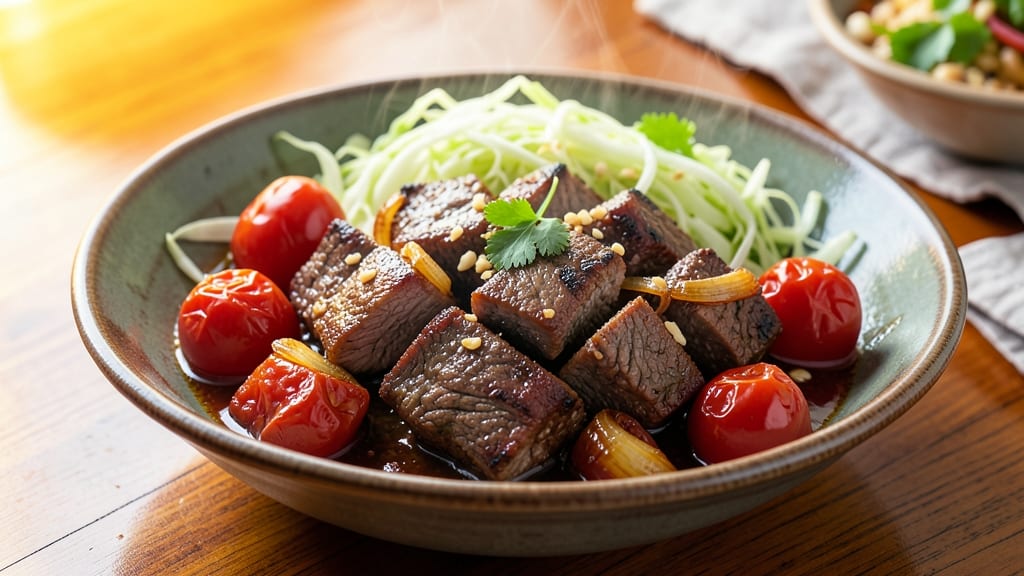
This beef and cabbage Filipino recipe transforms humble ingredients into a deeply comforting stew where tender beef and silky cabbage absorb rich, umami-packed flavors.
The secret lies in traditional Filipino techniques—slow-braising beef with soy sauce and vinegar until fork-tender, then folding in cabbage that softens just enough to maintain its delicate texture.
I first made this during a rainy afternoon when I craved something hearty enough to pair with steaming white rice, and it became an instant family favorite.
What sets this dish apart is the balance of textures: silky cabbage that melts in your mouth alongside fall-apart beef, all coated in a sauce that’s tangy from vinegar and depth from soy.
The dish builds flavor gradually as it simmers, allowing the beef to develop that signature Filipino stew richness without overpowering the cabbage’s natural sweetness. No shortcuts here—just the kind of slow-cooked comfort that tastes even better the next day.
The result is a restaurant-quality stew that’s perfect for weeknight dinners or special occasions. Serve it over steamed jasmine rice to soak up every last drop of that savory sauce, or pair it with garlic fried rice and atchara for a full Filipino feast.
The aroma alone—garlic, vinegar, and beef—will have everyone at the table asking for seconds before the first bite. This recipe delivers on authenticity while keeping the process straightforward. Ready in about 1 hour, it’s designed to impress without requiring advanced skills. Let’s get cooking—your taste buds will thank you.
Ingredients for beef and cabbage filipino
Humble ingredients, bold Filipino flavors—this stew delivers restaurant-quality comfort.
| Ingredient | Amount | Notes |
|---|---|---|
| Beef Chuck Roast 🥩 | 1 ½ lb | Cut into 1-inch cubes |
| Green Cabbage 🥬 | 1 whole | Heavier heads preferred |
| Yellow Onions 🧅 | 2 whole | Medium size, sliced |
| Garlic Cloves 🧄 | 6 cloves | Minced, not pressed |
| Canned Tomatoes 🍅 | 1 can | 15 oz, crushed preferred |
| Filipino Soy Sauce 🥄 | ½ cup | Or regular soy sauce |
| White Vinegar 💧 | ¼ cup | Distilled preferred |
| Bagoong Alamang 🦐 | 2 tbsp | Fermented shrimp paste |
| Bay Leaves 🍃 | 2 whole | Dried, crushed lightly |
| Black Peppercorns 🌶️ | 1 tsp | Crushed, not ground |
| Sugar 🍚 | 1 tbsp | White granulated |
| Salt 🧂 | 1 ½ tsp | Kosher or sea salt |
| Vegetable Oil 🫒 | 2 tbsp | For searing |
| Jasmine Rice 🍚 | 2 cups | Uncooked, for serving |
The beef is non-negotiable here. Chuck roast gives you that signature Filipino stew texture—tender, fork-shredding goodness. Most grocery stores carry it pre-cut, but if you're buying a whole roast, ask the butcher to cube it for you. Costco or Trader Joe's usually have it ready to go. For the cabbage, look for heads that feel heavy for their size—those are packed with moisture and will stay silky. The bagoong alamang is the secret weapon: find it in the Asian aisle at Walmart or H Mart, or order online if your local store doesn't carry it. Skip it? A dash of fish sauce and a pinch of sugar can mimic some of that funky depth.
No Filipino soy sauce? Regular soy sauce plus a splash of fish sauce works in a pinch. The vinegar should be white—distilled vinegar is best, but apple cider vinegar adds a nice tang. If you can't find bagoong, anchovy paste at half the amount gives you that umami punch. The garlic should be fresh—no pre-minced, trust me on that. For the tomatoes, crushed is ideal, but diced works if that's what you've got. And if your bay leaves are whole, give them a light crush with the side of your knife to release those flavors. The sugar might seem odd, but it balances the acidity beautifully—don't skip it.
This stew tastes even better the next day, so make extra if you can. Store in an airtight container in the fridge for up to 5 days, or freeze portions for 3 months. I always double the batch—I serve one portion immediately and freeze the rest for lazy weeknights. The rice? Cook it fresh—jasmine rice absorbs the sauce perfectly, and nothing beats that first bite of warm rice with silky stew. Leftovers reheat beautifully—just add a splash of water or vinegar to loosen the sauce if it's too thick.
Why You'll Love This Recipe
- One-Pot Magic: I swear by this—just brown the beef, toss in chopped cabbage and onions, then let the slow simmer do the work. No extra pans, no fuss, and that rich tomato-garlic sauce practically cooks itself.
- Deep Umami Bomb: The beef chuck roast gets tender while soaking up the caramelized garlic and tomatoes—crispy edges, melt-in-your-mouth center. Honestly, the first bite makes you forget it’s a weeknight dinner.
- Lunchbox Hero: Between us, this reheats perfectly the next day—better than takeout, with zero soggy cabbage. Pack it in containers, and your kids (or you) will actually eat their veggies without complaining.
- Budget Stretch: A single chuck roast feeds my family for three meals—first as a hearty stew, then shredded for sandwiches, then chopped into fried rice. That’s $10 worth of flavor stretching into a whole week.
Step-by-step instructions for beef and cabbage Filipino stew
Here's how to craft this rich, aromatic stew with tender beef and silky cabbage—every step brings you closer to that perfect balance of savory, tangy, and umami flavors.
Sear the Beef for Deep Flavor
Heat the 2 tablespoons vegetable oil in a large, heavy-bottomed pot over medium-high heat until shimmering. Working in batches to avoid crowding, add the 1.5 lb beef chuck roast cut into 1-inch cubes, letting them sear undisturbed for 2-3 minutes per side until developing a deep golden-brown crust.
This initial sear builds the foundation of the dish by locking in juices and creating a rich, caramelized base. If the beef releases easily from the pot, it's ready to move. Transfer the seared beef to a plate and set aside—you'll add it back later when the aromatics are ready.
Build the Aromatic Base
In the same pot, add the 2 whole yellow onions sliced into even rounds and cook for 5 minutes until softened and just beginning to caramelize at the edges. Add the 6 cloves minced garlic cloves and the 2 whole bay leaves, stirring for 30 seconds until fragrant—this is where the magic happens, as the garlic releases its pungent aroma.
Next, stir in the 2 tablespoons bagoong alamang, spreading it evenly across the bottom of the pot. Let it cook for 1 minute until it darkens slightly and releases its briny, fermented shrimp essence. This step is crucial—it infuses the entire stew with its signature Filipino depth. Be careful not to let it burn, as the shrimp paste can scorch quickly.
Simmer the Stew to Tender Perfection
Pour in the 1 can canned tomatoes, 0.5 cup Filipino soy sauce, 0.25 cup white vinegar, 1 tablespoon sugar, 1.5 teaspoons salt, and 1 teaspoon crushed black peppercorns. Stir well to combine, then return the seared beef to the pot. Bring the mixture to a gentle boil, then reduce heat to medium-low and let it simmer uncovered for 45 minutes, stirring occasionally.
After 45 minutes, add the 1 whole green cabbage, cut into 4 wedges (leave the core intact to hold the leaves together). The cabbage should cook gently in the simmering liquid, becoming tender without losing its shape. You'll know it's ready when a knife slides in easily through the thickest part of a leaf—this usually takes another 20-25 minutes. Avoid stirring too frequently, as this can break down the cabbage prematurely.
Finish with Balanced Seasoning
Once the cabbage is tender, taste the stew and adjust the seasoning if needed. You might need a touch more salt or a splash of white vinegar to brighten the flavors. The stew should be rich but not overly salty, with a perfect balance of tangy, savory, and slightly sweet notes.
Let the stew sit off the heat for 5 minutes to allow the flavors to meld together. Serve it hot over 2 cups jasmine rice, ensuring each bowl gets a generous portion of both the tender beef and silky cabbage. The rice will soak up the flavorful juices, creating a complete and satisfying meal.
Pro Tips For Making Beef And Cabbage Filipino
- Sear the Beef First: After slicing the chuck roast thinly, hit it with a screaming-hot pan—no oil needed if you’re patient. The beef should brown in 30 seconds per side; I learned this the hard way when my first batch turned out bland because I rushed it. That crust locks in flavor when it slow-cooks later.
- Shred the Cabbage Coarse: Skip the fine chop—big, uneven pieces stay crunchy and release less water while cooking. My grandmother swore by this, and she was right: the texture stays lively even after hours of simmering. Aim for chunks the size of a golf ball.
- Deglaze with Tomatoes Early: Don’t wait until the end to add the canned tomatoes—dump them in after the onions and garlic, right when you start simmering. This builds depth of flavor instead of just using them as a sauce at the finish. (Yes, even if you’re impatient like me.)
- Check for Doneness at 180°F: Pull the beef when it hits 180°F internally—it’ll keep cooking in the residual heat and won’t dry out. I used to eyeball it and ended up with either rubbery or undercooked slices. A meat thermometer is worth its weight in this dish.
Health benefits of this beef and cabbage filipino
Protein Powerhouse
This stew delivers a whopping 40 grams of protein per serving thanks to the beef chuck roast, making it perfect for muscle repair and satiety. The slow-cooking process ensures maximum protein absorption, while the bagoong alamang adds fermented shrimp benefits that support gut health. 💪
Fiber-Rich Cabbage
The whole green cabbage provides 6 grams of fiber per serving, supporting digestion and keeping you full longer. Unlike overcooked cabbage that turns mushy, this recipe maintains its silky texture while delivering all the fiber benefits. The cabbage’s natural sweetness also balances the stew’s savory depth.
Balanced Nutrient Profile
Each bowl contains vitamin C from the cabbage (about 30% of your daily value) and iron from the beef, crucial for energy levels. The Filipino soy sauce adds B vitamins, while the garlic and onions contribute antioxidant properties that boost immunity.
It’s a one-dish meal that checks all nutritional boxes!
Low-Calorie Comfort
Despite its rich flavors, this stew clocks in at just 350-400 calories per serving, making it a guilt-free indulgence. The jasmine rice (about 200 calories per cup) completes the meal without excessive calories, offering a satisfying carb-to-protein ratio perfect for balanced meals.
Fermented Benefits
The bagoong alamang isn’t just for flavor—it’s a probiotic powerhouse! Fermented shrimp pastes like this contain beneficial bacteria that support gut health, similar to kimchi or sauerkraut. Even a 2-tbsp serving adds a probiotic boost to your meal. 🦐
Vinegar’s Health Perks
White vinegar isn’t just for tang—it contains acetic acid, which may help regulate blood sugar levels. The ¼ cup used in this recipe adds a metabolic boost while keeping the stew’s flavors bright. It’s a small ingredient with big health benefits!
Nutrition facts
Frequently asked questions
Can I substitute beef chuck roast with another cut?
Yes! For similar tenderness, try beef short ribs or chuck shoulder. Avoid lean cuts like sirloin—they won't become fork-tender. If using short ribs, reduce the simmer time to 30 minutes after adding the cabbage, as they cook faster than chuck roast.
How do I prevent the cabbage from turning mushy?
Cut the cabbage into 4 wedges (keeping the core intact) and add it only after the beef has simmered for 45 minutes. This ensures it cooks gently in the hot liquid without over-softening. Stirring it occasionally helps too—just don't overdo it to avoid breaking the leaves.
What can I serve with this stew besides rice?
Try garlic fried rice, steamed white bread, or crispy lumpia for a full Filipino spread. For a lighter option, a simple green salad with calamansi dressing balances the richness. The stew's tangy-savory flavors pair well with anything neutral or slightly sweet.
Can I make this recipe in an Instant Pot?
Sear the beef first, then add all ingredients except the cabbage. Cook on high pressure for 30 minutes, then quick-release. Add the cabbage wedges and cook on sauté mode for 10 minutes until tender. The pressure cooker cuts total time to about 50 minutes!
Why does the recipe use bagoong alamang?
Bagoong alamang adds umami depth and a briny, fermented shrimp flavor that's essential in Filipino cooking. It's like a paste version of shrimp paste but with a funkier, more complex taste. If unavailable, use 1 tbsp anchovy paste + ½ tsp sugar for a similar effect, though the texture won't be identical.