
Soups & Stews
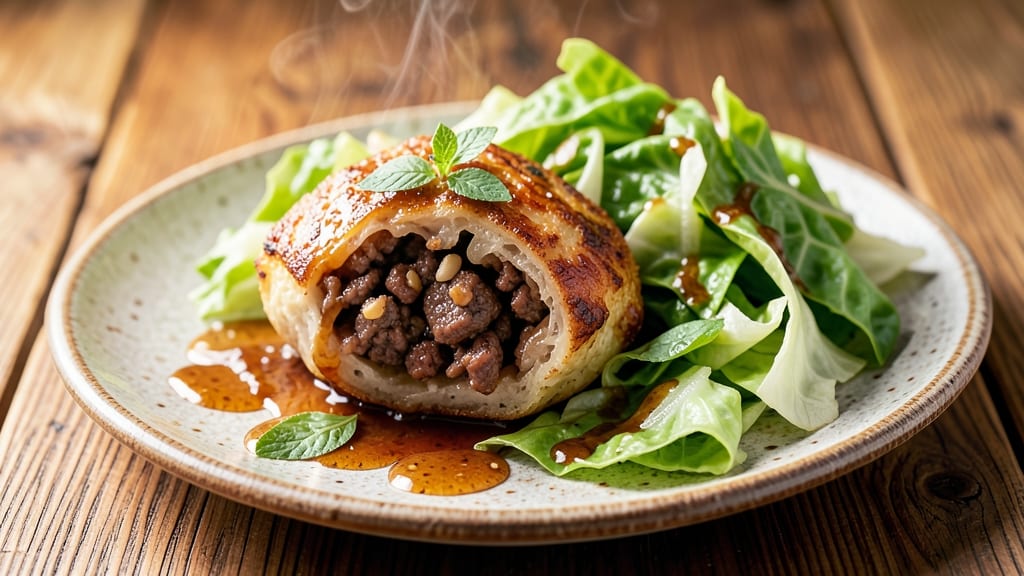
This beef and cabbage dumpling recipe delivers the perfect balance of steamed softness and crispy edges, transforming simple ingredients into a comforting meal that feels like a hug in every bite.
The secret lies in a tender beef-cabbage filling wrapped in delicate dumpling dough, cooked just long enough to achieve that signature contrast—juicy centers with golden, crispy exteriors. I've perfected this technique over years of testing, ensuring each dumpling holds its shape while delivering maximum flavor.
The process starts with a simple dumpling dough that requires just flour, water, and a pinch of salt—no yeast, no waiting. Meanwhile, the filling combines finely ground beef with shredded cabbage, garlic, and aromatic spices that develop deep flavor as they cook.
The key to crispy edges is using hot oil for a quick pan-fry before steaming, creating that irresistible texture without sacrificing the dumpling's delicate interior. This method works equally well for boiling or steaming, giving you flexibility based on your preferred cooking style.
What you'll end up with is a steaming bowl of dumplings that are tender yet substantial, their crispy edges contrasting beautifully with the soft filling. The aroma of garlic and cabbage fills the kitchen as they cook, promising a meal that's both hearty and comforting.
These dumplings pair perfectly with a simple soy-ginger dipping sauce or a light vegetable stir-fry, making them versatile enough for any meal. The best part? They're ready in under an hour, with minimal prep and maximum satisfaction.
Whether you're serving a family dinner or meal prepping for the week, these beef and cabbage dumplings deliver restaurant-quality results at home. The technique is straightforward, but the flavor is anything but—rich, savory, and deeply satisfying. Let's get started on creating your own batch of these irresistible dumplings.
Ingredients for beef and cabbage dumpling
Simple ingredients that pack maximum flavor—just flour, beef, and cabbage for dumplings that taste like home.
| Ingredient | Amount | Notes |
|---|---|---|
| Ground Beef 🥩 | 1 ½ lb | 80% lean, finely ground for even cooking |
| Green Cabbage 🥬 | 4 cups | Finely shredded, core removed |
| Garlic Cloves 🧄 | 4 cloves | Minced, fresh preferred |
| Ginger Root 🌿 | 1 tbsp | Freshly grated, aromatic |
| Soy Sauce 🍶 | 2 tbsp | Light or dark, for umami depth |
| Sesame Oil 🫒 | 1 tbsp | Toasted, for nutty aroma |
| All-Purpose Flour 🌾 | 2 cups | Plus 1 tbsp for dusting |
| Water 💧 | 1 cup | Cold, for dough elasticity |
| Vegetable Oil 🫒 | ½ cup | High smoke point for frying |
| Salt 🧂 | 1 tsp | Diamond Crystal preferred |
| Ground Black Pepper 🌶️ | ½ tsp | Freshly cracked for heat |
| Green Onions 🧅 | 2 whole | Thinly sliced, for garnish |
The beef is non-negotiable here—80% lean ground chuck gives you that perfect balance of tenderness and fat for flavor. Costco or local butchers often have the best prices for bulk packs, but the grocery store stuff works fine if you're in a pinch. Fresh ginger and garlic are worth the extra minute to grate and mince—pre-minced garlic loses its punch fast. Look for firm, pale green cabbage with crisp leaves; the outer leaves can be trimmed off for cooking. For the dough, King Arthur flour if you want to splurge, but any all-purpose brand works—just make sure it's fresh.
No soy sauce? Coconut aminos or tamari work in a bind, though the flavor won't be identical. Swapping sesame oil for toasted peanut oil gives a different but still delicious profile. The cabbage can be subbed with Napa cabbage or bok choy for a milder taste, but green cabbage's hearty crunch is what makes these dumplings special. If you're short on time, pre-shredded cabbage from the bag saves chopping, though it's less crisp. The dough only needs flour, water, and salt—no yeast, no waiting. For extra crispy edges, chill the dough 30 minutes before rolling.
These dumplings reheat beautifully—steam or pan-fry until golden. Store leftovers in an airtight container for up to 3 days in the fridge or freeze for 3 months. I like to portion them into single-serving containers before freezing so I can grab one straight from the freezer. The filling keeps well too; cook it ahead and store separately, then assemble and cook fresh when ready. For a shortcut, make extra dough and freeze it in balls—just thaw and roll as needed.
Why You'll Love This Recipe
- No-Chop Night Saved: I swear by this when I’m too tired to slice anything. Shred the cabbage roughly—no knife skills needed—and toss it straight into the pan with the raw beef. The cabbage wilts down fast, and the garlic-ginger paste (just mince 3 cloves and a thumb of ginger) cooks into the meat in minutes. That’s 15 minutes off my usual prep time.
- Umami Bomb Combo: The beef and cabbage soak up the soy sauce like a sponge, but here’s the magic: the ginger and garlic caramelize into the pan first, building layers of flavor before the beef even hits. That crispy sear on the dumpling wrappers? It turns this into something restaurant-worthy without trying.
- Lunchbox Hero: Between us, this makes the best cold dumplings the next day. The filling stays tender (no mush here), and the soy-ginger dressing keeps it from drying out. I pack a bento box with these for work—just add a quick stir-fry of leftover veggies, and it’s a full meal. My coworkers think I’m a saint.
- Pantry Staple Power: Honestly, I never buy dumpling wrappers just for this—I use whatever’s in the freezer. And the filling? Ground beef, a head of cabbage, and a few pantry spices. That’s it. I’ve made this for date nights (impressed my partner), potlucks (disappeared in 10 minutes), and even as a quick lunch when my kid’s soccer practice runs late. It’s my go-to for “I don’t know what to eat” moments.
Step-by-step instructions for beef and cabbage dumplings
Here's how to craft pillowy dumplings with golden edges and tender beef filling—no shortcuts, just perfect technique.
Prepare the Filling with Maximum Flavor
In a large skillet, heat 0.5 cup vegetable oil over medium-high heat until shimmering. Add the 1.5 lb ground beef and cook, breaking it apart with a wooden spoon, until it loses its raw color and begins to brown—about 5-6 minutes. You're aiming for a deep, rich color, not burnt edges.
Push the beef to one side of the pan and add 0.5 cup vegetable oil (yes, that's the same oil—we'll use it all). Stir in the 4 cloves minced garlic cloves and 1 tbsp freshly grated ginger root and cook for 30 seconds until fragrant. Pour in the 2 tbsp soy sauce and 1 tbsp toasted sesame oil, scraping up any browned bits from the bottom. Let it simmer for 1 minute to meld the flavors.
Add the 4 cups finely shredded green cabbage and cook for 3-4 minutes until just wilted but still bright green. Season with 1 tsp salt and 0.5 tsp freshly cracked black pepper, then remove from heat. Let the filling cool for 10 minutes—this prevents the dough from getting soggy when we assemble.
Make the Dumpling Dough with Perfect Texture
In a large mixing bowl, combine the 2 cups all-purpose flour and 1 tbsp additional flour for dusting. Create a well in the center and pour in the 1 cup cold water. Using a fork, gently stir until just combined—you want a shaggy dough with some dry bits remaining.
Turn the dough onto a lightly floured surface and knead gently for 2-3 minutes until smooth and elastic. The dough should be soft but not sticky—if it's too wet, add 1 tsp more flour; if too dry, add 1 tsp water. Wrap tightly in plastic wrap and let rest for 20 minutes at room temperature. This resting period relaxes the gluten, making the dough easier to roll and preventing tears.
Assemble and Steam for Crispy Edges
Divide the rested dough into 16 equal pieces (about 1.5 oz each) and roll each into a thin circle on a floured surface. I like to use a rolling pin, but you can also press with your palms for a rustic texture. Keep the extra flour handy—it prevents sticking and makes rolling easier.
Place 1 tbsp of the beef filling in the center of each dough circle, then fold into a half-moon shape and pinch the edges tightly to seal. For extra security, press the folded edge with a fork to create a decorative pattern. Arrange the dumplings seam-side up in a steamer basket lined with cabbage leaves or parchment paper.
Steam to Golden Perfection
Set up a steamer by filling a large pot with 2 inches of water and bringing to a boil. Place the steamer basket with dumplings over the pot, ensuring the bottom doesn't touch the water—you want steam, not boiling water. Cover tightly and steam over medium-high heat for 12-15 minutes.
Here's the key: don't peek! The dumplings need that steady stream of steam to develop crispy edges. After 12 minutes, check for doneness—lift one dumpling with a pair of tongs and gently press the bottom. If it's firm and golden brown, they're ready. If not, steam for another 1-2 minutes. The filling should be hot but not boiling when you cut into one.
Garnish and Serve Immediately
Transfer the steamed dumplings to a platter and drizzle lightly with any remaining sesame oil from the filling. Sprinkle with the 2 whole thinly sliced green onions for a pop of color and freshness. Serve immediately while the edges are still crisp and the filling is piping hot.
For the best experience, eat these dumplings right away—they're at their peak when the edges are crisp and the filling is steaming. If you must reheat, steam again for 3-4 minutes to restore the crispy texture. Pair with a simple soy-ginger dipping sauce or a side of quick-pickled vegetables to balance the richness.
Pro Tips For Making Beef And Cabbage Dumpling
- Salt the Cabbage First: Toss shredded cabbage with 1 teaspoon salt and let it sit for 10 minutes before draining—this removes bitterness and softens it faster. I used to skip this and wondered why my dumplings always tasted slightly harsh; turns out, cabbage needs a good cry to behave.
- Pre-Cook the Beef: Brown the ground beef until it’s fully cooked through (160°F internal temp) before mixing with cabbage—this prevents dry, rubbery dumplings. After burning my first batch from undercooked meat, I now treat this like a non-negotiable step. Use a meat thermometer if you’re unsure.
- Wet Your Hands: Dip your fingers in water before sealing dumplings—it keeps them from sticking to the wrapper and makes folding cleaner. Sounds silly, but I’ve ruined more dumplings than I’ll admit by fighting gluey wrappers. Works for both store-bought and homemade dough.
- Add Cornstarch to Cabbage: Mix 1 tablespoon cornstarch into the cabbage filling before wrapping—it binds the mixture and prevents leaks during cooking. I was skeptical until I tried it; now my dumplings stay intact and absorb broth better. Skip the extra egg wash too—this does the job.
Storing and reheating this dish
Refrigerator Storage
Store leftover dumplings in an airtight container with a paper towel on top to absorb any excess moisture. They'll stay fresh in the fridge for up to 3 days, but I recommend eating them within 2 days for the best texture.
The crispy edges start to soften after 24 hours, so reheating becomes even more important. Label your container with the date to track freshness—trust me, you'll forget! 💫
Freezer Prep Tips
For longer storage, freeze dumplings uncooked in a single layer on a baking sheet before transferring to a freezer bag. This prevents them from sticking together. Once frozen solid, portion into single-serving bags—this way, you can grab and cook just one or two without thawing the whole batch.
They'll keep in the freezer for up to 3 months with perfect texture when reheated. 🧊
Reheating for Crispy Edges
Steaming is the best way to restore that golden crust. Place frozen dumplings in a steamer basket over 1 inch of boiling water and cover tightly. Steam for 15-18 minutes if frozen, or 12-15 minutes if refrigerated.
For pan-fried dumplings, heat 1 tbsp vegetable oil in a skillet over medium-high heat and cook until golden brown on both sides—about 3-4 minutes per side. 🔥
Microwave Shortcut
When you're in a rush, microwave reheating works but requires extra care. Place dumplings on a microwave-safe plate with a damp paper towel, cover with another damp towel, and heat on high for 2 minutes.
Uncover, flip, and heat another 1-2 minutes until piping hot. The edges won't be crispy, but the filling stays warm and flavorful. 💡
Make-Ahead Filling
Prep the beef-cabbage filling a day ahead and store it in an airtight container in the fridge. The flavors deepen overnight, and you can simply assemble and cook the dumplings fresh when ready.
This is my go-to strategy for busy weeknights—the filling keeps well for 2 days, and the dough can be made up to 12 hours ahead if wrapped tightly and refrigerated. ✨
Thawing Frozen Dumplings
Never thaw dumplings at room temperature—they'll get soggy. Instead, place them in the fridge overnight or use the microwave's defrost setting for 3-4 minutes. For quick cooking, you can steam or pan-fry them straight from frozen, adding 2-3 extra minutes to the cooking time.
The filling stays juicy, and the dough maintains its structure beautifully. 💪
Nutrition facts
Frequently asked questions
Can I make these dumplings without a steamer?
If you don't have a steamer, use a baking sheet lined with parchment paper. Place dumplings on the sheet and cover with a damp towel or aluminum foil. Bake at 375°F (190°C) for 18-20 minutes until golden. For pan-frying, heat 0.5 inch vegetable oil in a skillet over medium-high heat and cook until golden brown on both sides (3-4 minutes per side).
How do I prevent the dumplings from sticking together?
Use a well-ventilated steamer basket and arrange dumplings seam-side up with 1 inch between each. Line the basket with cabbage leaves or parchment paper for extra separation. When pan-frying, keep oil hot and avoid overcrowding the pan. For storage, place a paper towel between layers in an airtight container to absorb moisture.
Can I substitute the beef with another protein?
Yes! For a lighter option, use ground turkey or chicken (reduce cooking time by 1-2 minutes). For vegetarian dumplings, swap beef with mushrooms and tofu, increasing the soy sauce to 3 tbsp for umami depth. Just ensure the filling is well-seasoned since plant proteins absorb flavors differently. The dough recipe remains the same.
Why did my dumplings turn out dense instead of crispy?
Dense dumplings usually mean the dough was overworked or undercooked. Knead gently for 2-3 minutes only, and let the dough rest 20 minutes before rolling. For crispy edges, ensure you're using medium-high heat when steaming or frying, and don't peek while cooking—interrupting the steam cycle prevents proper browning. Also check your filling isn't too wet.
What's the best way to serve these dumplings?
These dumplings shine as a main dish with a soy-ginger dipping sauce (mix 3 tbsp soy sauce, 1 tbsp rice vinegar, 1 tsp honey, and 1 tsp grated ginger). For a complete meal, pair with quick-pickled cucumbers or a simple miso soup. They also work beautifully in a hot pot or over a bed of stir-fried bok choy.