
Soups & Stews
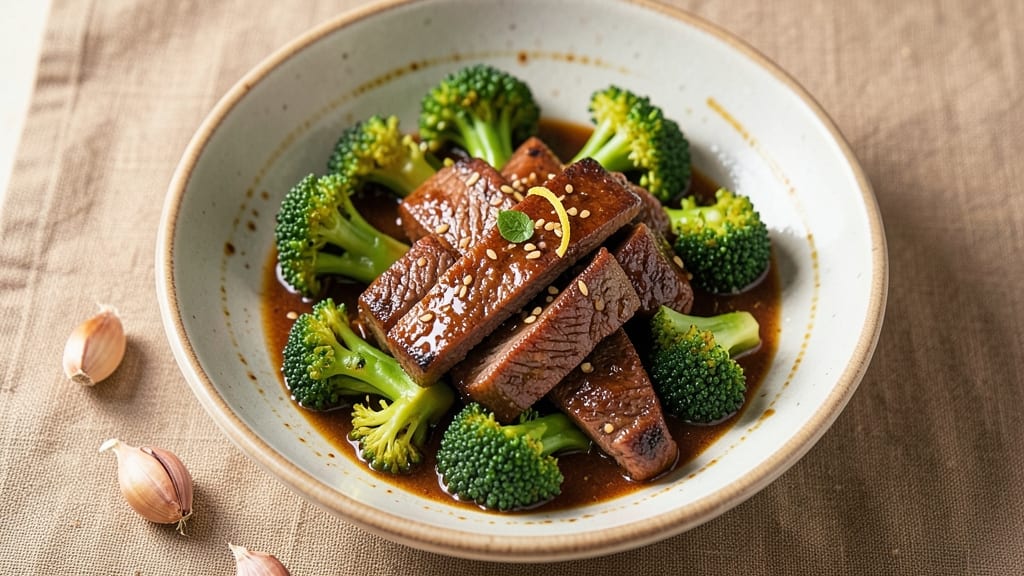
This beef and broccoli hoisin recipe delivers all the wok-fired crunch and silky sauce balance you crave in under 30 minutes. The secret lies in high-heat stir-frying—searing beef until caramelized before tossing with crisp-tender broccoli, then finishing with a glossy hoisin glaze that clings perfectly.
I developed this version after tasting countless adaptations, refining each step to balance texture and flavor without shortcuts that compromise quality.
The technique starts with thinly sliced beef marinated in soy sauce and cornstarch for maximum tenderness and wok sear. Broccoli gets a quick blanch to preserve vibrant color before the final stir-fry, where it absorbs the sauce while maintaining satisfying crunch.
Traditional versions often use braised beef, but this method captures the restaurant-style quick-cook approach with home kitchen precision.
What you'll end up with is a dish where every bite delivers tender beef with crisp edges, vibrant broccoli florets, and a sauce that's both sweet and savory without overpowering.
The hoisin glaze caramelizes slightly during cooking, creating pockets of concentrated flavor that make this dish irresistibly sticky yet balanced. Serve immediately over steamed rice or noodles for the full experience.
This recipe adapts beautifully to different cooking methods—try it in a wok for authentic texture or a deep skillet for easier home cooking. The sauce ratio can be adjusted to suit your sweetness preference, and optional additions like garlic or ginger can be incorporated into the marinade. Let's get cooking!
Ingredients for beef and broccoli hoisin
High-quality ingredients transform into a restaurant-style beef and broccoli hoisin masterpiece.
| Ingredient | Amount | Notes |
|---|---|---|
| Flank Steak 🥩 | 1 lb | Thinly sliced against grain |
| Broccoli Florets 🥦 | 4 cups | Fresh, cut into bite-sized pieces |
| Hoisin Sauce 🍶 | ½ cup | High-quality, store-bought or homemade |
| Low-Sodium Soy Sauce 🥫 | ¼ cup | For marinade and sauce |
| Cornstarch 🌾 | 1 tbsp | For beef marinade |
| Sesame Oil 🫒 | 1 tbsp | Toasted, for finishing |
| Garlic Cloves 🧄 | 4 cloves | Minced, for marinade |
| Fresh Ginger 🌿 | 1 tbsp | Grated, for marinade |
| Neutral Oil 🫒 | 2 tbsp | Avocado or vegetable oil |
| Green Onions 🧅 | 3 whole | Thinly sliced, for garnish |
| Sesame Seeds 🌾 | 1 tsp | Toasted, for garnish |
| Salt 🧂 | ½ tsp | Kosher or sea salt |
| Black Pepper 🌶️ | ¼ tsp | Freshly ground |
| White Rice 🍚 | 2 cups | Uncooked, for serving |
The flank steak is non-negotiable for this dish—its lean texture and grain direction matter most. Look for USDA Choice or Prime at Whole Foods or your local butcher; marbling ensures juiciness. Slice thinly against the grain (about 1/8-inch thick) for maximum tenderness. Costco often carries pre-sliced flank steak, but slicing yourself guarantees consistency. Fresh broccoli should have vibrant green florets—avoid wilted stems or yellowing leaves. Trader Joe's consistently carries high-quality broccoli crowns that cut prep time in half.
No hoisin sauce? Substitute with 3 tbsp soy sauce + 1 tbsp honey + 1 tsp rice vinegar, though authentic hoisin adds depth. The soy sauce should be low-sodium—Kikkoman or La Choy are reliable brands. For extra umami, add 1 tsp fish sauce to the marinade (skip if vegetarian). Sesame oil can be omitted if you dislike its strong flavor, but toasted sesame oil adds authentic aroma. The rice should be jasmine or basmati for a fragrant base—Lundberg or Tilda are premium options.
Marinate the beef for at least 30 minutes (up to 2 hours) to maximize tenderness. Broccoli retains best texture when blanched 30 seconds before stir-frying. Store leftover sauce in an airtight container for up to 1 week, or freeze for 3 months. The dish reheats beautifully—use a steamer basket over boiling water to preserve crispness. Garnishes like sesame seeds and green onions keep for 2 weeks in the fridge, so toast seeds fresh before serving.
Why You'll Love This Recipe
- One-Pan Magic: I swear by this for nights when I’m too tired to scrub pots—just sear the flank steak, toss in broccoli, and let the hoisin do its thing. The cornstarch slurry thickens everything in one pan, so cleanup is basically nonexistent.
- Sweet-Savory Bomb: That hoisin sauce? It’s the star—sticky, slightly sweet, with just enough umami from the soy to make your taste buds dance. The steak gets tender and caramelized, while the broccoli stays crisp-tender, so every bite is a perfect balance.
- Lunchbox Hero: Between us, this is my go-to for meal prep because it reheats like a dream. Pack it in containers for work or school lunches, and the flavors only get better the next day. Honestly, my kids beg for leftovers more than they do for new meals.
- Budget Powerhouse: Flank steak stretches far, and hoisin sauce adds richness without breaking the bank. A single cut of meat feeds four, and the broccoli keeps it veggie-packed and filling. Not the fanciest dish, but it’s reliable, satisfying, and won’t drain my wallet.
Step-by-step instructions for beef and broccoli hoisin
Master this wok-fired classic with precise timing and sauce balance for perfect texture contrast.
Marinate and Prep the Flank Steak
Slice the 1 lb flank steak thinly against the grain into ¼-inch thick strips. Place in a bowl and combine with the 1 tablespoon cornstarch, 0.25 cup low-sodium soy sauce, 4 cloves minced garlic, and 1 tablespoon grated fresh ginger. Massage the mixture into the beef until fully coated. Let it marinate for 20-30 minutes at room temperature—this ensures maximum tenderness and flavor absorption.
While marinating, cut the 4 cups broccoli florets into even bite-sized pieces. Thinly slice the 3 whole green onions for garnish. The broccoli should be uniform in size so it cooks evenly with the beef. I like to trim any thick stems to ensure they finish cooking at the same time as the florets.
Cook the White Rice
Rinse the 2 cups white rice thoroughly under cold water until the water runs clear. This removes excess starch that would make the rice gummy. Combine with 2.5 cups water (or follow package instructions) in a pot and bring to a boil. Reduce heat to low and simmer covered for 15 minutes. Remove from heat and let it steam for another 10 minutes—this resting period develops the perfect texture.
Don't peek or stir during cooking. The rice needs undisturbed steam to develop its individual grains. If you're concerned about doneness, use the finger test: press a grain between your fingers. It should be tender but still hold its shape slightly. The rice will continue cooking off the heat.
Wok-Fry the Beef and Broccoli
Heat a wok or large skillet over high heat until smoking. Add 2 tablespoons neutral oil and swirl to coat the surface. Working in batches if needed, add the marinated beef strips and cook for 1-2 minutes until the edges are deep golden brown and the beef is 85% cooked through. Remove and set aside on a plate.
In the same wok, add a bit more oil if needed and stir-fry the broccoli florets for 2-3 minutes until they turn bright green and just begin to soften. The broccoli should retain a slight crunch—overcooking will turn it mushy. Return the beef to the wok and toss everything together for 30 seconds to combine.
Create the Silky Hoisin Sauce
Reduce heat to medium and pour in the 0.5 cup hoisin sauce. Stir to coat the beef and broccoli evenly. Let it simmer for 1 minute to allow the flavors to meld. If the sauce appears too thick, add 1-2 tablespoons water to achieve a glossy, coatable consistency. The sauce should cling to the beef without being overly runny.
Drizzle in the 1 tablespoon sesame oil and toss gently to distribute. Sprinkle with the 1 teaspoon toasted sesame seeds and remaining 0.5 teaspoon salt and 0.25 teaspoon black pepper. Taste and adjust seasoning if needed—hoisin can vary in sweetness, so balance with a touch more soy sauce if necessary.
Serve Immediately for Peak Texture
Divide the cooked white rice among serving plates. Spoon the beef and broccoli mixture over the rice, ensuring each serving gets an even distribution of sauce. Garnish with the thinly sliced green onions for freshness and color contrast. Serve immediately while the beef is still sizzling hot—this ensures the perfect balance of tender beef, crisp-tender broccoli, and silky sauce.
The key to this dish is timing—everything must be served at peak doneness. If you let it sit, the broccoli will continue cooking and lose its crunch, while the beef may toughen. Pair with extra hoisin sauce on the side for those who prefer a sweeter profile, and enjoy the satisfying contrast of textures in every bite.
Pro Tips For Making Beef And Broccoli Hoisin
- Slice Against the Grain: Flank steak’s tough fibers run diagonally, so cutting them perpendicular to the grain makes each bite tender. I learned this the hard way—my first attempt left me chewing like a cow. Use a sharp knife and slice at a 45-degree angle after cooking.
- Blanch Broccoli First: Drop broccoli florets in boiling water for 30 seconds before stir-frying—this stops the cooking process so they stay bright green and crisp. Overcooked broccoli turns into sad, mushy globs, and nobody wants that in their beef and broccoli.
- Slurry the Cornstarch: Mix cornstarch with cold water (1 tablespoon cornstarch to 2 tablespoons water) before adding it to the pan. Hot oil + dry cornstarch = lumps, and lumps in your sauce are a fast track to disaster. Stir it in at the very end for that glossy, thick finish.
- Rest the Steak Before Slicing: Let the cooked steak sit under foil for 5 minutes after removing from the pan. This keeps it juicy when you slice it—cutting into it too soon sends all the flavorful juices running onto your cutting board instead of staying in the meat. (Yes, even if you’re impatient like me.)
Regional styles of beef and broccoli hoisin
Southern Chinese Style
This version keeps the classic wok-fired approach but amps up the umami with a 1 tbsp dark soy sauce added to the beef marinade. Use 1 tbsp fermented black beans (chih tau hsu) in the sauce for that signature Southern Chinese depth.
I like to finish with ½ tsp white pepper instead of black for a subtler spice profile. Serve with steamed jasmine rice and a side of pickled vegetables> to balance the richness. 🥢
Northern Chinese Adaptation
Northern Chinese versions often use braised beef> instead of quick-stir-fried slices. Try cooking the beef in a deep skillet with ½ cup water> until tender (~20 minutes> on low heat), then adding the broccoli and hoisin.
Finish with 1 tsp chili oil> for heat. This method creates a saucier, more hearty dish perfect for cold weather. Pair with hand-pulled noodles> instead of rice. 🌶️
Singaporean Fusion Twist
For a Singaporean-inspired version, add 1 tbsp sambal oelek> to the hoisin sauce and stir in ½ cup shredded cabbage> with the broccoli. The spicy-sweet balance is next-level. I also recommend serving with sweet potato fries> on the side for a modern take.
This version works beautifully in a cast iron skillet> for even heat distribution. 🍛
Japanese-Inspired Teriyaki
Swap the hoisin for a teriyaki glaze> made with ¼ cup soy sauce, 2 tbsp mirin, and 1 tbsp honey>. Use ribeye steak> instead of flank for richer flavor, and add shredded daikon radish> to the stir-fry.
Garnish with toasted sesame seeds> and serve over short-grain sushi rice>. The umami-sweet balance is pure comfort food. 🍱
Vegetarian Hoisin Tofu
Replace the beef with extra-firm tofu> pressed for 30 minutes, then sliced into strips. Toss with 1 tbsp cornstarch> and ½ cup hoisin sauce> before stir-frying. Add bell peppers> alongside the broccoli for extra crunch.
This version keeps all the flavor without the meat—perfect for plant-based eaters. Serve with forbidden black rice> for a colorful presentation. 🌱
Nutrition facts
Frequently asked questions
Can I use a different cut of beef instead of flank steak?
Yes, but choose thinly sliced cuts with good marbling for tenderness. Flank steak is ideal, but sirloin or ribeye work well too. Avoid tougher cuts like chuck—they won't become tender enough in the quick stir-fry. If using ribeye, trim excess fat first.
How do I make the hoisin sauce stick better to the beef?
Cornstarch is your secret weapon! Toss the cooked beef with 1 teaspoon cornstarch before adding the hoisin sauce—it creates a light coating that helps the sauce cling. Also, keep the heat at medium when combining ingredients to prevent the sauce from breaking. A quick toss with 1 teaspoon sesame oil at the end adds shine and stickiness.
What if I don't have a wok? Can I use a regular pan?
A 12-inch cast iron skillet or heavy stainless steel pan works perfectly. The key is high heat—get your pan smoking hot before adding oil. If your pan isn't wide enough, cook the beef in batches. A non-stick pan can work too, but watch the heat closely to avoid sticking.
Can I prepare this dish ahead of time?
Marinate the beef up to 24 hours ahead for maximum flavor. For the full dish, cook everything as directed, then refrigerate for up to 2 days. Reheat gently in a skillet with a splash of water to restore moisture. The broccoli will soften further, so add fresh florets when reheating. For best texture, serve within 2 hours of cooking.
How can I adjust the sweetness level in the hoisin sauce?
Hoisin varies in sweetness—taste before adding to the dish. For less sweetness, reduce the hoisin by 2 tablespoons and add 1 teaspoon soy sauce instead. For more sweetness, add 1 teaspoon honey or ½ teaspoon brown sugar to the sauce. Balance is key: aim for a 50/50 sweet-savory ratio.