
Main Courses
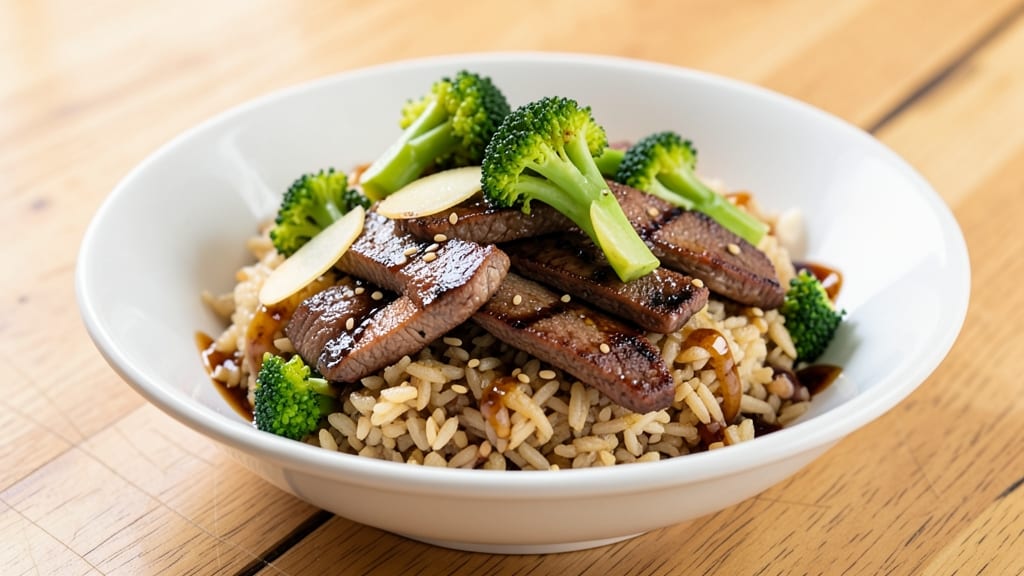
This beef and broccoli fried rice recipe delivers restaurant-quality wok-tossed perfection with every bite—silky soy-ginger beef, crisp-tender broccoli, and perfectly balanced flavors. The secret lies in high-heat stir-frying and proper rice texture, transforming simple ingredients into a complete meal that's ready to plate in under 30 minutes.
I've refined this technique over years of testing, ensuring the rice stays separate, the beef remains tender, and the broccoli stays vibrant.
The foundation starts with day-old rice (never freshly cooked) that absorbs flavors beautifully while maintaining its distinct grains. Thinly sliced beef marinated in soy-ginger sauce develops rich umami notes, while broccoli florets are blanched just until bright green to preserve their crunch.
The wok hei—literally "breath of the wok"—creates that signature smoky aroma and crisp edges that make this dish irresistible.
What you'll achieve is a vibrant, flavor-packed fried rice where each component shines: tender beef with caramelized edges, bright green broccoli, and perfectly seasoned rice coated in a glossy soy-ginger sauce.
The texture contrast—crisp vegetables, tender beef, and slightly sticky rice—makes every bite satisfying. This is comfort food at its finest, ready to serve as a complete meal with minimal effort.
Whether you're feeding a family or meal prepping for the week, this recipe scales beautifully while maintaining its balance of flavors and textures. The technique is approachable yet delivers professional results, making it perfect for both weeknight dinners and special occasions.
Let's get cooking with this complete dish that brings restaurant quality to your home kitchen.
Ingredients for beef and broccoli fried rice
Restaurant-quality ingredients for a wok-tossed masterpiece—day-old rice, silky beef, and vibrant broccoli.
| Ingredient | Amount | Notes |
|---|---|---|
| Day-Old Cooked White Rice 🍚 | 4 cups | Cold, separate grains preferred |
| Flank Steak 🥩 | ¾ lb | Thinly sliced against grain |
| Broccoli Florets 🥦 | 3 cups | Small florets, trimmed |
| Soy Sauce 🥫 | ½ cup | High-quality, preferably Japanese |
| Sesame Oil 🫒 | 1 tbsp | Toasted, for aroma |
| Fresh Ginger 🧄 | 1 tbsp | Finely grated, aromatic |
| Garlic Cloves 🧄 | 4 cloves | Minced, fresh preferred |
| Vegetable Oil 🫒 | 2 tbsp | High smoke point |
| Green Onions 🧅 | ¼ cup | Sliced, white and green parts |
| Salt 🧂 | 1 tsp | Diamond Crystal preferred |
| Black Pepper 🌶️ | ½ tsp | Freshly ground |
| White Pepper 🌶️ | ¼ tsp | For subtle heat |
| Sesame Seeds 🌾 | 1 tbsp | Toasted, for garnish |
| Oyster Sauce 🥫 | 1 tbsp | For umami depth |
| Cornstarch 🌾 | 1 tbsp | For beef coating |
The flank steak is non-negotiable for this dish—its lean texture becomes tender when sliced thinly against the grain. Most butcher counters will slice it for you if you ask, or you can use a sharp knife and a rolling technique. For the best quality, look for grass-fed options at specialty markets like Whole Foods or D'Artagnan. The rice must be day-old; freshly cooked rice turns mushy under the wok's heat. Store your rice in the fridge uncovered for 30 minutes after cooking to dry the surface slightly—this prevents clumping. Broccoli should be bright green and crisp, so choose florets with tight buds and minimal stem. Blanch them for 30 seconds before stir-frying to preserve their crunch.
No sesame oil? Avocado oil at half the amount works in a pinch, though it lacks the signature aroma. The soy sauce matters—Japanese brands like Kikkoman or Japanese Market's house brand provide the cleanest flavor. Substituting with regular American soy sauce adds a slightly sweeter, less savory note. Fresh ginger and garlic are ideal, but if you're using dried, reduce to one-third the amount and toast the spices lightly in the wok first. For the beef, the cornstarch coating creates that signature crisp-tender texture—don't skip it. If you're vegetarian, swap the beef for thinly sliced mushrooms or tofu marinated in the same sauce.
Store prepped beef marinade in the fridge for up to 3 days—the flavors deepen over time. Cooked fried rice reheats beautifully; microwave it with a splash of water for 1 minute**, then stir-fry again to restore crispness. For meal prep, portion into airtight containers with a thin layer of oil on top to prevent drying. The broccoli can be blanched ahead and stored in ice water for 2 days. Sesame seeds toast best in a dry skillet over medium heat for 30 seconds**—watch them closely to avoid burning. This dish tastes even better the next day as the flavors meld.
Why You'll Love This Recipe
- Here’s what sold me: this keeps perfectly for days. Pack it in containers for work lunches (the rice stays separate until reheating—no soggy broccoli here), or freeze half for those nights when takeout feels like too much effort. My daughter picks out the broccoli first, but still asks for seconds. (Yes, even on a Tuesday night.)
- One-Pan Magic: I swear by this—just one skillet, no extra dishes. Toss in the cold rice, seared steak strips, and broccoli florets (still slightly crisp, thank you), then let the soy sauce and sesame oil work their magic. Honestly, the cleanup is so easy I’ll let my kids "help" with it.
- Umami Bomb: That first bite? The tender flank steak—thinly sliced and seared just enough to stay juicy—paired with the nutty, slightly charred broccoli and a splash of soy sauce? It’s the kind of flavor that makes you pause mid-bite. Between us, the sesame oil finish is what turns "good" into "I’d eat this every night."
- Lunchbox Hero: Here’s what sold me: this keeps perfectly for days. Pack it in containers for work lunches (the rice stays separate until reheating—no soggy broccoli here), or freeze half for those nights when takeout feels like too much effort. My daughter picks out the broccoli first, but still asks for seconds. (Yes, even on a Tuesday night.)
Step-by-step instructions for beef and broccoli fried rice
Master this wok-tossed classic with precise technique and bold Asian flavors.
🍳 Step 1: Prep and Marinate the Flank Steak
Slice the 0.75 lb flank steak thinly against the grain into ¼-inch strips. Place the sliced steak in a bowl and combine with the 1 tbsp cornstarch, 0.5 tsp black pepper, and 0.25 tsp white pepper. Toss gently to coat evenly—this creates a crisp-tender texture when cooked. Let it marinate for 15 minutes while you prepare the remaining ingredients.
Here's the thing—marinating the steak in cornstarch isn't just about coating. The starch begins breaking down and developing a subtle crunch that contrasts beautifully with the silky rice. Don't skip this step, even if it seems like extra work. The texture difference is dramatic.
🍳 Step 2: Stir-Fry the Beef to Perfect Doneness
Heat 1 tablespoon of the vegetable oil in a wok or large skillet over high heat until shimmering. Add the marinated steak in a single layer and cook undisturbed for 1 minute—this allows a good crust to form. Stir-fry for an additional 2-3 minutes until the beef is cooked through but still retains a slight bounce (it'll finish cooking with the rice). Remove the beef and set aside on a plate.
Watch the heat carefully. If the oil smokes excessively before adding the beef, let it cool slightly. You want visible steam but not acrid smoke. The beef should turn a rich caramel color before removing it—this indicates proper searing without overcooking.
🍳 Step 3: Cook the Broccoli and Aromatics
In the same wok, add the remaining 1 tablespoon vegetable oil and swirl to coat. Add the 3 cups broccoli florets and stir-fry for 2-3 minutes until bright green and just tender-crisp—you want them to retain some bite. Push the broccoli to one side of the wok and add the 4 minced garlic cloves and 1 tablespoon finely grated ginger. Stir for 30 seconds until fragrant but not browned.
This is where the flavor foundation builds. The broccoli should maintain its vibrant color and slight crunch—overcooking turns it mushy. If your wok isn't large enough to fit everything comfortably, cook the broccoli in batches, but keep it hot between additions.
🥘 Step 4: Combine All Ingredients with Wet Sauce
Return the cooked beef to the wok along with the 4 cups day-old cooked white rice. Drizzle in the 0.5 cup soy sauce, 1 tablespoon oyster sauce, and 1 tablespoon sesame oil. Using tongs, toss everything vigorously for 2-3 minutes until the rice is heated through and the sauce is evenly distributed. The rice should look glossy and well-coated.
I press down gently on the rice with my spatula during the first minute of tossing—this prevents it from sticking together. You'll know it's ready when the rice releases easily from the wok and the sauce has thickened slightly from the rice's natural starch. If it's too dry, add 1-2 tablespoons of water and toss again.
🍽️ Step 5: Finish and Garnish for Restaurant Quality
Remove the wok from heat and immediately stir in the 0.25 cup sliced green onions. Taste and adjust seasoning—you may need an additional splash of soy sauce or a pinch more salt. Transfer to serving plates and garnish with the 1 tablespoon toasted sesame seeds. Serve immediately while the rice is hot and the textures contrast perfectly.
Each bite should deliver a perfect balance: crisp-tender beef, vibrant broccoli, and silky rice coated in that umami-rich soy-ginger sauce. The sesame seeds add a delicate crunch that elevates the dish from home-cooked to restaurant-worthy. Don't let it sit—fried rice loses its magic as it cools.
Pro Tips For Making Beef And Broccoli Fried Rice
- CRANK THE HEAT FIRST: Start your wok or skillet on max heat before adding oil—no waiting for it to warm up. I used to let it heat gradually, and my rice would turn mushy before the beef got a proper sear. High heat locks in texture and flavor, so give it 30 seconds to scream hot before you even think about tossing in the rice.
- SLICE STEAK THIN AND REST IT: Cut your flank steak against the grain into paper-thin strips (⅛-inch or less), then let them sit uncovered on a plate for 10 minutes. I learned this the hard way—skipping the rest means tough, chewy bites. The wait also lets the meat release some juices, so you’re not drowning your rice in a pool of raw beef.
- BLANCH BROCCOLI FIRST: Shock your broccoli florets in boiling water for 30 seconds, then plunge into ice water to stop cooking. This keeps them bright green and tender-crisp instead of turning into sad, limp mush by the time they hit the wok. (Yes, it’s an extra step—but your dish will look and taste like it came from a restaurant.)
- USE DAY-OLD RICE (AND DRY IT): Cold, dry day-old rice is non-negotiable—it absorbs sauce better and stays separate. Spread your freshly cooked rice on a tray and let it air-dry for 20 minutes before using. I skip this when I’m lazy, and my fried rice always ends up sticky and gloppy. (Pro move: Microwave it for 30 seconds to revive if it’s too stubborn.)
Essential equipment for perfect results
Wok Essentials
A carbon steel wok is my go-to for authentic wok hei—it heats evenly and retains heat better than cast iron. I recommend a 14-inch wok from Mauviel or De Buyer for home cooks.
If you're on a budget, a 12-inch carbon steel wok from Amazon Basics works well for smaller batches. Always preheat your wok over high heat for 2-3 minutes until it's smoking slightly before adding oil. This creates that signature smoky aroma and ensures proper searing. 🔥
Heat Control Tools
High heat is critical for fried rice, so invest in a wok burner if you're using a gas stove. I use a Blue Flame Wok Burner from King Kooker for even, intense heat distribution.
For electric stoves, a heavy-duty wok stand like the T-fal 14-inch provides stability and better heat transfer. Keep a kitchen torch nearby for finishing touches—it adds a smoky char to garnishes like sesame seeds. Never use low heat; fried rice needs that quick, high-heat toss to maintain texture.
Tongs and Spatulas
High-quality tongs are non-negotiable for tossing fried rice without breaking the grains. My favorite is the OXO Good Grips 12-inch—they're sturdy and have a comfortable grip. Pair them with a wide, flat spatula like the Mercer Culinary Genesis for pressing down on rice during cooking.
A fish spatula with a thin edge helps scrape up stuck bits from the wok's sides. Keep these tools nearby while cooking to maintain momentum and prevent sticking. ✨
Prep Station
Set up a cutting board with a sharp chef's knife (I use Wüsthof) for slicing beef and green onions. A fine-mesh strainer is essential for blanching broccoli—look for the OXO Good Grips version. Keep a small bowl for cornstarch marinade and another for sesame seeds.
A measuring spoon set ensures precise amounts of soy sauce, sesame oil, and spices. Organization keeps your workflow smooth and prevents cross-contamination between raw and cooked ingredients.
Optional Upgrades
For next-level results, consider a thermometer probe like the ThermoWorks Smoke to monitor wok temperature (ideal range: 450-500°F). A steamer basket lets you blanch broccoli directly over boiling water in the wok.
If you love wok hei, try a charcoal burner for that authentic smoky flavor—brands like Char-Broil offer great starter kits. Even without these, you can still achieve amazing results with basic tools by focusing on technique over equipment. 💡
Nutrition facts
Frequently asked questions
Why does the recipe specify day-old rice instead of freshly cooked?
Freshly cooked rice is too moist and sticky, causing clumps in fried rice. Day-old rice has dried out slightly, creating separate grains that absorb flavors beautifully while maintaining texture. For best results, refrigerate freshly cooked rice uncovered for 30 minutes before covering to dry the surface.
Can I substitute flank steak with another type of beef?
Yes! Thinly sliced sirloin or ribeye work well, though flank steak's lean texture is ideal. For extra tenderness, marinate the beef for 30-60 minutes instead of just 15 minutes. If using pre-sliced beef from the grocery store, pat it dry thoroughly before coating with cornstarch.
How do I prevent the rice from turning mushy?
Keep your wok at high heat and toss vigorously for 2-3 minutes until the rice releases easily. If it starts sticking, add 1-2 tablespoons of water and keep tossing. Avoid overcrowding the wok—cook in batches if needed. The key is high heat and constant movement!
What if I don't have a wok? Can I use a regular skillet?
A large, heavy-bottomed skillet works perfectly. Use a 12-inch or larger pan and keep the heat at medium-high. While you won't get wok hei, you'll still achieve delicious results by tossing vigorously. A non-stick pan helps prevent sticking but may reduce that signature crispness.
How can I make this vegetarian?
Swap the beef for thinly sliced mushrooms (shiitake or oyster) or extra-firm tofu pressed and cubed. Marinate both in the same soy-ginger sauce for 20 minutes before cooking. For extra texture, add 1 cup of peas or corn. The dish will still be packed with flavor and protein!