
Soups & Stews
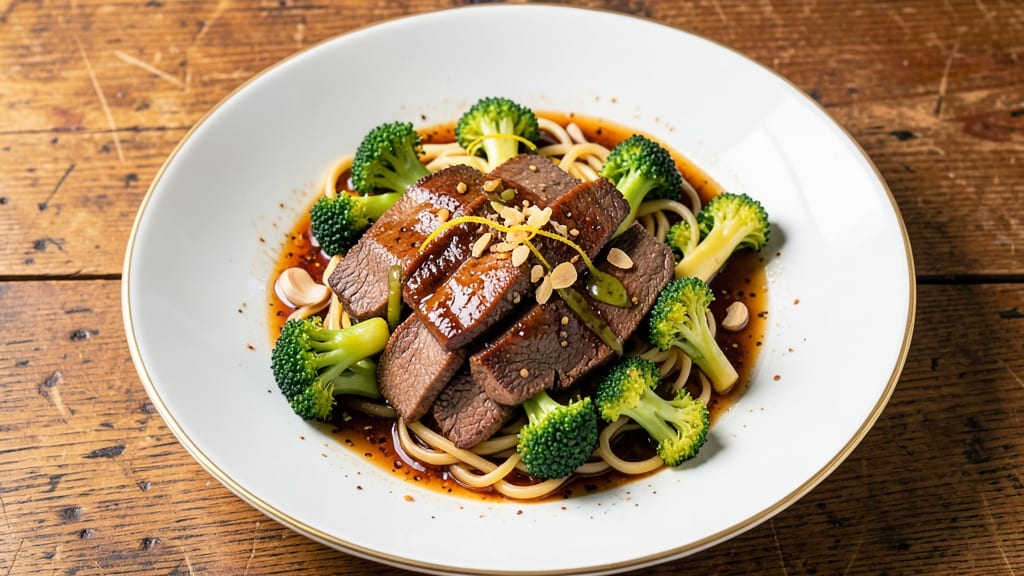
Filipino-style beef and broccoli transforms this classic dish into a silky, umami-rich masterpiece with crisp-tender beef and bright soy-ginger sauce. The secret lies in marinating the beef with calamansi juice (or lime) and a touch of soy sauce, creating a tender texture that holds up to stir-frying.
This isn't your typical beef and broccoli—it's a bold, aromatic dish where the sauce balances sweet, salty, and tangy notes perfectly.
What sets this recipe apart is the two-stage cooking method: first searing the beef until deeply browned for maximum flavor, then tossing it with broccoli in a wok until just tender-crisp. The sauce—thickened with a cornstarch slurry—coats everything in a glossy, sticky-sweet glaze that clings to every bite.
Traditional Filipino flavors like patis (fish sauce) and silky egg noodles elevate it beyond standard stir-fry territory. By the time you plate this dish, you'll have golden-brown beef strips, vibrant green broccoli florets, and silky noodles all drenched in that fragrant, glossy sauce.
The aroma alone will have everyone at the table asking for seconds. Serve it over steamed rice to soak up every last drop of that complex, savory-sweet sauce. This recipe delivers restaurant-quality results with minimal effort—just 30 minutes of active time and a few simple ingredients.
Whether you're feeding a family or hosting dinner guests, this Filipino beef and broccoli will impress without the fuss. Let's get cooking!
Ingredients for beef and broccoli filipino
These 15 ingredients deliver restaurant-quality Filipino beef and broccoli with bold soy-ginger flavors.
| Ingredient | Amount | Notes |
|---|---|---|
| Beef Sirloin 🥩 | 1 ½ lb | Thinly sliced against grain |
| Fresh Broccoli Florets 🥦 | 2 cups | Cut into bite-sized pieces |
| Egg Noodles 🍜 | 8 oz | Silky, fresh or dried |
| Calamansi Juice 🍋 | ¼ cup | Or substitute lime juice |
| Soy Sauce 🥄 | ⅓ cup | Dark soy preferred |
| Patis (Fish Sauce) 🍶 | 1 tbsp | Traditional Filipino flavor |
| Ginger Root 🧄 | 1 tbsp | Freshly grated, aromatic |
| Garlic Cloves 🧄 | 4 cloves | Minced, aromatic |
| Cornstarch 🌾 | 1 tbsp | For sauce thickening |
| Vegetable Oil 🫒 | ½ cup | High smoke point |
| Brown Sugar 🍚 | 1 tbsp | Balances flavors |
| Sesame Oil 🌿 | 1 tsp | For aromatic finish |
| Green Onions 🧅 | 4 whole | Sliced, for garnish |
| Salt 🧂 | 1 tsp | Kosher or sea salt |
| Black Pepper 🌶️ | ½ tsp | Freshly ground |
The beef selection is critical for this dish—sirloin delivers the perfect balance of tenderness and flavor when sliced thinly against the grain. Ask your butcher to slice it for you if possible, or use a sharp knife and freeze the meat for 20 minutes before slicing for cleaner cuts. For authentic Filipino flavor, source patis (fish sauce) from an Asian market—Red Boat or Tiparito are reliable brands. Calamansi juice, the star of the marinade, can be tricky to find outside the Philippines, but lime juice works beautifully as a substitute. Fresh ginger and garlic should be vibrant and aromatic—if they smell musty, it's time to replace them.
No calamansi? Lime juice plus a pinch of salt mimics the tangy brightness. Running short on patis? Worcestershire sauce at half the amount provides a similar umami depth, though it won't be identical. The egg noodles should be silky and fresh—King Noodle or Maruchan brands work well, but avoid pre-cooked noodles as they'll overcook in the stir-fry. For a gluten-free option, substitute rice noodles. The cornstarch slurry is essential for that signature glossy sauce—don't skip the water mixture or the sauce will be grainy. Brown sugar adds subtle sweetness that balances the soy's saltiness, while sesame oil provides the aromatic finish that defines this dish.
Store fresh broccoli in a sealed container with paper towels to absorb moisture—it'll stay crisp for 5 days in the fridge. The beef marinade can be prepped a day ahead, but wait to add the ginger and garlic until right before cooking to preserve their freshness. This dish reheats beautifully—simply stir-fry again with a splash of water to restore that glossy sauce. For meal prep, portion into containers with a side of rice to keep everything fresh. The flavors actually improve overnight as the sauce melds, so make extra if you can—it disappears quickly.
Why You'll Love This Recipe
- One-Pan Magic: Honestly, this dish is my lazy-day hero—just sear the beef, toss in the broccoli and noodles, then let the sauce work its magic. No chopping boards full of mess, no shifting pans, and the best part? That calamansi juice cuts through the richness like a citrusy wake-up call.
- Umami Bomb: Between us, the soy sauce and beef sirloin combo is chef’s kiss—deep, savory, and just a little salty. But here’s what sells me: the broccoli stays bright and snappy, not soggy, while the noodles soak up that tangy-sweet sauce like a dream.
- Office Lunch Reinvented: I pack this cold the night before, and by lunch, it’s still spot-on—no sad wilted veggies, no dry noodles. Sprinkle a little extra calamansi over the top, and suddenly, your sad desk lunch feels like a restaurant dish.
- Budget Flex: A single sirloin feeds four, and the rest of the ingredients? Cheap as chips. Leftovers reheat like a champ (microwave or stovetop, both work), and the sauce only gets better the next day—proof that great food doesn’t need to break the bank.
Step-by-step instructions for soy-ginger beef with silky noodles
Master this Filipino-inspired dish where tender beef meets aromatic soy-ginger sauce and silky egg noodles.
Prepare the Beef and Aromatics
Begin by slicing the 1.5 lb beef sirloin thinly against the grain into ¼-inch strips—this ensures tender bites. Pat the slices dry with paper towels to remove excess moisture, which prevents steaming instead of searing. In a small bowl, combine the 1 tbsp freshly grated ginger root, 4 minced garlic cloves, 1 tbsp brown sugar, 1 tsp salt, and 0.5 tsp black pepper. Mix well to create a vibrant marinade that will infuse the beef with bold flavors.
Transfer the beef strips to the marinade and toss gently to coat evenly. Let them sit for 15 minutes at room temperature—this allows the marinade to penetrate the meat, ensuring maximum flavor in every bite. While the beef marinates, prepare the 2 cups fresh broccoli florets by cutting them into bite-sized pieces and setting them aside.
Sear the Beef and Build the Sauce Base
Heat 0.5 cup vegetable oil in a large wok or deep skillet over medium-high heat until shimmering. Add the marinated beef in a single layer, ensuring the pieces aren't overcrowded—this prevents steaming and guarantees a proper sear. Cook for 2-3 minutes until the beef turns deep golden brown and develops a caramelized crust. Remove the beef and set it aside on a plate.
In the same wok, reduce the heat to medium and add the 2 cups broccoli florets. Stir-fry for 3-4 minutes until the florets turn bright green and just begin to soften at the edges. Remove the broccoli and set it aside with the beef. The residual heat will continue cooking the vegetables slightly, so avoid overcooking them now.
Create the Signature Soy-Ginger Sauce
Return the wok to medium-high heat and add 0.33 cup soy sauce, 1 tbsp patis (fish sauce), and 0.25 cup calamansi juice. Stir continuously for 2 minutes until the sauce begins to simmer and reduce slightly, intensifying its umami depth. Sprinkle 1 tbsp cornstarch over the sauce and stir vigorously for 1-2 minutes until the sauce thickens to a glossy, syrupy consistency—it should coat the back of a spoon.
Here's the thing—this sauce is the heart of the dish. If it thickens too quickly, add 1-2 tablespoons of water to achieve the perfect balance between cling and flow. The sauce should be vibrant, glossy, and ready to coat every strand of noodle and piece of beef.
Cook the Noodles and Combine
Bring a separate pot of water to a rolling boil and cook the 8 oz egg noodles according to package instructions until al dente—typically 3-4 minutes. Drain the noodles, reserving ½ cup of pasta water, and immediately rinse them under cold water for 10 seconds to halt cooking. This step prevents the noodles from becoming mushy when combined with the hot sauce.
Return the noodles to the pot and toss them with 1 tsp sesame oil to add a nutty aroma. Add the seared beef and broccoli back to the wok with the sauce. Toss everything together for 1-2 minutes until the noodles are fully coated and heated through. If the sauce seems too thick, add 1-2 tablespoons of reserved pasta water to loosen it to your desired consistency.
Finish and Serve with Fresh Garnish
Taste the dish and adjust seasoning if needed—add a splash more soy sauce for saltiness or a drizzle of calamansi juice for brightness. Transfer the beef and noodle mixture to serving plates and garnish with 4 sliced green onions for a pop of fresh color and mild onion flavor. Serve immediately while the noodles are still silky and the sauce is glossy.
This dish delivers a perfect harmony of textures—tender beef, crisp-tender broccoli, and silky noodles—all enveloped in a rich, aromatic soy-ginger sauce. The balance of sweet, salty, umami, and tangy flavors makes every bite unforgettable.
Pro Tips For Making Beef And Broccoli Filipino
- CUT BEEF AGAINST THE GRAIN: Thin slices won’t stay tender if you slice with the muscle fibers—hold your knife at a sharp angle and cut perpendicular to the grain. I used to skip this and ended up with chewy beef that ruined the whole dish. For sirloin, aim for ¼-inch strips, no thicker.
- BLANCH BROCCOLI FIRST: Toss florets in boiling water for 30 seconds before stir-frying—this stops them from turning mushy later. My first few batches looked perfect until the noodles got soggy from overcooked broccoli. Drain well and pat dry with a towel afterward.
- USE CALAMANSI JUICE LAST: Add the juice right at the end, just before serving—it’s too acidic to simmer with the beef or noodles. I learned this after a batch tasted bitter because I mixed it in too early. A splash (1-2 tablespoons) brightens the sauce without overpowering it.
- SALT THE NOODLES WATER: Boil noodles in salted water (like pasta) and rinse just until they stop sticking—leftover starch makes the sauce gluey. I used to skip this, and the dish ended up with a thick, pasty consistency. A quick rinse keeps everything light and separates properly.
Dietary considerations for this dish
Gluten-Free Adaptation
This Filipino beef and broccoli recipe can easily be made gluten-free by swapping the traditional soy sauce for a tamari or gluten-free soy sauce like San-J Tamari. I recommend using ⅓ cup gluten-free soy sauce plus 1 tsp rice vinegar to mimic the depth of regular soy sauce.
The cornstarch slurry can be replaced with arrowroot powder (use the same amount) for thickening. Always check labels on patis (fish sauce) and sesame oil to ensure they're certified gluten-free. 🌱
Low-Carb Options
For a lower-carb version, replace the egg noodles with shirataki noodles (konjac-based) or zucchini noodles. I prefer Miracle Noodle shirataki because they absorb the sauce beautifully while keeping carbs minimal.
If using zucchini noodles, sauté them separately for 1-2 minutes before combining with the beef and broccoli to prevent mushiness. Serve over cauliflower rice instead of traditional white rice for a complete low-carb meal.
Dairy-Free Considerations
This recipe is naturally dairy-free, but always double-check your patis (fish sauce) and soy sauce brands for accidental dairy additives. The sesame oil and calamansi juice are both dairy-free, so no substitutions are needed.
For extra richness, stir in 1 tsp coconut aminos with the soy sauce to enhance umami flavors. The dish remains vibrant and flavorful without any dairy components. ✨
Allergen-Friendly Substitutions
For nut allergies, avoid sesame oil and replace it with avocado oil (neutral flavor) or toasted coconut oil (adds subtle sweetness). If shellfish allergies are a concern, substitute patis with ½ tsp extra soy sauce plus ½ tsp sugar to replicate the umami depth.
For egg allergies, use gluten-free rice noodles instead of egg noodles. Always verify all ingredient labels for potential cross-contamination warnings.
Protein Variations
For a vegetarian version, replace the beef with extra-firm tofu pressed and sliced into strips. Marinate the tofu in the same soy-ginger mixture for 20 minutes before cooking. For seafood lovers, swap beef for shrimp or scallops—cook them for just 1-2 minutes until opaque.
Both alternatives maintain the dish's signature sauce and texture profile while adapting to different dietary needs. 🍤
Nutrition facts
Frequently asked questions
What makes this Filipino beef and broccoli different from Chinese versions?
This recipe incorporates key Filipino flavors like calamansi juice (or lime) and patis (fish sauce) that give it a brighter, umami-rich depth. The sauce also uses brown sugar and ginger for a sweet-savory balance, while the egg noodles add a silky texture that's more common in Filipino stir-fries. The cooking technique focuses on high-heat searing followed by a glossy sauce finish that's distinctly Filipino.
Can I substitute calamansi juice if I can't find it?
Yes! Use lime juice (same amount) plus a pinch of salt to mimic the tangy brightness. For extra depth, add ½ tsp sugar to balance the acidity. If you have lemon juice, it works too but will be slightly less sour—reduce to ¼ cup and add ½ tsp extra sugar to compensate. The key is maintaining that citrusy punch that cuts through the richness.
How do I prevent the noodles from getting mushy?
Cook the noodles just until al dente (1 minute less than package instructions), then rinse briefly under cold water to stop cooking. Toss them immediately with sesame oil before adding to the wok. The high heat from the beef and sauce will finish cooking them perfectly. Never overcook the noodles beforehand—they'll absorb too much sauce and turn limp.
What's the best way to store leftovers?
Store in an airtight container in the fridge for up to 3 days. Reheat gently in a skillet with 1 tbsp water to restore the sauce's glossiness. For freezing, portion into individual containers—it reheats best when thawed overnight in the fridge rather than microwaved directly. The sauce may thicken slightly when reheated, so add a splash of water or soy sauce to loosen it.
Can I make this dish spicier?
Add ½ tsp chili flakes or 1 tsp sambal oelek to the sauce for heat. For smoky depth, stir in ½ tsp ground Sichuan peppercorns (toasted first). If using fresh chilies, add them whole to the wok during the sauce stage and remove before serving. Start with small amounts—Filipino flavors are already bold, and you can always add more!