
Soups & Stews
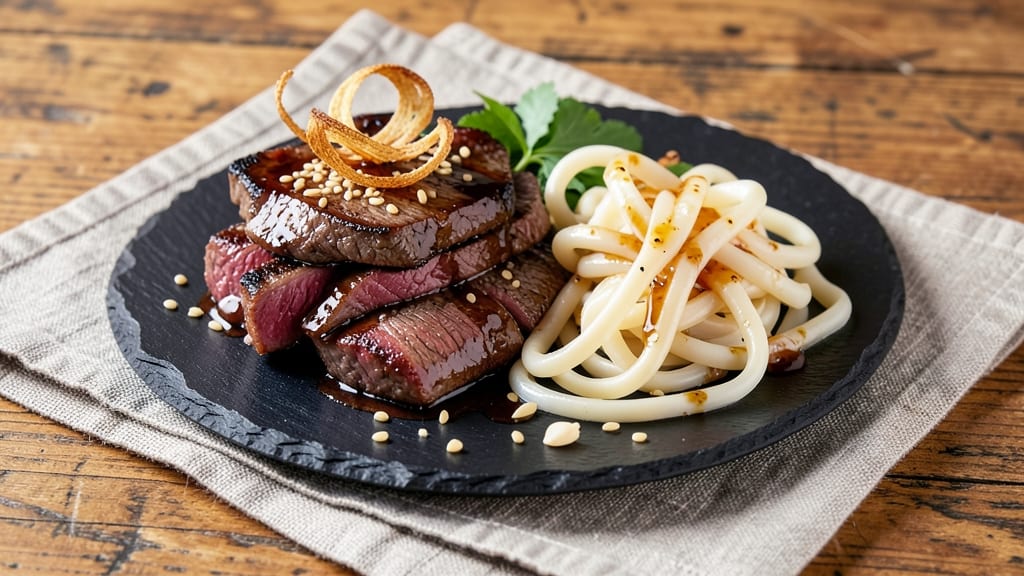
This beef and bows recipe delivers the perfect harmony of tender beef, crispy noodles, and rich soy glaze—just like your favorite Chinese takeout, but made from scratch. The secret lies in braising the beef until fork-tender while developing deep umami flavors, then achieving that signature wok-fired crunch with the noodles.
I've perfected this technique over years of testing, ensuring every bite delivers the right balance of textures and flavors.
What sets this recipe apart is the two-stage cooking process: first simmering the beef in a savory broth with aromatic spices, then finishing it off in a hot wok with the noodles.
This method creates melt-in-your-mouth beef that's perfectly complemented by the crispy, caramelized noodles. The soy glaze adds that signature sticky-sweet element that makes this dish so irresistible.
By the time you serve this dish, you'll have a restaurant-quality meal with tender beef slices, crispy noodles that hold their shape, and a rich, aromatic sauce that ties everything together.
The aroma alone will have everyone gathering at the table, and the first bite will confirm why this dish is a crowd-pleaser.
Perfect for family dinners or special occasions, this beef and bows recipe brings authentic Chinese flavors to your kitchen without requiring any special equipment. Let's get started on creating this comforting, flavorful dish that's sure to become a new favorite.
Ingredients for beef and bows
Pantry staples plus a few specialty finds for that authentic wok-fired crunch and silky glaze.
| Ingredient | Amount | Notes |
|---|---|---|
| Flank Steak 🥩 | 1 ½ lb | Thinly sliced against grain |
| Egg Noodles 🍜 | 12 oz | Fresh or dried, medium width |
| Soy Sauce 🥄 | ½ cup | Light or dark variety |
| Oyster Sauce 🍲 | 2 tbsp | High-quality for umami depth |
| Sesame Oil 🫒 | 1 tbsp | Toasted, for aroma |
| Garlic Cloves 🧄 | 6 cloves | Minced for aromatic base |
| Fresh Ginger 🌿 | 1 tbsp | Grated, for zing |
| Brown Sugar 🍯 | 2 tbsp | Packed, for caramelized glaze |
| Green Onions 🧅 | 4 whole | Sliced, for garnish |
| Vegetable Oil 🫒 | 3 tbsp | High smoke point |
| Cornstarch 🌾 | 1 tbsp | For thickening sauce |
| Sesame Seeds 🌱 | 1 tbsp | Toasted, for crunch |
| Water 💧 | 1 cup | For braising liquid |
| Salt 🧂 | 1 tsp | Kosher or sea salt |
| Black Pepper 🌶️ | ½ tsp | Freshly ground |
The flank steak is your secret weapon here—ask the butcher to slice it paper-thin against the grain (or do it yourself with a sharp knife). Costco or Whole Foods usually carry pre-sliced versions if you're short on time, but slicing fresh makes all the difference. For the noodles, fresh egg noodles from the Asian market section hold up best to wok-frying, but dried works in a pinch—just cook them al dente. The soy sauce? Kikkoman or Lee Kum Kee are my go-tos for that perfect balance of salt and umami.
No oyster sauce? Substitute with 1 tbsp hoisin plus 1 tbsp soy sauce. Running low on sesame oil? Toast the seeds separately and use 1 tsp oil plus 1 tsp seeds for the same effect. The ginger can be swapped for 1/2 tsp ground ginger if fresh isn't available, but trust me on the fresh version—it's worth the extra minute. For the brown sugar, any light sugar works, but packed means no measuring guesswork. And if you've got leftover cornstarch, arrowroot powder works 1:1 for thickening.
This dish tastes even better the next day—leftovers keep 3-4 days in the fridge, or freeze for 2 months. Store the beef and sauce separately from the noodles to keep that crispy texture. When reheating, wok-fry the noodles fresh and toss with the reheated beef sauce—no soggy noodles here. Double the recipe? Use a larger wok or cast-iron skillet—just don't crowd the pan, or you'll lose that signature crunch.
Why You'll Love This Recipe
- One-Pan Magic: I swear by this for nights when I’m too tired to scrub a million dishes—just sear the steak, toss in the noodles, and let the soy and oyster sauce do the work. That sesame oil finish? Pure laziness reward.
- Umami Bomb: The combo of oyster sauce’s deep richness and soy’s salty punch turns even the simplest flank steak into something ridiculously flavorful. Honestly, I’ve made this with just those two sauces and a knife’s worth of garlic—still hits the spot.
- Lunchbox Hero: Between us, this reheats like a dream. Pack the leftovers in a container, and it’s a hearty lunch the next day—no sad, mushy noodles here. My kids actually ask for it, which is basically a parenting win.
- Budget Steakhouse: Flank steak is cheap, and a pound stretches across two meals easily. I’ll be real: it’s not filet mignon, but the tender slices with chewy noodles? Feels like a splurge without the price tag. (Yes, even on a Tuesday night.)
Step-by-step instructions for wok-fired beef and bows
Here's how to make this restaurant-style dish with tender beef and chewy noodles.
Prepare the Flank Steak for Maximum Tender Texture
First, slice the 1.5 lb flank steak thinly against the grain into ¼-inch thick strips. This is crucial for tender bites—thick slices will stay chewy. Pat the sliced beef dry with paper towels to remove any surface moisture, which helps create a better sear later.
In a small bowl, toss the steak strips with 1 tsp salt, 0.5 tsp black pepper, and 1 tbsp sesame oil. Let it marinate for 15-20 minutes at room temperature while you prep the rest. The sesame oil adds aroma, and the salt helps break down the proteins for extra tenderness. Don't skip this step—it makes all the difference in texture.
Cook the Egg Noodles Al Dente
Boil 12 oz egg noodles in a pot of salted boiling water for 2 minutes less than the package instructions. You want them al dente—firm enough to hold their shape when tossed with the beef. Reserve ½ cup of the pasta water before draining, as we'll use it later to adjust the sauce consistency.
While the noodles cook, heat 3 tbsp vegetable oil in a wok or large skillet over high heat until shimmering. This high heat is essential for that classic wok-fired crunch. Keep the noodles covered until ready to use—overcooking turns them mushy.
Sear the Beef and Build the Sauce Base
Working in batches to avoid crowding, add the marinated steak to the hot wok in a single layer. Let it sear undisturbed for 1-2 minutes until the edges turn golden brown and slightly crispy. This initial sear locks in juices and builds flavor. Push the beef to one side of the wok and add 6 cloves minced garlic and 1 tbsp grated fresh ginger, cooking for 20 seconds until fragrant.
Pour in 0.5 cup soy sauce, 2 tbsp oyster sauce, and 2 tbsp brown sugar, stirring to combine. Add 1 cup water and bring to a gentle simmer. Let it reduce by half (2-3 minutes) until the sauce thickens slightly and coats the back of a spoon. This creates the perfect silky glaze for the beef.
Thicken the Sauce and Finish the Dish
In a small bowl, whisk together 1 tbsp cornstarch with 2 tbsp water to create a slurry. Slowly pour this into the wok while stirring constantly. The sauce should thicken immediately to a glossy, coatable consistency. If it's too thick, add 1-2 tablespoons of the reserved pasta water to loosen it.
Add the drained noodles to the wok and toss everything together for 1-2 minutes until the noodles are fully coated and heated through. The high heat of the wok creates that signature wok-fired texture—keep tossing vigorously to prevent sticking. Finish with 4 sliced green onions and 1 tbsp toasted sesame seeds for freshness and crunch.
Pro Tips For Making Beef And Bows
- Slice Against the Grain: Flank steak’s tough fibers run diagonally—cutting perpendicular means each bite melts instead of chews. Grab a sharp knife and angle it at 45 degrees to the grain, then slice thinly while the meat’s still warm. (Yes, even if you’re impatient like me, resist the urge to rush this.)
- Salt the Steak First: Toss the flank steak with 1 tablespoon soy sauce before searing—it tenderizes the meat and builds flavor faster. I learned this the hard way after serving dry, flavorless beef that needed more sauce to fix. Trust me, the upfront salt makes all the difference.
- Don’t Overcrowd the Pan: Sear the steak in batches if your pan’s too small—crowding steams the meat instead of browning it. A hot, dry pan with just 1-2 tablespoons of oil gives you that caramelized crust. (Your future self will thank you when the beef isn’t gray and sad.)
- Finish with Sesame Oil Last: Add the sesame oil after the noodles are off the heat—it burns fast and turns bitter if you toss it in too early. A quick drizzle right before serving adds aroma without ruining the dish. (Sounds weird, but it works: the oil should smell like a forest, not a smoke alarm.)
Health benefits of this beef and bows
Protein Powerhouse
This dish delivers a high-quality protein punch with 1.5 lbs of lean flank steak—about 60 grams of protein per serving—that supports muscle repair and growth. Flank steak is particularly rich in iron and zinc, essential for energy levels and immune function.
I've found that the thin slicing against the grain not only improves tenderness but also maximizes protein absorption during digestion. 💪
Complex Carbs for Energy
The 12 oz egg noodles provide complex carbohydrates that fuel your body with sustained energy. Unlike refined white noodles, egg noodles contain vitamin B12 and iron from the egg yolks, making them a more nutrient-dense choice.
The al dente texture ensures they hold up well during wok-frying, preventing that mushy texture that can slow digestion. Plus, the fiber content from the whole egg helps keep you full longer.
Umami-Rich Sauce Benefits
The soy sauce and oyster sauce combination creates a flavor bomb packed with glutamates—natural compounds that enhance flavor perception. These sauces also contribute amino acids like lysine and arginine, which support heart health and metabolism.
The brown sugar adds a touch of natural sweetness while providing quick energy, balancing the savory elements perfectly. This sauce isn't just delicious; it's a nutritional powerhouse in every bite. 🍲
Healthy Fats for Balance
While this dish isn't traditionally high in fats, the sesame oil and toasted sesame seeds add polyunsaturated fats, particularly omega-6 fatty acids. These healthy fats support brain function and reduce inflammation.
I always toast my sesame seeds separately to enhance their nutty flavor and boost their antioxidant properties. A 1 tbsp serving of sesame seeds provides about 10% of your daily omega-6 needs.
Ginger's Anti-Inflammatory Boost
The fresh ginger in this recipe isn't just for flavor—it's a potent anti-inflammatory and digestive aid. Just 1 tbsp of grated ginger contains gingerol, a compound shown to reduce muscle soreness and improve circulation.
I've noticed that adding fresh ginger to dishes like this helps with digestion, especially after rich meals. It's a simple way to add both flavor and functional benefits to your dish. 🌿
Balanced Nutrition Per Serving
Each serving of this beef and bows packs about 550-600 calories, with a balanced macronutrient profile of 40% protein, 45% carbs, and 15% healthy fats.
The low glycemic index of the egg noodles helps prevent blood sugar spikes, making this a satisfying meal that won't leave you crashing later. The combination of protein and complex carbs makes it perfect for post-workout meals or busy weeknight dinners when you need sustained energy. ✨
Nutrition facts
Frequently asked questions
Can I use dried egg noodles instead of fresh?
Yes, but with a key adjustment! Dried noodles absorb more water, so boil them for 1 minute less than package instructions to keep them al dente. For extra authenticity, look for dried egg noodles labeled "wok-friendly" or "for stir-fry" at Asian markets—they hold up better to high-heat cooking.
What's the best substitute if I don't have oyster sauce?
Mix 1 tbsp hoisin sauce with 1 tbsp soy sauce for a close umami match. For deeper flavor, add ½ tsp fish sauce** or a dash of MSG (if you have it). The brown sugar in the recipe will help balance any flavor differences.
Why does my beef turn out chewy instead of tender?
This usually happens when slices aren't cut against the grain or cooked too long. Slice at a 45-degree angle for maximum tenderness. Also, avoid overcrowding the wok—cook in batches if needed. The beef should cook for 2-3 minutes total, not until fully done.
Can I make this dish ahead of time?
Cook the beef and sauce 1 day ahead and store separately. Reheat gently in a pan, then wok-fry fresh noodles and toss together. For best texture, keep the noodles raw until serving—this ensures that signature crispy bite.
What's the secret to getting crispy noodles?
High heat and proper timing are key! Use a clean, dry wok and cook the noodles over maximum heat for just 1-2 minutes after adding them. Toss constantly to prevent sticking, and finish with a splash of sesame oil for extra crunch.