
Sauces & Condiments
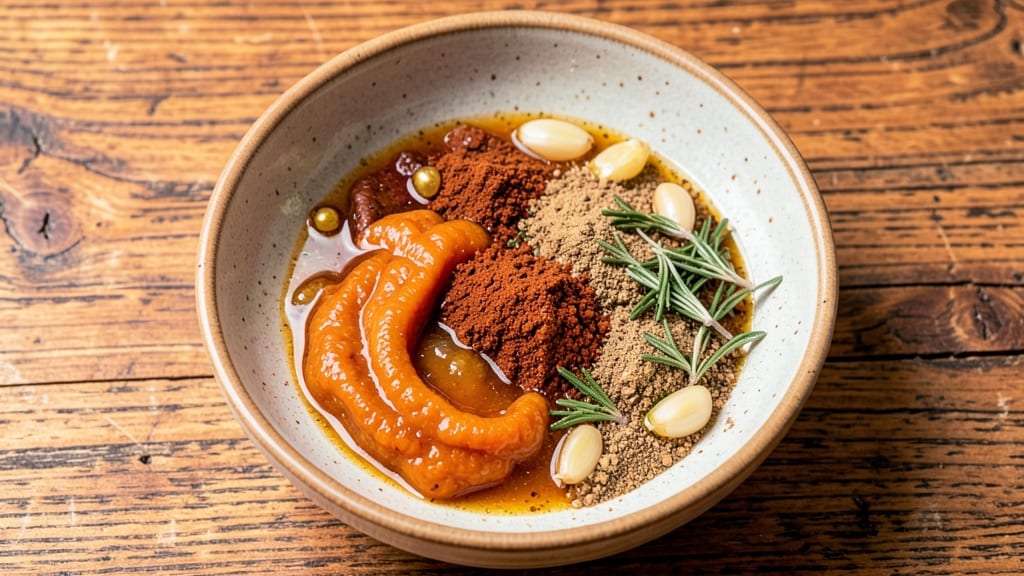
This beef al pastor marinade recipe unlocks the smoky-sweet, citrusy depth that makes street tacos legendary. The combination of pineapple juice, ancho chiles, and achiote paste creates a bright, slightly tangy marinade that tenderizes tough cuts while infusing them with authentic Mexican flavors. I developed this version after years of testing—it’s the one that finally delivers that signature al pastor taste at home, without shortcuts.
The secret lies in the balance: pineapple’s acidity breaks down meat while its natural sugars caramelize, creating a sticky, flavorful crust. Ancho chiles add smoky depth, while garlic and cumin bring warmth.
Let the beef marinate for at least 4 hours (overnight for maximum tenderness), and you’ll end up with meat that’s fork-tender and packed with layers of flavor. This marinade works equally well for skirt steak, flank steak, or even chicken.
What makes this marinade special is its versatility—use it for tacos, grilled skewers, or even as a sauce by reducing it slightly. The blend of spices and citrus ensures every bite is vibrant, not overpowering.
Store any leftovers in an airtight container in the fridge for up to 5 days, or freeze for longer storage. Adjust the heat by adding more chiles if you prefer a fierier kick.
The result? Meat that’s so flavorful, it transforms simple tacos into a restaurant-worthy experience. Ready to elevate your cooking? Here’s everything you need to make it.
Ingredients for beef al pastor marinade
Nine ingredients, endless flavor—this marinade turns tough beef into al pastor magic.
| Ingredient | Amount | Notes |
|---|---|---|
| Pineapple Juice 🍍 | 1 cup | Freshly squeezed preferred |
| Ancho Chile Powder 🌶️ | 2 tbsp | Smoked and mild preferred |
| Achiote Paste 🧂 | 1 tbsp | For authentic color and flavor |
| Garlic Cloves 🧄 | 6 cloves | Peeled and minced finely |
| Ground Cumin 🌿 | 1 tbsp | Toasted for deeper flavor |
| Mexican Oregano 🍃 | 1 tbsp | Not regular oregano |
| White Vinegar 💧 | 1 tbsp | For brightness |
| Olive Oil 🫒 | ½ cup | Extra-virgin for richness |
| Brown Sugar 🍬 | 2 tbsp | Light or dark works |
| Salt 🧂 | 1 tsp | Kosher or sea salt |
The ancho chile powder is non-negotiable for that signature smoky depth. Penzeys or bulk bins at Latin markets have the best quality—avoid the dusty stuff that’s been sitting forever. Achiote paste gives it that signature orange hue (and flavor), so don’t skip it. I grab mine from Trader Joe's or MexGrocer online—they sell it in tubes that keep perfectly. For the pineapple juice, fresh is ideal, but Dole or Del Monte cans work in a pinch. Just shake well before using. The garlic? Six cloves is perfect—don’t eyeball it, or the flavor gets uneven.
No ancho chile powder? Substitute 1 tbsp smoked paprika plus 1/2 tsp cayenne for heat. Mexican oregano is a must (regular oregano won’t cut it), but if you’re desperate, dried thyme at half the amount works. Skip the vinegar? A splash of lime juice keeps the brightness. The brown sugar can be swapped for honey or agave, though it’ll taste slightly different. Olive oil is flexible—use avocado oil if you prefer, but stick with extra-virgin. And yes, you can make this without achiote, but the color (and some flavor) will suffer—trust me on that.
This marinade keeps in the fridge for 5 days—just store it in an airtight container. Freeze for up to 3 months if you’re prepping ahead. The beef absorbs the marinade best when refrigerated, so don’t rush the 4-hour minimum. Pro tip: If you’re marinating overnight, let the beef come to room temp for 30 minutes before cooking for even better results. And if you have leftovers? Reduce the marinade by simmering it down—it makes an incredible al pastor sauce for tacos or grilled veggies.
Why You'll Love This Recipe
- Pantry Magic: Honestly, I keep this marinade base in my fridge all the time—just pineapple juice, a spoonful of achiote paste, and a pinch of cumin. No fancy prep, no last-minute grocery runs. The ancho chile adds depth instantly, so you’re not starting from scratch when you’re ready to grill.
- Sweet Heat Balance: That pineapple juice isn’t just for sweetness—it tenderizes the beef while the achiote and garlic create this smoky, slightly charred flavor. Between us, the first bite off the grill? It’s the kind of thing that makes you pause mid-conversation.
- Weeknight to Party: I use this marinade for tacos on Tuesdays and carnitas for Sunday dinners. Same base, different occasions. The cumin keeps it warm and earthy, while the achiote gives it that vibrant color—so it looks as good as it tastes, even when you’re feeding a crowd.
- Budget-Friendly Upgrade: Achiote paste and ancho chile are cheap but pack serious flavor. I stretch this marinade across three meals—grilled beef, shredded for burritos, even as a rub for roasted potatoes. No waste, just more delicious leftovers that don’t feel like leftovers.
Step-by-step instructions for beef al pastor marinade
This marinade delivers smoky, sweet, and tangy depth that tenderizes even the toughest cuts.
Whisk Together Wet Ingredients
In a medium bowl, combine the 1 cup pineapple juice, 1 tablespoon white vinegar, and 2 tablespoons brown sugar. Stir until the sugar dissolves completely—this ensures even distribution throughout the marinade. The pineapple juice not only tenderizes the meat but also adds a bright, tropical contrast to the smoky flavors. I like to use freshly squeezed pineapple juice for maximum freshness, but canned works in a pinch if you strain out any excess liquid.
Next, add the 0.5 cup olive oil and whisk vigorously for about 30 seconds until the mixture emulsifies slightly. This creates a silky base that helps the marinade cling to the meat. The olive oil also carries the fat-soluble flavors of the spices deeper into the beef. If the mixture looks too thick after adding the oil, add 1-2 teaspoons of water to reach a pourable consistency.
Incorporate Aromatics and Spices
Add the 6 cloves minced garlic, 1 tablespoon ground cumin, 1 tablespoon Mexican oregano, 2 tablespoons ancho chile powder, and 1 teaspoon salt to the bowl. Stir well to combine all ingredients thoroughly. The ancho chile powder brings that signature smoky depth, while the Mexican oregano adds an earthy, slightly citrusy note that's essential for authentic al pastor flavor. Don't skip the salt—it enhances all the other flavors and helps tenderize the meat.
Now add the 1 tablespoon achiote paste and mix until completely dissolved. The achiote gives the marinade its distinctive reddish-orange color and adds a subtle, slightly sweet flavor. If you're using a high-quality paste, it should blend smoothly without leaving any grainy texture. If the mixture looks too thick after adding all ingredients, add 1-2 teaspoons more pineapple juice to reach a smooth, pourable consistency.
Marinate the Beef Properly
Transfer the marinade to a resealable plastic bag or a shallow dish with a lid. Add the beef cuts and ensure they're completely coated by massaging the marinade into the meat. For best results, I recommend using thinly sliced beef shoulder or flank steak—these cuts benefit most from the marinade's tenderizing properties. If using thicker cuts, make sure to pierce them lightly with a fork to help the marinade penetrate deeper.
Seal the bag or cover the dish and refrigerate for at least 4 hours, but ideally overnight for maximum flavor penetration and tenderness. The acidity in the pineapple juice and vinegar works overtime during this time to break down the meat fibers. Don't rush this step—proper marination makes the difference between tough, chewy beef and melt-in-your-mouth al pastor. If you're short on time, a minimum of 2 hours will still yield good results, though the flavor won't be as deep.
Prepare for Cooking
Before cooking, remove the beef from the refrigerator and let it sit at room temperature for 20-30 minutes. This ensures even cooking throughout. The marinade may look slightly separated after refrigeration—this is normal. Give it a quick stir or shake to redistribute the ingredients before using.
When ready to cook, I recommend either grilling or cooking in a skillet over medium-high heat for a few minutes per side until the beef reaches 145°F for medium-rare. The marinade will caramelize beautifully, creating a sticky, flavorful crust on the outside. For authentic al pastor, you can also use the marinade to baste the meat while it cooks, adding another layer of flavor. Serve immediately with warm tortillas, fresh pineapple slices, and a sprinkle of cilantro for a complete experience.
Pro Tips For Making Beef Al Pastor Marinade
- Bloom the Ancho First: I learned this the hard way—dry-toasting the ancho chile powder for 30 seconds in a dry skillet before adding it to the marinade deepens the smoky flavor and cuts through the bitterness. Just don’t walk away; watch it like a hawk or it’ll turn to ash.
- Strain the Pineapple Juice: That fibrous pulp from cheap canned pineapple? It’ll clog your blender and make the marinade grainy. Strain it through a fine-mesh sieve first—yes, even if you’re using fresh juice, because trust me, you’ll regret skipping this.
- Marinate Cold, Not Room Temp: I used to dump everything in a bowl and let it sit at counter temp, thinking it’d absorb faster. Wrong. The acid in pineapple juice will start "cooking" the meat at room temperature, turning it mushy. Keep the marinade and meat in the fridge for at least 4 hours—overnight is better.
- Toast the Cumin Lightly: Freshly ground cumin smells amazing, but toasting it for 1 minute in a dry pan until fragrant adds a nutty depth that store-bought powder can’t match. Just don’t let it burn—it’ll taste like a campfire instead of a tacos al pastor stand.
Essential equipment for great beef al pastor marinade
Mixing Essentials
You’ll need a medium mixing bowl with a whisk—I prefer a silicon-coated whisk from OXO because it’s gentle on bowls and mixes ingredients thoroughly. A measuring cup and spoons are essential for precision, especially with the 2 tbsp ancho chile powder and 1 tbsp achiote paste.
For the garlic, a garlic press saves time, but a sharp knife works too. 🧄
Marinating Containers
Use a resealable plastic bag (like Glad brand) for even coating—massage the marinade into the meat right in the bag. Alternatively, a shallow glass or ceramic dish with a lid works well.
For larger batches, a large baking dish (like Pyrex) keeps everything contained. Just ensure the container is food-safe and airtight to prevent leaks.
Heat Source Options
For cooking, a cast-iron skillet (like Lodge) is ideal—its heavy base distributes heat evenly and creates a perfect crust. A grill (charcoal or gas) works too, especially for larger cuts.
If you’re using skewers, soak wooden ones in water for 30 minutes first to prevent burning. For a smoky touch, a grill pan with ridges mimics traditional al pastor grilling.
Storage Solutions
Store leftovers in a glass airtight container (like Mason jars) in the fridge for up to 5 days. For freezing, use freezer-safe bags or silicone molds—leave 1 inch headspace for expansion.
Label with the date to track freshness. A vacuum sealer (like FoodSaver) extends shelf life to 3 months while preserving flavor. ❄️
Optional Upgrades
Invest in a mortar and pestle for fresh garlic and spices if you love texture. A meat thermometer (like Thermoworks) ensures perfect doneness—aim for 145°F for medium-rare. For authenticity, a taqueria-style comal (cast-iron griddle) adds that smoky, charred flavor. A fine-mesh strainer helps if you prefer a smoother marinade.
Budget-Friendly Swaps
Skip the fancy tools and use a wooden spoon for mixing. A stainless steel bowl works for marinating, and a basic instant-read thermometer suffices. For achiote paste, paprika + a pinch of turmeric mimics the color.
A cheap plastic bag or foil-covered dish holds marinating meat just fine. The key is technique, not gear—start simple and upgrade as you go! 💡
Nutrition facts
Frequently asked questions
Can I use chicken or pork instead of beef?
This marinade works perfectly with chicken thighs or pork shoulder. For chicken, marinate for 2-4 hours (it cooks faster), while pork benefits from overnight marination for maximum tenderness. The pineapple and spices will create that signature al pastor flavor regardless of the meat type. Just adjust cooking times—chicken to 165°F and pork to 145°F.
What if I can't find ancho chile powder?
No problem! Mix 1 tbsp smoked paprika with ½ tsp cayenne pepper for heat and smokiness. For color, add ¼ tsp turmeric—it won’t replicate achiote’s depth but helps visually. The marinade will still taste amazing, just with slightly different complexity. If you’re feeling adventurous, try dried guajillo chiles blended into a powder for a closer match.
How do I prevent the marinade from making the meat too mushy?
Over-marinating can break down meat fibers too much. For beef, stick to 4-24 hours max—never exceed 12 hours for tender cuts like flank steak. Use a resealable bag and refrigerate to slow the acidity’s effect. If you’re short on time, 2 hours still works but may require slightly longer cooking. Always pat meat dry before cooking to ensure a good sear.
Can I make this marinade ahead of time?
Yes! Prepare the marinade up to 5 days ahead and store it in an airtight container in the fridge. For longer storage, freeze it for up to 3 months. Thaw overnight in the fridge before using. The flavors deepen over time, but the acidity (pineapple/vinegar) becomes more potent—so marinate the meat for the full 4 hours even if you’ve prepped the marinade earlier.
What’s the best way to cook marinated al pastor beef?
For authentic results, use a cast-iron skillet or grill over medium-high heat. Sear the beef for 2-3 minutes per side until it reaches 145°F for medium-rare. For extra flavor, baste with the leftover marinade during cooking. If using skewers, grill until charred and tender. Avoid slow cooking—the high heat is key to that smoky, caramelized crust that defines al pastor.