
Main Courses
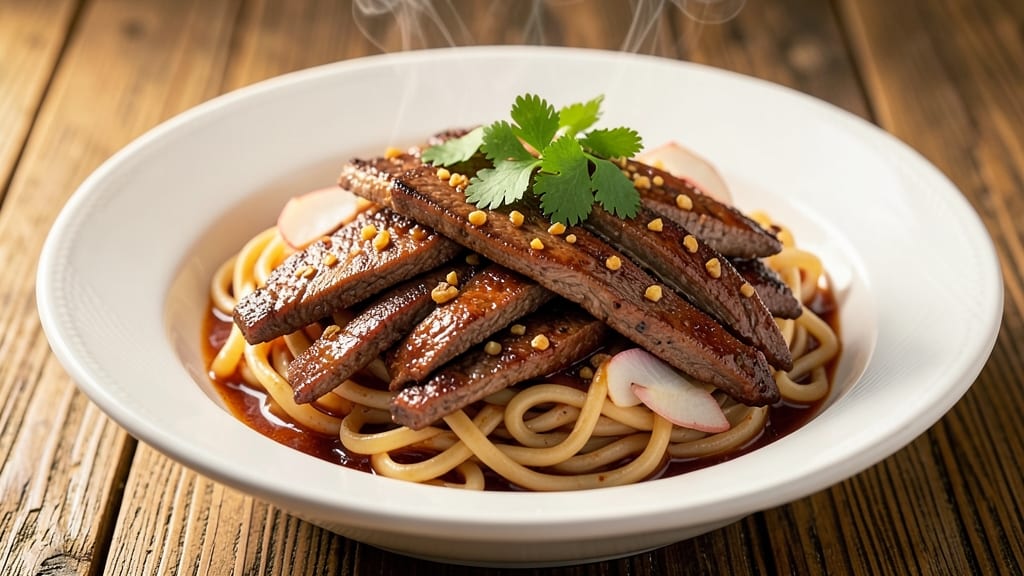
This BBQ beef noodles recipe delivers the perfect balance of smoky-sweet flavors and satisfying texture in every bite. 🔥 After years of perfecting my wok technique, I've created a dish that transforms simple ingredients into a restaurant-quality meal.
The key lies in marinating the beef just right and achieving that signature caramelized crust through precise stir-frying.
The process begins with tender beef strips marinated in a blend of soy sauce, brown sugar, and aromatic spices, then quickly seared in a hot wok for maximum flavor development.
Fresh egg noodles absorb the rich BBQ sauce while maintaining their perfect bite, creating a dish that's both hearty and elegant. What makes this recipe truly special is how the smoky-sweet sauce clings to every strand of noodle, creating a cohesive, flavorful bite.
By the time you're done, you'll have a dish that's crispy on the edges, tender in the center, and packed with layers of umami and caramelized sweetness. The aroma alone will have everyone gathering around your table.
This recipe serves four and comes together in about 30 minutes, making it perfect for weeknight dinners or weekend gatherings.
Serve with a side of steamed vegetables or a simple green salad to round out the meal. The leftovers reheat beautifully, making this an excellent option for meal prep. Let's get cooking!
Ingredients for bbq beef noodles
These 14 ingredients transform into a smoky-sweet wok masterpiece that'll have everyone asking for seconds.
| Ingredient | Amount | Notes |
|---|---|---|
| Flank Steak 🥩 | 1 lb | Thinly sliced against grain |
| Egg Noodles 🍜 | 12 oz | Fresh or dried, cooked al dente |
| Soy Sauce 🥄 | ½ cup | High-quality, preferably Japanese |
| Brown Sugar 🍯 | ¼ cup | Light or dark, packed |
| Garlic Cloves 🧄 | 6 cloves | Minced, fresh preferred |
| Ginger Root 🌿 | 1 tbsp | Freshly grated, aromatic |
| Sesame Oil 🫒 | 1 tbsp | Toasted, for aroma |
| Vegetable Oil 🫒 | 2 tbsp | High smoke point for wok |
| Green Onions 🧅 | ¼ cup | Sliced, white and green parts |
| Sesame Seeds 🌱 | 1 tbsp | Toasted, for garnish |
| Red Chili Flakes 🌶️ | ½ tsp | Adjust for heat preference |
| Black Pepper 🌶️ | ½ tsp | Freshly cracked |
| Hoisin Sauce 🥄 | 2 tbsp | For depth of flavor |
| Rice Vinegar 🍶 | 1 tbsp | For brightness |
The beef is where all the magic happens. Flank steak is my go-to because it's lean but tender when sliced thinly against the grain. Grab it from the butcher section if possible—they can slice it for you right there. Costco or Whole Foods usually have great quality, but any supermarket steak counter works. Look for bright red meat with good marbling—it'll give you that perfect caramelized crust when seared. Pro tip: slice it yourself if you can, but pre-sliced is fine in a pinch. Just make sure it's paper-thin strips, about 1/8-inch thick. That's what gives you that signature wok-fried crunch.
No hoisin sauce? Mix 1 tbsp soy sauce with 1 tbsp brown sugar and 1 tsp sesame oil—it's not identical, but it'll get you close. Running out of sesame oil? Avocado or peanut oil works in a bind, but toast it in the wok first to get that nutty aroma. Fresh ginger? Ground ginger at half the amount is fine, but it won't have the same zing. The egg noodles can be fresh or dried—just cook them al dente so they don't turn mushy when the hot beef hits. And if you're feeling fancy, swap the green onions for scallions or chives—they all bring that fresh bite. The brown sugar should be packed into your measuring cup for accuracy, and don't skip the rice vinegar—it's what cuts through all that richness.
This dish tastes even better the next day, so double the recipe if you're feeding a crowd. Store leftovers in airtight containers for up to 3 days in the fridge, or freeze for 2 months. The noodles might get a little soft when reheated, so I like to add a splash of water or broth to loosen things up. For meal prep, portion into containers with the sauce on top—it keeps everything together and makes reheating a breeze. The sesame seeds and chili flakes can be added fresh when serving, so they stay crispy and aromatic.
Why You'll Love This Recipe
- One-Pan Magic: I swear by this recipe—just sear the flank steak, toss in the garlic and soy sauce, let it caramelize with brown sugar, then dump in the noodles. No extra pots, no fuss, and the flavors meld together perfectly while you’re busy with whatever else life throws at you.
- Sweet-Savory Balance: That brown sugar isn’t just for show—it cuts through the richness of the steak while the soy sauce adds depth. The garlic? Oh, it’s there, but in the best way, like a warm hug for your taste buds. (Yes, even on a Tuesday night.)
- Leftover Hero: This dish actually improves the next day. The noodles soak up the sauce better, and the steak gets even more tender. I make a double batch on Sundays because reheating it for lunch? Absolute win. Minimal effort, maximum satisfaction.
- Budget-Friendly Powerhouse: Flank steak stretches far when sliced thin, and egg noodles are cheap but deliver big flavor. A few cloves of garlic and a spoonful of brown sugar transform this into something restaurant-worthy without breaking the bank. Honestly, it’s my go-to when I need to feed a crowd without stressing.
Step-by-step instructions for smoky-sweet wok-fired beef noodles
Here's how to create restaurant-quality beef noodles with perfect tender beef and a glossy, smoky-sweet sauce.
🔥 Step 1: Marinate and Slice the Flank Steak
Slice the 1 lb flank steak thinly against the grain into ¼-inch thick strips. Place them in a bowl and combine with 0.5 cup soy sauce, 0.25 cup brown sugar, 6 minced garlic cloves, 1 tbsp grated ginger root, 0.5 tsp black pepper, and 0.5 tsp red chili flakes. Mix well and let marinate for at least 30 minutes (I like to do this up to 4 hours for deeper flavor). The marinade should coat every strip completely—this ensures maximum tenderness and flavor penetration.
Here's the thing—marinating flank steak transforms it from tough to tender. The acidity in soy sauce breaks down proteins, while the sugar caramelizes slightly during cooking, adding that irresistible sweetness. Don't skip this step, even if you're short on time. Thirty minutes makes a noticeable difference!
🍳 Step 2: Cook the Egg Noodles Al Dente
Bring a pot of water to a rolling boil and cook the 12 oz egg noodles according to package instructions until 1 minute shy of al dente. Drain and set aside, reserving ½ cup of pasta water. The noodles should still have a slight bite—they'll finish cooking in the hot wok.
I always cook noodles slightly underdone because they absorb heat quickly in the wok. The reserved pasta water is your secret weapon for adjusting sauce consistency later. Don't rinse the noodles—this removes the surface starch that helps the sauce cling beautifully. Keep them warm while you prepare the beef.
🔥 Step 3: Wok-Fry the Beef Until Caramelized
Heat a wok or large skillet over high heat until smoking, then add 2 tbsp vegetable oil. Working in batches if needed, add the marinated beef strips and stir-fry for 2-3 minutes until they turn deep golden brown and caramelized. Remove the beef and set aside.
This is where the magic happens—the high heat creates that beautiful caramelized crust while keeping the beef tender. Don't overcrowd the pan or the beef will steam instead of sear. If your wok isn't hot enough, you'll get soggy beef instead of that glorious wok-hei (breath of the wok) we're after.
🍳 Step 4: Build the Smoky-Sweet Sauce
In the same wok, add 1 tbsp sesame oil and swirl to coat. Pour in 2 tbsp hoisin sauce and 1 tbsp rice vinegar, scraping up any browned bits from the bottom. Add the cooked beef back to the wok along with 0.25 cup sliced green onions and toss everything together for 1 minute.
The hoisin sauce adds that perfect balance of sweet, salty, and umami that defines this dish. The rice vinegar brightens everything up, cutting through the richness. Tossing the beef back in at this stage ensures every bite gets that glossy sauce coating. You'll smell that incredible aroma building—this is the moment that makes all the prep worthwhile!
🥘 Step 5: Combine and Finish with Crunchy Garnishes
Add the cooked egg noodles to the wok and toss everything together for 2 minutes until the noodles are heated through. If the sauce is too thick, add reserved pasta water 1 tablespoon at a time until you reach your desired consistency. The final dish should be saucy but not soupy.
For the finishing touch, transfer to serving bowls and sprinkle with 1 tbsp toasted sesame seeds. The contrast of the crunchy seeds against the silky noodles and tender beef is what makes this dish truly special. Serve immediately while the noodles are hot and the flavors are at their peak!
Pro Tips For Making Bbq Beef Noodles
- SLICE THIN, SLICE EVEN: I learned this the hard way—uneven slices mean some beef cooks to shoe leather while others stay raw. Aim for ¼-inch thickness (about the width of your pinky finger) and cut against the grain for that melt-in-your-mouth texture.
- SAUTE GARLIC LOW AND SLOW: After burning three batches, I finally figured out: garlic cloves belong in the sauce, not the sear zone. Sauté them whole in the brown sugar-soy mixture for 2-3 minutes until fragrant but still pale—no need for crispy bits here.
- REST THE STEAK (YES, REALLY): Skipping this step means juices everywhere when you slice. Give the steak a solid 5-10 minutes under foil after searing—it’s the only way to keep those noodles from turning into a sad, watery mess.
- SWAP BROWN SUGAR FOR HONEY: I was skeptical until I tried it: 1 tablespoon honey (plus a pinch of vinegar) replaces the brown sugar and adds depth without the graininess. Works especially well if your soy sauce is on the salty side.
Pro cooking tips for this dish
Wok Hei Mastery
That signature "breath of the wok" aroma comes from maintaining high, consistent heat—your wok should be smoking hot before adding oil. I use a carbon steel wok (like De Buyer) because it heats up faster and retains heat better than stainless steel.
If you don't have a wok, a heavy-bottomed cast iron skillet works too. The key is medium-high to high heat—if your wok isn't hot enough, you'll end up with steamed beef instead of caramelized perfection. 🔥
Batch Cooking Beef
Never overcrowd your wok! Cook the beef in 2-3 batches if needed, letting each batch develop that golden crust before removing. I like to work in ½-pound batches for my 14-inch wok—this ensures each strip gets proper searing.
If your wok is smaller, reduce batch size further. The beef should sizzle loudly when added—if it's not, your wok needs more time to heat up.
Sauce Consistency
The reserved pasta water is your best friend for adjusting sauce consistency. Start with 1 tablespoon at a time—this prevents the sauce from becoming too thin. I aim for a glossy, coatable consistency that clings to the noodles without making them soggy.
If the sauce is still too thick after adding water, let it simmer for 30 seconds to reduce slightly. The hoisin sauce should be the base, but don't be afraid to add a splash of soy sauce or rice vinegar if needed for balance.
Marinade Time
While 30 minutes is the minimum, I've found that marinating for 2-4 hours makes a dramatic difference in tenderness and flavor penetration. The longer the beef sits, the more the soy sauce breaks down the muscle fibers.
Pro tip: If you're short on time, pound the beef strips slightly with a meat mallet before marinating—this helps the marinade work faster. Just don't overdo it, or you'll end up with mushy beef.
Garnish Like a Pro
Toast your sesame seeds in a dry wok or skillet over medium heat for 30-60 seconds until fragrant and golden. This enhances their nutty flavor dramatically. For extra crunch, I also like to add thinly sliced scallions and a sprinkle of crushed red pepper flakes right before serving.
The contrast of textures and temperatures (hot noodles with cool garnishes) elevates the dish to restaurant quality.
Leftovers Strategy
This dish actually tastes better the next day as the flavors meld together. Store leftovers in an airtight container and reheat in the microwave with a splash of water or broth to prevent drying.
For extra flavor, add 1 teaspoon of soy sauce and ½ teaspoon of sesame oil when reheating. The noodles might get slightly softer, but the beef will be even more tender and flavorful. 💫
Nutrition facts
Frequently asked questions
Can I use a different cut of beef instead of flank steak?
For best results, choose a lean but tender cut like sirloin or ribeye. Slice it thinly against the grain (about ¼-inch thick) and marinate for at least 30 minutes. Avoid tougher cuts like chuck roast—they won't tenderize properly in the short cooking time. If using pre-sliced beef, look for "thinly sliced for stir-fry" packages at Asian markets.
What if I don't have hoisin sauce?
No problem! Mix 1 tbsp soy sauce, 1 tbsp brown sugar, and 1 tsp sesame oil for a quick substitute. For extra depth, add ½ tsp garlic powder and ¼ tsp five-spice powder. While it won't be identical, it'll still give you that sweet-savory balance. The rice vinegar in the recipe helps compensate for the missing umami from hoisin.
How do I make this dish spicier?
Add 1-2 teaspoons of chili garlic sauce or ½ teaspoon of cayenne pepper to the marinade. For heat on top, sprinkle with extra red chili flakes or serve with sriracha or chili crisp on the side. If you love spice, try adding 1 tsp of gochujang (Korean chili paste) to the sauce mixture for a smoky kick.
Can I make this gluten-free?
Yes! Use tamari or coconut aminos instead of soy sauce, and check that your hoisin sauce is gluten-free. For the noodles, opt for rice noodles or gluten-free egg noodles (available at specialty stores). The flavor will still be rich and satisfying—just make sure all your sauces and seasonings are certified gluten-free.
Why does my beef turn out chewy instead of tender?
This usually happens from one of three issues: not slicing against the grain, overcooking, or not marinating long enough. Always slice perpendicular to the muscle fibers, and cook the beef in 2-3 minutes max at high heat. The marinade needs at least 30 minutes (longer is better) to break down the proteins properly. If it's still tough, try pounding the beef slightly before marinating.